Tag: women’s health

  • What Is Happening Inside Your Body With Endometriosis

    What Is Happening Inside Your Body With Endometriosis


    What Is Happening Inside Your Body With Endometriosis?

    Endometriosis is way more than just painful periods, and I’m here to break down exactly what’s going on in your body. So, what exactly is endometriosis? Well, it’s a condition where tissue similar to the lining of the uterus grows outside of it, leading to a whole lot of unwanted symptoms and complications. The thing is, most people don’t really understand what’s happening inside their bodies when they have endometriosis, and that’s exactly what we’re going to dive into today.

    Understanding Endometriosis

    When tissue grows outside of the uterus, it can cause all sorts of problems—from chronic pain to fertility issues and even lead to feelings of anxiety and depression. It’s a pretty complex condition, but understanding it is key to managing it effectively. So, let’s get to the bottom of what’s really going on inside your body.

    Symptoms and Challenges

    Individuals with endometriosis often face a multitude of challenges. From chronic pelvic pain to heavy or irregular periods and even infertility, the pain can be so debilitating that it affects every aspect of life—from relationships to work and even daily activities. And to make matters worse, diagnosis can be a lengthy process involving multiple doctor’s visits, tests, and even surgery.

    Endometriosis can lead to a variety of symptoms that are not only physically challenging but also emotionally and mentally taxing. The pain can range from mild to severe and is often described as cramping or stabbing sensations in the pelvic area. For some, the pain is so intense that it interferes with their ability to engage in everyday activities, including work, exercise, and social interactions. The unpredictability of the symptoms can make planning and living life difficult, often leading to feelings of frustration and helplessness.

    The impact of endometriosis goes beyond physical discomfort. Many affected individuals struggle with fatigue, digestive issues, and even bladder problems. The hormonal fluctuations associated with the menstrual cycle can exacerbate these symptoms, creating a cyclical pattern of suffering. This constant battle with pain and discomfort can lead to a decline in mental health, contributing to anxiety, depression, and a diminished quality of life.

    The Emotional Toll

    The lack of understanding and awareness about endometriosis often leads to feelings of isolation and frustration, making it even harder for individuals to cope with their symptoms. It’s not uncommon for people to be misdiagnosed or dismissed, told that their symptoms are just part of being a woman, or that they’re just being dramatic. But the truth is, endometriosis is a real physical condition that affects millions of people around the world.

    Living with endometriosis can be a lonely experience, as many individuals feel misunderstood or unsupported by those around them. The societal stigma surrounding menstrual health and the normalization of period pain can prevent individuals from seeking or receiving the help they need. Being told that their pain is a normal part of womanhood can be invalidating and discouraging, leading to a cycle of silence and self-doubt.

    Moreover, the emotional burden of endometriosis is compounded by the uncertainty of the condition. The unpredictable nature of symptoms and the potential for infertility can create anxiety about the future. Many individuals worry about their ability to have children or maintain relationships, adding another layer of stress to their lives. The emotional and psychological impact of endometriosis can be as challenging as the physical symptoms, if not more so.

    Why Does Endometriosis Happen?

    But why does endometriosis happen in the first place? Well, the exact cause is still unknown, but there are several theories. Some researchers believe that it may be linked to hormonal imbalances, while others think it could be related to genetic factors or environmental toxins. One thing is certain, though—endometriosis is not just a woman’s issue; it’s a human issue. It affects people of all ages, races, and backgrounds, and it’s essential that we approach it with compassion, understanding, and empathy.

    One popular theory is the concept of retrograde menstruation, where menstrual blood flows backward through the fallopian tubes into the pelvic cavity instead of leaving the body. This backward flow could potentially deposit endometrial-like cells in areas outside the uterus, where they can implant and grow. While this theory explains the presence of endometrial tissue outside the uterus, it does not account for why some individuals develop endometriosis while others do not.

    Genetic predisposition is another area of interest for researchers. Studies have shown that individuals with a family history of endometriosis are at a higher risk of developing the condition themselves. This genetic link suggests that certain hereditary factors may contribute to the development of endometriosis, although the exact genes involved remain unclear.

    Environmental factors, such as exposure to endocrine-disrupting chemicals, are also being investigated as potential contributors to endometriosis. These chemicals, found in various industrial and consumer products, can interfere with hormonal regulation and may play a role in the development and progression of the condition. Understanding the complex interplay of these factors is crucial for developing effective prevention and treatment strategies.

    Hope and Future Treatments

    But here’s the thing: there is hope. Recent breakthroughs in research and treatment options offer new possibilities for those suffering from endometriosis. From hormone therapies to surgical interventions, there are more options available than ever before. Let’s talk about some of the latest advancements in endometriosis research. Researchers have been working on developing new, more accurate diagnostic tests and even exploring the possibility of non-invasive treatments like stem cell therapy.

    One promising avenue of research involves the development of more precise diagnostic tools. Currently, laparoscopic surgery is the gold standard for diagnosing endometriosis, but it is invasive and not always accessible. Scientists are exploring the use of imaging techniques and biomarkers to identify endometriosis non-invasively. These advancements could lead to earlier detection and intervention, improving outcomes and reducing the burden of the disease.

    In terms of treatment, hormonal therapies remain a cornerstone for managing endometriosis symptoms. These treatments aim to reduce or eliminate menstruation, thereby minimizing the growth and activity of endometrial-like tissue. However, researchers are also investigating alternative treatments, such as immune-modulating therapies and novel drug targets, to address the underlying causes of the condition more effectively.

    Supporting Those Affected

    There’s also been a growing focus on the emotional and mental health aspects of endometriosis, with many healthcare providers now offering counseling and therapy services specifically designed for people with endometriosis. The future of endometriosis treatment looks brighter than ever, and it’s essential that we stay informed and up-to-date on the latest developments.

    Support groups and online communities have emerged as invaluable resources for individuals with endometriosis. These platforms provide a safe space for sharing experiences, offering advice, and finding solidarity in the face of a challenging condition. Connecting with others who understand the unique struggles of endometriosis can be empowering and reassuring, reducing feelings of isolation and fostering a sense of belonging.

    Education and advocacy are also vital components of support. Raising awareness about endometriosis can help dispel myths, challenge stigma, and promote understanding among the general public. By educating others about the realities of living with endometriosis, we can create a more inclusive and supportive environment for those affected.

    In summary, endometriosis is a complex, multifaceted condition that affects millions of people around the world. It’s not just about painful periods; it’s about the impact it has on daily life, relationships, and overall well-being. Understanding endometriosis is key to managing it effectively, and it’s essential that we approach it with compassion, empathy, and understanding. By staying informed, staying proactive, and staying supportive, we can make a real difference in the lives of those affected.

    So, what do you think? Have you or someone you know been affected by endometriosis? Share your experiences, your thoughts, and your stories in the comments below. Thanks for reading, and if you found this post helpful, please share it with others who might benefit from it.

    As found on YouTube

  • These Surprising Fatty Liver Symptoms Could Save Your Life!

    These Surprising Fatty Liver Symptoms Could Save Your Life!

    These Surprising Fatty Liver Symptoms Could Save Your Life!

    I’m on a mission to uncover the hidden symptoms of fatty liver in women that most people don’t even know about. It’s a growing concern—and it’s not just about the numbers. It’s about the women struggling and the families impacted. As we dive into this topic, keep an open mind, and know that I’m here to help you understand what’s really going on.

    When we think about fatty liver, we often consider the obvious symptoms like belly pain and jaundice. But what about the symptoms that aren’t so obvious? The ones easily overlooked or dismissed as mere fatigue or stress? That’s what we’re going to explore today.

    Common Misconceptions About Fatty Liver Disease

    One of the biggest misconceptions about fatty liver disease is that it only affects people who drink excessively. The truth? You don’t have to be a heavy drinker to develop fatty liver. In fact, many women who have never touched alcohol in their lives are struggling with this disease.

    Another misconception is that fatty liver only affects older women. But the reality is women of all ages can be affected, even those in their 20s and 30s. It’s not just about age; it’s about lifestyle, diet, and genetics.

    Many women also believe that if they’re not overweight, they’re not at risk for fatty liver. But the truth is, you can be skinny and still have fatty liver. It’s not just about the number on the scale; it’s about the quality of your diet and your overall health.

    Recognizing Hidden Symptoms

    Fatty liver disease is often seen as a silent disease because many women don’t exhibit obvious symptoms until it’s too late. But that doesn’t mean there aren’t any symptoms at all. There are hidden symptoms, often overlooked or dismissed as something else.

    When it comes to fatty liver, women are often more likely to experience vague and non-specific symptoms like fatigue, brain fog, and mood swings. These symptoms can be easy to brush off as stress or PMS, but they can be a sign of something much deeper.

    Uncovering the Hidden Symptoms

    Weight changes can be a symptom of fatty liver in women. But it’s not always about gaining weight; sometimes it’s about losing weight, particularly in the midsection. This can indicate your liver is storing fat and toxins rather than burning them off.

    Digestive issues are also common hidden symptoms of fatty liver in women. Bloating, gas, and abdominal pain can be signs that your liver is struggling to process toxins and fats.

    Many women experience hormonal imbalances like irregular periods or infertility due to fatty liver. This can be a sign that your liver isn’t functioning properly, leading to hormonal chaos in the body.

    Another hidden symptom is skin issues like acne, eczema, and rosacea. These can be signs that your liver is struggling to detox and eliminate toxins from the body.

    Fatigue is another common symptom, but it’s not just about feeling tired. It’s about feeling exhausted, like you can’t get out of bed no matter how much sleep you get.

    Mood swings, feeling irritable, anxious, or depressed, can indicate your liver isn’t functioning properly, leading to hormonal imbalances and neurotransmitter dysfunction.

    Joint pain is another hidden symptom. Feeling stiff or inflamed in your joints can be a sign your liver isn’t able to process toxins and inflammation properly.

    Insomnia, struggling to fall or stay asleep, can indicate your liver isn’t regulating hormones and neurotransmitters properly.

    Cold hands and feet, feeling cold even in warm temperatures, can be a sign your liver isn’t regulating metabolism and circulation properly.

    Food cravings, especially for unhealthy foods like sugar and salt, can indicate your liver isn’t regulating appetite and metabolism properly.

    The Impact of Lifestyle and Environment

    It’s crucial to understand that lifestyle and environment play significant roles in the development of fatty liver disease. With the increasing prevalence of processed foods, high-sugar diets, and sedentary lifestyles, our livers are working harder than ever to detoxify our bodies. The liver is responsible for processing everything we consume, and when it’s inundated with unhealthy foods and toxins, it can become overwhelmed.

    Moreover, environmental factors such as exposure to pollutants and chemicals can also contribute to liver stress. Many household products and cosmetics contain chemicals that, when absorbed by the skin or inhaled, add to the liver’s workload. Over time, these factors can lead to the development of fatty liver disease, even in individuals who maintain a seemingly healthy lifestyle.

    Sarah’s Story: A Real-Life Example

    One personal story that stands out to me is about Sarah, a 35-year-old marketing executive who thought she was healthy and active. She didn’t drink much and exercised regularly. Despite her healthy lifestyle, she was experiencing chronic fatigue, brain fog, and weight gain.

    At first, doctors diagnosed her with depression and prescribed medication. But Sarah knew something was off. She didn’t feel depressed; she felt sick. It wasn’t until she saw a functional medicine doctor that she was finally diagnosed with fatty liver disease.

    Sarah’s story is a powerful reminder that fatty liver disease can affect anyone, regardless of age, diet, or lifestyle. It’s not just about being overweight or drinking too much; it’s about being aware of the hidden symptoms and taking action.

    Prevention and Management

    Preventing and managing fatty liver disease is possible through lifestyle changes. A balanced diet rich in fruits, vegetables, whole grains, and lean proteins can support liver health. Reducing the intake of processed foods, sugary drinks, and alcohol can also alleviate the liver’s burden.

    Regular exercise is another critical component in preventing fatty liver disease. Physical activity helps maintain a healthy weight and improves insulin sensitivity, reducing fat accumulation in the liver.

    Stress management techniques such as meditation, yoga, or deep-breathing exercises can also benefit liver health. Chronic stress can impact liver function by altering hormone levels and increasing inflammation.

    Take Action and Seek Medical Advice

    As we’ve seen today, the hidden symptoms of fatty liver in women can be varied and subtle. By being aware of these symptoms, we can take action and seek medical advice early on. Don’t wait until it’s too late; take control of your health today.

    Remember, it’s always better to be safe than sorry. If you’re experiencing any of the symptoms we’ve discussed, don’t hesitate to talk to your doctor. Early detection and treatment can make all the difference in preventing fatty liver disease.

    Thanks for reading, and I want to hear from you. Have you or someone you know experienced any of these hidden symptoms of fatty liver? Share your stories in the comments below. If you found this information helpful, please like, subscribe, and click on the bell for more health tips and updates. See you in the next post!

    As found on YouTube

  • Is Your Body Sending These Early Warning Signals?

    Is Your Body Sending These Early Warning Signals?

    Is Your Body Sending These Early Warning Signals? Recognizing Perimenopause

    Most women have no idea they’re in perimenopause until it’s too late. But I’m here to break down the signs you need to watch for. Perimenopause is a crucial phase in women’s health that often goes unrecognized. It’s a transitional period leading up to menopause where hormone levels fluctuate, causing a range of symptoms. Despite its significance, perimenopause remains shrouded in mystery, leaving many women unaware of what to expect.

    The lack of awareness surrounding perimenopause can be attributed to the absence of open conversations about women’s health. We’re often encouraged to prioritize our reproductive health, but when it comes to menopause, the silence is deafening. As a result, many women are left feeling isolated and confused, unsure of what’s happening to their bodies. This silence not only affects individual women but also contributes to a societal disregard for an important phase in women’s lives.

    Why Perimenopause Awareness Matters

    It’s essential to acknowledge that perimenopause is not just a natural part of aging but a critical phase that requires attention and care. By understanding its signs and symptoms, women can take control of their health and make informed decisions about their well-being. The importance of perimenopause awareness cannot be overstated. It’s a vital step towards empowering women to take charge of their health, and it’s long overdue.

    One of the most significant misconceptions surrounding perimenopause is that it’s a sudden event. Many women believe that menopause happens overnight. But the truth is, perimenopause can last for years, even decades. During this time, hormone levels fluctuate, causing a range of symptoms that can be debilitating. Understanding this can help in planning and seeking appropriate medical advice.

    Common Misconceptions

    Another misconception is that perimenopause is just about hot flashes and mood swings. While these symptoms are common, they’re not the only signs of perimenopause. In reality, the symptoms can be vast and varied, ranging from sleep disturbances to vaginal dryness. This diversity in symptoms often leads to confusion and misinterpretation, even among healthcare providers.

    The lack of education surrounding perimenopause leads to widespread misconceptions. Many women believe that perimenopause means they’re no longer fertile, but that’s not always the case. Women can still get pregnant during perimenopause, and it’s essential to practice safe sex to avoid unplanned pregnancies. This highlights the need for comprehensive reproductive education throughout a woman’s life.

    Challenges in Identifying Symptoms

    The challenges women face when identifying the signs of perimenopause are multifaceted. On the one hand, many women are reluctant to discuss their symptoms with their healthcare providers due to embarrassment or shame. On the other hand, healthcare providers may not always be aware of the signs of perimenopause, leading to misdiagnosis or delayed diagnosis. This gap in communication and understanding can significantly impact the quality of care women receive.

    Women of color face unique challenges when it comes to perimenopause. Historically, women of color have been marginalized in the healthcare system, leading to delayed diagnosis and inadequate treatment. It’s essential to recognize the intersectionality of women’s health and ensure that all women have access to quality care. Addressing these disparities is crucial for achieving health equity.

    Recognizing Subtle Signs

    The signs of perimenopause can be subtle, making it challenging for women to identify them. Many women experience symptoms that are dismissed as stress or anxiety, but in reality, they may be signs of perimenopause. Perimenopause can be a lonely experience, but it doesn’t have to be. By sharing our experiences and supporting one another, we can create a community that’s empowered and informed.

    The Societal Aspect of Perimenopause

    The stakes are high when it comes to perimenopause. Women who are unaware of their symptoms may delay seeking medical attention, leading to more severe symptoms and long-term health consequences. It’s essential to recognize that perimenopause is not just a personal issue but a societal problem. By addressing the systemic barriers that prevent women from accessing quality care, we can create a more inclusive and supportive environment for women’s health.

    The journey to understanding perimenopause is complex, but it’s essential to break down the stigma surrounding women’s health. By discussing our symptoms openly and honestly, we can create a culture that’s more accepting and supportive. This cultural shift can lead to better support systems and improved mental health for women undergoing this transition.

    Common Symptoms of Perimenopause

    Irregular periods are one of the most common signs of perimenopause. As hormone levels fluctuate, women may experience changes in their menstrual cycle, including heavier or lighter periods or periods that stop and start. Mood swings are another common symptom. Hormonal changes can lead to irritability, anxiety, and depression, making it challenging for women to cope with daily life.

    Physical changes are also a hallmark of perimenopause. Women may experience hot flashes, night sweats, and sleep disturbances, making it challenging to get a good night’s sleep. Vaginal dryness is another common symptom. Decreased estrogen levels can lead to vaginal dryness, itching, and pain during sex, making intimacy challenging.

    Memory loss and cognitive changes are often overlooked as signs of perimenopause. Hormonal changes can affect memory and concentration, making it challenging for women to focus and remember things. Changes in libido are another common symptom. Decreased estrogen levels can lead to a decrease in libido, making intimacy challenging.

    Bloating and weight gain are also common symptoms of perimenopause. Hormonal changes can lead to water retention and weight gain, making it challenging for women to maintain a healthy weight. Changes in skin and hair are often overlooked as signs of perimenopause. Hormonal changes can lead to dry skin, wrinkles, and hair loss, making it challenging for women to maintain a healthy appearance.

    Empowering Women Through Awareness

    The most critical insight about perimenopause is that it’s not just a personal issue but a societal problem. By addressing the systemic barriers that prevent women from accessing quality care, we can create a more inclusive and supportive environment for women’s health. Empowered women are those who take control of their health. By understanding the signs of perimenopause, women can make informed decisions about their well-being and seek medical attention when necessary.

    Hormone changes are at the heart of perimenopause. Understanding how hormone levels fluctuate and affect the body is crucial for managing symptoms and making informed decisions about treatment. Self-care is essential during perimenopause. By prioritizing self-care, women can manage their symptoms and maintain a healthy quality of life.

    Seeking Medical Advice

    Seeking medical advice is critical during perimenopause. By consulting with a healthcare provider, women can receive a proper diagnosis and develop a treatment plan that’s tailored to their needs. Education is the key to perimenopause awareness. By educating ourselves and others, we can create a culture that’s more accepting and supportive of women’s health.

    In conclusion, perimenopause is a complex and multifaceted phase that requires attention and care. By understanding its signs and symptoms, women can take control of their health and make informed decisions about their well-being. Perimenopause awareness is not just a personal issue but a societal responsibility. By recognizing the importance of women’s health, we can create a more inclusive and supportive environment for all women.

    If you’re experiencing any symptoms of perimenopause, I encourage you to share your experiences in the comments below. Don’t forget to check out our next video, where we’ll dive deeper into menopause management strategies. Thanks for watching. If you found this video helpful, please like, subscribe, and click on the bell for more health tips and updates.

    As found on YouTube

  • Cancer Warning Signs YOU Need to Know Now
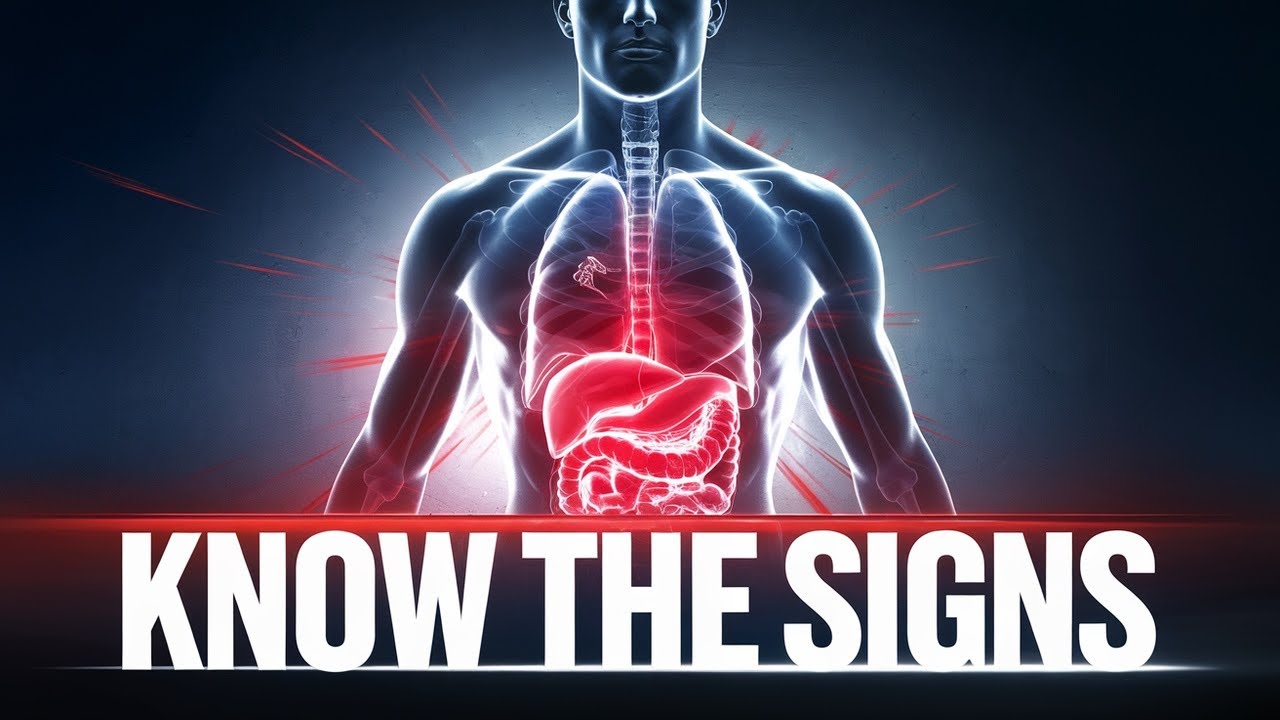
    Cancer Warning Signs YOU Need to Know Now

    Top Cancer Warning Signs You Need to Recognize

    Join me as I dive into the top cancer warning signs you absolutely need to recognize. Can you spot them all before it’s too late? Recognizing cancer warning signs early is crucial, and it can literally be the difference between life and death. The sooner you identify the symptoms, the higher the chances of successful treatment and survival. Unfortunately, many people overlook these signs or ignore them altogether, which can lead to devastating consequences.

    We’ve all heard stories of people who were diagnosed with cancer too late, and it’s heartbreaking to think that if only they had known the warning signs, things could have been different. The truth is, cancer can be treated and even cured if caught early, but it requires awareness and vigilance. Early detection is key, and that’s why it’s essential to educate yourself about the warning signs of cancer. By doing so, you’ll be taking control of your health and taking a proactive approach to your well-being. So let’s get started on this critical journey.

    The Challenge of Late Cancer Diagnosis

    Late cancer diagnosis is a significant challenge that we’re facing today. Many people are unaware of the early warning signs, or they brush them off as minor issues. Others may think they’re too young or healthy to get cancer, which is a dangerous assumption. The lack of awareness and misinformation are significant barriers to early detection. In fact, studies have shown that delayed diagnosis is a common phenomenon worldwide.

    It’s estimated that one in five cancer cases are diagnosed at an advanced stage, which significantly reduces treatment options and survival rates. This is a staggering statistic, and it highlights the need for greater awareness and education about cancer warning signs. The consequences of late diagnosis are severe; it can lead to aggressive treatment, reduced quality of life, and even mortality. Moreover, delayed diagnosis can also lead to feelings of anxiety, guilt, and regret. No one wants to look back and think, “if only I had known.”

    Taking Responsibility for Your Health

    The lack of awareness is not just limited to the general public. Even healthcare professionals can sometimes overlook or misdiagnose cancer symptoms. This is why it’s essential to take responsibility for our own health and be proactive in seeking medical attention if we notice any unusual changes in our bodies. So what can we do to change this scenario? The answer lies in education and awareness. By learning about the common warning signs of cancer, we can take the first step towards early detection and effective treatment.

    Common Cancer Warning Signs

    One of the reasons people overlook cancer warning signs is that they’re often subtle and may resemble symptoms of other illnesses. However, by knowing what to look out for, we can identify these signs early and take prompt action. Let’s explore some of the common warning signs of cancer.

    One of the most apparent signs is unexplained weight loss. If you’ve lost weight without changing your diet or exercise routine, it could be a red flag. This is because some cancers, such as pancreatic or lung cancer, can cause unexplained weight loss.

    Another common sign is persistent fatigue. If you’re feeling tired all the time, even after resting, it could be a sign of something more serious. Fatigue is a common symptom of many cancers, including leukemia, colon cancer, and stomach cancer.

    Unusual lumps or swellings are also a significant warning sign. If you’ve noticed any unusual lumps or swellings, don’t brush it off as nothing. It could be a sign of breast cancer, testicular cancer, or lymphoma.

    Changes in your skin, such as new moles or changes in the size or color of existing moles, can also be a warning sign. Skin cancer is one of the most common types of cancer, and early detection is crucial.

    Persistent coughing or difficulty breathing can be a sign of lung cancer. If you’re experiencing persistent coughing or difficulty breathing, don’t ignore it. It could be a sign of something more serious.

    Indigestion or difficulty swallowing can be a sign of throat or stomach cancer. If you’re experiencing persistent indigestion or difficulty swallowing, don’t brush it off as heartburn or acid reflux. It could be a sign of something more serious.

    Blood in your stool or urine is also a warning sign. If you’ve noticed blood in your stool or urine, don’t ignore it. It could be a sign of colon, rectal, or bladder cancer.

    These are just a few of the common warning signs of cancer. It’s essential to remember that these symptoms can also be caused by other conditions, so it’s crucial to consult a doctor if you’re experiencing any of these signs.

    The Importance of Early Detection

    I’d like to share a personal story that illustrates the significance of early detection. One of my close friends was diagnosed with breast cancer in her early 30s. She had no family history of cancer, and she was healthy and active. However, she noticed a lump in her breast and didn’t hesitate to get it checked. Thankfully, the cancer was caught early, and she was able to receive effective treatment.

    This story highlights the importance of self-examination and regular health checkups. If my friend had ignored the lump or delayed seeking medical attention, the outcome could have been very different. This is why it’s essential to take responsibility for our own health and be proactive in seeking medical attention if we notice any unusual changes in our bodies.

    Early detection is key to survival, and it’s crucial to be aware of our own bodies and take action if we notice any unusual changes. Don’t wait until it’s too late. Take control of your health today.

    Conclusion

    Let’s recap the key warning signs we’ve discussed today. Remember, if you’re experiencing any unusual symptoms, don’t ignore them. Get them checked out and take control of your health. Thank you for reading. If you found this information helpful, please share it with others to raise awareness about this critical issue. Have you or someone you know experienced a cancer diagnosis? Share your story in the comments below, and let’s raise awareness together.

    If you’d like to learn more about health awareness, be sure to check out our next blog post, where we’ll be discussing another important topic.

    As found on YouTube

  • BOOST Your Stamina with Powerful Kegel Exercises for Peak Performance

    BOOST Your Stamina with Powerful Kegel Exercises for Peak Performance

    Boost Your Stamina with Powerful Kegel Exercises: A Comprehensive Guide

    Join me as I boost my stamina with some powerful Kegel exercises and see how they can really level up my performance. Kegel exercises have been around for over a century, first developed by Dr. Arnold Kegel back in the 1940s. Initially, they were designed to help women recover from childbirth, but over time, it became clear that these exercises had far-reaching benefits for people of all genders.

    The Importance of Stamina in Fitness

    One of the most significant advantages of incorporating Kegel exercises into your fitness routine is their boost to your stamina. When we talk about stamina, we’re thinking about endurance, resilience, and the ability to push through physical challenges. Whether you’re a professional athlete or just someone who likes to stay active, having good stamina can make all the difference. And that’s exactly where Kegel exercises come in. By strengthening your pelvic floor muscles, they can help you perform at your best even when the going gets tough.

    Understanding Stamina and Its Challenges

    Many of us have been there—you’re in the middle of a tough workout and suddenly you hit a wall. You’re tired, you’re exhausted, and you just can’t seem to push any further. This is exactly where stamina comes in. It’s that extra gear that allows you to keep going even when your body is screaming at you to stop.

    For some people, maintaining stamina during physical activities can be a real challenge. You might find that you get winded easily or that your muscles start to ache and fatigue sets in. Whatever it is, it’s frustrating, and it can be demotivating.

    One of the biggest challenges people face when it comes to stamina is getting started in the first place. You might have every intention of working out regularly, but somehow you just can’t seem to get into a routine. Or you might find that you’re doing the same old exercises every day and you’re just not seeing the results you want.

    Overcoming Mental Barriers to Stamina

    Another common challenge is sustaining momentum. You might start strong, full of enthusiasm and energy, but as the days turn into weeks, you start to lose steam. You might miss a workout here, skip a session there, and before you know it, you’re right back where you started.

    For some people, the biggest challenge is overcoming mental barriers. You might be someone who gets anxious or nervous before a workout, or you might struggle with self-doubt and negative self-talk. Whatever it is, it can be tough to push past these feelings and get on with your fitness routine.

    The Role of Kegel Exercises in Building Stamina

    When we talk about stamina, we’re not just talking about physical endurance; we’re also talking about mental toughness. It’s the ability to push through pain, to overcome obstacles, and keep going even when things get tough. One of the most significant benefits of having good stamina is that it can give you a real confidence boost. When you know you can push through challenges and come out on top, it can be incredibly empowering.

    Of course, there are also physical benefits to having good stamina. You might find that you have more energy, that you’re less tired, and that you’re able to perform at your best even when the going gets tough.

    The Science Behind Kegel Exercises

    So, what’s the secret to building stamina? Is it just a matter of doing more cardio? Is it about pushing yourself to the limit every time you work out? The answer is much simpler—it’s all about strengthening your pelvic floor muscles through Kegel exercises.

    When you do a Kegel, you’re contracting a specific group of muscles in your pelvic floor, including your pubococcygeus muscle, your iliococcygeus muscle, and your urethral sphincter. These muscles are responsible for controlling the flow of urine, but they also play a crucial role in supporting your core.

    When you strengthen your pelvic floor muscles, you’re essentially creating a stronger foundation for your entire body. You’re improving your posture, your balance, and your overall stability. And when you have a strong foundation, you’re able to perform at your best even when the going gets tough.

    Effective Kegel Exercises to Boost Stamina

    Kegel exercises work by contracting and releasing the pelvic floor muscles. This contraction helps to strengthen the muscles, and over time, it can lead to some amazing benefits, including increased stamina, improved bladder control, and even better sexual performance.

    One of the most significant advantages of Kegel exercises is that they can be done anywhere, at any time. You can do them while you’re sitting in traffic, while you’re waiting in line, or even while you’re lying in bed. They’re discreet, they’re easy, and they’re incredibly effective.

    Basic Kegel Exercises for Beginners

    Now that we’ve explored the science behind Kegel exercises, it’s time to talk about the most effective exercises you can do to boost your stamina. Don’t worry if you’re new to Kegel exercises; these exercises are easy to follow, and you can start doing them right away.

    The first exercise we’re going to try is the classic Kegel. It’s the most basic of all the Kegel exercises, and it’s a great place to start. To do a classic Kegel, simply contract your pelvic floor muscles, hold for a few seconds, and then release. Repeat this process several times, taking deep breaths in between each contraction.

    Advanced Kegel Techniques

    The next exercise we’re going to try is the quick flex. This exercise is designed to target the fast-twitch muscles in your pelvic floor, and it’s an amazing way to build stamina. To do a quick flex, simply contract and release your pelvic floor muscles rapidly several times in a row.

    Another exercise that’s fantastic for building stamina is the Kegel hold. This exercise is all about endurance. You’re going to contract your pelvic floor muscles and hold for as long as you can. Don’t worry if you can only hold for a few seconds at first; with practice, you’ll be able to hold for longer and longer periods.

    One of the most effective Kegel exercises for building stamina is the pelvic tilt. This exercise targets the entire pelvic floor, and it’s an amazing way to build strength and endurance. To do a pelvic tilt, simply lie on your back with your knees bent, tilt your pelvis upwards, and then release.

    The Benefits of Incorporating Kegel Exercises into Your Routine

    Let’s talk about some of the benefits of incorporating Kegel exercises into your fitness routine. One of the biggest advantages is that they can help you perform at your best even when you’re exhausted. You’ll be able to push through challenges, overcome obstacles, and keep going even when the going gets tough.

    Another benefit of Kegel exercises is that they can help you build mental toughness. When you’re doing Kegels regularly, you’re building resilience, you’re building confidence, and you’re building a winner’s mentality.

    Kegel exercises can also help you improve your overall physical fitness. You’ll be able to run faster, jump higher, and lift heavier weights, all because you’ve strengthened your pelvic floor muscles.

    Conclusion: Reaping the Rewards of Kegel Exercises

    By incorporating Kegel exercises into your fitness routine, you’ll be able to take your performance to the next level. You’ll be able to achieve your goals, crush your challenges, and live the life you’ve always wanted.

    So, what’s the takeaway from today’s guide? Kegel exercises are a powerful tool for building stamina, and they can help you perform at your best even when the going gets tough. Remember to start with the basics, practice regularly, and push yourself to new heights.

    Thanks for reading, everyone! If you’ve had any experiences with Kegel exercises, be sure to let me know in the comments below. Don’t forget to subscribe for more fitness tips and tricks, and check out my other post on how to boost your endurance with high-intensity interval training. Until next time, stay fit, stay strong, and keep pushing yourself to new heights.

    As found on YouTube

0
Verified by MonsterInsights