Understanding Spinal Stenosis: A Guide to Your Spine's Health

What Exactly Is Spinal Stenosis?
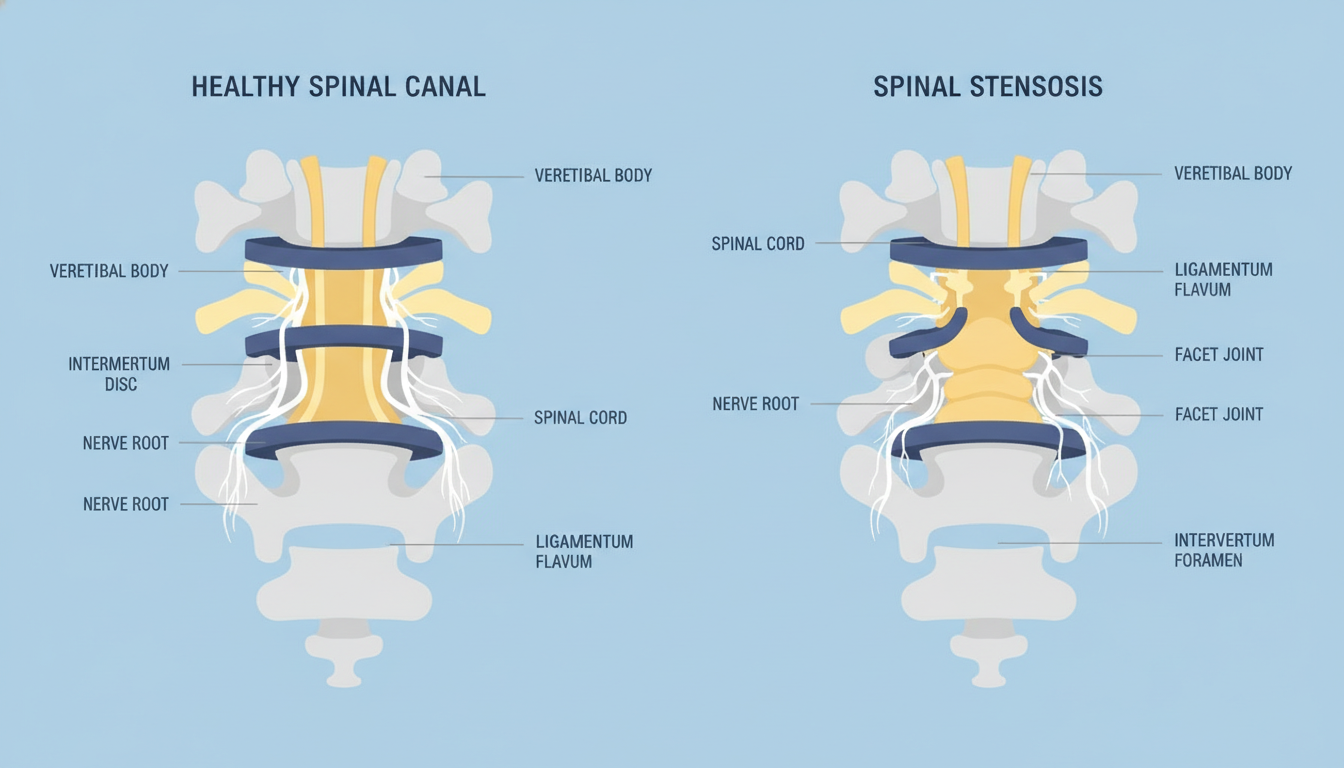
Spinal stenosis is a medical term that simply means "narrowing of the spine." More specifically, it refers to the narrowing of the open spaces within your spinal column, which can create pressure on your spinal cord and the nerves that branch out from it. This compression can lead to a range of symptoms, including pain, tingling, numbness, and muscle weakness. The condition can occur anywhere along the spine, but it most commonly affects two areas:- Lumbar Stenosis: This is the most common form, occurring in the lower back (the lumbar region). It often affects the nerves that travel to the legs and feet.
- Cervical Stenosis: This form occurs in the neck (the cervical region). Because the spinal cord is located here, cervical stenosis can be more dangerous, potentially affecting not only the arms and hands but also the entire body.
Think of your spinal canal as a tunnel. Your spinal cord and nerves are the vital traffic that runs through it. Spinal stenosis is what happens when that tunnel begins to narrow, causing a traffic jam that compresses and irritates the nerves.
The Primary Causes of Spinal Narrowing
The narrowing of the spinal canal is rarely due to a single cause. It's often the result of cumulative, age-related "wear and tear" on the spine. The most common contributors include:- Osteoarthritis: This is by far the most frequent cause. As the protective cartilage that cushions the facet joints in your spine wears down over time, bone can rub against bone. The body's response is to grow new bone in the form of bone spurs (osteophytes), which can intrude into the spinal canal and narrow the available space.
- Herniated Discs: The rubbery discs that act as shock absorbers between your vertebrae can dry out and crack with age. This can cause the soft inner material to bulge or leak out (herniate), pressing directly on the spinal cord or nerve roots.
- Thickened Ligaments: The strong cords that help hold the bones of your spine together can become stiff and thicken over time. These enlarged ligaments can then bulge into the spinal canal, contributing to the narrowing.
- Other Causes: While less common, spinal stenosis can also be caused by spinal injuries from trauma, tumors on the spinal cord, congenital conditions where an individual is born with a small spinal canal, or certain bone diseases like Paget's disease.
Key Symptoms of Lumbar (Lower Back) Spinal Stenosis
Symptoms of lumbar stenosis often develop slowly and can come and go. The hallmark of this condition is what doctors call "neurogenic claudication," which is pain or cramping in the legs that occurs with standing or walking and is relieved by sitting or leaning forward. Common signs to watch for include:
- Pain or cramping in one or both legs, especially after walking even short distances.
- Numbness, tingling, or weakness that travels from the lower back down into the buttocks and legs (often called sciatica).
- Back pain, though this is not always present. The leg pain is often more pronounced than the back pain itself.
- Relief when bending forward. Many people find their symptoms ease when they lean over, such as when pushing a shopping cart or sitting down. This posture temporarily opens up the spinal canal, relieving pressure on the nerves.
The "Shopping Cart Sign"
A classic indicator of lumbar spinal stenosis is finding relief by leaning forward. This is why many sufferers can walk much farther when leaning on a shopping cart or a walker. This forward-flexed position, known as the "shopping cart sign," is a key diagnostic clue for doctors.Key Symptoms of Cervical (Neck) Spinal Stenosis
Cervical stenosis can present a more complex and potentially serious set of symptoms because it involves compression of the spinal cord itself. This condition, known as myelopathy, can affect nerve function throughout the body. Symptoms may include:
- Neck pain, which can range from a mild ache to a sharp, shooting pain.
- Numbness, tingling, or weakness in the neck, shoulders, arms, hands, or even legs.
- Balance and coordination problems. You might feel unsteady on your feet, have a clumsy gait, or find yourself dropping things more often.
- Difficulty with fine motor skills, such as buttoning a shirt, writing, or using a zipper.
- Urgency or incontinence. In serious cases, compression of the spinal cord can affect bladder or bowel function.
When to See a Doctor
While occasional back or neck pain is common, persistent or worsening symptoms should not be ignored. It's time to schedule an appointment with your doctor if you experience:- Pain, numbness, or weakness that interferes with your daily activities.
- Symptoms that are progressively getting worse over time.
- Pain that radiates from your spine down into your arms or legs.
- Difficulty with walking or maintaining your balance.
Seek immediate medical care if you experience a sudden onset of severe numbness or weakness in your legs, or if you have any loss of bladder or bowel control. These can be signs of a medical emergency requiring urgent treatment.Living with chronic pain can also take a toll on your mental well-being. Finding ways to manage the stress and anxiety that often accompany such conditions is a vital part of a holistic treatment plan. Exploring techniques like simple exercises for natural stress and anxiety relief can be a helpful complementary strategy.
Don't Ignore the Signs of Spinal Stenosis
Spinal stenosis is a common condition, but its impact on an individual's life can be significant. From limiting mobility to causing chronic pain, its symptoms can be challenging. However, understanding the underlying cause of your discomfort is the first and most powerful step toward finding effective relief. If the symptoms described in this guide sound familiar, don't resign yourself to living with the pain. Talk to a healthcare professional to get a proper diagnosis. With an accurate understanding of your condition, you can explore a personalized treatment plan—which may include physical therapy, medication, or other interventions—to help you manage your symptoms and maintain an active, fulfilling life.Share this content:
Discover more from J and J Health
Subscribe to get the latest posts sent to your email.