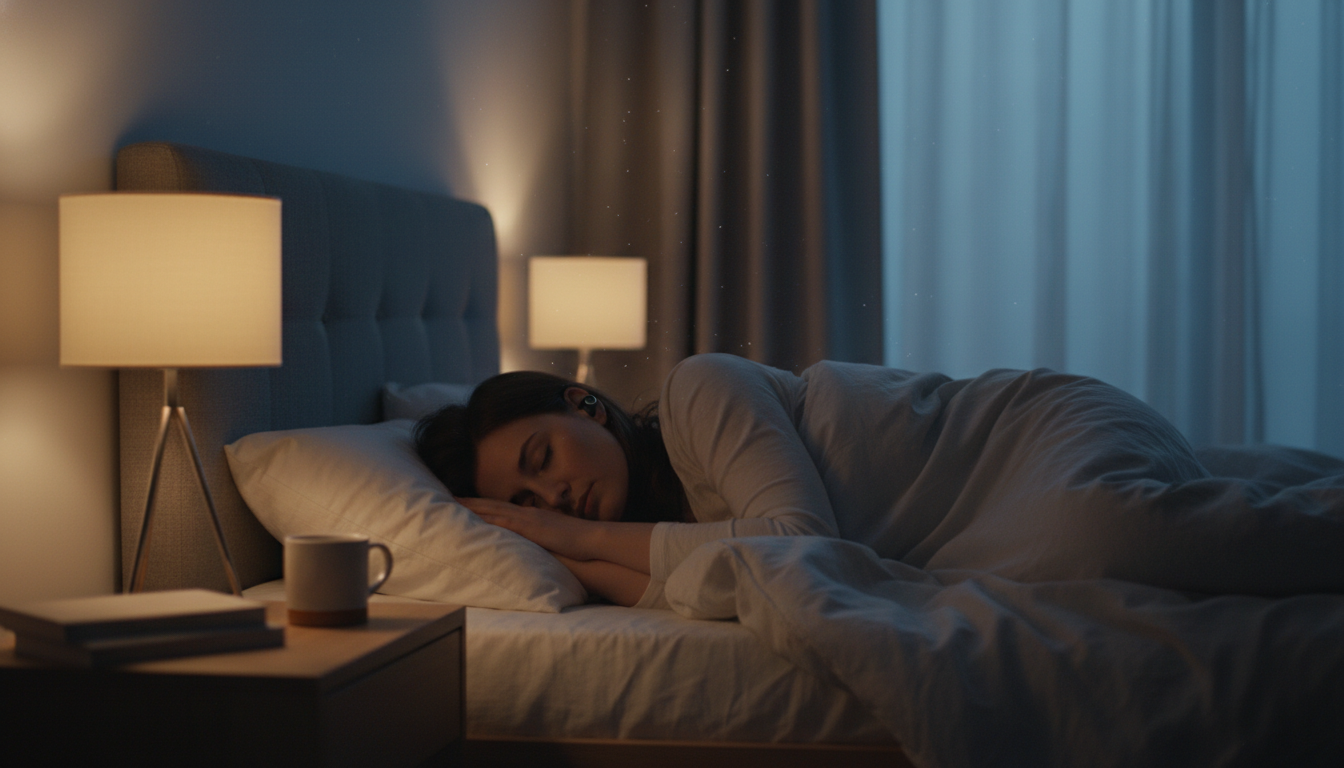
The Surprising Truth About Sleeping With Earbuds In

Why We Love Drifting Off to Sound
The appeal of sleeping with earbuds is undeniable. In our increasingly noisy and overstimulated world, creating a personal audio sanctuary can feel like a necessity for restorative sleep. The reasons people turn to this habit are varied and deeply personal.Blocking Out the World
One of the primary drivers is noise-masking. Whether it's a partner who snores like a freight train, the relentless drone of city traffic, or the unpredictable thumps from an upstairs neighbor, environmental noise is a major sleep disruptor. Earbuds provide an effective barrier, replacing chaotic external sounds with a controlled, predictable audio stream. This creates a stable "sound cocoon" that allows the brain to disengage and relax into sleep.Soothing Stress and Anxiety
For many, the transition to sleep is fraught with anxiety. The quiet of the night can amplify racing thoughts and daily worries. Audio content serves as a gentle distraction, guiding the mind away from stressful loops. Listening to guided meditations, calming music, or ambient soundscapes like rainfall can lower heart rate, reduce cortisol levels, and activate the body's relaxation response. This practice can be one of many effective grounding techniques to reduce anxiety and signal to your body that it's safe to power down.A Productive and Pleasant Escape
Beyond pure relaxation, some use this time for personal enrichment. Falling asleep to an audiobook or an educational podcast can feel like a productive use of time, combining rest with learning or entertainment. It’s a modern form of the bedtime story, a comforting ritual that eases the mind into a state of repose.Relief for Tinnitus Sufferers
For individuals with tinnitus—a persistent ringing or buzzing in the ears—silence can be agonizing. The constant internal noise becomes more pronounced in a quiet room, making sleep nearly impossible. Earbuds playing white noise, nature sounds, or specialized "sound therapies" can help mask the tinnitus, providing significant relief and making it possible to fall and stay asleep.“Sound can be a powerful sleep aid, but the delivery method matters. What starts as a solution to block out noise can inadvertently create a new set of health problems if not managed carefully.”
The Hidden Dangers: Potential Health Risks
Despite the clear benefits, the nightly habit of wearing earbuds comes with significant health risks that are often overlooked. These issues can range from minor irritations to serious, long-term complications.
1. Ear Infections (Otitis Externa)
Your ear canal is a delicate ecosystem. When you seal it with an earbud for eight hours, you block air circulation. This traps warmth and moisture, creating a dark, humid environment—the perfect breeding ground for bacteria and fungi. This can lead to otitis externa, commonly known as swimmer's ear. Symptoms include pain, itching, redness, and discharge. If left untreated, severe infections can spread, and in very rare cases, a systemic infection like sepsis could develop. To learn more about this serious condition, you can read this guide on what sepsis is and how you get it.2. Earwax Impaction
Earwax (cerumen) is the body's natural way of cleaning and protecting the ear canal. It traps dust and debris and gradually moves it outward. Earbuds act like tiny plungers, pushing the wax deeper into the canal with each use. Over time, this can lead to a hard, impacted plug of wax. Symptoms of impaction include a feeling of fullness in the ear, muffled hearing, dizziness (vertigo), and tinnitus. In some cases, it requires professional removal by a doctor.3. Pressure Necrosis
While rare, this is a serious risk, particularly for side sleepers using hard, poorly-fitting earbuds. The constant pressure of the earbud against the delicate cartilage and skin inside the ear can restrict blood flow. If this pressure is maintained for hours every night, the tissue can be starved of oxygen and nutrients, leading to necrosis—the death of the tissue. This can cause permanent damage to the structure of your ear.4. Noise-Induced Hearing Loss (NIHL)
This is perhaps the most insidious risk. Many people think, "I keep the volume low, so I'm safe." However, hearing damage is a function of both volume and duration. Exposing your ears to continuous sound for 6-8 hours, night after night, can still damage the tiny, delicate hair cells in your inner ear. These cells are responsible for translating sound vibrations into electrical signals for your brain, and once they are damaged, they do not regenerate. The effect is cumulative, and you may not notice the gradual hearing loss until it becomes significant.5. Reduced Situational Awareness
Wearing noise-canceling or noise-isolating earbuds while you sleep can be dangerous. It can prevent you from hearing critical sounds that require your immediate attention, such as a smoke alarm, a carbon monoxide detector, a baby crying, a window breaking, or someone calling for help. Your personal audio bubble can create a serious safety vulnerability for you and your family.Key Practices for Safer Nighttime Listening
If you choose to sleep with earbuds, mitigating the risks is crucial. Follow these essential best practices to protect your hearing and ear health:- Use a Sleep Timer: This is non-negotiable. Set your music or podcast app to turn off after 30-60 minutes. This ensures you're not exposing your ears to sound all night long after you've already fallen asleep.
- Mind the Volume: Keep the volume at or below 60% of your device's maximum. It should be just loud enough to hear comfortably in a quiet room, not loud enough to drown out everything.
- Practice Good Hygiene: Clean your earbuds regularly with a soft cloth and an alcohol-based solution to remove bacteria and earwax. Never share your earbuds with others.
- Choose the Right Fit: Opt for earbuds made from soft, medical-grade silicone. Look for low-profile designs specifically made for sleeping, which are smaller and less likely to exert pressure, especially for side sleepers.
- Give Your Ears a Break: Consider sleeping with only one earbud in, or take a few nights off each week to allow your ear canals to breathe and recover.
Safer Alternatives for a Sound-Filled Slumber
Fortunately, you don't have to choose between a silent, anxious night and risking your ear health. Several excellent alternatives provide the auditory comfort you crave without placing anything inside your ear canal. Exploring these options can be a game-changer for your sleep quality and long-term health, helping you avoid issues like chronic fatigue. A consistent, healthy sleep routine is often the one simple habit that stops chronic fatigue forever.
Sleep Headbands
These are soft, stretchy fabric headbands with ultra-thin, flat speakers embedded within them. You wear the band over your ears, allowing you to listen to audio comfortably, even when sleeping on your side. They exert no pressure on the ear canal and allow for airflow, eliminating the risk of infection and wax impaction. Many also double as an eye mask.Pillow Speakers
These are small, flat speakers designed to be placed under or next to your pillow. They deliver clear, personal sound at a low volume that is audible to you but typically won't disturb a sleeping partner. It's an ideal solution for those who want audio without wearing anything on their head or in their ears.White Noise Machines
A dedicated white noise machine is a classic and highly effective solution. These devices create a consistent, soothing soundscape (like static, fan noise, or nature sounds) that masks disruptive environmental noises. Because the sound source is in the room and not directly in your ear, the risk of hearing damage is dramatically reduced.Bedside Smart Speakers
The speaker on your phone or a small smart speaker (like an Amazon Echo Dot or Google Nest Mini) placed on your nightstand can be a perfect low-tech solution. Set to a low volume, it can play ambient sound playlists, podcasts, or audiobooks from a safe distance, filling your room with gentle sound without any of the risks associated with in-ear devices.Conclusion: Prioritize Your Hearing Health
The desire to use sound to fall asleep is completely understandable, and for many, it's a highly effective strategy. However, the convenience of earbuds should not overshadow the potential long-term consequences. Sleeping with earbuds isn't inherently "bad," but doing so without precautions is a significant gamble with your hearing and ear health. By understanding the risks of infection, wax impaction, and noise-induced hearing loss, you can make a more informed choice. If you continue to use earbuds, diligently follow the best practices: use a timer, keep the volume low, and maintain scrupulous hygiene. Better yet, consider exploring the fantastic alternatives like sleep headbands or pillow speakers that offer the same auditory benefits without the associated dangers. Your ears work 24/7 to connect you to the world—giving them a safe and healthy rest at night is one of the best things you can do for your long-term well-being.Share this content:
Discover more from J and J Health
Subscribe to get the latest posts sent to your email.