
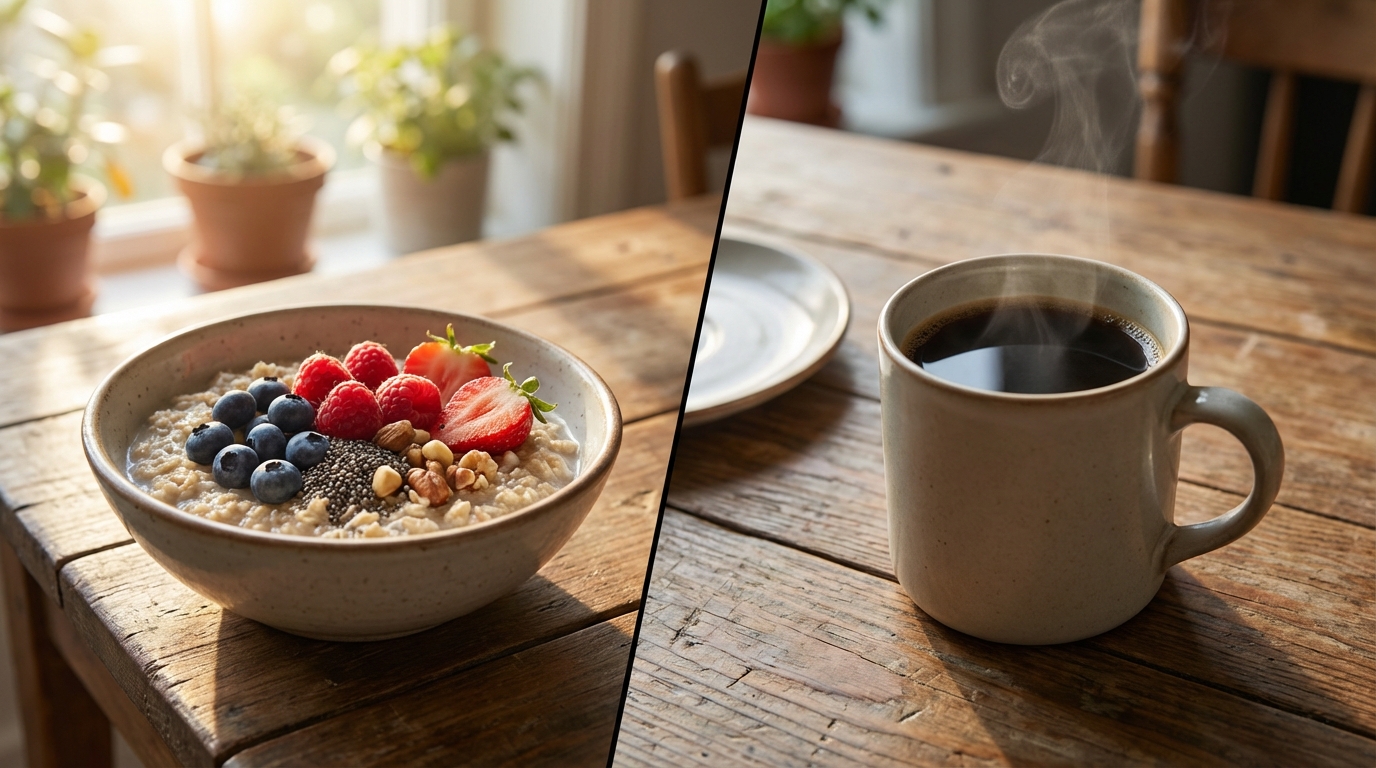
Does Skipping Breakfast Really Kill Fat Loss?
Uncovering the truth behind the most important meal of the day and its real impact on your metabolism.

For decades, we’ve been told that breakfast is the "most important meal of the day." We've been warned that skipping your morning bowl of oats or eggs will crash your metabolism, send your body into starvation mode, and completely derail your fat loss efforts. But in an era where intermittent fasting is wildly popular, these old dietary dogmas are being heavily scrutinized.
So, what does the science actually say? Does pushing your first meal to noon sabotage your waistline, or is it a perfectly valid strategy for getting lean? Let’s dive into the physiology of morning meals, metabolism, and how meal timing truly impacts your body composition.
The 'Breakfast and Metabolism' Myth Explained
To understand why the breakfast myth exists, we first have to look at how your body burns calories. One of the primary arguments for eating breakfast is that it "stokes your metabolic fire." This concept is rooted in something called the Thermic Effect of Food (TEF).
TEF refers to the energy your body uses to digest, absorb, and metabolize the nutrients in your food. It accounts for roughly 10% of your total daily energy expenditure. The myth suggests that by eating early in the morning, you kickstart this calorie-burning process sooner. However, science paints a different picture.
"Your metabolism is not a campfire that needs morning kindling. The Thermic Effect of Food is determined by the total amount of calories and macronutrients you consume over 24 hours, not by the specific time the clock strikes when you take your first bite."
If you eat 2,000 calories a day, the thermic effect will burn roughly the same amount of energy whether you eat those calories in three meals starting at 7:00 AM, or two meals starting at 1:00 PM. Eating early does not provide a magical metabolic advantage. In fact, many of the rules we follow about morning meals are simply ingrained cultural habits rather than physiological necessities, which is a common theme when debunking common health myths.
Historically, the idea that breakfast is mandatory for health was heavily pushed by early 20th-century cereal manufacturers. Marketing campaigns brilliantly positioned breakfast cereals as essential for health and vitality, permanently altering the modern dietary landscape. While breakfast can be incredibly healthy, the idea that your metabolism will stall without it is definitively false.
How Skipping Breakfast Affects Hunger and Cravings
While skipping breakfast won't mathematically break your metabolism, it can have a profound psychological and hormonal impact on your hunger levels later in the day. This is where skipping breakfast can indirectly kill fat loss for certain people.
In the morning, your body experiences a natural spike in cortisol—the hormone that helps you wake up and feel alert. For some individuals, layering the physical stress of fasting on top of morning cortisol can lead to dysregulated hunger hormones later in the afternoon. Have you ever skipped breakfast, felt fine until 2:00 PM, and then suddenly wanted to eat everything in sight? That is a classic hormonal hunger crash.

When you skip meals and allow your blood sugar to plummet, your brain enters panic mode. It stops craving grilled chicken and broccoli and starts demanding hyper-palatable, calorie-dense foods like donuts, chips, and pizza. If skipping a 400-calorie breakfast causes you to overeat by 800 calories at dinner, then yes, skipping breakfast is actively harming your fat loss.
Conversely, consuming a protein-rich breakfast stabilizes your blood sugar and suppresses ghrelin (the hunger hormone) for hours. If you struggle with afternoon snacking, eating a solid morning meal might be the simple trick you need to stop food cravings fast. Finding healthy recipes for a balanced breakfast that prioritize protein and healthy fats can set a stable metabolic tone for your entire day.
Skipping breakfast only works for fat loss if you can control your appetite later in the day. If fasting all morning leads to bingeing at night, you are better off eating a high-protein breakfast to stabilize your blood sugar and keep cravings at bay.
The Intermittent Fasting Factor
You can't discuss skipping breakfast without talking about Intermittent Fasting (IF). The most popular protocol, the 16:8 method, involves fasting for 16 hours and eating all your meals within an 8-hour window. For most people, this simply means skipping breakfast and eating from noon to 8:00 PM.
If skipping breakfast is supposed to be bad for fat loss, why do so many people swear by IF? The answer lies in calorie control. By compressing your eating window, you naturally eliminate an entire meal's worth of calories from your day. If you usually eat a 500-calorie breakfast, and you simply remove it without changing your lunch and dinner portions, you have instantly created a 500-calorie daily deficit.
There are numerous benefits of intermittent fasting for fitness, including improved insulin sensitivity and convenience. However, IF is not magic. It works by making a calorie deficit easier to adhere to for certain personality types.
Why IF Works for Some and Fails for Others
- Why it works: It creates strict boundaries. For people who are busy in the mornings and don't feel naturally hungry upon waking, sipping black coffee and waiting until lunch is an effortless way to cut calories.
- Why it fails: The "compensation effect." Some people subconsciously eat massive portions during their 8-hour window because they feel they "earned it" by fasting. If your lunch and dinner calories exceed your daily energy needs, you will gain fat, regardless of how long you fasted.
Muscle Retention vs. Fat Loss
Here is where the conversation gets a bit more nuanced. Fat loss is great, but what you actually want is fat loss while retaining muscle mass. Muscle is highly metabolically active tissue; the more you have, the more calories you burn at rest.
Unlike carbohydrates and fats, your body does not have a storage mechanism for protein. To maintain and build muscle, your body relies on a process called Muscle Protein Synthesis (MPS). To maximize MPS, you need a steady stream of amino acids (from protein) distributed evenly throughout the day.

When you sleep, you are fasting. By the time you wake up, your body is in a catabolic (muscle-breakdown) state. Skipping breakfast prolongs this catabolic state. While a few hours of fasting won't cause all your muscles to fall off, optimal muscle retention usually requires protein feedings every 3 to 5 hours.
This is precisely why fitness competitors and bodybuilders rarely skip breakfast. They prioritize morning protein to halt muscle breakdown and spike MPS. If your goal is strictly losing weight on the scale, meal timing matters less. But if your goal is achieving a highly toned, muscular physique, you might want to transform your body with a daily protein strategy that includes a high-protein morning meal.
If you choose to skip breakfast, ensure that your first meal of the day is incredibly high in quality protein (30-50 grams) to immediately trigger muscle protein synthesis and halt catabolism.
The Final Verdict: Should You Eat or Fast?
Does skipping breakfast kill fat loss? No, it does not. Total daily caloric intake is the undisputed king of weight management. If you are in a calorie deficit, you will lose fat whether you eat at 7:00 AM or 1:00 PM.
However, the *best* dietary strategy is the one you can stick to long-term. Your personal biology, lifestyle, and psychological relationship with food should dictate your meal timing.
- You should eat breakfast if: You wake up hungry, you have intense morning workouts, you struggle with afternoon sugar cravings, or your primary goal is maximizing muscle growth.
- You can skip breakfast if: You aren't naturally hungry in the morning, you prefer eating larger meals later in the day, you function well on black coffee, and you can control your portions during your eating window.
Stop forcing yourself to eat breakfast if it makes you feel sluggish, and stop forcing yourself to fast if it makes you miserable and leads to bingeing. Test both methods for two weeks at a time. Track your energy levels, your workout performance, and your hunger cues. Your body will tell you exactly which method optimizes your fat loss.
Ready to Optimize Your Fat Loss Journey?
Stop guessing with generic advice and start seeing real results. Whether you love breakfast or prefer to fast, you need a personalized nutrition plan tailored to your unique biology, lifestyle, and goals.
Get Your Custom Plan TodayShare this content:
Discover more from J and J Health
Subscribe to get the latest posts sent to your email.


