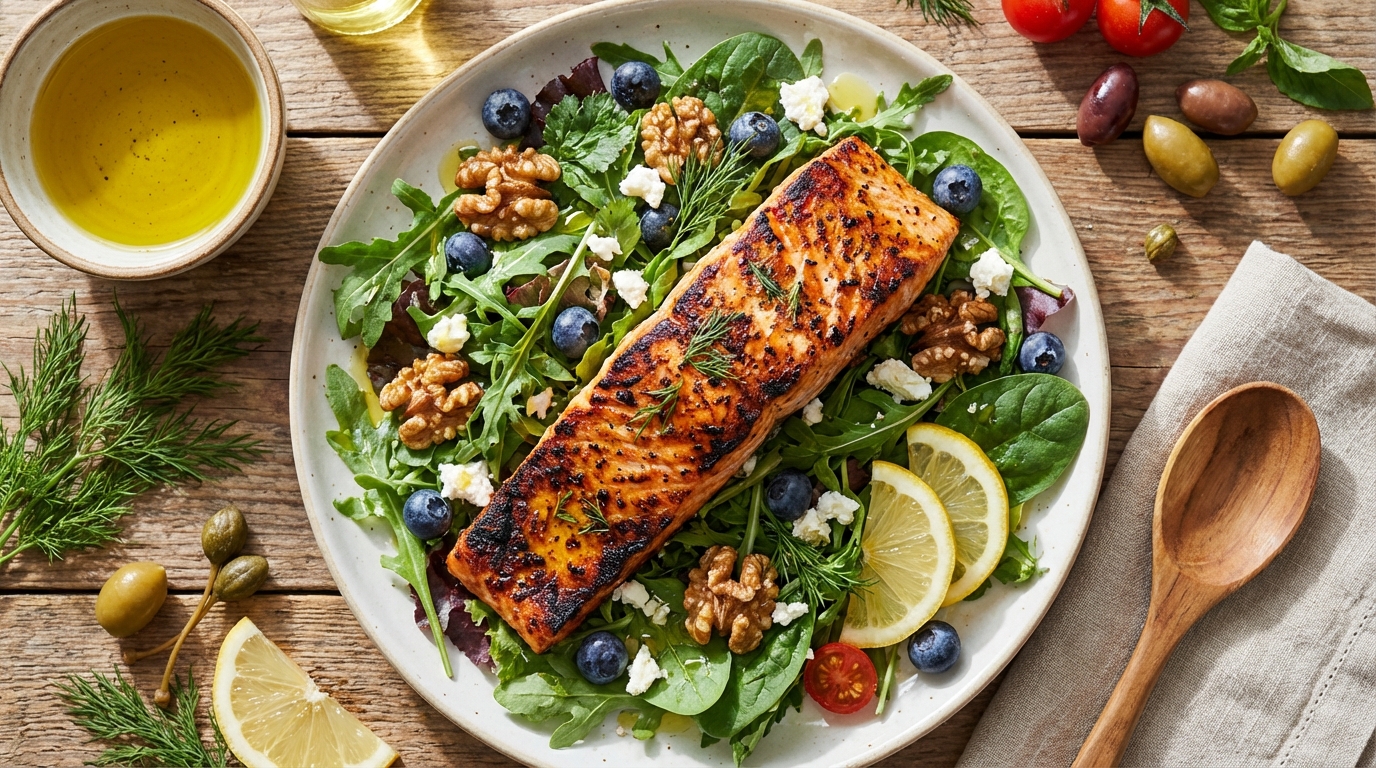
The Diet That Cuts Stroke Risk by 80%: What to Eat
Protect your brain and heart with these science-backed dietary changes. Discover the exact foods that heal your blood vessels and the ones you need to avoid.

Every 40 seconds, someone in the United States suffers a stroke. It is a staggering statistic that makes stroke one of the leading causes of long-term disability and mortality worldwide. For decades, many people believed that strokes were largely a matter of genetics or unavoidable aging. However, modern nutritional science has revealed a far more empowering truth: your daily dietary choices act as the primary defense mechanism for your vascular system.
By making specific, targeted changes to what you put on your plate, you can drastically alter your health trajectory. In fact, comprehensive lifestyle shifts—anchored by a nutrient-dense, anti-inflammatory diet—have been shown to result in an astonishing 80% reduction in stroke risk. This isn't about restrictive fad dieting; it is about strategically fueling your body with foods that keep your arteries flexible, your blood pressure stable, and your brain thriving.
The Science Behind Diet and Stroke Prevention
To understand how food prevents strokes, we first need to understand what a stroke actually is. The vast majority of strokes (about 87%) are ischemic, meaning they occur when a blood clot blocks a vessel supplying blood to the brain. The remaining percentage are hemorrhagic, occurring when a weakened blood vessel ruptures. Both types are intimately connected to the health of your cardiovascular system, which is directly influenced by your diet.
The primary drivers of stroke risk are high blood pressure (hypertension), elevated LDL cholesterol, and chronic systemic inflammation. When you consume a diet high in processed foods, unhealthy fats, and refined sugars, you trigger an inflammatory response in your body. Over time, this inflammation damages the delicate inner lining of your blood vessels, known as the endothelium.
As the endothelium becomes damaged, cholesterol begins to accumulate in the arterial walls, forming sticky plaques—a condition known as atherosclerosis. As these plaques grow, they narrow the arteries, forcing the heart to pump harder and raising blood pressure. Eventually, these plaques can rupture, forming clots that travel to the brain. By integrating natural cholesterol fighters into your daily meals, you actively halt and even reverse this plaque-building process.
"Food is not just calories; it is information. Every bite you take sends a set of instructions to your cells, telling your blood vessels to either inflame and constrict, or to heal and relax."
Dietary choices also deeply impact your body composition. Carrying excess weight, particularly around the midsection, creates a hormonal environment that drives up blood pressure and insulin resistance. Understanding the hidden dangers of visceral belly fat is crucial, as this specific type of fat acts like an active organ, pumping inflammatory cytokines directly into your bloodstream and exponentially increasing your stroke risk. The right diet naturally reduces this visceral fat, pulling you out of the danger zone.
Top Foods to Add to Your Plate
When building a brain-protecting, stroke-preventing diet, the focus should always be on addition rather than just subtraction. By filling your plate with the following nutrient powerhouses, you naturally crowd out the foods that harm your vessels.

Omega-3 Rich Fatty Fish
At the top of the brain-health hierarchy are fatty fish like salmon, mackerel, sardines, and trout. These fish are swimming in eicosapentaenoic acid (EPA) and docosahexaenoic acid (DHA)—two types of omega-3 fatty acids that are critical for neurological health. Omega-3s are powerful anti-inflammatories that help lower triglyceride levels, reduce blood clotting, and improve the elasticity of your blood vessels. To maximize the cardiovascular benefits of avocado, onion, and salmon, aim for at least two servings of wild-caught fatty fish per week.
Dark Leafy Greens
Spinach, kale, Swiss chard, and collard greens are non-negotiable for stroke prevention. These greens are incredibly rich in dietary nitrates. When you consume nitrates, your body converts them into nitric oxide, a vital molecule that signals your blood vessels to relax and dilate. This natural vasodilation effect significantly lowers blood pressure. Furthermore, leafy greens are packed with folate, a B-vitamin that helps reduce levels of homocysteine—an amino acid linked to an increased risk of stroke when elevated.
Vibrant Berries
Blueberries, strawberries, blackberries, and raspberries are nature's candy, but they also serve as potent vascular medicine. Their deep red, blue, and purple hues come from anthocyanins, a class of flavonoids with exceptional antioxidant properties. Research indicates that these compounds can cross the blood-brain barrier to protect neural pathways, while simultaneously preventing the oxidation of LDL cholesterol in the bloodstream. Incorporating a handful of berries into your morning routine is one of the best quick habits for mental clarity and long-term stroke prevention.
Nuts and Seeds
Walnuts, almonds, flaxseeds, and chia seeds are exceptional sources of healthy fats, fiber, and plant-based protein. Walnuts, in particular, are rich in alpha-linolenic acid (ALA), a plant-based omega-3. Regular consumption of nuts has been consistently linked to lower levels of systemic inflammation and improved endothelial function. Just a small handful a day provides enough magnesium and potassium to help regulate heart rhythm and blood pressure.
The Power of Olive Oil and Whole Grains
If there is a gold standard for stroke prevention, it is the Mediterranean diet. Two of the absolute pillars of this eating pattern are extra virgin olive oil (EVOO) and whole, unprocessed grains.
Extra Virgin Olive Oil: Replacing butter, margarine, and refined seed oils with high-quality extra virgin olive oil is one of the most impactful changes you can make. EVOO is loaded with monounsaturated fats and a specific polyphenol called oleocanthal, which possesses anti-inflammatory properties remarkably similar to ibuprofen. Regular consumption of EVOO prevents blood platelets from clumping together, directly reducing the risk of the ischemic clots that cause strokes.
Complex Carbohydrates: The brain relies on glucose for fuel, but the delivery method matters immensely. Refined carbohydrates spike blood sugar, damaging blood vessels over time. Whole grains—such as steel-cut oats, quinoa, brown rice, and farro—provide a slow, steady release of energy. More importantly, they are rich in soluble fiber. Soluble fiber acts like a sponge in your digestive tract, binding to cholesterol particles and sweeping them out of your body before they can enter your bloodstream and form arterial plaques.
Foods to Limit or Avoid Completely
Protecting your brain is as much about what you leave off your plate as what you put on it. Certain foods act as direct antagonists to your vascular health, accelerating plaque buildup and driving up blood pressure.

- Highly Processed Meats: Bacon, sausage, hot dogs, and deli meats are loaded with sodium, chemical preservatives, and saturated fats. The nitrates used to preserve these meats (which are entirely different from the healthy nitrates in leafy greens) can damage blood vessels and increase arterial stiffness.
- Excessive Dietary Sodium: While your body needs a small amount of sodium to function, the modern diet provides vastly more than necessary, mostly hidden in packaged foods and restaurant meals. Excess sodium pulls water into your blood vessels, increasing the total volume of blood. This forces your heart to pump harder and creates immense pressure against your arterial walls—the leading cause of stroke.
- Added Sugars and Refined Carbs: Sugar doesn't just cause weight gain; it actively damages your vascular system. High blood sugar leads to the formation of advanced glycation end products (AGEs), which make arteries stiff and brittle. If you want to understand the profound impact of cutting out sugar, exploring what your body really experiences during a sugar detox will reveal how quickly your blood pressure and inflammatory markers can drop.
- Trans Fats: Found in many fried foods, commercial baked goods, and some margarines, trans fats are engineered in laboratories. They uniquely lower your "good" HDL cholesterol while raising your "bad" LDL cholesterol, creating the perfect storm for atherosclerosis.
Creating Your Daily Stroke-Prevention Meal Plan
Knowing the science is only half the battle; the real magic happens when you translate this knowledge into your daily routine. Transitioning to a stroke-prevention diet doesn't have to be complicated. Here is a blueprint for how a delicious, brain-protecting day of eating can look.
Sample Daily Meal Plan
Breakfast: Antioxidant Oatmeal
Start your day with a half-cup of steel-cut oats cooked in water or unsweetened almond milk. Top it with a generous handful of fresh blueberries, a tablespoon of ground flaxseed, and crushed walnuts. This combination provides soluble fiber to manage cholesterol and antioxidants to protect your brain cells.
Lunch: Mediterranean Power Salad
Build a massive base of dark leafy greens (spinach, kale, arugula). Add cherry tomatoes, cucumbers, chickpeas, and a four-ounce serving of grilled chicken or canned wild salmon. Dress the salad generously with extra virgin olive oil, a squeeze of fresh lemon juice, and black pepper. The vitamin C in the lemon juice actually helps your body absorb more nutrients from the greens.
Dinner: Omega-3 Feast
Bake a six-ounce fillet of wild-caught salmon seasoned with garlic and herbs. Serve it alongside a half-cup of cooked quinoa and a large portion of roasted asparagus drizzled with olive oil. This meal is a masterclass in vascular health, delivering high-quality protein, potent omega-3s, and essential dietary nitrates.
Snacks throughout the day can be as simple as an apple with a handful of almonds, or a cup of Greek yogurt topped with pumpkin seeds. The goal is consistency, not perfection. Every meal is an opportunity to provide your body with the tools it needs to keep your blood flowing smoothly and your brain functioning optimally.
Start Your Heart-Healthy Journey Today
A stroke is a devastating event, but the power to prevent it is sitting right in your kitchen. By embracing fatty fish, vibrant berries, dark leafy greens, whole grains, and healthy fats while minimizing processed foods, excess sodium, and sugar, you are constructing an internal environment where disease struggles to survive.
Remember that dietary changes are most effective when combined with other healthy lifestyle choices, such as regular physical activity, stress management, and adequate sleep. Always consult with your primary healthcare provider or a registered dietitian before making drastic changes to your diet, especially if you are currently on medication for blood pressure or cholesterol.
Your brain and your heart are relying on you to make the right choices. Start small—swap out your afternoon sugary snack for a handful of walnuts, or use olive oil instead of butter at dinner tonight. These micro-decisions compound over time, ultimately building a resilient, healthy body capable of cutting your stroke risk by up to 80%.
Share this content:
Discover more from J and J Health
Subscribe to get the latest posts sent to your email.