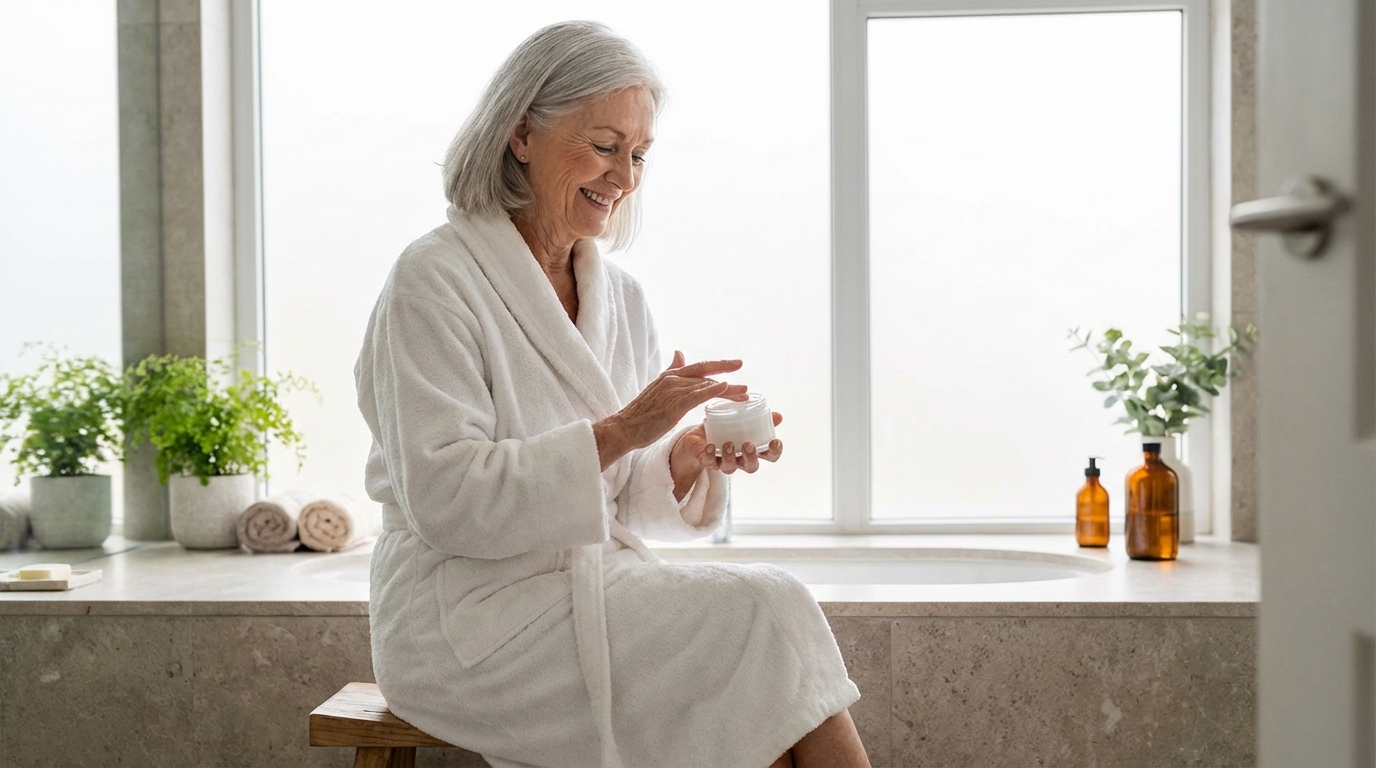
Bath Frequency After 70: 7 Shocking Facts You Need to Know

For most of our lives, the daily shower is an unquestioned ritual. It is the way we wake up in the morning, the way we wash off the stress of a long workday, and the standard baseline for what society considers "good hygiene." We are taught from a very young age that clean means scrubbing with hot water and sudsy soap every single day.
But what if the rules change as we age? What if the very routine you rely on to stay clean and healthy is actually causing silent damage to your body?
As we cross the threshold into our seventies, our biological needs shift dramatically. The daily shower routine that worked perfectly in your thirties and forties might actually be working against you now. Rethinking your daily shower routine is not about letting your hygiene standards slip; it is about adapting to the new reality of your body's changing physiology. In fact, when it comes to bathing and skin health for seniors, less might actually be a whole lot more.
Let's dive into the fascinating, sometimes counter-intuitive science of aging skin and uncover seven shocking facts about bath frequency after 70 that will completely change how you view your daily routine.
The Truth About Thinning Skin and Natural Oils
To understand why bathing frequency needs to change, we first have to understand what is happening on a microscopic level. Our skin is our body's largest organ, and it undergoes a profound transformation as the decades pass. If you are curious about the broader spectrum of these biological shifts, you might want to explore what REALLY happens to your body at every age, but for now, let's focus specifically on your skin's protective barrier.
In our younger years, the skin's sebaceous glands are highly active, constantly pumping out sebum—a natural oil that coats the skin, locking in moisture and keeping environmental irritants out. However, as we age, these glands dramatically slow down their production. By the time we reach 70, our skin produces only a fraction of the oils it once did.
Daily bathing strips essential natural oils that aging skin desperately needs. When you step into a daily shower, especially one with warm or hot water, you are effectively washing away the meager protective oils your body has managed to produce. Without these oils, the skin cannot stay hydrated, leaving it vulnerable to severe dryness, cracking, and even bacterial infections.

Beyond just oil production, the actual structural integrity of the skin changes. The epidermis (the outer layer of skin) thins out, and the dermis (the deeper layer) loses collagen and elastin. The connective tissues that once made the skin plump and resilient begin to degrade.
Skin thins dramatically after 70, making it significantly more prone to micro-tears. Because the skin is almost paper-thin in certain areas (like the shins and forearms), aggressive scrubbing with loofahs or harsh washcloths can cause microscopic tears. These micro-tears are invisible to the naked eye but act as open doors for bacteria, leading to conditions like cellulitis.
When you combine a lack of natural oils with structurally fragile skin, the daily shower stops being a refreshing ritual and starts becoming a daily trauma to your skin's barrier.
How Often Is Often Enough?
If a daily shower is off the table, what is the alternative? For many seniors, the idea of skipping a day—let alone several days—feels uncomfortable. We associate skipping showers with body odor and poor hygiene. However, the medical community paints a very different picture.
Because older adults generally sweat less and have less active sebaceous glands, the rapid buildup of odor-causing bacteria is significantly reduced compared to younger adults. The need for full-body immersion or scrubbing is drastically lower.
Fact 3: Dermatologists and geriatric specialists recommend that seniors over 70 only need a full bath or shower 1 to 2 times per week to maintain proper hygiene and prevent skin breakdown.
This recommendation often comes as a shock. "Only twice a week?" is the common response. But from a dermatological standpoint, this is the sweet spot. It is enough to cleanse the body of accumulated dead skin cells and environmental dirt, but infrequent enough to allow the skin's acid mantle and natural lipid barrier to recover and maintain hydration.
The Power of the "Sponge Bath"
So, what happens on the days you don't take a full shower? The answer lies in a time-tested, highly effective method that has been utilized in medical care for decades.
"Sponge baths" using warm washcloths on specific areas are highly effective for daily cleanliness without full-body soaking.
You do not need to stand under a stream of water for 15 minutes to be clean. A targeted approach works perfectly. Daily hygiene should focus on what medical professionals call the "essential areas"—the face, underarms, groin, and feet. Using a soft, damp washcloth at the sink to gently cleanse these specific areas removes sweat and bacteria where they actually accumulate, while leaving the delicate skin on your arms, legs, and back undisturbed.
"Transitioning from a daily shower to daily targeted cleansing is the single most effective change an older adult can make to eliminate chronic winter itch and dry skin flaking."
Hidden Dangers in the Bathroom
Skin health is only one part of the equation. We also have to talk about the physical environment of the bathroom. The bathroom is statistically the most dangerous room in the house for older adults, and the act of bathing carries inherent risks that multiply with frequency.
Consider the physics of a hot shower. When you expose your body to hot water, your blood vessels dilate (expand) to help release heat and regulate your internal temperature. This is called vasodilation.
Hot water causes rapid moisture loss and can lead to dangerous blood pressure drops or dizziness in older adults.
When blood vessels dilate, blood pressure naturally drops. For a younger person, the cardiovascular system quickly compensates. But for seniors—especially those on blood pressure medications or those with cardiovascular conditions—this sudden drop can cause orthostatic hypotension. The result? Sudden dizziness, lightheadedness, or even fainting while standing in a slippery tub.

This brings us to the most critical physical risk of over-bathing.
Over-bathing increases the frequency of exposure to wet, slippery surfaces, raising the risk of slip-and-fall accidents.
Every time you step into a tub or shower, you are navigating wet tile, soapy surfaces, and stepping over ledges. By reducing full showers to twice a week, you are mathematically reducing your exposure to the highest-risk environment in your home by over 70%. If you want to take proactive steps to protect yourself against falls, consider working on your physical stability. You might want to add specific exercises into your workouts to build better posture and balance, making those bathroom trips significantly safer.
The Soap You Use Might Be Aging You Faster
Let's talk about the products sitting in your shower caddy right now. Many seniors grew up in an era where "squeaky clean" was the goal, heavily marketed by companies selling highly fragranced, brightly colored bar soaps. Unfortunately, that "squeaky" feeling is actually the sound of your skin crying out for help.
Human skin naturally has a slightly acidic pH, usually hovering around 4.5 to 5.5. This "acid mantle" is crucial for keeping harmful bacteria at bay and supporting a healthy microbiome (the good bacteria that live on your skin). Traditional bar soaps, however, are highly alkaline, often boasting a pH of 9 or 10.
Fact 7: Traditional antibacterial and highly fragranced bar soaps violently disrupt the skin's delicate microbiome and acid mantle. Washing with these soaps is akin to washing your skin with a harsh laundry detergent.
When you use these alkaline soaps, it can take your aging skin up to 14 hours to restore its natural pH. If you are showering every day, your skin is in a constant state of alkaline stress, never fully recovering its protective barrier. This constant disruption accelerates the visible signs of aging on the body, leading to crepey, dull, and intensely dry skin.
What Should You Use Instead?
Seniors should immediately swap harsh traditional soaps for gentle alternatives. Look for products labeled as "syndet" (synthetic detergent) bars. Despite the scary-sounding name, syndet bars are actually pH-balanced to match human skin and are incredibly gentle. Brands like Dove, CeraVe, and Cetaphil are excellent, accessible examples.
- Go Fragrance-Free: Artificial fragrances are one of the leading causes of contact dermatitis in older adults. Choose products explicitly labeled "fragrance-free" (note: "unscented" is not the same, as it may contain masking chemicals).
- Look for Ceramides: Ceramides are lipids that help form the skin's barrier and retain moisture. Hydrating body washes infused with ceramides actively repair the skin while cleansing.
- Ditch the Antibacterial: Unless specifically prescribed by a doctor for an active infection, antibacterial soaps are unnecessary for daily use and destroy the good bacteria your skin needs.
Just as many people eventually realize the need to upgrade their facial skincare—perhaps discovering how transformative it can be when they swap their anti-aging routine for high-quality, targeted products—it is equally vital to upgrade how you treat the skin on the rest of your body.
Upgrade Your Senior Skincare Routine Today
Aging is a privilege, but it requires us to adapt our habits to honor what our bodies need in the present moment. The realization that you don't need to shower every single day can be incredibly liberating. It saves time, it conserves energy, it dramatically reduces your risk of household falls, and most importantly, it allows your skin to heal, hydrate, and protect you the way it was designed to.
To recap, protecting your skin and health after 70 involves a few simple but profound shifts:
- Reduce full showers or baths to 1 or 2 times a week.
- Embrace the daily targeted "sponge bath" at the sink for essential hygiene.
- Keep shower water warm, never hot, to prevent dizziness and skin dehydration.
- Throw away harsh, fragranced bar soaps and switch to pH-balanced, ceramide-rich cleansers.
- Always apply a thick, emollient moisturizer immediately after bathing while the skin is still damp.
Protect your skin, prevent falls, and stay healthy. It is highly recommended to discuss these changes with your healthcare provider, as the importance of regular health check-ups cannot be overstated when adjusting your wellness routines. Share these shocking facts with a loved one, a caregiver, or consult your dermatologist about creating the perfect, personalized bathing schedule for your unique skin type.
Share this content:
Discover more from J and J Health
Subscribe to get the latest posts sent to your email.