Liver Health: Recognizing the Early Signs of Disease
Our liver works tirelessly, performing over 500 vital functions to keep our bodies in top shape. But, like any hardworking organ, it can face issues if not properly taken care of. Recognizing the early signs of liver disease can help prevent serious complications. Let’s delve into how you can spot these signs early and take actionable steps towards better liver health! 🍏
Table of Contents
1. Introduction
2. Why Liver Health Matters
3. Early Signs of Liver Disease
4. How to Support Your Liver
5. Conclusion
6. FAQ
Why Liver Health Matters
The liver is often called the body’s chemical factory. It processes nutrients from the food we eat, filters toxins out of our blood, and helps regulate hormones. Without a healthy liver, our body would struggle to perform basic functions. Understanding the importance of liver health is the first step in taking proactive measures to protect it. 🌿
Early Signs of Liver Disease
Spotting liver disease in its early stages can be tricky, but not impossible. Here are some signs to watch for:
1. Fatigue and Weakness 😴
Feeling unusually tired or weak? This could be your liver sending an SOS. It’s often one of the earliest and most common signs of liver trouble.
2. Jaundice (Yellowing of Skin and Eyes) 🌕
Jaundice is a classic sign of liver problems, caused by an accumulation of bilirubin in the blood. If you notice yellowing in your skin or eyes, it’s time to consult a healthcare professional.
3. Abdominal Pain and Swelling 🤕
Pain in the upper right side of the abdomen, where the liver is located, can indicate liver inflammation or enlargement.
4. Dark Urine and Pale Stools 🚽
Changes in the color of your urine or stool can be a direct result of liver dysfunction. Dark urine and pale stools need immediate attention.
5. Unexplained Weight Loss ⚖️
Sudden weight loss without a change in diet or exercise can be a red flag. The liver plays a crucial role in metabolism, and its malfunction can lead to unexpected weight loss.
How to Support Your Liver
Taking care of your liver is vital. Here are some tips to keep your liver healthy:
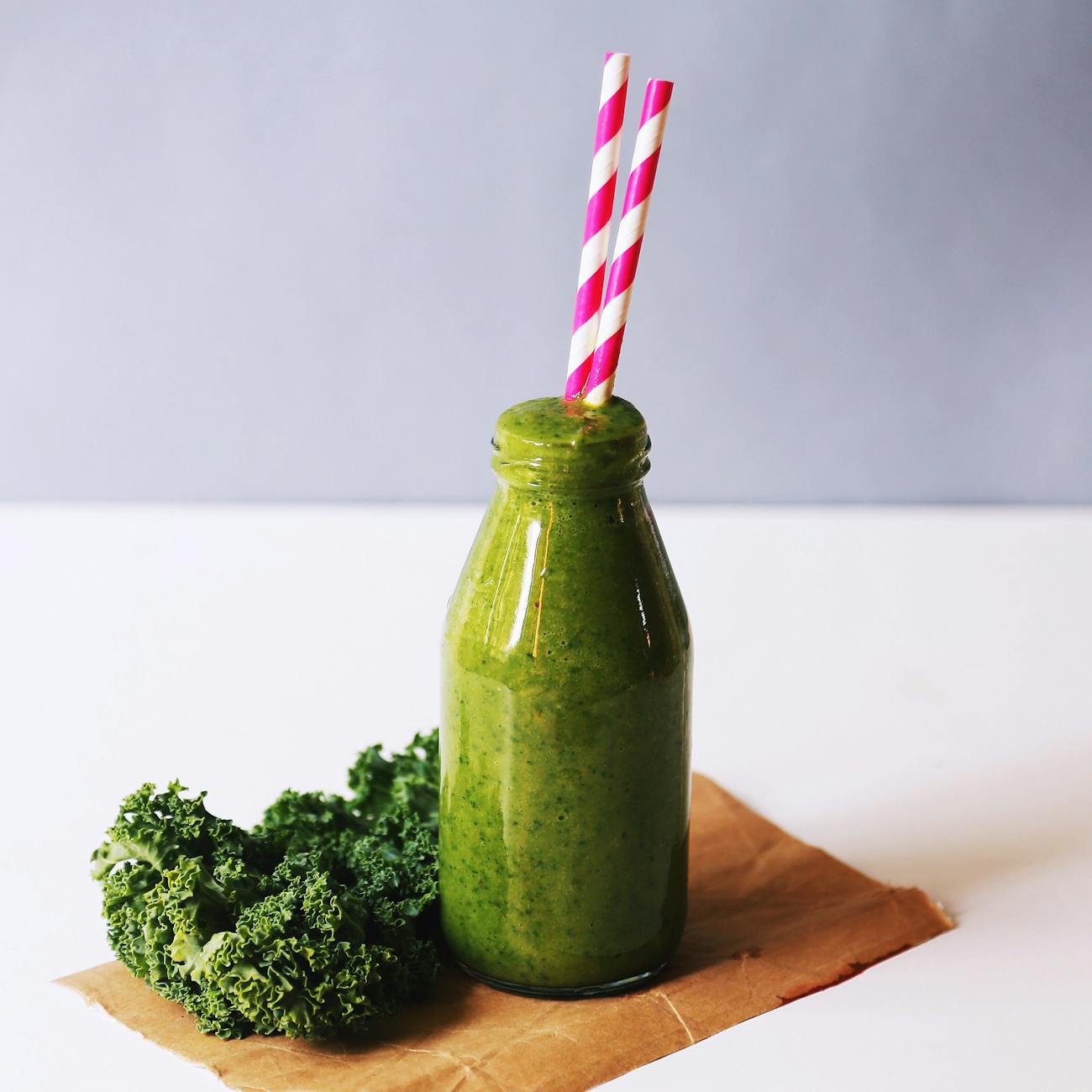
1. Maintain a Healthy Diet 🥗
A diet rich in fruits, vegetables, lean proteins, and whole grains supports liver function and overall health.
2. Stay Hydrated 💧
Drinking plenty of water helps the liver process toxins more efficiently. Aim for at least 8 glasses a day.
3. Exercise Regularly 🏋️
Regular physical activity helps reduce liver fat and promotes a healthy weight, lowering the risk of liver disease.
4. Limit Alcohol Intake 🍷
Excessive alcohol can severely damage the liver. If you drink, do so in moderation.
5. Avoid Toxins 🚫
Limit your exposure to harmful chemicals, such as those found in cleaning products and pesticides. Use protective gear when necessary.
Conclusion
Recognizing the early signs of liver disease can make all the difference in maintaining your health. By staying informed and proactive, you can take the necessary steps to support your liver and enjoy a healthier life. Remember, a happy liver leads to a happy body! 😊
FAQ
Q1: What are the most common early signs of liver disease?
A1: Common early signs include fatigue, jaundice, abdominal pain, dark urine, and unexplained weight loss.
Q2: How can I naturally support my liver health?
A2: You can support your liver by maintaining a healthy diet, staying hydrated, exercising regularly, and limiting alcohol intake.
Q3: When should I see a doctor about liver issues?
A3: If you notice symptoms like jaundice, persistent fatigue, or abdominal pain, it’s important to consult a healthcare professional promptly.
Q4: Can liver disease be reversed?
A4: Some liver conditions can be managed or even reversed with early detection and lifestyle changes, but severe cases may require medical intervention.
Q5: How often should I get my liver checked?
A5: Regular check-ups are essential. Discuss with your doctor how often you should have liver function tests based on your health and family history.
Share this content:
Discover more from J and J Health
Subscribe to get the latest posts sent to your email.