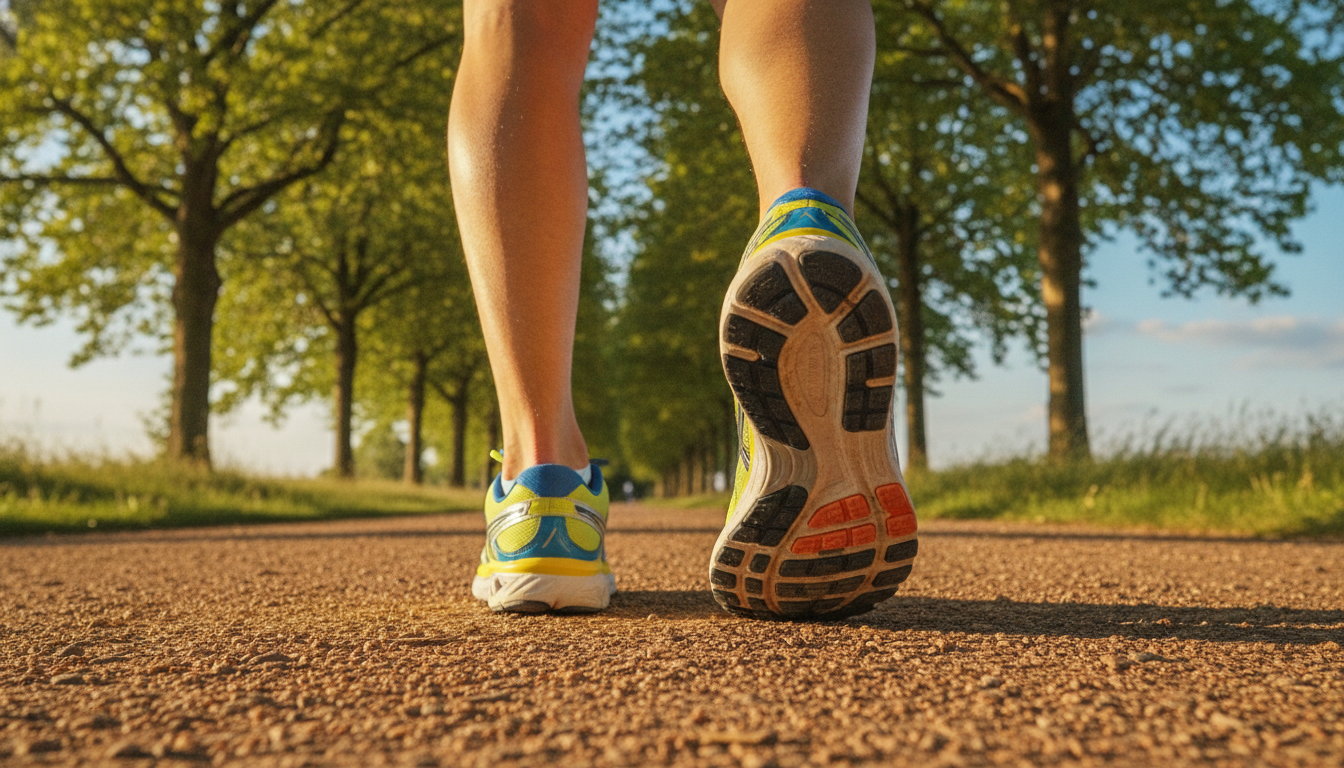
Step Into a Healthier You: The Ultimate Guide to Walking for Weight Loss
Forget complicated gym routines and restrictive diets. Discover the simple, effective, and accessible power of walking to achieve your weight loss goals and transform your health.

Why Walking is a Weight Loss Powerhouse
In a world saturated with high-intensity workout fads and complex diet plans, the humble act of walking is often overlooked. Yet, it remains one of the most effective, sustainable, and accessible forms of exercise for weight loss. It doesn't require a gym membership, expensive equipment, or a steep learning curve. It simply requires you to put one foot in front of the other. But how does something so simple yield such powerful results? The magic lies in its consistency and its holistic impact on your body.Low Impact, High Reward
Unlike running or plyometrics, walking is a low-impact activity, which means it’s gentle on your joints—your knees, hips, and ankles will thank you. This is a crucial advantage, especially for beginners, individuals with a significant amount of weight to lose, or those with pre-existing joint issues. The reduced risk of injury means you can stick with your routine consistently, and consistency is the undisputed king of long-term weight loss success.The Calorie-Burning Engine
At its core, weight loss is about creating a calorie deficit—burning more calories than you consume. Walking is a fantastic tool for this. A 155-pound person walking at a moderate pace of 3.5 mph can burn approximately 150 calories in 30 minutes. While that may not sound like a huge number, it adds up. A daily 30-minute walk amounts to over 1,000 calories burned per week, leading to sustainable weight loss over time without drastic dietary changes.Walking is more than just burning calories; it’s about improving your body's overall metabolic health. It helps reduce overall body fat, particularly the dangerous visceral fat that surrounds your organs.This visceral fat is a major concern, as it's metabolically active and linked to a higher risk of serious health problems like heart disease and type 2 diabetes. Consistent walking has been shown to be particularly effective at targeting this area. To learn more about this hidden health risk, you can read our in-depth article on the hidden dangers of visceral belly fat.
Improving Insulin Sensitivity
Beyond the direct calorie burn, walking significantly improves how your body uses insulin. Regular physical activity helps your muscles use glucose more efficiently, reducing the burden on your pancreas. Better insulin sensitivity is a cornerstone of weight management, as it helps prevent the blood sugar spikes and crashes that can lead to cravings and fat storage.
Getting Started: Your First Steps to Success
Embarking on a walking routine is exciting, but a little preparation goes a long way in ensuring your journey is comfortable, safe, and sustainable. Here’s how to set yourself up for success from day one.- Invest in Your Feet: You don't need fancy gear, but a good pair of shoes is non-negotiable. Look for walking-specific sneakers that offer excellent arch support, cushioning, and a comfortable fit. The right shoes will prevent blisters, shin splints, and other discomforts that can quickly demotivate you.
- Start Small, Build Momentum: It's tempting to go all-out, but starting slow is the key to longevity. Begin with a manageable goal, like a 15-20 minute walk, 3-4 times per week. As you feel your fitness and stamina improve, you can gradually increase the duration and frequency. The goal is to build a habit, not to burn yourself out.
- Warm-Up and Cool-Down Are Crucial: Never jump straight into a brisk walk from a standstill. Always begin with a 5-minute warm-up of slow-paced walking to get your blood flowing and prepare your muscles. Similarly, end every walk with a 5-minute cool-down, gradually slowing your pace and finishing with some gentle stretches for your calves, hamstrings, and quadriceps. This aids recovery and improves flexibility.
- Find Your Path: Your walking environment matters. Choose a route that is safe, well-lit, and enjoyable. This could be a scenic park, a quiet neighborhood, a local track, or even a treadmill at home or the gym. A pleasant route makes the experience something to look forward to rather than a chore.
Crafting Your Weekly Walking Plan
Once you're comfortable with the basics, it's time to create a structured plan. A well-designed routine will keep you challenged, prevent plateaus, and ensure you're meeting recommended activity levels for health benefits. The general recommendation from health organizations is to aim for at least 150 minutes of moderate-intensity aerobic activity per week. For walking, this translates to 30 minutes, five days a week. This is a fantastic baseline for both weight loss and cardiovascular health.Your Sample Weekly Walking Schedule
This is a balanced plan for a beginner aiming for the 150-minute weekly goal. Adjust durations based on your fitness level.- Monday: 30-minute moderate pace walk.
- Tuesday: Rest or light activity (e.g., stretching).
- Wednesday: 35-minute walk with some gentle hills.
- Thursday: 20-minute brisk pace walk (interval training).
- Friday: Rest or light activity.
- Saturday: 60-minute long, steady pace walk.
- Sunday: Rest.

How to Maximize Your Calorie Burn
Once walking becomes a regular habit, you can incorporate techniques to increase the intensity and accelerate your weight loss results. These strategies challenge your body in new ways, helping you break through plateaus and boost your metabolism.Pick Up the Pace
The most straightforward way to burn more calories is to walk faster. Aim for a "brisk" pace, which is typically around 3.5 to 4.5 mph. A good rule of thumb is the "talk test": you should be able to hold a conversation, but you shouldn't have enough breath to sing a song. This level of intensity elevates your heart rate into the fat-burning zone.Conquer the Hills
Introducing inclines is a game-changer. Walking uphill engages your glutes, hamstrings, and quads more intensely, acting as a form of resistance training. It dramatically increases your heart rate and calorie expenditure. In fact, walking on an incline can increase your calorie burn by up to 50% compared to walking on a flat surface. If you don't have access to hills, use the incline feature on a treadmill.Embrace Interval Training
Interval walking, a form of High-Intensity Interval Training (HIIT), is incredibly effective for fat loss. It involves alternating between short bursts of high-intensity effort and periods of lower-intensity recovery. For example, you could walk at a moderate pace for 3 minutes, then power-walk or jog for 1 minute, and repeat this cycle for 20-30 minutes. This method torches calories and can boost your metabolism for hours after your workout is over. For a deeper dive, explore our guide on how to implement interval training for fitness. These techniques not only burn more calories during the walk but also contribute to a stronger metabolism over time. If you're curious about the science, you can learn more about if it's possible to speed up your metabolism in our detailed article.The Mental and Physical Perks Beyond Weight Loss
While weight loss is a primary motivator for many, the benefits of a daily walking habit extend far beyond the numbers on the scale. Embracing walking enriches your life in numerous ways, contributing to a profound sense of overall well-being.- Stress Reduction & Mood Enhancement: A walk, especially in nature, is a powerful antidote to stress. The rhythmic motion is meditative, and the release of endorphins creates a natural mood lift, helping to alleviate symptoms of anxiety and depression.
- Improved Cardiovascular Health: Regular brisk walking strengthens your heart, lowers blood pressure, and improves circulation. It's a proven strategy for reducing the risk of heart disease and stroke.
- Enhanced Brain Function: Walking increases blood flow to the brain, which can boost creativity, improve memory, and sharpen problem-solving skills. The neurological benefits are significant, as detailed in our post on what happens to your brain on exercise.
- Increased Energy Levels: It might seem counterintuitive, but expending energy through a walk actually boosts your overall energy levels. It improves circulation and oxygen supply to your cells, fighting fatigue more effectively than a cup of coffee.
- Better Sleep Quality: Regular physical activity helps regulate your sleep-wake cycle, allowing you to fall asleep faster and enjoy deeper, more restorative sleep.
Ready to Start Your Journey?
Walking for weight loss is not a quick fix; it's a lifestyle change. It's about building a sustainable habit that not only helps you reach your goal weight but also enhances every aspect of your physical and mental health. It’s a journey of a thousand miles that truly begins with a single, intentional step. The path to a healthier, happier you is right outside your door. You don't need to wait for the perfect moment, the perfect gear, or the perfect weather. All you need to do is decide. Put on your shoes, open the door, and start walking today. Your future self will be profoundly grateful.Share this content:
Discover more from J and J Health
Subscribe to get the latest posts sent to your email.