Understanding Marfan Syndrome: A Comprehensive Guide
The human body is an incredibly complex network of cells, organs, and bones, all held together by a vital biological framework known as connective tissue. But what happens when the very glue that holds our bodies together is compromised from birth? This is the reality for individuals living with Marfan syndrome, a rare but significant genetic disorder.
In this comprehensive guide, we will explore the intricacies of Marfan syndrome, shedding light on the causes, the widespread symptoms, and the advanced management strategies that allow individuals with this condition to lead long, fulfilling lives. Whether you are seeking information for yourself, a loved one, or simply looking to expand your medical knowledge, understanding this condition is the first step toward effective management and care.

What Exactly is Marfan Syndrome?
At its core, Marfan syndrome is a genetic disorder that directly impacts the body's connective tissue. To understand the syndrome, one must first understand the role of connective tissue. It is far more than just a biological filler; it is a vital structural component that provides strength, support, and elasticity to blood vessels, bones, joints, and organs. It essentially acts as the scaffolding of the human body.
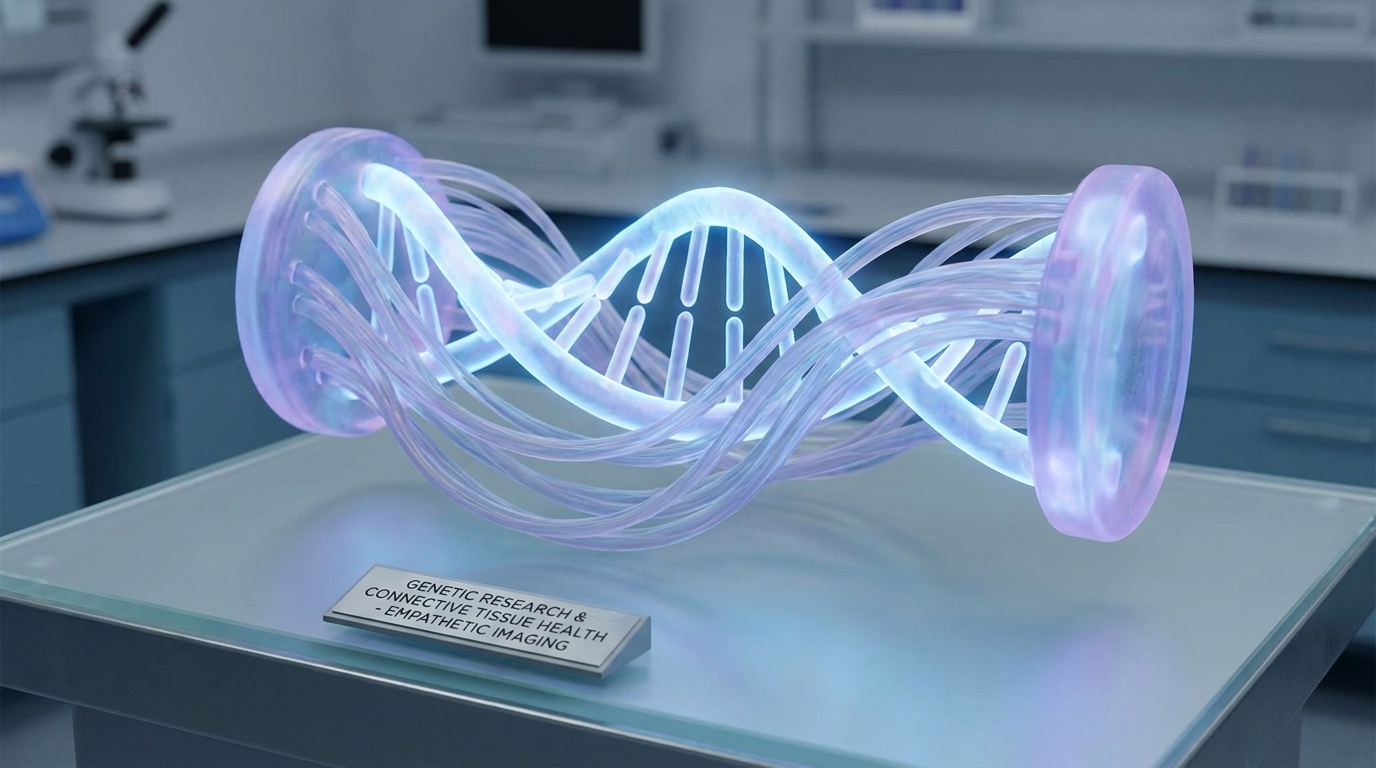
The root cause of Marfan syndrome lies deep within our DNA. It is caused by a mutation in the FBN1 gene. This specific gene is responsible for instructing the body on how to produce a crucial protein called fibrillin-1. Fibrillin-1 binds with other proteins to form threadlike filaments called microfibrils, which become part of the connective tissue. When the FBN1 gene is mutated, the body's ability to produce highly functional fibrillin-1 is severely limited.
"Because connective tissue is found throughout the entire body, a deficiency in fibrillin-1 means that Marfan syndrome can manifest in almost any bodily system, making it a truly systemic condition."
Furthermore, this defect causes an overgrowth of a protein called transforming growth factor-beta (TGF-β). The excess of TGF-β leads to problems in connective tissues throughout the body, which in turn creates the features and medical problems associated with Marfan syndrome and some related disorders.
Genetically speaking, the condition is usually inherited as an autosomal dominant trait. This means that a person only needs to inherit one copy of the mutated gene from one parent to develop the syndrome. Consequently, there is a 50 percent chance that a person with Marfan syndrome will pass along the genetic mutation to each of their children. However, it is also important to note that in about 25 percent of cases, the mutation occurs spontaneously, meaning the patient is the first in their family to have the disorder.
Marfan syndrome is driven by an FBN1 gene mutation affecting fibrillin-1 production. While it is predominantly inherited (autosomal dominant), 1 in 4 cases result from a spontaneous, new genetic mutation with no prior family history.
Recognizing the Common Signs and Symptoms
Because connective tissue is ubiquitous in the human body, the symptoms of Marfan syndrome can vary wildly from person to person, even within the same family. Some individuals experience only mild effects, while others develop life-threatening complications. The symptoms generally progress and become more noticeable as an individual ages.
Physical and Skeletal Features
The most visible signs of Marfan syndrome are often skeletal. Individuals with the condition frequently have a distinct physical appearance characterized by a tall and slender build. Their arms, legs, and fingers may be disproportionately long compared to the rest of their body—a condition medically referred to as arachnodactyly.
Other common skeletal abnormalities include a breastbone that either protrudes outward (pectus carinatum) or dips inward (pectus excavatum). The spine may develop an abnormal curve, known as scoliosis, which can range from mild to severe. Additionally, highly flexible joints and flat feet are common, often leading to chronic joint fatigue and discomfort. For those dealing with the physical discomfort associated with these skeletal issues, exploring effective medication-free pain relief strategies can be an excellent way to manage daily aches and improve mobility safely.
Cardiovascular Complications
While skeletal features are the most visible, cardiovascular complications are by far the most serious and potentially life-threatening aspect of Marfan syndrome. The connective tissue defect weakens the walls of the blood vessels, particularly the aorta, which is the large artery that carries oxygen-rich blood from the heart to the rest of the body.
- Aortic Dilation: The pressure of blood leaving the heart can cause the wall of the weakened aorta to bulge out, like a weak spot in a tire. This is known as an aortic aneurysm.
- Aortic Dissection: If the aorta becomes too enlarged, it can tear, allowing blood to leak between the layers of the vessel wall. This catastrophic event requires immediate emergency surgery.
- Valve Malformations: Mitral valve prolapse is highly common, where the valve between the left chambers of the heart doesn't close properly, leading to a heart murmur, irregular heartbeats, or profound fatigue.

Ocular (Eye) Issues
Ocular problems are highly prevalent among those diagnosed with Marfan syndrome. The most defining eye condition associated with the disorder is ectopia lentis, or a dislocated lens in one or both eyes. Because the tiny connective tissue fibers that hold the eye's lens in place are weak, the lens can shift out of its normal position, severely impacting vision.
Patients also frequently suffer from extreme nearsightedness (myopia), astigmatism, and an increased risk of early-onset cataracts and glaucoma. Routine eye exams are critical. If you frequently experience eye strain or wake up with irritation, understanding why your eyes are red when you wake up can help you differentiate between normal fatigue and potential underlying ocular issues that require an ophthalmologist's attention.
How is Marfan Syndrome Diagnosed?
Diagnosing Marfan syndrome can be complex. Because the symptoms mirror other connective tissue disorders (like Ehlers-Danlos syndrome or Loeys-Dietz syndrome), a careful, comprehensive medical evaluation is required. Diagnosis almost always involves a multidisciplinary approach, bringing together the expertise of a geneticist, a cardiologist, an ophthalmologist, and an orthopedist.
The Ghent Criteria
Medical professionals typically rely on a specialized set of diagnostic guidelines known as the Ghent criteria. This scoring system evaluates a combination of major and minor clinical features across different body systems, alongside a detailed family history. To receive a confirmed diagnosis, a patient must meet a specific threshold of these criteria, ensuring that the diagnosis is both accurate and distinct from similar conditions.
Essential Diagnostic Tools
To satisfy the Ghent criteria and monitor the patient's health, several diagnostic tests are standard protocol:
- Echocardiogram: This non-invasive ultrasound of the heart is perhaps the most crucial diagnostic tool. It allows cardiologists to measure the exact size of the aorta, check the functionality of the heart valves, and detect any dangerous dilations early on.
- Slit-Lamp Eye Exam: An ophthalmologist will use a specialized microscope to check for lens dislocation, cataracts, or a detached retina.
- Genetic Testing: A simple blood test can conclusively confirm the presence of the FBN1 gene mutation. Genetic testing is especially helpful when clinical signs are ambiguous, for confirming a diagnosis in young children whose symptoms haven't fully developed, or for family planning purposes.
Because cardiovascular complications can be fatal if left unmonitored, early diagnosis is life-saving. Identifying the syndrome early allows doctors to establish a baseline for the aorta's size and begin preventative treatments immediately.
Treatment and Daily Management Strategies
While there is currently no cure for Marfan syndrome, advancements in medical science have drastically improved the prognosis. Just a few decades ago, the life expectancy for someone with Marfan syndrome was significantly reduced. Today, with proper treatment and daily management strategies, most individuals can expect to live a normal lifespan. The primary goal of treatment is to prevent severe complications and improve the patient's overall quality of life.

Medical and Surgical Interventions
Protecting the aorta is the cornerstone of Marfan syndrome management. Doctors commonly prescribe blood pressure-lowering medications, specifically beta-blockers or angiotensin receptor blockers (ARBs). These medications reduce the force of the heartbeat and lower blood pressure, thereby decreasing the mechanical stress placed on the fragile walls of the aorta.
Routine cardiovascular monitoring—usually via an annual or semi-annual echocardiogram—is absolutely essential. If the aorta reaches a dangerous diameter (typically around 4.5 to 5 centimeters), preventative surgical intervention is often required. Surgeons will perform an operation to replace the enlarged portion of the aorta with a synthetic tube, sometimes replacing the aortic valve as well. This highly successful surgery drastically reduces the risk of a fatal aortic dissection.
Lifestyle Modifications and Holistic Health
Beyond medical interventions, lifestyle modifications play a critical role in daily management. Individuals with Marfan syndrome are strongly advised to avoid high-intensity contact sports (like football or hockey), competitive athletics, and heavy weightlifting. These activities place sudden, severe stress on the cardiovascular system and the vulnerable skeletal structure. Instead, low-impact exercises like brisk walking, leisurely cycling, or swimming are highly encouraged to maintain cardiovascular fitness without undue risk.
Nutrition also plays a supportive role in overall wellness. Maintaining a balanced diet helps manage blood pressure and supports joint health. For those looking to optimize their dietary habits, exploring the complete guide to nutrition basics can provide excellent foundational knowledge for fueling your body right and supporting connective tissue health.
Finally, the psychological impact of living with a chronic genetic condition should not be underestimated. Anxiety regarding heart health and upcoming medical scans is common. Incorporating simple exercises for natural stress and anxiety relief into a daily routine can profoundly improve a patient's mental well-being, keeping stress hormones low and further protecting the heart.
Take Control of Your Health Journey
Marfan syndrome is a complex, multi-systemic disorder that requires lifelong monitoring, but a diagnosis is no longer the daunting prognosis it once was. With ongoing advancements in cardiovascular surgery, genetic testing, and preventative medications, individuals living with this condition are thriving. Education, awareness, and proactive medical care are the ultimate tools in managing connective tissue disorders.
If you are looking to optimize your overall well-being, whether you are managing a chronic condition or simply striving for a healthier lifestyle, we highly recommend checking out The Complete Health Guide for 2026: How to Feel Your Best Every Day. Staying informed is the best way to advocate for your own health.
If you suspect you or a loved one may be exhibiting signs of Marfan syndrome—such as disproportionately long limbs, unexplained joint pain, or a family history of heart issues—do not wait. Consult a healthcare professional or a genetic counselor today for a proper evaluation and to begin building your personalized care plan.
Share this content:
Discover more from J and J Health
Subscribe to get the latest posts sent to your email.