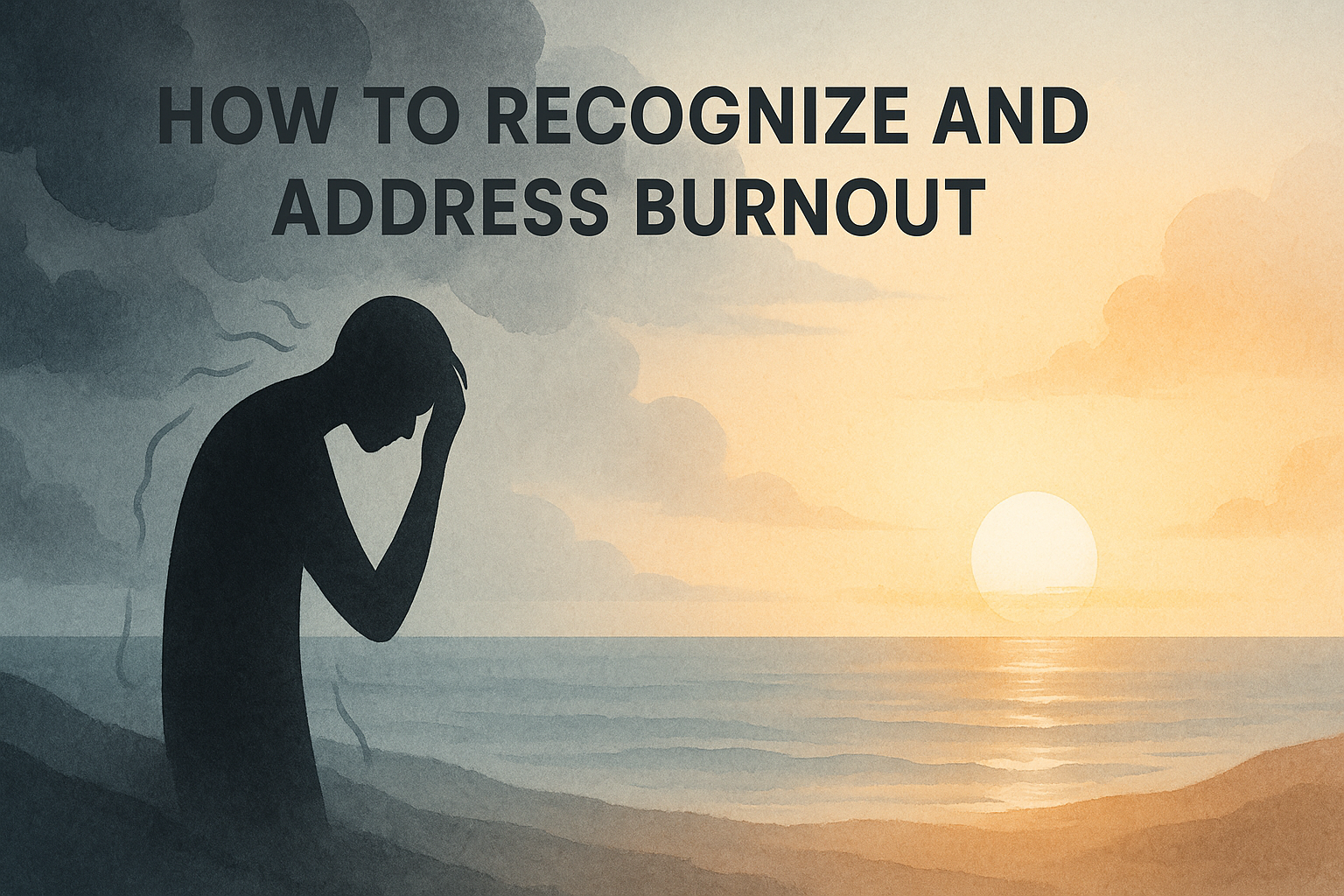
How to Recognize and Address Burnout
In today’s fast-paced world, it’s easy to find ourselves overwhelmed by the demands of work, family, and life in general. While a little stress can be a motivator, too much can lead to burnout—a state of emotional, physical, and mental exhaustion caused by excessive and prolonged stress. Recognizing and addressing burnout is crucial for maintaining our well-being and productivity. In this post, we’ll explore how to identify the signs of burnout and discuss effective strategies for overcoming it.
What is Burnout?
Burnout is not just a buzzword; it’s a legitimate condition that affects millions of people worldwide. It often occurs when you’re overwhelmed, emotionally drained, and unable to meet constant demands. As the stress continues, you begin to lose the interest and motivation that once fueled you. Eventually, you may feel like you have nothing more to give, leading to decreased performance and a decline in overall quality of life.

Signs and Symptoms of Burnout
Burnout can manifest in various ways, and it’s essential to recognize its signs early on. Here are some common symptoms:
1. Emotional Exhaustion
The feeling of being drained and unable to cope with everyday tasks is a significant indicator of burnout. You might feel cynical about your work or life in general and struggle to find joy in activities that once brought you happiness.

2. Reduced Performance
Burnout often leads to decreased productivity and a lack of concentration. You may find yourself procrastinating, taking longer to complete tasks, or making more mistakes than usual.
3. Detachment
You might start to withdraw from social interactions and feel disconnected from your surroundings. This detachment can affect personal relationships and lead to feelings of isolation.
4. Physical Symptoms
Burnout doesn’t only affect your mental state; it can also manifest physically. Symptoms like headaches, stomachaches, or changes in appetite and sleep patterns are common.
Causes of Burnout
Understanding the causes of burnout can help in addressing it effectively. While it can stem from various sources, some common causes include:
1. Work Overload
Consistently working long hours without breaks can lead to exhaustion and stress. Unrealistic expectations and a lack of control over your work can exacerbate these feelings.
2. Lack of Support
A lack of support from colleagues, friends, or family can make you feel isolated and overwhelmed. Feeling like you have no one to turn to can intensify stress and burnout.
3. Perfectionism
Setting overly high standards for yourself can lead to constant self-criticism and fear of failure, contributing to burnout over time.
How to Address Burnout
Recognizing burnout is the first step; the next is to take action to address it. Here are some strategies to help you recover:
1. Practice Self-Care
Prioritize activities that nourish your body and mind. This could include exercise, meditation, or simply taking time for hobbies that bring you joy. Remember, self-care is not a luxury—it’s a necessity.
2. Set Boundaries
Learn to say no and set limits on your workload. It’s okay to prioritize your well-being over others’ expectations. Ensure you have time for relaxation and personal interests.
3. Seek Support
Don’t hesitate to reach out to friends, family, or professionals for support. Sharing your feelings with someone you trust can provide relief and new perspectives on managing stress.
4. Reevaluate Your Goals
Take a step back to assess whether your goals are realistic. Adjusting your expectations can help you find a more sustainable balance between ambition and well-being.
Conclusion
Burnout is a serious issue that can significantly impact your quality of life. By recognizing the signs early and taking proactive steps to address the root causes, you can regain control and restore a sense of balance. Remember, it’s crucial to prioritize your well-being and make time for the things that truly matter. By doing so, you can build resilience against stress and lead a more fulfilling life.
Free Stuff!
Add CTA sections description.
Share this content:
Discover more from J and J Health
Subscribe to get the latest posts sent to your email.