How Much Protein Do You Really Need? A Science-Backed Daily Guide
Tired of conflicting advice? Let's cut through the noise and figure out exactly how much protein your body needs to thrive, build muscle, and feel its best. From gym enthusiasts to those simply seeking better health, understanding your personal protein target is a game-changer.

Why Protein is the Body's Ultimate Building Block
Before we can determine how much protein you need, it's crucial to understand why you need it. Protein isn't just for bodybuilders; it's a fundamental macronutrient essential for every single person. Think of it as the master construction material for your body, responsible for building and repairing virtually everything. Composed of smaller units called amino acids, protein is the primary component of your muscles, skin, hair, and nails. But its role goes far deeper. These amino acids are critical for producing enzymes that facilitate chemical reactions, hormones that regulate bodily functions, and antibodies that power your immune system. Unlike carbohydrates and fats, your body doesn't have a large reservoir for storing protein. This means a consistent, daily supply from your diet is non-negotiable for optimal health. Furthermore, protein plays a significant role in satiety—the feeling of fullness. A protein-rich meal helps keep hunger at bay for longer, which can be a powerful tool for weight management. This is why many successful weight loss strategies, like those aimed at reducing belly fat, often emphasize adequate protein intake. For more on this, you might find our guide on optimizing protein intake for weight loss particularly useful.The Baseline: Understanding the Recommended Dietary Allowance (RDA)
If you've ever looked up protein recommendations, you've likely encountered the term "RDA," or Recommended Dietary Allowance. The current RDA for protein is set at 0.8 grams of protein per kilogram of body weight (or about 0.36 grams per pound). For a 150-pound (68kg) person, this translates to about 54 grams of protein per day. It’s a straightforward calculation, but it comes with a major caveat.The RDA should be seen as the absolute minimum amount needed to prevent protein deficiency in the average, sedentary adult. It is not necessarily the optimal amount for active individuals, older adults, or those with specific fitness goals.Viewing the RDA as a one-size-fits-all prescription is a common mistake. It doesn't account for the increased demands of exercise, the need to preserve muscle mass as we age, or the metabolic benefits of a higher protein diet during weight loss. It's a starting point, not the final destination.
How to Calculate Your Personalized Protein Target
So, how do you move beyond the baseline RDA to find a number that truly works for you? Your ideal protein intake depends heavily on your lifestyle and goals. Let's break it down into a few key categories.
For General Health & Moderately Active Individuals
If you exercise regularly (e.g., 3-5 days a week with a mix of cardio and strength training), your body needs more protein to repair the muscle fibers broken down during workouts and to adapt and grow stronger. For this group, a range of 1.2 to 1.7 grams of protein per kilogram of body weight is widely recommended by sports nutrition experts.For Muscle Gain & Serious Athletes
For those whose primary goal is to build significant muscle mass (hypertrophy) or for competitive athletes, protein needs are at their highest. To maximize muscle protein synthesis—the process of building new muscle—an intake of 1.6 to 2.2 grams of protein per kilogram of body weight is often the target. This higher intake ensures a positive nitrogen balance, creating an anabolic environment conducive to muscle growth. It's important to remember that protein is just one piece of the puzzle. As we explore in our article on mastering the other 90% of fitness, nutrition, training, and recovery must all work in harmony.For Weight Management & Fat Loss
When you're in a calorie deficit to lose weight, a higher protein intake becomes incredibly strategic. It serves two main purposes: it helps preserve your lean muscle mass, ensuring you're primarily losing fat, and it significantly increases satiety, making it easier to stick to your calorie goals. For weight loss, a range of 1.6 to 2.2 grams per kilogram can be highly effective.Your Quick Protein Calculation Guide
Follow these steps to find your daily target:- Find Your Weight in Kilograms: Your weight in pounds / 2.2 = Your weight in kg.
- Choose Your Activity Multiplier:
- Sedentary: 0.8 g/kg
- Active/General Fitness: 1.2 - 1.7 g/kg
- Muscle Gain/Athlete: 1.6 - 2.2 g/kg
- Weight Loss: 1.6 - 2.2 g/kg
- Calculate Your Daily Goal: (Your weight in kg) x (Your activity multiplier) = Your daily protein target in grams.
Top Tier Protein Sources for Your Diet
Hitting your protein target is much easier when you know where to find high-quality sources. A balanced diet should include a variety of proteins to ensure you're getting a full spectrum of essential amino acids.
Complete Animal-Based Proteins
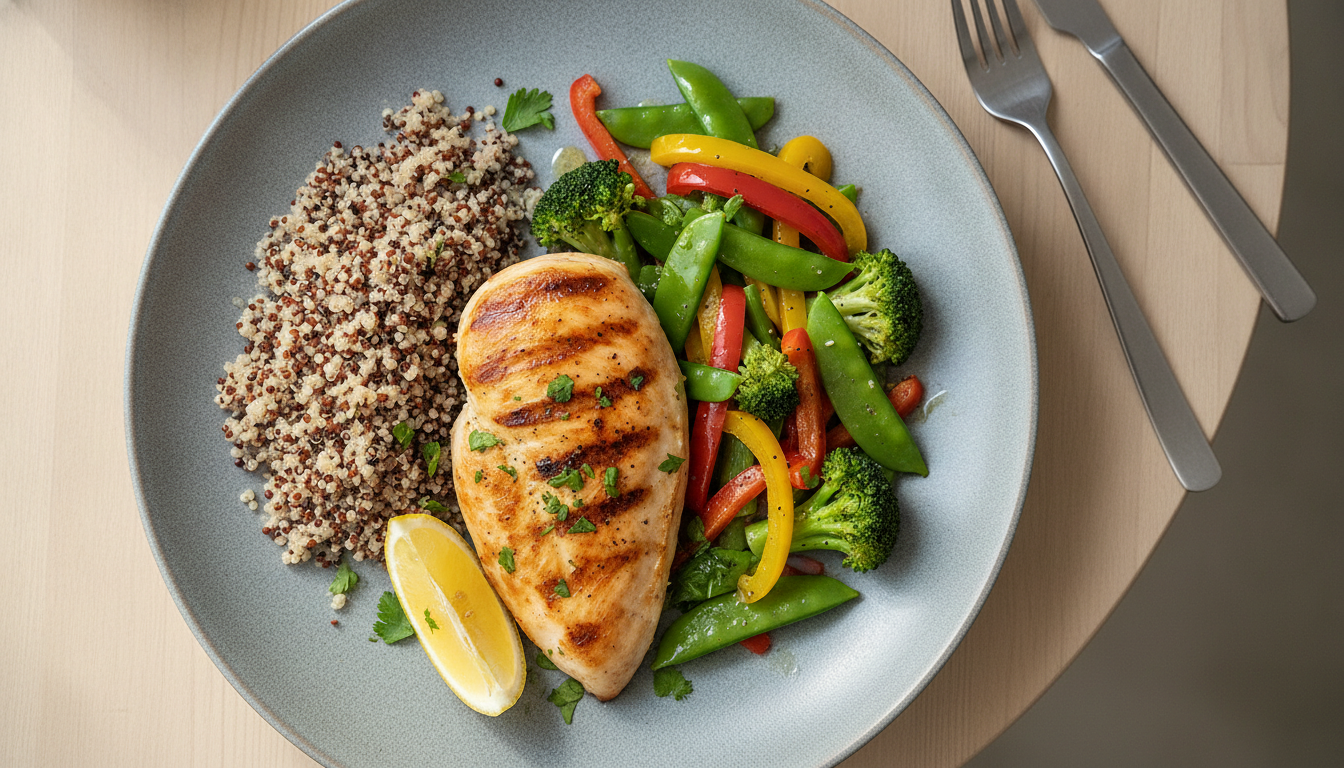
These sources are considered "complete" because they contain all nine essential amino acids your body cannot produce on its own.- Lean Meats: Chicken breast, turkey breast, lean cuts of beef and pork.
- Fish & Seafood: Salmon, tuna, cod, shrimp, and sardines are excellent choices, also rich in omega-3 fatty acids.
- Eggs: A nutritional powerhouse, often called the "perfect protein."
- Dairy: Greek yogurt, cottage cheese, and milk are fantastic, casein-rich options.
Powerful Plant-Based Proteins
Following a plant-based diet doesn't mean you have to miss out. Combining different plant sources can provide all the necessary amino acids.- Legumes: Lentils, chickpeas, black beans, and edamame are staples.
- Soy Products: Tofu, tempeh, and edamame are complete protein sources.
- Nuts & Seeds: Almonds, peanuts, chia seeds, and hemp seeds add a protein punch. In fact, there are many science-backed reasons why almonds are great for you.
- Whole Grains: Quinoa is a standout as a complete protein, while oats and brown rice also contribute.
Signs You Might Not Be Getting Enough Protein
Your body has subtle (and sometimes not-so-subtle) ways of telling you it needs more protein. Being aware of these signs can help you adjust your diet before minor issues become more significant.- Persistent Fatigue: If you're constantly feeling sluggish, it might not just be a lack of sleep. Protein is vital for energy and blood sugar regulation. A deficiency can lead to fatigue and weakness, a topic we cover in our post on natural energy boosters.
- Slow Workout Recovery: Are you excessively sore for days after a workout? This could be a sign that your muscles aren't getting the building blocks they need to repair and rebuild effectively.
- Increased Hunger & Cravings: Since protein is so satiating, a low-protein diet can leave you feeling hungry shortly after eating, often leading to cravings for high-sugar or high-fat foods.
- Weakened Hair, Skin, and Nails: Since protein is a primary component of these tissues, a long-term deficiency can manifest as brittle nails, thinning hair, or dry, flaky skin.
- Getting Sick Often: Your immune system relies on proteins to create antibodies. If you're catching every cold that goes around, insufficient protein could be a contributing factor.
Start Fueling Your Body Right
Understanding your personal protein needs is the first, most crucial step toward optimizing your health, performance, and body composition. It's not about blindly following a trend; it's about providing your body with the essential resources it requires to function at its best. Now that you have the tools to calculate your target, the next step is action. Take a look at your current diet. Are you incorporating a quality protein source with each meal? A little planning can go a long way. By focusing on hitting your daily protein goal, you're investing in stronger muscles, better recovery, improved satiety, and overall vitality. Your body will thank you for it.Share this content:
Discover more from J and J Health
Subscribe to get the latest posts sent to your email.