Unlock Better Circulation: Your Ultimate Guide to Compression Socks

Once relegated to the world of medical recovery, compression socks have burst into the mainstream as a powerful tool for wellness, performance, and everyday comfort. From elite athletes and frequent flyers to healthcare professionals and office workers, a growing number of people are discovering the profound benefits of these specialized garments. But what exactly are they, how do they work, and how can you find the right pair for your needs? This comprehensive guide will walk you through everything you need to know to harness the power of compression and put a spring back in your step.
The Science of Squeeze: How Compression Socks Actually Work
At its core, the concept behind compression socks is elegantly simple: they apply gentle, consistent pressure to your legs to support your circulatory system. However, the real magic lies in their design. These aren't just tight socks; they employ a sophisticated system called graduated compression.
This means the pressure is strongest at the ankle and gradually decreases as it moves up the leg. This intelligent design acts as a secondary pump for your circulatory system. It counteracts the effects of gravity, which can cause blood to pool in the lower extremities, especially when you're sitting or standing for long periods. By gently squeezing the leg tissues, the socks narrow the diameter of your veins. This increases the velocity and volume of blood flow, helping push deoxygenated blood and excess fluid from your legs back up to your heart more efficiently.
By improving venous return, graduated compression socks not only reduce swelling and aching but also help prevent the formation of blood clots, making them a crucial tool for both comfort and clinical prevention.
The result is a host of benefits: reduced swelling (edema), prevention of blood pooling, and a significant decrease in feelings of achiness, fatigue, and heaviness in the legs. For many, this enhanced blood flow is the key to ending the day feeling energized rather than exhausted. It also plays a vital role in reducing the risk of more serious circulatory issues, such as deep vein thrombosis (DVT), a condition where blood clots form in the deep veins of the leg.
More Than Just for Athletes: Who Benefits from Compression Socks?
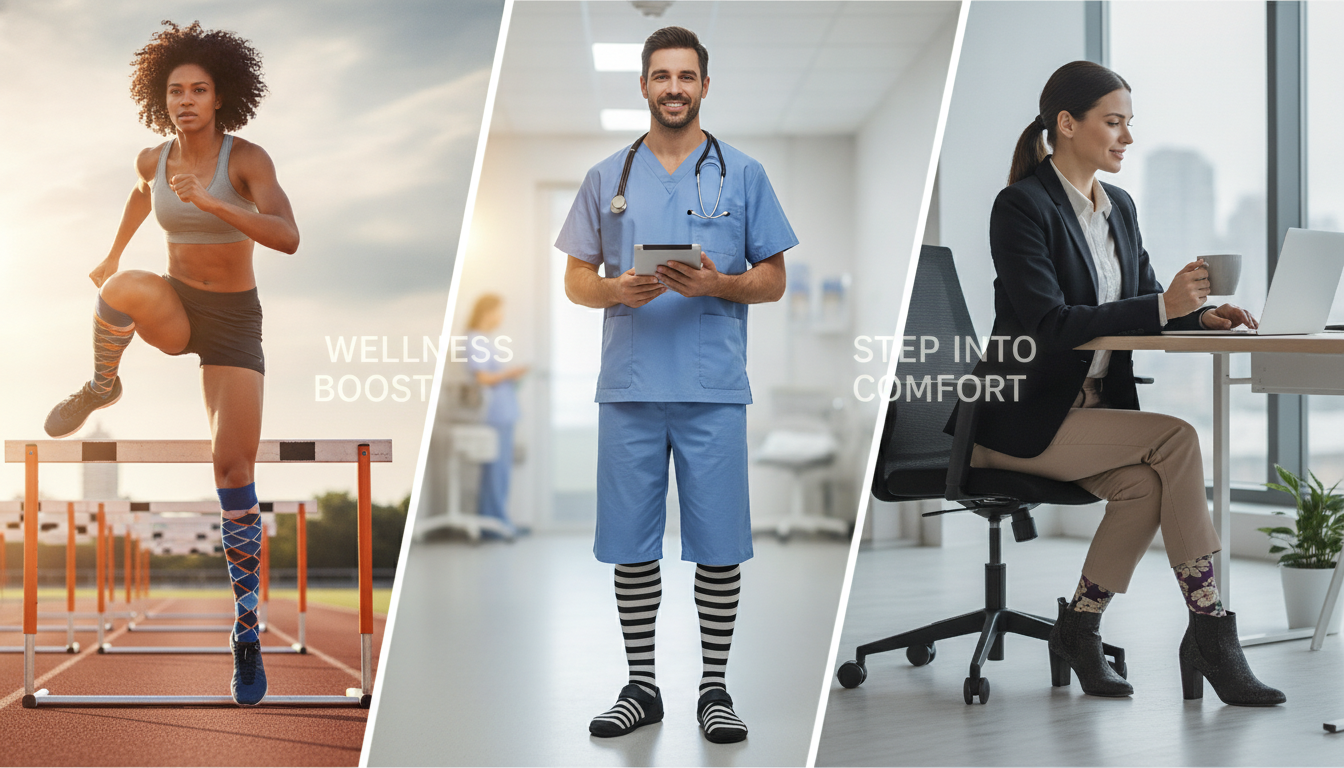
While compression gear is a common sight in the world of sports, its applications extend far beyond the running track or gym. A wide range of individuals can experience a dramatic improvement in their daily lives by incorporating compression socks into their wardrobe.

Athletes and Fitness Enthusiasts
For athletes, compression is a game-changer. During exercise, the socks can help improve oxygen delivery to working muscles, potentially enhancing performance and endurance. Post-workout, they are invaluable for recovery. By accelerating the removal of lactic acid and other metabolic waste products from muscle tissue, they can significantly reduce delayed onset muscle soreness (DOMS) and help athletes get back to training faster. This is part of the same principle that makes other recovery methods, like the science-backed benefits of cold plunges, so effective.
Frequent Travelers
Anyone who has endured a long-haul flight or an extended road trip is familiar with the tell-tale signs of "traveler's leg": swollen, stiff, and achy limbs. Prolonged sitting immobilizes the calf muscles, which normally help pump blood. Compression socks are the perfect antidote, keeping blood circulating and dramatically reducing the swelling and discomfort associated with travel. More importantly, they are a frontline defense against DVT, which poses a heightened risk during long periods of immobility.
Professionals on Their Feet
Nurses, teachers, retail workers, chefs, and anyone whose job requires standing for hours on end can attest to the toll it takes on their legs and feet. Gravity works against them all day, leading to fatigue, soreness, and swelling. Compression socks provide continuous support, alleviating these symptoms and helping prevent the long-term development of varicose veins and other venous disorders. They can be a lifesaver for avoiding the nightly discomfort of achy legs and painful foot cramps that often plague active professionals.
Pregnant Women
Pregnancy brings about significant physiological changes, including increased blood volume and pressure on the veins from the growing uterus. This often leads to significant swelling in the feet, ankles, and legs. Compression socks offer a safe, drug-free way to manage this edema, providing much-needed relief and comfort. They also help support the veins and can reduce the risk of developing varicose veins during pregnancy. If you're experiencing persistent swelling, it's always a good idea to understand the underlying issues by learning about what causes swollen feet and how to fix it.
Individuals with Medical Conditions
Doctors often prescribe or recommend compression therapy for a variety of medical reasons. Patients with varicose veins, lymphedema (chronic swelling), or chronic venous insufficiency rely on them to manage their symptoms. They are also a standard part of post-surgical recovery protocols, particularly after orthopedic or vein-related procedures, to prevent blood clots while the patient is less mobile.
Finding Your Perfect Pair: A Buyer's Guide
Choosing the right compression socks can seem daunting with so many options available. However, by focusing on four key factors—compression level, size, material, and style—you can easily find the perfect pair to meet your specific needs.
- Understand Compression Levels (mmHg): Compression is measured in millimeters of mercury (mmHg). The right level depends on your reason for wearing them.
- Mild (8-15 mmHg): Ideal for energizing tired, achy legs and for those who stand or sit for long periods. A great introductory level for general wellness.
- Moderate (15-20 mmHg): The most common level. Perfect for travel, sports recovery, managing minor swelling, and preventing varicose veins during pregnancy.
- Firm (20-30 mmHg) & Extra Firm (30-40 mmHg): These are considered medical-grade levels. They are typically used to treat moderate to severe medical conditions like lymphedema, DVT, and significant varicose veins, and should be worn under a doctor's recommendation.
- Get the Right Size and Fit: This is the most critical step. An ill-fitting sock won't be effective and can even be harmful. Do not rely on your shoe size alone. For knee-high socks, you need two key measurements: the circumference of your ankle at its narrowest point, and the circumference of your calf at its widest point. Compare these measurements to the brand's specific sizing chart to ensure a proper, effective fit.
- Select the Right Material: Modern compression socks come in a variety of fabrics. Nylon and spandex blends are common for their excellent elasticity and durability. Cotton offers softness and breathability, while merino wool is fantastic for temperature regulation and moisture-wicking, making it ideal for both hiking and everyday wear.
- Choose a Style and Length: The most common style is knee-high, which is sufficient for most users. However, options also include thigh-highs and full pantyhose for those who need support further up the leg. And forget the boring beige of the past—today's compression socks come in a vast array of colors, patterns, and designs to match any style.
Key to Success: Measure, Don't Guess!
The effectiveness of compression socks is entirely dependent on a correct fit. Always measure your ankle and calf circumference (preferably in the morning before swelling occurs) and consult the manufacturer's size chart. A sock that is too loose will provide no benefit, while one that is too tight can restrict circulation.
Tips for Wearing and Caring for Your Socks
To get the most out of your investment and ensure your socks remain effective, follow a few simple best practices for wear and care.
- Put Them On Early: The best time to put on your compression socks is first thing in the morning, right after you get out of bed. Your legs will have the least amount of swelling at this time, making the socks much easier to slide on.
- Ensure a Smooth Fit: Once on, run your hands over the socks to ensure the fabric is smooth against your skin. Any wrinkles or bunching can create pressure points and interfere with proper circulation. The top band should sit comfortably below the knee and should never be folded over.
- Follow Washing Instructions: To preserve the elasticity of the fibers, it's best to hand wash your socks in cool water with a mild detergent. If you must use a machine, place them in a mesh laundry bag and use the gentle cycle. Always air dry them; the high heat of a dryer will destroy the elastic fibers.
- Know When to Replace Them: With regular use, the elastic fibers will naturally degrade. To maintain their therapeutic pressure, plan on replacing your compression socks every 3-6 months. If they become easy to put on or start to feel loose, it's a clear sign that it's time for a new pair.
Ready to Step Into Comfort and Health?
Compression socks are far more than a medical device; they are a versatile wellness tool that can enhance comfort, boost athletic performance, and support long-term circulatory health. By understanding how they work and how to choose the right pair, you can effectively combat leg fatigue, reduce swelling, and protect your body from the strains of modern life. Don't let tired, achy legs hold you back any longer.

Explore a collection of high-quality compression socks and find the perfect pair to support your unique needs and active lifestyle. Your legs will thank you for it.
Share this content:
Discover more from J and J Health
Subscribe to get the latest posts sent to your email.