Ice, Ice, Baby: 7 Science-Backed Health Benefits of Cold Plunges
 From elite athletes seeking a competitive edge to wellness enthusiasts chasing peak performance, a growing movement is turning to a practice that seems, at first glance, like pure punishment: voluntarily submerging oneself in ice-cold water. But this isn't just about a dare or building bragging rights. The cold plunge, also known as cold water immersion (CWI), is a powerful biohacking tool with a surprising array of science-backed health benefits. It’s a practice that can transform your body and mind, building resilience from the inside out.
If you've ever wondered why people are so eager to embrace the chill, you're in the right place. We're diving deep into the icy waters to uncover how this ancient practice can supercharge your health, from your immune system to your mental state.
From elite athletes seeking a competitive edge to wellness enthusiasts chasing peak performance, a growing movement is turning to a practice that seems, at first glance, like pure punishment: voluntarily submerging oneself in ice-cold water. But this isn't just about a dare or building bragging rights. The cold plunge, also known as cold water immersion (CWI), is a powerful biohacking tool with a surprising array of science-backed health benefits. It’s a practice that can transform your body and mind, building resilience from the inside out.
If you've ever wondered why people are so eager to embrace the chill, you're in the right place. We're diving deep into the icy waters to uncover how this ancient practice can supercharge your health, from your immune system to your mental state.
What Exactly Is a Cold Plunge?
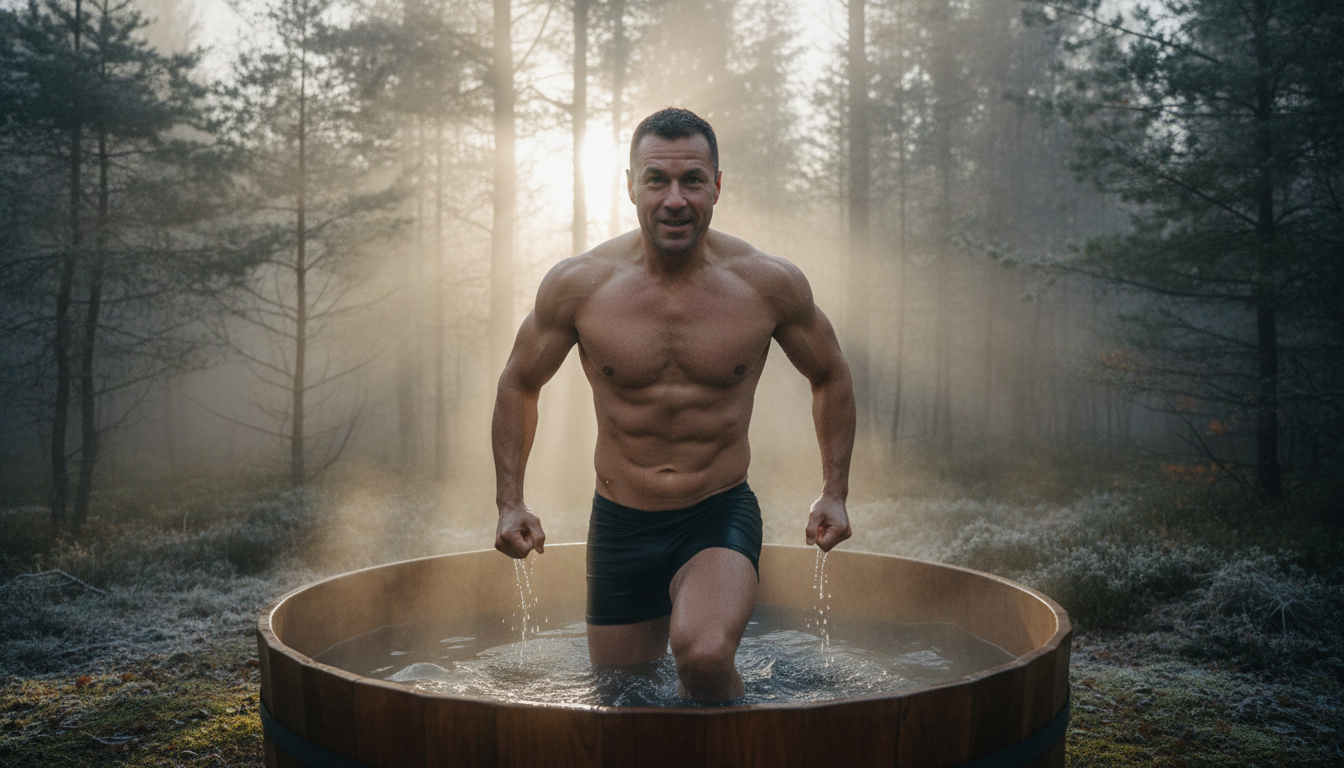
At its core, a cold plunge is the practice of immersing your body in water that is 59°F (15°C) or colder for a brief, intentional period. While the duration can vary based on experience and water temperature, it typically lasts anywhere from one to ten minutes. This isn't a new fad; cold water therapy has roots in ancient civilizations, from the Romans with their frigidarium baths to Scandinavian cultures that have long alternated between hot saunas and icy lake dips. Today, the practice has been modernized and made more accessible. It can take many forms:- High-tech, temperature-controlled cold plunge tubs.
- Simple ice baths created in a bathtub or stock tank.
- A consistently cold shower at the end of your normal routine.
- A dip in a cold, natural body of water like a lake, river, or ocean.
1. Supercharge Your Muscle Recovery
Perhaps the most well-known benefit of cold plunges, especially in the athletic world, is their profound impact on muscle recovery. After an intense workout, your muscles are riddled with microscopic tears. This damage triggers an inflammatory response, leading to the dreaded delayed onset muscle soreness (DOMS) that can leave you stiff and aching for days. When you immerse your body in cold water, it causes rapid vasoconstriction—the narrowing of your blood vessels. This process helps to quickly flush out metabolic waste products, such as lactic acid, that accumulate in your muscles during strenuous exercise. More importantly, it reduces swelling and inflammation at the cellular level. Once you get out of the cold water and your body begins to rewarm, vasodilation occurs. Your blood vessels expand, allowing a surge of fresh, oxygen- and nutrient-rich blood to flow back into the muscle tissues, accelerating the repair process. Studies have shown this can reduce perceived muscle soreness by over 20%, allowing athletes to train harder and more frequently.2. Fortify Your Immune System
 Think of a cold plunge as a workout for your immune system. The shock of the cold acts as a mild stressor that kicks your body's defense mechanisms into high gear. Research suggests that regular cold water immersion can stimulate the production of leukocytes, the white blood cells that are the frontline soldiers of your immune system, responsible for fighting off pathogens.
A notable study from the Netherlands found that individuals who incorporated a daily cold shower into their routine called in sick from work 29% less than their non-cold-showering counterparts. The cold also activates the lymphatic system, a network of vessels that helps clear waste, toxins, and microbes from your body. By promoting lymphatic drainage, cold plunges support your body’s natural detoxification processes, further bolstering your immunity. It's a powerful way to build resilience against common colds and other illnesses, much like how certain foods can support your body's defenses. For example, understanding what happens in your body after eating garlic shows how natural elements can powerfully boost your health.
Think of a cold plunge as a workout for your immune system. The shock of the cold acts as a mild stressor that kicks your body's defense mechanisms into high gear. Research suggests that regular cold water immersion can stimulate the production of leukocytes, the white blood cells that are the frontline soldiers of your immune system, responsible for fighting off pathogens.
A notable study from the Netherlands found that individuals who incorporated a daily cold shower into their routine called in sick from work 29% less than their non-cold-showering counterparts. The cold also activates the lymphatic system, a network of vessels that helps clear waste, toxins, and microbes from your body. By promoting lymphatic drainage, cold plunges support your body’s natural detoxification processes, further bolstering your immunity. It's a powerful way to build resilience against common colds and other illnesses, much like how certain foods can support your body's defenses. For example, understanding what happens in your body after eating garlic shows how natural elements can powerfully boost your health.
3. Elevate Your Mood and Mental Clarity
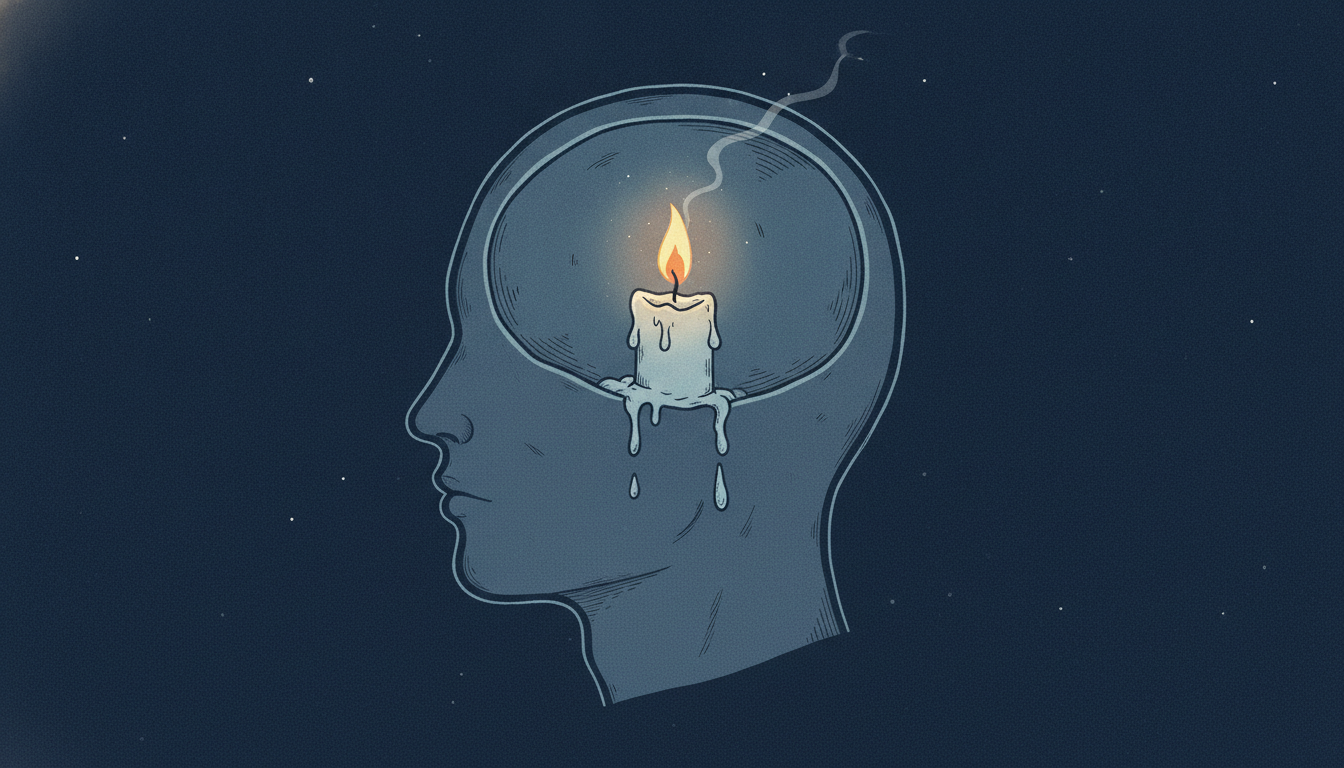
 The benefits of cold plunges extend far beyond the physical. The initial shock of icy water triggers a powerful response in your brain, flooding it with mood-elevating neurotransmitters. The most significant of these is norepinephrine, which is involved in focus, attention, and vigilance. Studies have shown that cold water immersion can increase norepinephrine levels by as much as 530% and dopamine by 250%.
This neurochemical cocktail creates a feeling of euphoria, alertness, and mental clarity that can last for hours. Beyond the immediate rush, the practice of cold plunging is a profound exercise in mental resilience. It teaches you to control your breath, calm your mind in the face of intense physical stress, and override your primal instinct to flee. This practice strengthens the connection between mind and body, which can be a powerful tool for managing daily stressors. If you're looking for ways to manage stress, this practice complements other techniques, such as learning how to handle stress in just a few seconds.
The benefits of cold plunges extend far beyond the physical. The initial shock of icy water triggers a powerful response in your brain, flooding it with mood-elevating neurotransmitters. The most significant of these is norepinephrine, which is involved in focus, attention, and vigilance. Studies have shown that cold water immersion can increase norepinephrine levels by as much as 530% and dopamine by 250%.
This neurochemical cocktail creates a feeling of euphoria, alertness, and mental clarity that can last for hours. Beyond the immediate rush, the practice of cold plunging is a profound exercise in mental resilience. It teaches you to control your breath, calm your mind in the face of intense physical stress, and override your primal instinct to flee. This practice strengthens the connection between mind and body, which can be a powerful tool for managing daily stressors. If you're looking for ways to manage stress, this practice complements other techniques, such as learning how to handle stress in just a few seconds.
"Deliberate cold exposure is a foundational tool for building mental and physical resilience. The moment you get into cold water, your mind is telling you to get out, but you choose to stay. That choice builds a part of your brain that is responsible for willpower and discipline."
4. Boost Metabolism and Support Fat Burning
When you expose your body to cold, it has to work harder to maintain its core temperature of 98.6°F (37°C). This process, known as thermogenesis, revs up your metabolic rate, causing you to burn more calories simply to stay warm. But the metabolic benefits go deeper than that. Cold exposure is one of the most effective ways to activate brown adipose tissue (BAT), often called "good fat." Unlike white fat, which stores energy, brown fat is metabolically active and its primary function is to generate heat by burning calories. Regular cold plunges can increase the amount and activity of your brown fat, effectively turning your body into a more efficient fat-burning machine. While it’s not a substitute for a healthy diet and exercise, it can be a powerful complementary strategy for weight management. Combining this with healthier habits, such as exploring what happens when you stop drinking soda, can create a synergistic effect on your metabolic health.5. Enhance Circulation and Cardiovascular Health
The cycle of vasoconstriction (in the cold) and vasodilation (upon rewarming) acts like a workout for your circulatory system. This "pumping" action forces blood through your arteries, veins, and capillaries, improving overall circulation over time. Better circulation means more efficient delivery of oxygen and nutrients to every cell in your body, from your brain to your toes. This process can help lower blood pressure, improve cardiovascular function, and even give your skin a healthier, more vibrant glow. By training your blood vessels to be more responsive and resilient, you are actively supporting the long-term health of your heart and entire vascular system.6. Improve Skin and Hair Vitality
While the internal benefits are profound, cold plunges also offer some noticeable aesthetic perks. The cold water causes your pores and the cuticles of your hair to tighten. This can prevent them from getting clogged by dirt and oils, potentially leading to clearer skin and reduced acne. For your hair, the tightened cuticles lie flatter, which can result in stronger, shinier, and healthier-looking locks by better locking in moisture.7. Build Unshakeable Discipline and Willpower
Perhaps one of the most transformative benefits is not physiological, but psychological. Consistently and intentionally doing something that is difficult and uncomfortable builds mental fortitude. Every time you overcome the hesitation and step into the icy water, you are casting a vote for discipline over comfort. This practice strengthens your willpower "muscle," a skill that translates to every other area of your life, from sticking to a diet and exercise plan to tackling challenging projects at work.Ready to Plunge? A Starter's Guide to Safety
The benefits are compelling, but it's crucial to approach cold water immersion with respect and caution. Here’s how to start safely:- Consult Your Doctor: If you have any pre-existing health conditions, especially cardiovascular issues, speak with your doctor before starting.
- Start Small: You don't need a full ice bath on day one. Begin with ending your regular shower with 30 seconds of cold water. Gradually increase the duration as you adapt.
- Control Your Breath: The initial shock will make you want to gasp. The key is to focus on long, controlled exhales to calm your nervous system. Never hyperventilate.
- Listen to Your Body: Start with short immersions (1-3 minutes) and gradually increase the time. Shivering is normal, but if it becomes uncontrollable or you feel dizzy, get out immediately.
- Never Plunge Alone: Especially when using open water, always have someone with you for safety.
- Warm Up Naturally: After your plunge, avoid a hot shower, which can be a shock to your system. Pat yourself dry and allow your body to rewarm naturally, perhaps by doing some light movement.
Is the Cold Calling Your Name?
The cold plunge is more than just a fleeting, uncomfortable experience; it's a deliberate act of self-improvement that offers a powerful return on investment. From fortifying your immune system and accelerating muscle recovery to elevating your mood and building mental resilience, the science-backed benefits are undeniable. It’s a practice that challenges you to step outside your comfort zone and, in doing so, unlocks a new level of physical and mental performance. You don't need an expensive setup to begin. The journey can start today, with a simple turn of the shower knob. As you learn to embrace the chill, you might just find that the initial shock gives way to a lasting sense of vitality, clarity, and strength. If you're interested in starting with this simpler method, learning more about the benefits of cold showers for mental health is a great first step.Share this content:
Discover more from J and J Health
Subscribe to get the latest posts sent to your email.