Paleo Diet 101: Your Guide to Eating Like Our Ancestors

In a world saturated with complex diet plans and conflicting nutritional advice, the Paleo diet offers a refreshingly simple premise: eat like our hunter-gatherer ancestors. This approach, also known as the Paleolithic or caveman diet, strips away modern processed foods and returns to a way of eating centered on whole, nutrient-dense ingredients. It’s more than just a diet; it's a lifestyle framework aimed at improving energy, reducing inflammation, and optimizing overall health by aligning our nutrition with our genetic makeup.
What is the Paleo Diet? The Core Philosophy
The Paleo diet is built on the theory that the agricultural revolution, which introduced grains, legumes, and dairy into our diets around 10,000 years ago, occurred too recently in our evolutionary timeline for our bodies to fully adapt. Proponents argue that this mismatch between our ancient biology and modern diet is a root cause of many chronic diseases, such as obesity, diabetes, and heart disease.
At its core, the Paleo philosophy is about eating real, unprocessed foods that our ancestors could have hunted, fished, or gathered. This means a diet rich in lean proteins, vegetables, fruits, and healthy fats, while strictly avoiding foods that require cultivation and processing. It's a focus on food quality over calorie counting, encouraging a mindful approach to eating that fuels the body efficiently. This philosophy extends beyond just food, often encouraging a holistic view of well-being that includes regular movement and healthy habits, which is a key component in any approach to sustainable health and fitness.
The Paleo-Approved Food List: What You CAN Eat
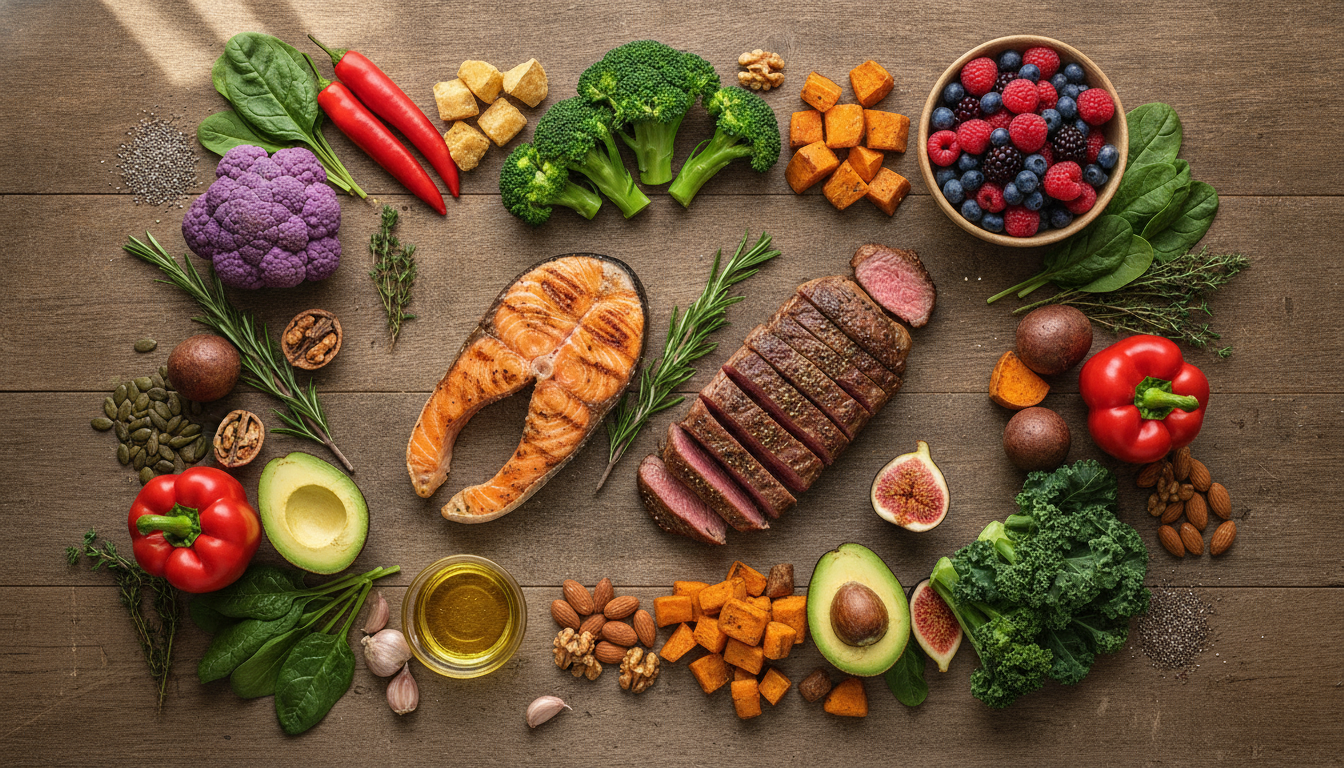
Navigating a new eating style can be daunting, but the Paleo food list is straightforward. The goal is to fill your plate with vibrant, natural foods. Think of it as shopping the perimeter of the grocery store, where the fresh, whole foods are typically located.

Lean Meats, Poultry, and Seafood
Protein is a cornerstone of the Paleo diet, promoting satiety and muscle maintenance. Prioritize quality sources whenever possible.
- Meats: Grass-fed beef, lamb, pork, bison.
- Poultry: Free-range chicken, turkey, duck.
- Seafood: Wild-caught salmon, tuna, shrimp, mackerel, and other fish rich in omega-3 fatty acids.
- Eggs: Pasture-raised eggs are a fantastic source of protein and nutrients.
Ensuring adequate protein intake is crucial for success on any diet. If you're unsure about your needs, it's helpful to understand how much protein you really need for your activity level and goals.
Vegetables and Fruits
These are your primary sources of carbohydrates, fiber, vitamins, and antioxidants.
- Vegetables: Leafy greens (spinach, kale), broccoli, cauliflower, bell peppers, onions, carrots, tomatoes. Starchy vegetables like sweet potatoes and squash are also great in moderation.
- Fruits: Berries, apples, bananas, oranges, avocados. Enjoy in moderation due to their natural sugar content.
Healthy Fats, Nuts, and Seeds
Healthy fats are essential for hormone production, brain health, and absorbing fat-soluble vitamins.
- Oils: Olive oil, coconut oil, avocado oil.
- Nuts & Seeds: Almonds, walnuts, cashews, macadamia nuts, pumpkin seeds, and sunflower seeds (avoid peanuts, which are legumes).
The 'Avoid' List: Foods Not on the Paleo Menu
Just as important as what you eat is what you avoid. Eliminating these food groups is key to reducing inflammation and allowing your body to thrive.
The fundamental shift in the Paleo diet is moving away from modern, processed, and agricultural foods toward the nutrient-dense whole foods our bodies were designed to eat.
- All Cereal Grains: This is a non-negotiable. Wheat, rye, barley, oats, corn, and rice are all eliminated due to their content of anti-nutrients like gluten and lectins, which can irritate the gut lining.
- Legumes: All beans, lentils, peas, chickpeas, soy, and peanuts are excluded for similar reasons as grains.
- Dairy Products: Milk, cheese, yogurt, and most butter are avoided. Some people on a modern Paleo diet incorporate grass-fed butter or ghee, which are almost pure fat with milk solids removed.
- Refined Sugars & Artificial Sweeteners: This includes high-fructose corn syrup, cane sugar, sodas, fruit juices, and most packaged sweets.
- Processed Foods: If it comes in a box with a long list of ingredients you can't pronounce, it's not Paleo. This includes most "diet" and "low-fat" products.
- Industrial Seed Oils: Soybean oil, sunflower oil, canola oil, corn oil, and margarine are highly processed and inflammatory.
Potential Health Benefits of Going Paleo
Many people who adopt a Paleo lifestyle report significant improvements in their health and well-being. While individual results vary, some of the most commonly cited benefits include:
- Weight Loss: By focusing on protein and vegetables and eliminating empty calories from sugar and refined grains, the diet naturally promotes satiety and can lead to a reduction in overall calorie intake. This can be a powerful tool for those trying to understand where fat goes when you lose weight.
- Improved Blood Sugar Control: Removing refined carbohydrates and sugars helps prevent sharp spikes and crashes in blood sugar, leading to improved insulin sensitivity and more stable energy levels throughout the day.
- Reduced Inflammation: The diet's emphasis on omega-3 fats, antioxidants from fruits and vegetables, and elimination of inflammatory seed oils and sugar can help lower systemic inflammation, which is linked to numerous chronic diseases.
- Better Gut Health: For some individuals, removing potential gut irritants like gluten, lectins, and dairy can lead to improved digestion, reduced bloating, and a healthier gut microbiome. Improving your digestive system is a foundational part of overall wellness, and many of these principles align with general advice on improving gut health with food.
Key to Success: Plan and Prepare
Transitioning to a Paleo lifestyle is much easier with a little foresight. Meal prepping on weekends—chopping vegetables, cooking proteins, and making Paleo-friendly sauces—can save you time and prevent you from reaching for non-compliant convenience foods during a busy week.
A Sample Day of Paleo Eating
Wondering what a typical day looks like on the Paleo diet? It's more delicious and satisfying than you might think. Here’s a simple meal plan to get you started:

Breakfast
Scrambled eggs cooked in coconut oil with sautéed spinach and mushrooms. Serve with a side of sliced avocado and a handful of berries.
Lunch
A large salad with mixed greens, grilled chicken strips, cucumber, bell peppers, and a sprinkle of walnuts. Dress with a simple vinaigrette made from olive oil and lemon juice.
Dinner
Grilled salmon seasoned with herbs, served with a side of roasted asparagus and a baked sweet potato topped with ghee.
Snack
An apple with a tablespoon of almond butter, or a handful of macadamia nuts and a few olives.
Ready to Give the Paleo Lifestyle a Try?
Starting the Paleo diet doesn't have to be an all-or-nothing leap. You can begin by making small, sustainable changes. Try eliminating processed foods and sugar for a week, then remove grains. See how your body responds. The Paleo diet is a powerful template for clean eating, but it's important to listen to your body and adapt it to your individual needs.
By focusing on the nutrient-dense, whole foods our bodies are built to run on, you can unlock a new level of health and vitality. It's a journey back to basics, and it might be the most rewarding one you'll ever take for your well-being. Combining this way of eating with a solid exercise regimen is the ultimate path to success, so consider learning how to create a fitness plan that complements your new nutritional goals.
Share this content:
Discover more from J and J Health
Subscribe to get the latest posts sent to your email.