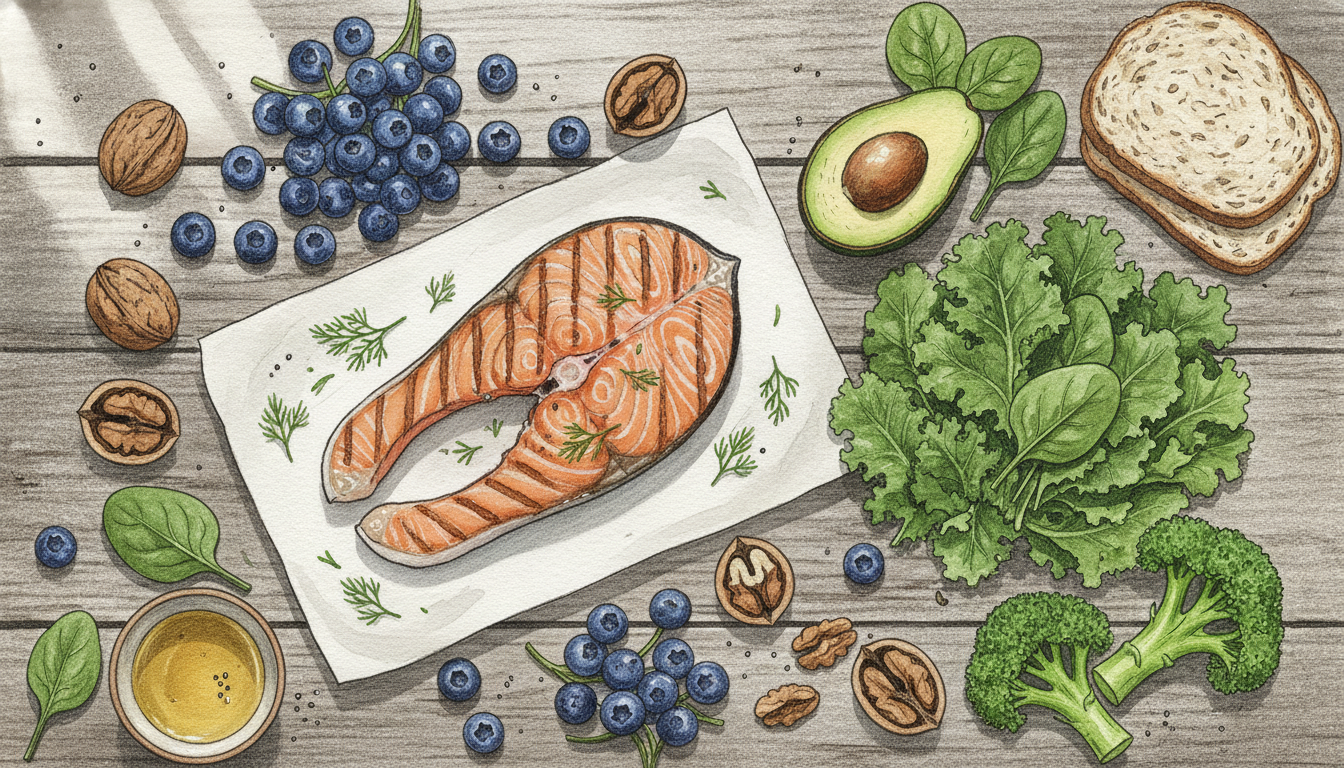
The MIND Diet: 10 Foods That Can Lower Your Risk of Alzheimer's

It's a concern that crosses many of our minds as we age: how can we protect our cognitive health and preserve our memories for years to come? While genetics play a role, a growing body of scientific evidence reveals that our daily choices, particularly what we eat, have a profound impact on the long-term health of our brains. It's never too early or too late to start eating for brain health. This article will guide you through the science-backed dietary changes you can make today to significantly lower your risk of cognitive decline and Alzheimer's disease.
Why Food Matters: The Science Behind Diet and Brain Health
The connection between food and brain health isn't just a wellness trend; it's rooted in complex biological processes. The brain is an incredibly active organ, consuming about 20% of the body's total energy. This high metabolic rate makes it particularly vulnerable to damage from oxidative stress and inflammation. The foods we consume can either fuel these damaging processes or provide the tools our body needs to fight back.
Chronic inflammation is a primary culprit in the development of many age-related diseases, including neurodegenerative conditions like Alzheimer's. A diet high in processed foods, sugar, and unhealthy fats can create a constant state of low-grade inflammation throughout the body, including the brain. Conversely, anti-inflammatory foods rich in omega-3 fatty acids and antioxidants can help quell this inflammation, protecting delicate neural tissues.
Similarly, oxidative stress—damage caused by unstable molecules called free radicals—is a major contributor to the aging of brain cells. Our bodies produce free radicals naturally, but factors like poor diet and environmental toxins can cause them to overwhelm our natural defenses. Antioxidants, found abundantly in colorful fruits and vegetables, act like cellular bodyguards, neutralizing free radicals before they can harm neurons. Specific nutrients, like flavonoids and B vitamins, directly support brain structure, strengthen the connections between neurons, and improve blood flow to the brain, ensuring it gets the oxygen and nutrients it needs to thrive.
Introducing the MIND Diet: A Blueprint for a Healthier Brain
With so much nutritional advice available, it can be hard to know where to start. Enter the MIND diet. Developed by researchers at Rush University Medical Center, the MIND diet (which stands for Mediterranean-DASH Intervention for Neurodegenerative Delay) is a scientifically designed eating plan that combines the most compelling brain-healthy elements of two highly respected diets: the Mediterranean diet and the DASH (Dietary Approaches to Stop Hypertension) diet.
The core principle of the MIND diet is simple yet powerful: focus on consistently including foods that protect the brain while limiting those that harm it. It’s not about perfection, but about progress.
What makes the MIND diet so revolutionary is the strength of the research behind it. A landmark study published in the journal Alzheimer's & Dementia found that older adults who followed the diet rigorously had a 53% lower risk of developing Alzheimer's disease. Even those who followed it only moderately well saw their risk reduced by a significant 35%. This demonstrates that you don't have to be perfect to reap substantial benefits. By emphasizing natural, plant-based foods and limiting items known to promote inflammation, the MIND diet provides a clear, flexible, and sustainable roadmap to eating for a sharper mind.
10 Brain-Boosting Food Groups to Add to Your Plate
The MIND diet is built around ten key food groups that are packed with brain-protective nutrients. The goal is to incorporate these into your weekly routine consistently.

-
1. Leafy Green Vegetables
Goal: At least 6 servings per week.
Kale, spinach, collard greens, and lettuce are nutritional powerhouses. They are loaded with vitamin K, lutein, folate, and beta-carotene, all of which have been linked to slower cognitive decline. -
2. All Other Vegetables
Goal: At least 1 serving per day.
In addition to leafy greens, aim to eat a variety of other vegetables. The different colors represent different antioxidant profiles, so "eating the rainbow" ensures your brain gets a wide spectrum of nutrients. -
3. Berries
Goal: At least 2 servings per week.
Blueberries are often singled out for their brain benefits, but strawberries, raspberries, and blackberries are also excellent. Their high concentration of flavonoids has been shown to improve memory. For a delicious and easy way to get your serving, try this make-ahead chia and berry pudding recipe. -
4. Nuts
Goal: At least 5 servings per week.
Nuts are a great source of healthy fats, fiber, and antioxidants. A handful makes for a perfect brain-boosting snack. Walnuts are particularly beneficial due to their high content of a form of omega-3 fatty acid called alpha-linolenic acid (ALA). -
5. Olive Oil
Goal: Use as your primary cooking oil.
Make extra virgin olive oil your go-to fat in the kitchen. It's a cornerstone of the Mediterranean diet and is rich in monounsaturated fats and antioxidants like oleocanthal, which has powerful anti-inflammatory effects. Discover more about the surprising benefits of olive oil for brain health. -
6. Whole Grains
Goal: At least 3 servings per day.
Choose whole grains like oatmeal, quinoa, brown rice, and whole-wheat bread. They provide a steady supply of energy to the brain and are rich in B vitamins, which are crucial for brain function. -
7. Fatty Fish
Goal: At least 1 serving per week.
Fish like salmon, mackerel, herring, and sardines are packed with omega-3 fatty acids, particularly DHA. DHA is a primary structural component of the brain and is essential for neuron function and communication. -
8. Beans
Goal: At least 4 servings per week.
Lentils, chickpeas, and other beans are low in fat and high in fiber and protein. They help stabilize blood sugar levels, providing the brain with the consistent fuel it needs to operate optimally. -
9. Poultry
Goal: At least 2 servings per week.
Chicken and turkey are lean sources of protein and are preferred over red meat in the MIND diet. They provide the amino acids that are precursors to important neurotransmitters. -
10. Wine
Goal: No more than one glass per day.
Research suggests that moderate wine consumption, particularly red wine, may be beneficial for the brain due to its high resveratrol content, a potent antioxidant. However, this is optional, and if you don't drink, there's no need to start. You can learn more about the potential health benefits of red wine here.
5 Food Groups to Limit for Optimal Brain Health
Foods to Reduce in Your Diet
Just as important as what you add to your diet is what you limit. These five food groups are high in saturated and trans fats, which are linked to inflammation and damage to the cardiovascular system, directly impacting brain health.
- Red Meats: Aim for fewer than 4 servings per week. This includes all beef, pork, and lamb. High intake of saturated fat from these sources has been associated with cognitive decline.
- Butter and Stick Margarine: Limit to less than 1 tablespoon per day. These are high in saturated and trans fats. Opt for olive oil as your primary fat source for cooking and dressings.
- Full-Fat Cheese: Keep it to less than 1 serving per week. While a good source of calcium, its high saturated fat content means it should be consumed sparingly for brain health.
- Pastries and Sweets: Limit to fewer than 5 servings per week. These foods are often high in sugar, refined flours, and unhealthy fats, which can promote inflammation and oxidative stress.
- Fried or Fast Food: Consume less than 1 serving per week. These are a primary source of trans fats, which are particularly damaging to blood vessels and brain health. This includes processed items like hot dogs, which have their own set of hidden health dangers.
Making it a Lifestyle: Simple Tips to Get Started Today
Adopting a new way of eating can feel daunting, but the key is to make small, sustainable changes. The MIND diet is designed to be a lifelong approach, not a short-term fix.

- Start Small: Don't try to change everything at once. Pick one or two goals for the week. Maybe it's adding a large salad to your lunch every day or swapping one red meat meal for a salmon dinner.
- Focus on Addition, Not Subtraction: Frame your goals positively. Instead of thinking "I can't have pastries," think "I'm going to have a bowl of delicious berries for dessert." This mindset shift makes healthy eating feel like an act of nourishment, not deprivation.
- Plan Ahead: Meal planning is your best friend. Take an hour on the weekend to plan your meals and snacks for the week. This reduces decision fatigue and makes it much easier to stick to your goals when you're busy or tired.
- Embrace Imperfection: Remember, even moderate adherence to the MIND diet yields significant benefits. If you have a slice of cake at a birthday party, don't worry about it. Just get back on track with your next meal. It's the overall pattern of your diet that matters most. For more inspiration, check out these quick habits for mental clarity.
Take Control of Your Brain Health Today
Your brain is your most valuable asset, and your dietary choices are one of the most powerful tools you have to protect its future. By embracing the principles of the MIND diet, you're not just eating delicious, wholesome food—you're actively building a more resilient brain, reducing inflammation, fighting oxidative stress, and significantly lowering your risk of cognitive decline. Start today by incorporating one or two of these brain-healthy foods into your life. Every healthy choice is an investment in a sharper, more vibrant mind for years to come.
Share this content:
Discover more from J and J Health
Subscribe to get the latest posts sent to your email.