
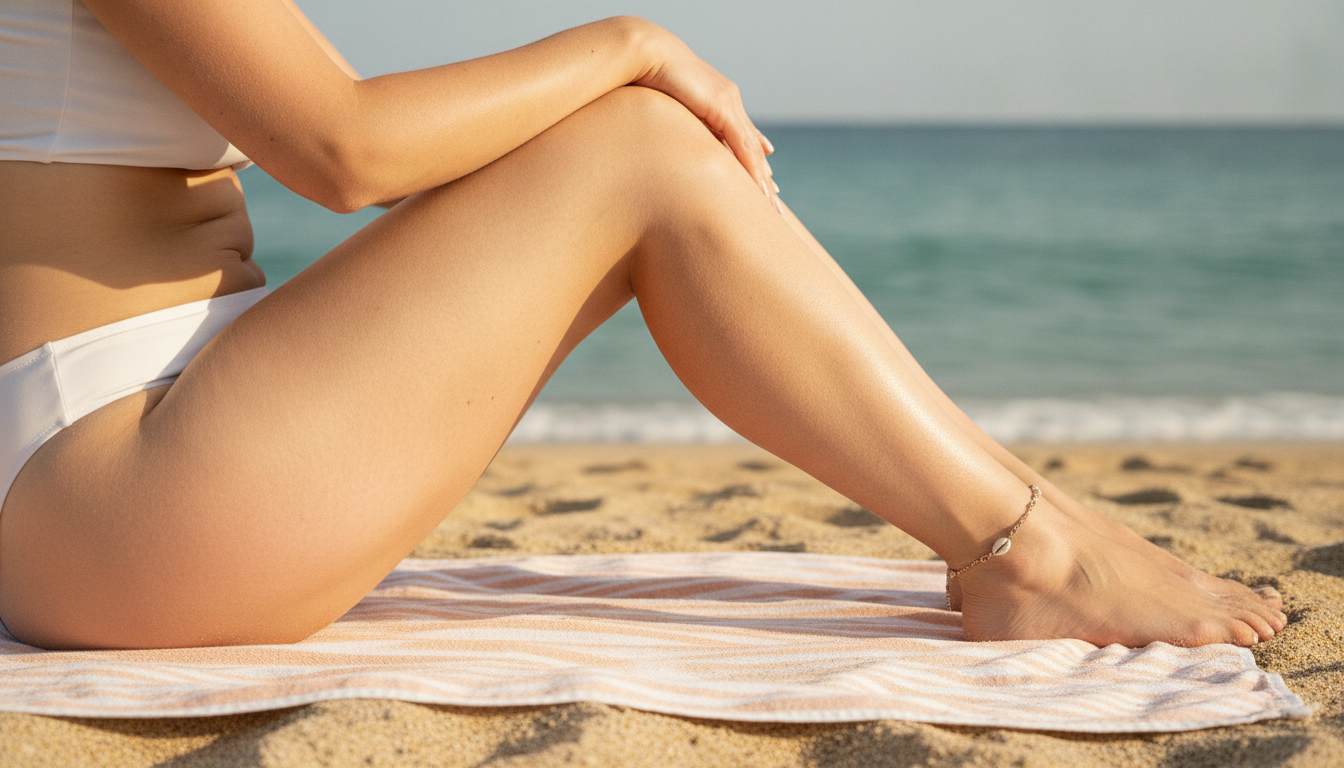
Decoding Dimples: Why You Get Cellulite (And What You Can Actually Do About It)
Cellulite. For many, the word alone conjures up feelings of frustration and self-consciousness. It's that stubborn, dimpled skin texture, often likened to orange peel or cottage cheese, that typically appears on the thighs, buttocks, and abdomen. Despite being incredibly common—affecting an estimated 80 to 90 percent of post-pubescent women—it remains one of the most misunderstood cosmetic concerns. It's time to move past the myths and marketing hype. This guide will explore the real science behind what cellulite is, what causes it, and most importantly, the practical, evidence-based steps you can take to reduce its appearance.

First, What Exactly Is Cellulite?
Before we can tackle how to manage cellulite, it’s crucial to understand what it is—and what it isn’t. One of the biggest misconceptions is that cellulite is simply a problem of excess fat. While body fat is part of the equation, the issue is fundamentally structural, occurring within the layers of your skin.
Imagine the layers just beneath your skin's surface. You have fat cells organized into chambers, separated by connective tissue cords called fibrous septae. These septae act like anchors, tethering your skin down to the deeper muscle tissue. In women, these cords tend to run vertically, straight up and down. When fat cells in these chambers increase in size, they push upward against the skin. At the same time, the tough, inflexible septae continue to pull the skin down. This push-and-pull dynamic is what creates the uneven, dimpled surface we recognize as cellulite.

This explains why cellulite is so much more prevalent in women than in men. Men’s fibrous septae are arranged in a crisscross or diagonal pattern, which is more effective at holding fat cells down and preventing them from bulging to the surface. It's a biological difference, not a personal failing.
The Key Factors: Unpacking the Causes of Cellulite
Cellulite isn't caused by a single factor but rather a combination of them. Understanding these root causes can help you focus your efforts on strategies that will make a real difference.
1. Genetics and Hormones
Your genes are perhaps the single most significant determinant. They influence your skin's structure, texture, and elasticity, as well as how and where your body distributes fat. If your mother and grandmother had cellulite, you have a higher predisposition to developing it.
Hormones, particularly estrogen, play a starring role. Estrogen can influence fat storage, circulation, and the breakdown of collagen, a key protein for skin strength. This is why cellulite often first appears or becomes more noticeable during times of hormonal fluctuation, such as puberty, pregnancy, and perimenopause. As estrogen levels decline with age, blood flow to the connective tissue also decreases, leading to lower collagen production and weaker, less elastic skin.
2. Lifestyle and Diet
While you can't change your genes, lifestyle factors are within your control. A sedentary lifestyle reduces muscle tone and circulation, both of which can make cellulite more prominent. Poor blood flow means less oxygen and fewer nutrients reaching your skin cells, which can weaken the connective tissue over time. Increasing your daily movement, even through non-exercise activities, can be a powerful tool. In fact, you can boost your metabolism with NEAT (Non-Exercise Activity Thermogenesis) to improve overall body composition.
Your diet also has a significant impact. A diet high in processed foods, unhealthy fats, sugar, and salt can lead to inflammation, fluid retention, and an increase in fat cell size, all of which can worsen the appearance of cellulite. Conversely, a diet rich in antioxidants, lean protein, and healthy fats supports skin health and elasticity.
Think of it this way: Your genetic predisposition loads the gun, but your lifestyle choices can pull the trigger. You have more influence than you think.
3. Age and Skin Structure
As we age, our skin naturally becomes thinner, less elastic, and more prone to sagging. The production of collagen and elastin—the proteins that keep skin firm and supple—slows down. This thinning of the dermis, combined with the natural weakening of the fibrous septae, makes the underlying fat deposits more visible, causing cellulite to appear more pronounced, even if your body weight hasn't changed.
Busting Common Myths: What Doesn't Cause Cellulite
The market is flooded with misinformation about cellulite, leading to wasted money and effort. Let's clear up some of the most persistent myths.
-
Myth: Cellulite is caused by toxins.
There is zero scientific evidence to support the idea that cellulite is the result of "toxins" building up in your body. The concept is a marketing tactic used to sell cleanses and detox products. Cellulite is a structural issue related to fat and connective tissue, not a sign of impurity. -
Myth: Only overweight people get cellulite.
This is completely false. Because cellulite involves the structure of skin and connective tissue, people of all body types, weights, and fitness levels can have it. While having a higher body fat percentage can make it more noticeable, even very lean individuals can have prominent cellulite. -
Myth: You can get rid of cellulite with a special cream.
Topical creams cannot change the underlying structure of your skin. Some creams containing caffeine or retinol may offer a temporary improvement by constricting blood vessels or slightly thickening the skin, but the effect is fleeting. They do not—and cannot—eliminate cellulite.
Actionable Steps: Lifestyle Changes to Improve Skin Texture
While there's no magic cure for cellulite, a combination of consistent, targeted lifestyle habits can significantly reduce its appearance and improve your skin's overall health and tone.
Key Strategies for Reducing Cellulite Appearance
Focus on this four-pronged approach for the best results:
- Build Muscle: Strength train to firm the underlying foundation.
- Improve Circulation: Engage in regular cardiovascular exercise.
- Nourish Your Skin: Eat a balanced, whole-foods diet.
- Hydrate Effectively: Drink plenty of water to support skin elasticity.
1. Prioritize Strength Training
This is arguably the most effective strategy. Building lean muscle mass in your legs, glutes, and hamstrings creates a stronger, smoother, and firmer foundation beneath the skin. This "internal shapewear" can help push out the dimples from below, creating a more toned appearance. Focus on compound movements like squats, lunges, deadlifts, and glute bridges. Aim for 2-3 strength sessions per week.

2. Maintain a Consistent Cardio Routine
Cardiovascular exercise is essential for improving blood flow, which delivers vital nutrients to your skin and helps flush out excess fluid. It also helps in managing overall body fat. Activities like brisk walking, cycling, running, or swimming are excellent choices. For those just starting out, a consistent routine of walking for weight loss can be a fantastic way to build a foundation of fitness and improve circulation.
3. Adopt a Skin-Healthy Diet
What you eat directly impacts your skin's health. Focus on a diet rich in:
- Lean Protein: Essential for building and repairing muscle and collagen (e.g., chicken, fish, beans, lentils).
- Antioxidant-Rich Fruits & Vegetables: Berries, leafy greens, and colorful veggies fight inflammation and cellular damage.
- Healthy Fats: Sources like avocado, nuts, and olive oil support skin hydration and health.
- Fiber: Helps regulate digestion and manage weight.
Simultaneously, work to reduce your intake of sodium (which causes fluid retention) and processed sugars (which can damage collagen). Finding a sustainable eating pattern is key; you might explore some of the best diets for sustainable weight loss to find what works for you.
4. Hydrate, Hydrate, Hydrate
Proper hydration is fundamental for healthy, elastic skin. Dehydrated skin is thinner and less resilient, which can make cellulite look more obvious. Drinking plenty of water throughout the day helps flush out excess sodium and improves the overall texture and plumpness of your skin. While plain water is best, learning about the benefits of drinking lemon water can be a refreshing way to boost your intake.
Exploring Professional Treatment Options
For those seeking more significant or faster results, several professional treatments are available. It's important to approach these with realistic expectations, as none offer a permanent "cure." They can, however, provide noticeable improvement. Always consult with a board-certified dermatologist to determine the best option for you.
- Energy-Based Treatments: Technologies using radiofrequency, ultrasound, or laser energy (like Cellulaze) work by heating the deep layers of the skin. This can help to melt small amounts of fat, stimulate new collagen growth, and improve skin elasticity over time. Multiple sessions are usually required.
- Subcision: Procedures like Cellfina are minimally invasive and target the structural cause directly. A small, needle-like device is inserted under the skin to physically cut and release the tough fibrous septae that are pulling the skin down. Results can last for several years.
- Massage and Manual Therapies: Deep tissue massage and manual lymphatic drainage can provide temporary improvement by boosting circulation and reducing fluid retention. While the effects are not long-lasting, they can be a good short-term option before an event or vacation.
Embrace a Healthy, Confident You
The journey to managing cellulite is as much about mindset as it is about methods. The most crucial takeaway is that cellulite is a normal, common feature of the female body—it is not a flaw or a sign of being unhealthy. By understanding its biological roots, you can free yourself from the guilt and shame often associated with it.
Focus on building strong, healthy habits that make you feel good from the inside out. Celebrate your body for its strength and resilience. When you prioritize health, strength, and well-being over the pursuit of an unattainable "flawless" ideal, you not only improve your skin's appearance but also cultivate a more powerful and lasting sense of confidence. Your body is amazing—treat it well!
Share this content:
Discover more from J and J Health
Subscribe to get the latest posts sent to your email.


