
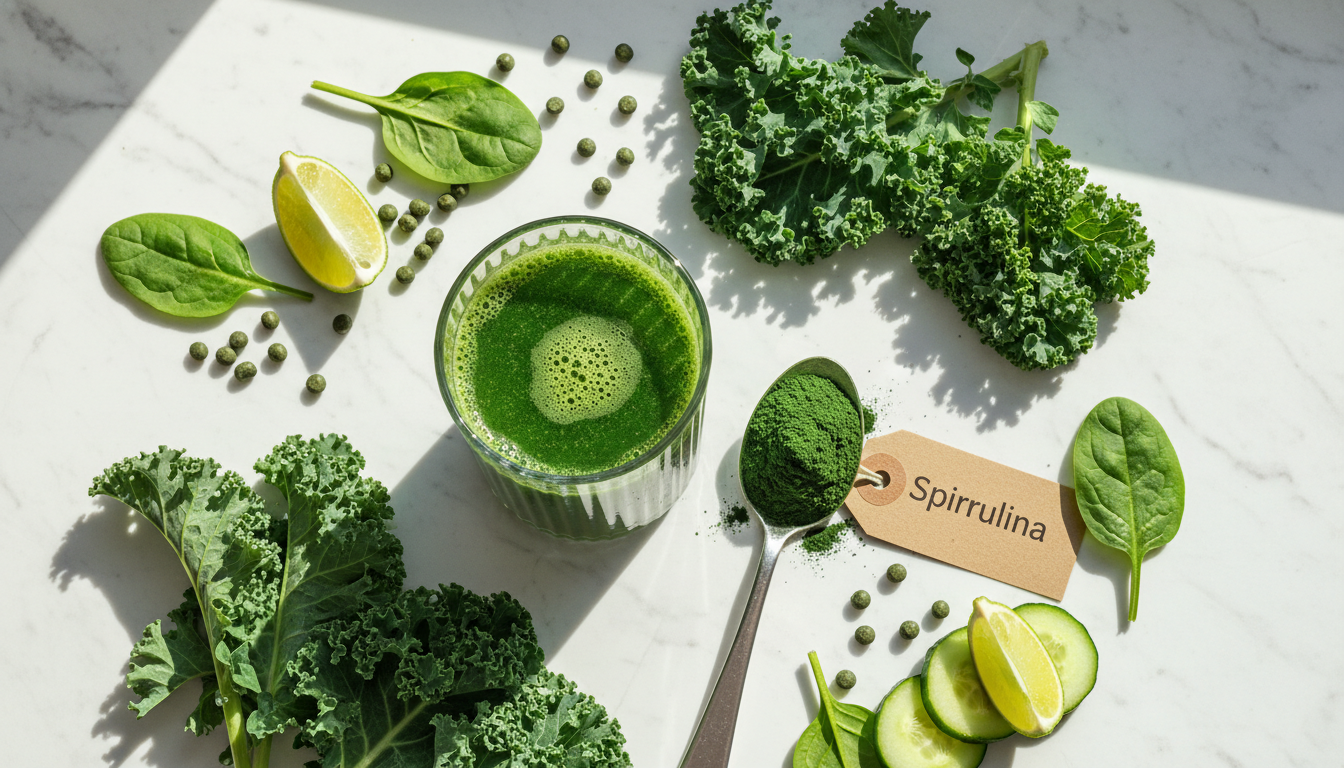
Powdered Greens: Miracle Supplement or Just Expensive Hype?
They promise a convenient, nutrient-packed shortcut to perfect health. You've seen them all over social media: vibrant green concoctions swirled into water, promising the benefits of a whole salad in a single, easy-to-drink glass. But can a scoop of green powder really replace your vegetables? As a nutritionist, this is one of the most common questions I get. Let's dive into the science, weigh the pros and cons, and determine if these popular supplements are a worthy addition to your wellness routine.

What's Actually Inside a Scoop of Green Powder?
Before we can judge their effectiveness, we need to understand what green powders are made of. At their core, these products are blends of dehydrated and pulverized plant-based ingredients. Think of it as a concentrated salad bar, dried and ground into a fine powder for easy mixing.
The specific ingredients vary wildly from brand to brand, but most formulas are built around a few key categories:
- Leafy Greens & Vegetables: This is the foundation. Common ingredients include spinach, kale, parsley, collard greens, and broccoli. They provide a base of vitamins like A, C, and K, as well as minerals.
- Grasses & Algae: Potent ingredients like wheatgrass, barley grass, spirulina, and chlorella are often included. These are incredibly nutrient-dense, offering chlorophyll, protein, iron, and a host of antioxidants.
- Antioxidant-Rich Fruits: To balance the earthy flavor and boost the antioxidant profile, many powders include extracts from fruits like açai, goji berries, blueberries, and acerola cherry.
- Probiotics & Digestive Enzymes: To enhance absorption and support overall gut health, brands often add beneficial bacteria (like Lactobacillus acidophilus) and enzymes (like amylase and lipase).
- Herbs & Adaptogens: Some formulas go a step further, adding ingredients like milk thistle for liver support, ashwagandha for stress relief, or ginseng for energy.
A Word of Caution: Be wary of "proprietary blends." While not always a red flag, this labeling practice allows companies to list ingredients without specifying the exact amount of each. A product could be 90% a cheaper filler like apple powder and only 1% the expensive, high-quality spirulina, but you'd never know. Always look for brands with transparent labeling.
The process matters, too. Most greens are dehydrated at low temperatures (or freeze-dried) to preserve as many heat-sensitive nutrients as possible, like Vitamin C and certain B vitamins. However, some nutrient degradation is inevitable compared to eating fresh, raw produce.
The Potential Benefits: The Argument for Going Green
The popularity of green powders isn't just clever marketing. For many people, they offer tangible benefits that fit a modern, fast-paced lifestyle. If you struggle to get your five-a-day, they can be a legitimate way to bridge nutritional gaps.

1. Convenience and Nutrient Insurance
Let's be realistic: not everyone has the time to wash, chop, and prepare multiple servings of vegetables every single day. Green powders offer a quick, simple solution. For busy professionals, parents, or those who travel frequently, a single scoop can provide a concentrated dose of vitamins, minerals, and phytonutrients that might otherwise be missed. For those who simply dislike the taste or texture of many vegetables, it's a palatable alternative. This is especially true for people looking for a quick A.M. hack, as some have found with mushroom and greens powders for a morning boost.
2. Enhanced Energy and Vitality
Many users report a noticeable increase in energy levels after incorporating green powders into their routine. This is often attributed to the high concentration of B vitamins, which are crucial for converting food into energy, as well as minerals like iron and magnesium that combat fatigue. Furthermore, by supporting the body's natural detoxification processes, particularly through ingredients that aid liver health, these powders can help reduce the metabolic load, leaving you feeling lighter and more vibrant.
3. Antioxidant Power and Reduced Inflammation
Our bodies are constantly under assault from free radicals—unstable molecules that cause cellular damage (oxidative stress) and contribute to chronic inflammation and aging. The concentrated plant compounds in green powders, such as polyphenols and carotenoids from ingredients like spirulina and kale, are powerful antioxidants. Research supports this; a 2009 study published in the Journal of Chiropractic Medicine found that participants taking a fruit and vegetable powder concentrate for 90 days experienced a statistically significant reduction in both systolic and diastolic blood pressure, an indicator of improved cardiovascular health and reduced oxidative stress.
The Drawbacks: Why They Aren't a Magic Bullet
While the benefits are appealing, it's crucial to approach powdered greens with a healthy dose of skepticism. They are a supplement, not a substitute, and come with several significant limitations that are often glossed over in marketing materials.
The Missing Ingredient: Fiber
The single biggest drawback of green powders is the lack of significant dietary fiber. The pulverizing process that makes the powder convenient also removes the structural fiber of the whole plant. This fiber is essential for regulating blood sugar, promoting feelings of fullness (satiety), and feeding the beneficial bacteria in your gut. You miss out on this critical component when you drink your greens instead of eating them.
1. Lack of Regulation and Quality Control
The supplement industry is not regulated by the FDA in the same way that pharmaceuticals are. This means there's no guarantee that what's on the label is what's in the bottle. Issues can range from inaccurate nutrient claims to, more alarmingly, contamination with heavy metals like lead, arsenic, and cadmium, which can be absorbed by plants from the soil. To mitigate this risk, always choose products from reputable brands that provide third-party testing for purity and potency.
2. The High Cost of Convenience
High-quality green powders don't come cheap. A one-month supply can easily cost anywhere from $40 to over $100. When you compare this on a per-serving basis to buying fresh or frozen produce, whole foods are almost always the more economical choice. A bag of spinach, a head of broccoli, and a bunch of kale will provide far more nutritional volume for a fraction of the cost of a premium powder.
Whole Foods vs. Powders: The Final Showdown
So, where does that leave us? When you place a glass of green juice next to a vibrant, colorful plate of whole vegetables, the winner from a nutritional standpoint is clear.

The concept of "food synergy" is key here. Whole foods contain a complex matrix of vitamins, minerals, fiber, and thousands of phytonutrients that work together in ways science is still just beginning to understand. This synergistic effect is far more powerful than consuming isolated nutrients from a powder. The fiber in an apple helps slow the absorption of its sugar; the fat in an avocado helps you absorb its fat-soluble vitamins. This intricate dance is lost in a processed supplement.
Here's a simple hierarchy for your nutritional goals:
- Foundation (Best): A diverse diet rich in a variety of colorful, whole vegetables and fruits. Aim to "eat the rainbow" to ensure a broad spectrum of nutrients.
- Booster (Good): Blending whole foods into delicious and healthy smoothies. This retains the all-important fiber while still being convenient and easy to consume.
- Supplement (Okay): Using a high-quality green powder on days when you're traveling, exceptionally busy, or know your vegetable intake will be low.
The Verdict: So, Are Green Powders Worth It?
Powdered greens are not a scam, but they are also not a miracle cure. They occupy a middle ground as a potentially useful, albeit imperfect, tool in your nutritional arsenal. They are not a replacement for a diet rich in whole fruits and vegetables, and they should never be viewed as a free pass to neglect whole foods.
Think of them as a nutritional insurance policy. They're for the morning you're rushing out the door, the week you're living out of a hotel, or the afternoon you need a clean energy boost without the crash. They can effectively supplement a healthy diet, but they cannot form its foundation.
My final advice: Prioritize your budget and your efforts on buying and eating real, whole, and varied produce first. If you've mastered that and still feel you have nutritional gaps or want the convenience for your busiest days, then investing in a transparent, third-party-tested green powder can be a worthwhile addition to your routine.
Share this content:
Discover more from J and J Health
Subscribe to get the latest posts sent to your email.


