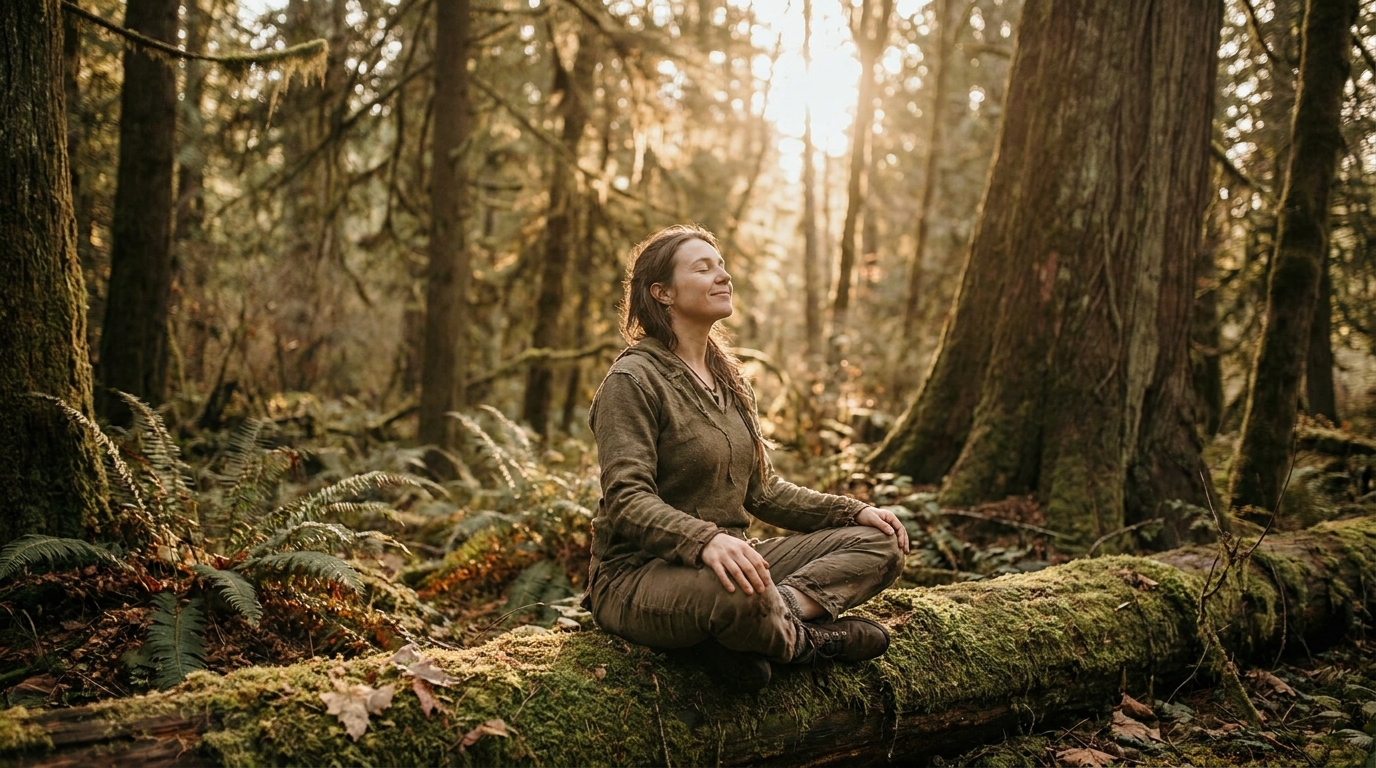
Regain Your Calm: Effective Grounding Techniques for Anxiety
Learn how to anchor yourself in the present moment and stop spiraling anxious thoughts with these science-backed exercises.

What Are Grounding Techniques?
Anxiety has a unique way of pulling us out of the present moment and thrusting us into a terrifying, hypothetical future. When this happens, our bodies react as if we are in immediate physical danger. This is where grounding techniques come into play. Grounding techniques are active mindfulness exercises specifically designed to detach you from emotional pain and bring your focus firmly back to the present moment.
When you are understanding anxiety disorders, it becomes clear that these feelings are driven by the sympathetic nervous system going into overdrive. Grounding methods work by stimulating the parasympathetic nervous system, which acts as the body's natural braking system. This helps to calm the body's fight-or-flight response during panic or high anxiety, lowering your heart rate and signaling to your brain that you are safe.
"Grounding isn't about fixing the problem that caused your anxiety; it's about creating a safe mental space so your brain can process the situation logically rather than emotionally."
These exercises can be broadly categorized into physical, mental, and soothing techniques. This variety is crucial because anxiety manifests differently in everyone, giving you a diverse toolkit depending on your specific situation. Practicing these methods regularly—even when you aren't feeling anxious—builds mental muscle memory. This makes them significantly more effective during an actual crisis.
Physical Grounding Exercises to Anchor Your Body
Physical grounding techniques are highly effective because they force your brain to process immediate, tangible sensory input. By focusing on what your body is physically experiencing, you leave less cognitive room for anxious thoughts to spiral.

The 5-4-3-2-1 Method
This is perhaps the most famous grounding technique, and for good reason. It methodically engages all five of your senses, acting as a powerful distraction from internal panic.
How to Practice 5-4-3-2-1
- 5 things you can see: Look around and identify five distinct objects (e.g., a clock, a pen, a cloud).
- 4 things you can touch: Notice the texture of four things around you (e.g., the fabric of your shirt, the smooth desk, your own hands).
- 3 things you can hear: Listen closely for three sounds (e.g., traffic outside, a humming refrigerator, birds chirping).
- 2 things you can smell: Try to catch two scents. If you can't, think of your two favorite smells.
- 1 thing you can taste: Notice the lingering taste in your mouth, or pop a mint or piece of gum.
Temperature Shocks
Holding a piece of ice in your bare hand or splashing freezing cold water on your face triggers the mammalian dive reflex. This physiological response forces your brain to focus on the intense physical sensation rather than anxious thoughts, instantly slowing down your heart rate and bringing you back to reality.
Box Breathing
Practicing deep, rhythmic breathing is one of the most reliable simple exercises for natural stress and anxiety relief. Box breathing involves inhaling for four seconds, holding your breath for four seconds, exhaling for four seconds, and holding empty for four seconds. This pattern quickly regulates your heart rate and oxygenates your brain.
Earthing (Grounding)
Digging your bare feet into the earth, grass, or sand helps physically connect your body to the solid ground beneath you. It provides a literal sense of being grounded. Focus on how the earth feels against your skin, the temperature of the ground, and the sensation of gravity holding you safely in place.
Mental Grounding Methods to Distract the Mind
Sometimes physical sensations aren't enough, especially if your anxiety is heavily rooted in racing thoughts. Mental grounding methods provide your brain with a cognitive puzzle, distracting it from the source of stress.
- Play a Memory Game: Recite a poem, song lyrics, or a passage from a book that you know by heart. Speaking the words out loud or mouthing them redirects your cognitive focus away from stress and into memory retrieval.
- Count Backward by 7s: Start at 100 and subtract 7 sequentially (93, 86, 79...). This requires just enough active concentration to interrupt the cycle of anxious, spiraling thoughts without being overly frustrating.
- The Categorization Game: Pick a broad category—such as dog breeds, capital cities, or types of fruit—and try to name as many items in that category as possible within one minute.
- Detailed Visualization: Visualize an everyday task in meticulous detail. Think about brewing a cup of coffee: opening the cupboard, feeling the handle of the mug, smelling the beans, pouring the water. Focus on every single micro-step involved.
Incorporating these cognitive tricks is a fantastic way to supplement daily mindfulness exercises to improve mental health, ensuring you have a defense mechanism ready when panic strikes.
Soothing Techniques for Emotional Comfort
While physical and mental techniques focus on distraction and sensory input, soothing techniques focus on self-care and emotional regulation. These are designed to make you feel safe, loved, and protected.

Self-Compassion and Mantras
Practice self-compassion by repeating a calming mantra. Phrases like "I am safe right now," "This feeling will pass," or "I have survived this before" verbally reassure your nervous system. Speak to yourself with the same kindness you would offer a terrified friend.
Safe Place Visualization
Close your eyes and visualize your favorite safe place. Whether it is a quiet beach at sunset, a cozy winter cabin, or your childhood bedroom, imagine all the sensory details of being there. What do you hear? What is the temperature? What can you smell?
Animal Connection
If you have a pet, use them as your anchor. Petting a dog or cat can release oxytocin (the bonding hormone) and lower cortisol levels. This provides immediate emotional comfort and a tangible, loving connection to the present moment.
Deep Pressure Therapy
Wrap yourself tightly in a heavy blanket or wear a weighted blanket to simulate the comforting sensation of being held. This deep touch pressure therapy naturally calms the nervous system and can cure stress in 15 seconds or less for some individuals by immediately signaling safety to the brain.
When and How to Use These Techniques Effectively
Knowing these techniques is only half the battle; knowing when to deploy them is what makes them truly effective.
- Act Early: Start using grounding techniques at the very first sign of anxiety, elevated heart rate, or dissociation. Do not wait until you are in the middle of a full panic attack; it is much easier to extinguish a spark than a forest fire.
- Experiment Freely: Experiment with different methods to find what works best for you. Physical techniques might work better for some people, while mental distractions work better for others. Your preferences might even change depending on the environment.
- Measure Your Success: Rate your anxiety on a scale from 1 to 10 before and after the exercise. This helps you objectively measure which techniques are most effective for your specific triggers.
- Be Patient: Remember that grounding is a skill that requires patience and practice. Do not be discouraged if a technique does not work perfectly the very first time. Like any muscle, your ability to ground yourself strengthens with repetition.
Start Your Journey to a Calmer Mind
Bookmark this page to keep these grounding techniques handy for whenever anxiety strikes. Subscribe to our newsletter for more mental health tips and mindfulness exercises delivered straight to your inbox.
Share this content:
Discover more from J and J Health
Subscribe to get the latest posts sent to your email.