What Is Tai Chi? Unlocking the Ancient Practice for Modern Health
In our fast-paced, high-stress modern world, the search for balance has never been more vital. We are constantly bombarded by notifications, deadlines, and the pressure to move faster. But what if the secret to better health, a sharper mind, and profound physical vitality wasn't about pushing harder, but rather slowing down?
Enter Tai Chi. Explore the origins of this gentle martial art and discover transformative health benefits that make Tai Chi perfect for all ages and fitness levels.

Understanding the Roots: What Exactly Is Tai Chi?
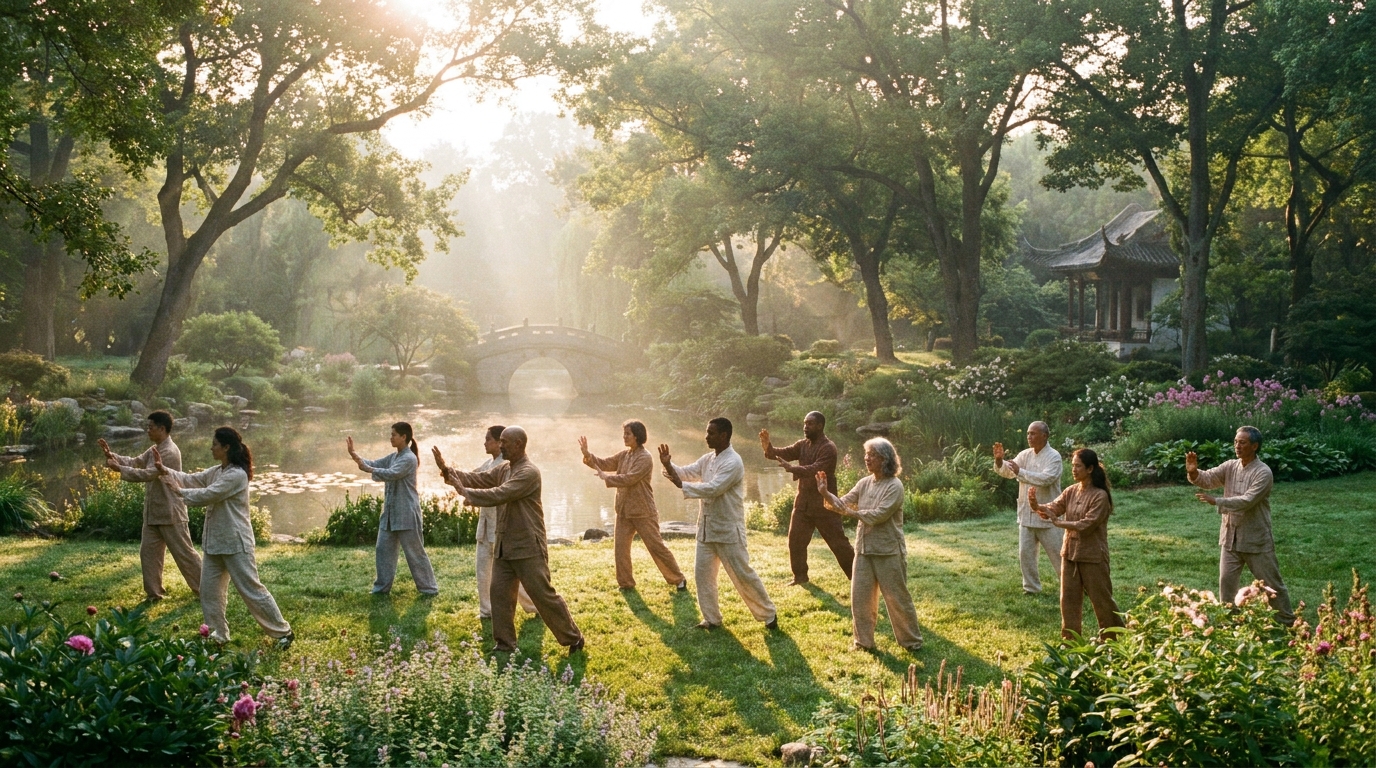
At its core, Tai Chi (short for Tai Chi Chuan) is an ancient Chinese martial art that has evolved over centuries into a graceful, flowing form of exercise. Today, medical professionals and fitness experts alike often describe it as meditation in motion.
Unlike the aggressive strikes and blocks you might associate with traditional martial arts, the practice of Tai Chi involves a series of meticulously choreographed movements. These postures flow into one another without pause, ensuring that your body is in constant, gentle motion. This physical flow is deeply intertwined with focused, deep breathing and a state of active mindfulness.
To truly understand Tai Chi, you have to look at its philosophical foundation. Rooted deeply in traditional Chinese medicine and Taoist philosophy, Tai Chi emphasizes the flow of Qi (pronounced "chee"), which translates to life energy. It is designed to foster the delicate balance of Yin and Yang—opposing but complementary forces in the universe and within our own bodies.
- Low-Impact by Design: Unlike high-intensity interval training (HIIT) or heavy weightlifting, Tai Chi puts minimal stress on your muscles and joints.
- Universal Accessibility: Because of its gentle nature, it is accessible to virtually everyone, regardless of age, baseline fitness level, or physical ability.
- No Equipment Required: You don't need expensive gear, a gym membership, or heavy weights. Your body and a quiet space are all you need.
Key Takeaway
Tai Chi is a gentle, flowing exercise rooted in ancient Chinese martial arts. By combining slow movements with deep breathing, it provides a highly accessible, low-impact workout that benefits both the body and the mind.
1 & 2: Profound Stress Relief and Improved Sleep Quality
If you feel like your mind is constantly racing, you are not alone. Chronic stress is an epidemic, leading to a cascade of negative health effects. This is where Tai Chi truly shines. The mindful, meditative nature of the practice has been scientifically proven to significantly reduce cortisol levels—the body's primary stress hormone.
When you practice Tai Chi, you are forced to focus entirely on the present moment. You must pay attention to the exact position of your hands, the shifting of your weight, and the rhythm of your breath. This intense focus acts as a mental reset, calming an overactive sympathetic nervous system (your "fight or flight" response) and activating the parasympathetic nervous system (your "rest and digest" state). In many ways, the mental relief it provides is similar to the benefits found in proven grounding techniques used to reduce anxiety.
"Tai Chi does not mean leaving the world behind; it means finding a quiet center within it. It is the ultimate antidote to the modern epidemic of chronic stress."
This profound reduction in daily stress naturally cascades into our second major health benefit: improved sleep quality.
Regular practitioners consistently report falling asleep faster and experiencing deeper, more restorative sleep cycles. Studies published by the American Sleep Association show that practicing Tai Chi for just a few hours a week can drastically improve sleep quality, particularly in older adults and individuals suffering from clinical insomnia. By lowering nighttime anxiety and easing physical tension, Tai Chi prepares the brain and body for a night of uninterrupted rest.

3 & 4: Enhanced Balance, Fall Prevention, and Joint Flexibility
As we age, our physical balance naturally deteriorates. This is partly due to a decline in proprioception—the complex neurological ability to sense the position of your body in space. When proprioception fades, the risk of stumbling and falling increases exponentially.
Tai Chi is widely considered one of the most effective interventions for improving balance. Because the movements require you to constantly shift your body weight slowly and deliberately from one leg to the other while maintaining an upright posture, it trains the sensory neurons in your inner ear, muscles, and joints. In fact, it is highly recommended by physical therapists and geriatricians as a primary method to reduce the risk of debilitating falls in older adults.
Unlocking Joint Flexibility and Relieving Pain
Alongside balance, Tai Chi works wonders for joint flexibility. The slow, continuous movements gently stretch the muscles, tendons, and ligaments. Unlike traditional static stretching, which can sometimes cause micro-tears if pushed too hard, Tai Chi relies on dynamic, fluid stretching that gradually increases your overall range of motion without strain.
For individuals suffering from osteoarthritis or rheumatoid arthritis, high-impact exercises are often out of the question. However, the gentle motions of Tai Chi help lubricate the joints by stimulating the production of synovial fluid. This natural lubrication reduces morning stiffness and chronic joint ache, serving as an incredibly effective medication-free pain relief strategy.
Key Takeaway
By actively retraining your body's spatial awareness (proprioception) and gently lubricating stiff joints, Tai Chi dramatically reduces the risk of falls and provides natural relief for arthritis sufferers.
5 & 6: Boosted Cognitive Function and Cardiovascular Health
It is easy to look at Tai Chi and assume it is purely a physical endeavor. However, memorizing the complex sequences (often called "forms") provides a rigorous, highly effective workout for the human brain.
Learning the choreography of Tai Chi requires intense concentration, spatial memory, and neuroplasticity. Research indicates that this unique combination of physical movement and cognitive demand can help slow cognitive decline in older adults. Studies have shown improvements in executive function, mental flexibility, and multitasking skills among long-term practitioners. If you are fascinated by how movement alters brain chemistry, this perfectly aligns with the broader neurological benefits of exercise.
A Gentle Boost to the Heart
Can a slow-moving exercise actually benefit your heart? The science says yes. Despite being low-impact and slow-paced, Tai Chi provides a legitimate cardiovascular workout.
- Blood Pressure Regulation: The relaxation response triggered by Tai Chi helps dilate blood vessels, which can naturally lower systolic and diastolic blood pressure over time.
- Improved Circulation: The continuous flow of movement ensures that blood is efficiently pumped to the extremities, improving overall vascular health.
- Enhanced Lung Capacity: The deep, diaphragmatic breathing synchronized with the physical forms forces the lungs to expand fully, increasing oxygen intake and improving respiratory efficiency.
When practiced consistently, this combination of lowered stress hormones and improved oxygen flow creates a highly favorable environment for long-term heart health, making it an excellent cardiovascular option for those who cannot tolerate high-intensity aerobics.

How to Start Your Tai Chi Journey Today
Reading about the immense benefits of Tai Chi is one thing, but experiencing them requires taking that first step. Fortunately, beginning a Tai Chi practice is incredibly straightforward and welcoming.
1. Find a Local Class: The best way to learn proper form and alignment is in person. Look for beginner classes at your local community center, YMCA, or dedicated martial arts studios. Instructors can provide real-time feedback to ensure you are moving safely.
2. Dress for Comfort: Leave the restrictive athletic gear behind. Wear loose, comfortable clothing that allows your limbs to move freely. Opt for flat, flexible shoes (or practice barefoot if safe) to ensure you have a stable, grounded footing.
3. Leverage Digital Resources: If local classes aren't available or you prefer the privacy of your own home, the internet is a goldmine. There are countless high-quality online tutorials, YouTube channels, and dedicated smartphone apps designed specifically to guide Tai Chi beginners step-by-step.
4. Focus on Consistency Over Duration: You do not need to practice for an hour a day to see results. Commit to practicing for just 10 to 15 minutes a day. Building a sustainable daily habit is far more effective than sporadic, lengthy sessions. In fact, integrating a short Tai Chi session into your morning routine can be a powerful way to combat chronic fatigue and set a positive tone for the rest of your day.
Ready to Experience the Benefits of Tai Chi?
Grab some comfortable clothes, clear a small space in your living room or backyard, and take your first step toward better physical and mental well-being today. The journey of a thousand miles begins with a single, mindful step.
Share this content:
Discover more from J and J Health
Subscribe to get the latest posts sent to your email.