
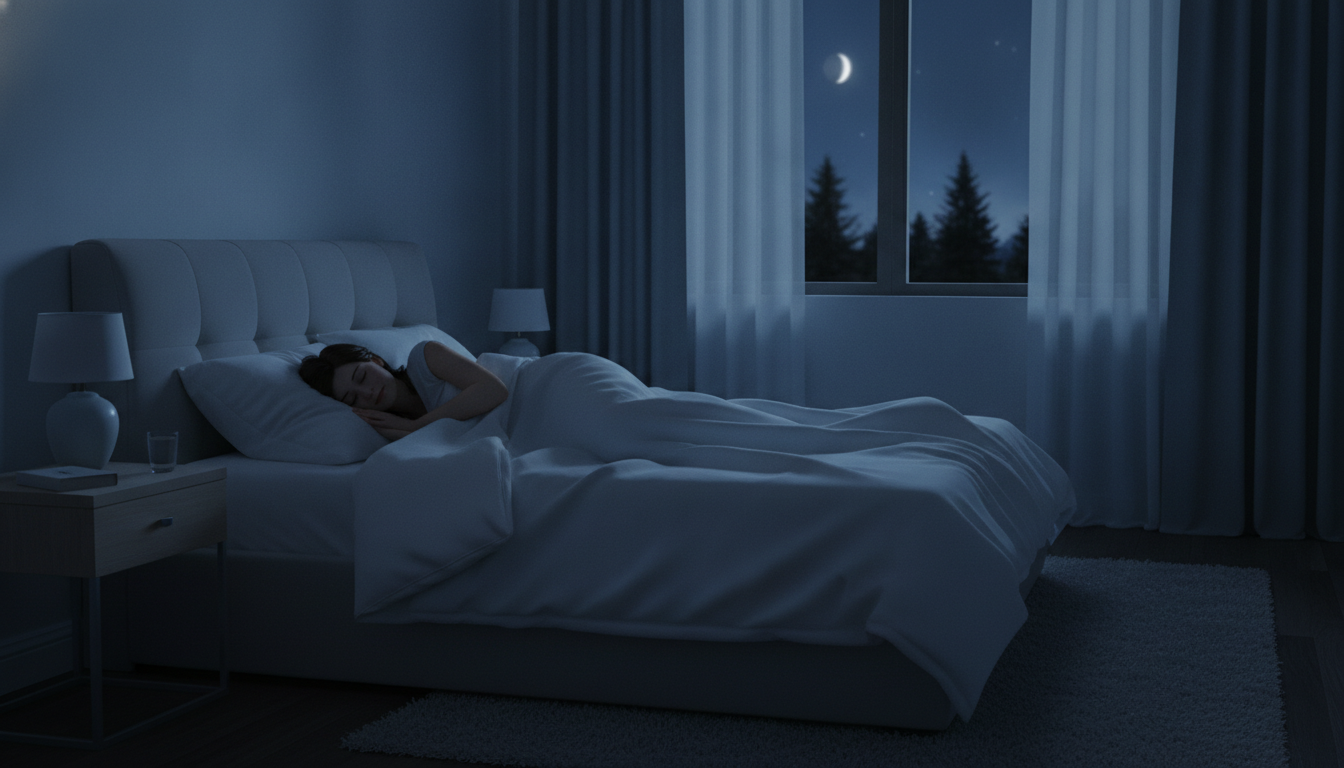
Reclaim Your Nights: Your Guide to Stop Waking Up to Pee

Understanding Nocturia: Why Am I Waking Up to Pee?
Before we can solve the problem, it's essential to understand it. Nocturia is the medical term for waking up one or more times during the night specifically to urinate. While a single trip might be normal for some, waking up two or more times is generally considered moderate to severe nocturia and can significantly impact your quality of life. It’s a common complaint that becomes more prevalent with age, affecting over 50% of men and women over the age of 60.Nocturia isn't a disease itself, but rather a symptom. It can stem from simple lifestyle habits or be a signal of a more complex underlying medical condition.The causes are varied and can be grouped into a few key categories:
- Lifestyle Factors: The most common and easily managed cause is high fluid intake, especially in the hours before bed. Consuming bladder irritants like caffeine (in coffee, tea, and soda), alcohol, and spicy foods can also increase the urgency and frequency of urination.
- Age-Related Changes: As we age, our bodies produce less of the antidiuretic hormone (ADH), which signals the kidneys to reduce urine production during sleep. Additionally, the bladder's capacity to hold urine can decrease over time.
- Underlying Medical Conditions: Persistent nocturia can be a red flag for other health issues. These include urinary tract infections (UTIs), an enlarged prostate (benign prostatic hyperplasia or BPH) in men, diabetes (both type 1 and 2), and bladder or kidney problems.
- Sleep Disorders: Sometimes, the problem isn't the bladder but the sleep itself. Conditions like sleep apnea can disrupt sleep and trigger hormonal changes that increase urine production. If you are constantly waking up tired despite getting enough hours, it might be worth investigating a potential sleep disorder.
Strategy 1: Master Your Fluid Intake
The most direct way to reduce nighttime urination is to manage what and when you drink. This isn't about dehydration; it's about strategic hydration. The goal is to give your body ample time to process fluids before you lie down for the night.
Your Evening Fluid Tapering Plan
- Implement the 2-Hour Rule: Make it a firm habit to stop drinking all fluids—water, tea, juice, everything—at least two to three hours before your intended bedtime. This is the single most effective change for many people.
- Hydrate Earlier in the Day: Don't try to make up for a day of poor hydration in the evening. Sip water consistently from morning through the afternoon. This ensures your body is hydrated without needing to play catch-up at night.
- Account for "Hidden" Fluids: Be mindful of late-night snacks that are high in water content. Foods like soup, melon, oranges, or even yogurt can contribute significantly to your bladder volume.
- Elevate Your Legs: If you experience swollen ankles or feet (a sign of fluid retention), try elevating your legs for an hour before bed. This helps redistribute retained fluid from your lower extremities, allowing your kidneys to process it and your bladder to empty it before you go to sleep.
Key Takeaway: The Golden Rule
Create a "fluid curfew" for yourself. If you go to bed at 11 PM, your last drink should be no later than 9 PM. This simple adjustment allows your body to process and excrete the excess liquid long before you settle in for the night.Strategy 2: Adjust Your Diet and Medication Timing
What you consume, beyond just water, plays a huge role in bladder function. Certain foods and substances are known irritants that can make an overactive bladder even more sensitive, leading to more frequent trips to the bathroom day and night.Identify and Avoid Bladder Irritants
Especially in the 4-6 hours before bedtime, try to avoid or limit the following:- Caffeine: Found in coffee, many teas, chocolate, and soft drinks, caffeine is a diuretic (increases urine production) and a bladder stimulant.
- Alcohol: Like caffeine, alcohol is a diuretic. It also suppresses the production of ADH, the hormone that helps your body retain water overnight. If you're concerned about post-drinking effects, it might be helpful to know about foods that can help with a hangover, but prevention is key for sleep.
- Spicy & Acidic Foods: Foods like hot peppers, curries, and tomato-based products can irritate the lining of the bladder for some individuals.
- Carbonated Drinks: The fizz in sparkling water, sodas, and other bubbly drinks can aggravate a sensitive bladder.
Strategy 3: Strengthen Your Bladder Control
Just like any other muscle in your body, the muscles that control urination can be strengthened. A strong pelvic floor provides better support for your bladder and urethra, giving you more control and reducing the sense of urgency.
How to Perform Kegel Exercises
Kegel exercises are the gold standard for pelvic floor strengthening. The key is to isolate the correct muscles.- Find the Right Muscles: The next time you urinate, try to stop the flow midstream. The muscles you use to do this are your pelvic floor muscles. Do not make a habit of this, but use it once or twice to identify the correct sensation.
- Perfect Your Technique: Squeeze and hold these muscles for a count of five seconds. Then, relax completely for five seconds. Ensure you are not tensing your abdomen, thighs, or buttocks, and remember to breathe normally.
- Build a Routine: Aim for three sets of 10-15 repetitions per day. You can do them anywhere—while sitting at your desk, driving, or watching TV. Consistency is more important than intensity.
Consider Bladder Retraining
Another technique is bladder retraining. This involves consciously holding your urine for longer periods during the day to gradually increase your bladder's capacity. Start by trying to delay urination by 15 minutes each time you feel the urge. Over several weeks, you can work on extending this interval, training your bladder to hold more and be less reactive.Strategy 4: Optimize Your Sleep Routine
A healthy sleep routine, often called "sleep hygiene," can make you less likely to wake up from minor physical sensations, including a partially full bladder. Deep, consolidated sleep is the goal. For anyone serious about performance, understanding the importance of sleep for athletes highlights its restorative power for everyone.- Stick to a Schedule: Go to bed and wake up around the same time every day, even on weekends. This reinforces your body's natural sleep-wake cycle.
- Create a Restful Environment: Your bedroom should be a sanctuary for sleep. Keep it dark, quiet, and cool. Blackout curtains, a white noise machine, or earplugs can be incredibly effective.
- Perform a "Double Void": Make a final trip to the bathroom a routine part of getting ready for bed. After you urinate, wait a minute and try to go again. This technique, known as double voiding, helps ensure your bladder is as empty as possible.
- Rule Out Sleep Apnea: If you snore loudly, gasp for air in your sleep, or feel excessively tired during the day, you may have sleep apnea. This condition causes you to stop breathing briefly throughout the night, which can trigger the release of a hormone that increases urine production. Understanding the link between being overweight and sleep apnea is a critical first step for many who suffer from this condition.
When Should You See a Doctor?
While the lifestyle strategies outlined here can provide significant relief, it is crucial to recognize when professional medical advice is necessary. Persistent nocturia can sometimes be the first and most obvious symptom of a more serious underlying health condition that needs to be addressed. Don't hesitate to schedule an appointment with your doctor or a urologist if your nighttime urination doesn't improve after a few weeks of diligent effort, or if it's accompanied by other concerning symptoms. By addressing the issue, you’re not just chasing a good night's sleep—you’re taking a proactive step toward better overall health.Consult a Healthcare Professional If:
- You consistently wake up more than twice a night to urinate.
- Your symptoms are new and have appeared suddenly.
- You experience pain or a burning sensation when you urinate.
- Your urine is cloudy, bloody, or has a strong odor.
- You are also experiencing fever, back pain, or unexplained weight loss.
Share this content:
Discover more from J and J Health
Subscribe to get the latest posts sent to your email.


