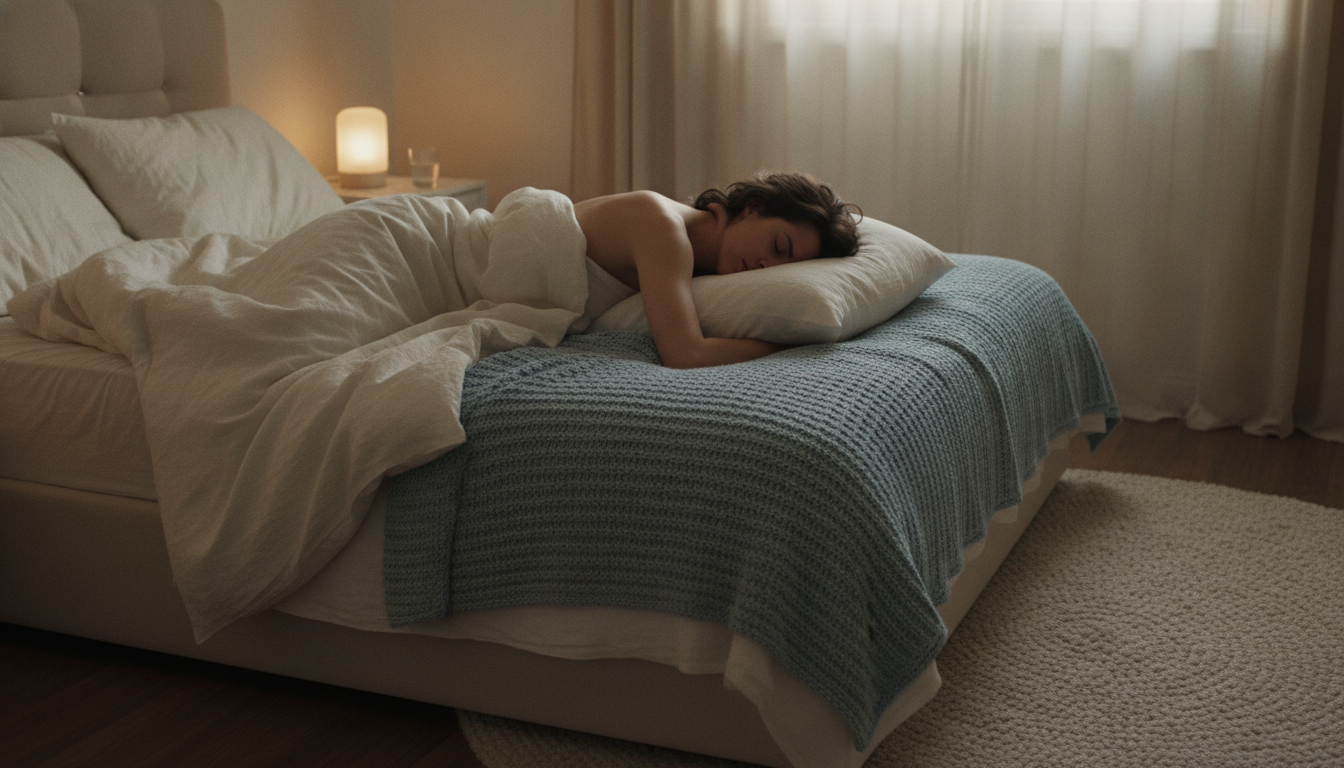
The Truth About Tummy Time: Is Sleeping on Your Stomach a Bad Habit?

Why We Love It: The Comfort and Appeal of Prone Sleeping
If stomach sleeping is so problematic, why do so many people prefer it? The appeal isn't just in your head; there are several psychological and physiological reasons why this position can feel so comforting. For one, there's a sense of security. The gentle pressure on the front of your body can feel like a comforting hug or the security of being swaddled as an infant. This can be particularly soothing for individuals with anxiety, as it creates a grounding sensation that helps calm the nervous system before sleep. There can also be a more direct physical benefit: for some, stomach sleeping can reduce snoring and symptoms of mild sleep apnea. When you lie on your back, gravity can cause your tongue and soft palate to collapse into the back of your throat, obstructing your airway. By lying on your stomach, the airway is often kept more open. However, it's crucial to note that this benefit is minor and far outweighed by the musculoskeletal risks. Finally, the most powerful factor is often simple habit. If you’ve been sleeping on your stomach since childhood, your body has adapted. Your muscles and brain have registered this as the "correct" way to sleep, making any other position feel awkward and unnatural. Breaking a habit that’s been ingrained for decades is a significant challenge, which is why many people stick with it despite waking up with a sore neck.The Downsides: How Stomach Sleeping Strains Your Spine and Neck
This is where the conversation gets serious. While the comfort is immediate, the damage from stomach sleeping is cumulative. The primary issue stems from a fundamental conflict: your body needs to lie flat, but your head needs to breathe. This forces you into a position that compromises your entire musculoskeletal system for hours on end.The Neck: A Compromised Position
To breathe while lying face-down, you must turn your head almost 90 degrees to one side. Imagine holding that position while standing up for more than a few minutes—you'd feel the strain almost immediately. Now, consider holding it for six, seven, or eight hours overnight. This extreme twist puts enormous stress on the delicate vertebrae, ligaments, and muscles in your cervical spine (your neck). This misalignment is a leading cause of waking up with stiffness, neck pain, and even tension headaches.The Spine: An Unnatural Curve
Your spine has a natural S-curve that helps it support your body and absorb shock. The best sleeping positions—on your back or side—maintain this curve. Stomach sleeping does the opposite. It flattens the natural curve in your spine and can cause your midsection to sink too deeply into the mattress, especially if it's soft. This overarching of the lower back, known as lumbar hyperlordosis, puts significant pressure on your lumbar vertebrae. Over time, this can lead to chronic lower back pain, disc issues, and sciatica."Think of your spine as a chain. If one link—in this case, the neck—is twisted and held out of alignment, it creates a cascade of stress down the entire chain. Stomach sleeping is arguably the most biomechanically stressful position you can put your body in for a prolonged period."The constant strain can also lead to nerve compression. You might wake up with tingling or numbness in your arms and hands, a condition often referred to as "pins and needles." This happens because the awkward position of your head and neck can pinch the nerves that run from your spine down to your extremities. If this becomes a regular occurrence, it’s a clear sign your sleeping position is causing problems. For some, waking up tired isn't just about lack of sleep, but about the poor quality of sleep caused by constant pain and discomfort.

Can't Quit? Tips for Safer Stomach Sleeping
The best advice from any physical therapist or chiropractor will be to switch positions. But for lifelong stomach sleepers, that’s easier said than done. If you're not ready or able to make the switch, you can implement strategies to minimize the damage and make the position safer for your body.- Use a Very Thin Pillow (or None at All): The thicker your pillow, the more extreme the angle of your neck. To reduce strain, use the thinnest pillow you can find. A pillow designed specifically for stomach sleepers or even a folded towel can keep your head closer to a neutral position relative to your spine. Many dedicated stomach sleepers find that no pillow at all is the best option.
- Place a Pillow Under Your Pelvis: This is the single most effective trick to protect your lower back. Place a flat, firm pillow under your hips and lower abdomen. This elevates your pelvis slightly, preventing your midsection from sinking into the mattress and reducing the stressful arch in your lumbar spine. It helps keep your spine in a more neutral alignment from top to bottom.
- Choose a Firmer Mattress: A soft, plush mattress is a stomach sleeper's worst enemy. Your hips and belly will sink in deeply, exaggerating the spinal curve. A medium-firm to firm mattress provides the support needed to keep your body on a more level plane, which is critical for mitigating back strain.
- Stretch in the Morning: Start your day with gentle stretches to counteract the effects of the night. Focus on neck rotations (gently looking left and right), the cat-cow stretch to mobilize your spine, and a child's pose to gently lengthen your lower back. This can help relieve stiffness and improve mobility.
Key Strategy: The Pelvic Pillow
If you only make one change, make it this one. Placing a flat pillow under your hips is a game-changer for stomach sleepers. It provides crucial support to your lower back, preventing the dangerous "U" shape your spine can form on a softer mattress and significantly reducing your risk of waking up with back pain.
How to Train Yourself to Sleep in a New Position
If you're convinced and ready to abandon stomach sleeping for good, be prepared for a transition period. It can take weeks or even months for your body to adjust. Consistency and a few clever tricks can make the process much smoother.- The Pillow Barricade: The most effective method is to use pillows to physically block you from rolling over. A full-body pillow is an excellent tool. By hugging it, you can comfortably stay on your side. Alternatively, you can build a "fortress" of regular pillows around you to keep you on your back or side.
- Start in the Right Position: Make a conscious effort to fall asleep on your side or back every single night. Even if you wake up on your stomach, the goal is to begin the night in a healthier posture. Over time, your body will slowly adapt.
- The Tennis Ball Trick: This classic (if slightly uncomfortable) method involves sewing or pinning a tennis ball to the front of your pajama shirt. When you try to roll onto your stomach, the pressure from the ball will be uncomfortable enough to make you roll back over, training your subconscious mind to avoid the position.
- Be Patient: You will likely struggle at first. The new position will feel wrong, and you might find it hard to fall asleep. This adjustment period can be frustrating and may be one of the clear signs you're overtired during the day. Stick with it. The long-term benefits of pain-free mornings and better spinal health are well worth the short-term challenge. You might also find it helpful to explore other aspects of sleep hygiene, such as understanding the role of supplements like melatonin. For more on that, you can read about whether melatonin is good for your heart.
When to Consult a Professional
While making these changes can resolve many issues, some symptoms warrant professional medical advice. Don't hesitate to speak with a doctor, physical therapist, or chiropractor if you experience any of the following:- Chronic Pain: If you consistently wake up with severe neck or back pain that doesn't improve throughout the day.
- Persistent Numbness or Tingling: If the "pins and needles" in your arms or legs are frequent or long-lasting.
- Radiating Pain: If pain shoots from your back down your leg (a potential sign of sciatica) or from your neck into your arm.
- No Improvement: If you've tried all the tips for safer sleeping and attempted to change positions but your pain and discomfort persist.
Prioritize Your Posture, Day and Night
So, is it okay to sleep on your stomach? The overwhelming consensus from health experts is no, it's not ideal. While it may feel comfortable and even offer minor benefits for snoring, the long-term risks of neck pain, spinal misalignment, and nerve issues are significant. Your sleep should be a time for your body to rest and recover, not to endure hours of biomechanical stress. If you're a devoted stomach sleeper, the best course of action is to begin the journey of switching to your side or back. If that feels impossible, implementing the strategies for safer stomach sleeping—especially using a pelvic pillow and a very thin head pillow—can dramatically reduce the harm. Listen to your body's signals. Waking up with pain is not normal; it's a message that something needs to change. By making small, conscious adjustments to your sleep habits, you can invest in a future with healthier mornings and a happier spine.Share this content:
Discover more from J and J Health
Subscribe to get the latest posts sent to your email.