
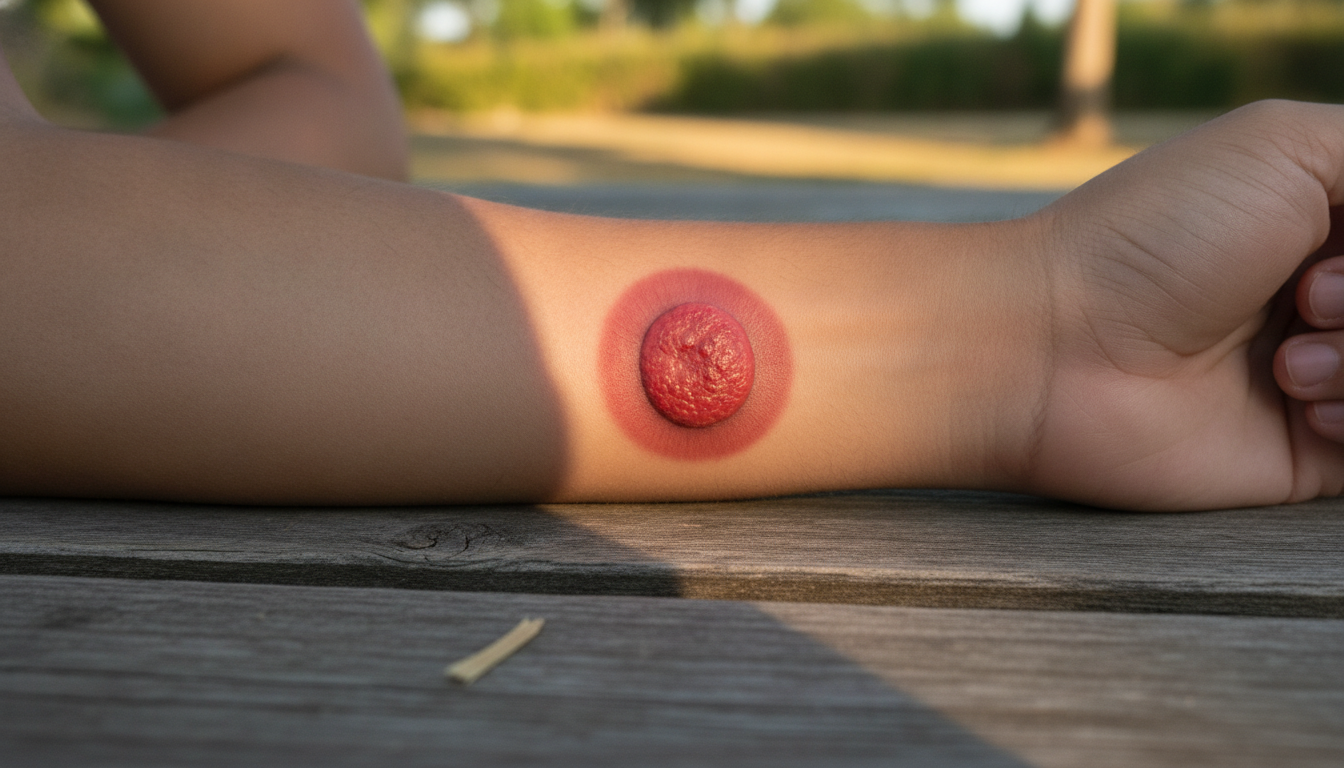
That Itchy Bite Could Be More Than an Annoyance
Most bug bites are harmless, but a simple scratch can introduce bacteria and lead to a dangerous infection. Learn the warning signs you can't afford to ignore.

Normal Reaction vs. Brewing Infection: Know the Difference
Summer evenings, hikes in the woods, and even just relaxing in your backyard often come with an unwelcome guest: the bug bite. For the most part, a mosquito or spider bite results in a small, red, itchy bump that’s more irritating than dangerous. This is a normal localized reaction. Your body's immune system is simply responding to the foreign saliva or venom injected by the insect. You can expect some minor swelling, redness, and itching that typically peaks within 24-48 hours and then gradually fades over the next few days. There are many excellent tips to prevent mosquito bites in the first place, which is always the best defense. An infection, however, is a completely different scenario. It occurs when bacteria—most commonly Staphylococcus (staph) or Streptococcus (strep)—breach the skin's protective barrier. Where do these bacteria come from? Often, they are already on your skin or, more frequently, they are transferred from underneath your fingernails when you inevitably give in to the urge to scratch. That tiny break in the skin from a fingernail is an open door for germs. The key differentiator between a normal reaction and an infection is the timeline. A normal bite gets better; an infected bite gets worse. If you notice that the pain, swelling, or redness is increasing after the first two days, it’s time to pay very close attention. Your body is no longer just dealing with bug saliva; it's fighting a bacterial invasion.Red Flags: 5 Telltale Signs of an Infected Bug Bite
Recognizing an infection early is crucial for preventing serious complications. Don't dismiss a bite that seems to be getting worse. Look for these five specific warning signs that indicate a bacterial infection has taken hold.
- Expanding Redness: A small red circle around the bite is normal. What isn't normal is redness that spreads significantly. If the red area grows to be larger than a credit card or continues to expand outwards more than an inch from the original bite, it's a major red flag for cellulitis, a common skin infection.
- Increasing Pain and Tenderness: An initial itch should subside. If it evolves into a throbbing, sharp, or tender pain that worsens with time or gentle pressure, this is a sign of a deeper inflammatory process. The area might feel bruised or acutely sensitive.
- Warmth to the Touch: Place the back of your hand over the bite and then on the surrounding, unaffected skin. If the area around the bite feels noticeably warm or hot, it indicates that your body is sending a rush of blood to the site to fight off invading bacteria. This heat is a classic sign of infection.
- Pus or Drainage: Any fluid weeping from a bug bite is a cause for concern. If you see yellowish or greenish pus, or if the bite develops a pimple-like head or a soft, fluid-filled blister, it means bacteria are multiplying and your body is creating pus in response. Do not try to pop or drain it yourself, as this can push the infection deeper.
- Red Streaks: This is the most urgent sign on this list. If you see red lines radiating away from the bite, it's a potential sign of lymphangitis. This means the infection is no longer contained to the bite site and is traveling through your lymphatic system. This condition requires immediate medical attention to prevent it from spreading throughout your body.
Beyond the Skin: Systemic Symptoms of Infection
Sometimes, the most serious signs of an infection don't appear on your skin at all. When bacteria overwhelm the local defenses, the infection can become systemic, meaning it has started to affect your entire body. These symptoms indicate the problem is escalating and you need to see a doctor without delay.- Fever and Chills: A fever is your body's natural way of trying to kill off pathogens by raising its internal temperature. If you develop a fever (a temperature of 100.4°F or 38°C or higher) and experience chills or shivers after a bug bite, it's a clear signal that the infection is more than just skin deep.
- Swollen Lymph Nodes: Your lymph nodes are small, bean-shaped glands that are part of your immune system. They act as filters for harmful substances. If an infection is present, the lymph nodes nearest the bite may become swollen, tender, and painful as they work overtime. For a bite on your arm, you might feel a tender lump in your armpit. For a bite on your leg, check the groin area.
- General Malaise: Feeling generally unwell is another key indicator. This can include fatigue, body aches, headache, or just a sense of being "off." Your body is expending a significant amount of energy to fight the infection, which can leave you feeling drained and sick, similar to how you feel with the flu.
Systemic symptoms like fever or swollen glands are your body’s alarm system. They signal that a localized skin issue is escalating into a body-wide problem that requires professional medical intervention.
Serious Complications: Why You Must Act Fast
Ignoring the signs of an infected bug bite can lead to severe and even life-threatening health problems. The bacteria responsible for the initial infection can spread rapidly, causing a cascade of dangerous conditions. While common insects are the usual culprits, it's also worth noting that bites from other pests can have unique risks; for instance, certain tick bites can even lead to a red meat allergy known as alpha-gal syndrome.Potential Dangers of Untreated Infections
An unchecked bacterial infection can progress from a simple skin issue to a medical emergency. Key complications include:- Cellulitis: A serious bacterial infection that affects the deeper layers of skin and the fat beneath. It causes redness, swelling, and pain that can spread quickly. If not treated with antibiotics, it can spread to lymph nodes and the bloodstream.
- Abscess Formation: The infection can become walled-off, creating a deep, painful, pus-filled pocket under the skin. An abscess almost always requires medical drainage in addition to antibiotics.
- Sepsis: This is the most dangerous complication. Sepsis is a life-threatening condition that occurs when the body's response to an infection damages its own tissues. It happens when the infection enters the bloodstream, leading to a body-wide inflammatory response that can cause organ failure and death.
Prevention and First Aid: Stop an Infection Before It Starts
The best way to deal with an infected bug bite is to prevent it from happening in the first place. With a few simple steps, you can significantly reduce your risk of a harmless itch turning into a serious medical issue.
Step 1: Resist the Urge to Scratch
This is the golden rule. Scratching provides momentary relief but does immense damage. Your fingernails harbor a multitude of bacteria, and scratching creates microscopic tears in the skin, giving those bacteria a direct entry point. If the itching is unbearable, try gently tapping or patting the area instead. For persistent itching, exploring some medication-free relief strategies, like applying a cold compress, can be highly effective.Step 2: Clean the Area Immediately
As soon as you notice a bite, gently wash it with mild soap and cool water. This helps remove any insect saliva, dirt, and surface bacteria that could cause an infection. Pat the area dry with a clean towel; don't rub it, as this can cause further irritation.Step 3: Apply a Soothing Treatment and Cover It
After cleaning the bite, apply a thin layer of an over-the-counter hydrocortisone cream to reduce inflammation and itching, or a triple-antibiotic ointment to help kill any lingering bacteria. Afterward, cover the bite with a simple adhesive bandage. This creates a physical barrier that not only keeps the area clean but also makes it much harder for you to scratch it unconsciously.When in Doubt, Get It Checked Out
Bug bites are an unavoidable part of life, but a resulting infection doesn't have to be. By understanding the difference between a normal reaction and the warning signs of an infection, you can take control of your health. Remember to watch for expanding redness, increasing pain, warmth, pus, or red streaks. Pay attention to your whole body, and don't ignore systemic symptoms like fever or swollen glands. Your health is not something to gamble on. If a bug bite seems to be getting worse instead of better, or if you have any reason to suspect an infection, do not hesitate. Contact your doctor or visit an urgent care clinic for a proper evaluation. A quick medical assessment can provide peace of mind and, if necessary, the simple antibiotic treatment needed to prevent a minor annoyance from becoming a major health crisis.Share this content:
Discover more from J and J Health
Subscribe to get the latest posts sent to your email.


