<br> Gastric cancer occurs when healthy stomach cells begin to grow uncontrollably. It develops slowly over the years and can spread to the liver, lungs, and bones. The most common type is adenocarcinoma, accounting for 95% of cases. Other rare types include carcinoid tumors and lymphas. Every year around 28,000 people in the US are diagnosed with gastric cancer. The majority of cases are in individuals over 65 with men being more affected than women. The incidence has decreased since the 1930s, possibly due to dietary changes and better food preservation. A significant cause of gastric cancer is the bacterium helicoacttor pylori H pylori. This bacterium leads to stomach ulcers and inflammation. It can be treated with antibiotics, making detection critical, especially for those with a family history of the disease.<br><br> Risk factors include a family history of gastric cancer, previous stomach surgery, and certain medical conditions like pernicious anemia. Lifestyle choices also impact risk. A diet high in smoked or salted foods and low in fruits and vegetables increases susceptibility. Additionally, smoking, heavy alcohol consumption, and obesity are significant lifestyle risks. Symptoms of gastric cancer can be subtle and may not appear early. Key signs to watch for a persistent tiredness, bloating after meals, painful heartburn, nausea, and unexplained weight loss. Diagnosis begins with a doctor's evaluation of symptoms and medical history. If gastric cancer is suspected, tests will follow. An endoscopy, a procedure using a small camera, allows doctors to examine the stomach. If necessary, a biopsy will confirm the presence of cancer cells. Other diagnostic tests may include CT scans for detailed imaging or MRIs that use powerful magnets to create comprehensive visuals.<br><br> Treatment typically starts with surgery to remove tumors. Depending on the stage and location, part or all of the stomach may be removed alongside nearby lymph nodes. Radiation therapy or chemotherapy may follow to eliminate remaining cancer cells. These treatments are often combined for better effectiveness. Targeted therapies aim at cancer cells while sparing healthy tissue. While imunotherapy enhances the body's defenses against cancer. For those interested in cuttingedge options, clinical trials exploring new treatments may be available. Discussing these with your doctor can be an important part of your healthcare journey. Understanding gastric cancer's causes, symptoms, and treatment is vital for early detection and effective management. Don't hesitate to consult your doctor for advice or testing if you have concerns. Your health matters.. <br><br><a href="https://www.youtube.com/watch?v=Vhbv3DPtiAs" target="_blank">As found on YouTube</a>
<br> Are you experiencing sudden changes in your health? It's crucial to recognize the early signs of multiple sclerosis. This autoimmune disease can impact your central nervous system and lead to severe complications if ignored. So, what should you look out for? There are four main early signs of MS that you should never overlook. First, painful vision loss in one eye may indicate optic neuritis. This condition causes inflammation in the optic nerve. It's often described as seen through smudged sunglasses. If pain or blurriness lasts more than a few days, seek help. Second, persistent limb weakness or numbness can signal problems. Unlike the temporary tingly sensations we've all felt, these symptoms last for hours or even days. If you experience this, don't wait.<br><br> Third, facial paralysis can occur with MS. This may cause one side of your face to droop. It's rare, but needs immediate medical attention. Lastly, severe and ongoing dizziness is another sign. If you feel unsteady and offbalance for extended periods, it may be affecting your cerebellum or brain stem. Other symptoms before diagnosis may include non-specific issues, including muscularkeeletal sensations and psychiatric concerns. If you notice these signs, consult a health care provider quickly. Determining if it's MS or another condition is essential. Pay attention to how long symptoms last and how quickly they appear. Early treatment is vital, so don't delay in seeking help from a specialist. If you notice any concerning symptoms, make an appointment today. Advocacy and early diagnosis are key to managing MS effectively. Your health is worth it.. <br><br><a href="https://www.youtube.com/watch?v=5FjtqF9O5b4" target="_blank">As found on YouTube</a>
<br> Have you ever heard of a food allergy that develops from a tig bite? It's called alpha gal syndrome and it can be serious. Let's explore what you need to know about this condition. Alpha gal syndrome is caused by a bite from certain ticks, primarily the lone star tick in the US. This allergy targets red meat and products from mammals including dairy. The implications can be life-threatening making awareness crucial.<br><br> Upon being bitten by infected ticks, their saliva transfers alpha gal molecules into our bodies. This can trigger reactions even hours after exposure. You might not realize you have this syndrome until you experience severe allergic symptoms, potentially mistaken for other causes. Symptoms usually appear 2 to 6 hours after ingesting foods with alpha gal. They can include hives, swelling, stomach pain, and in severe cases, anaphilaxis, which requires immediate medical attention. If you suspect you have alpha gal syndrome, see a health care professional or allergist.<br><br> If you experience anaphilaxis, symptoms to watch for include breathing difficulty and a rapid, weak pulse. This is a medical emergency. To prevent this allergy, avoid tig bites. Wear protective clothing like long sleeves and pants, especially in tickprone areas. Using bug sprays containing de can also help. Perform thorough checks for ticks after outdoor activities. Showering soon after being in wooded or grassy areas can wash off any ticks. If you find a tick, remove it carefully with tweezers and clean the bite area. In summary, alpha gal syndrome is a significant food allergy linked to tig bites. Understanding it empowers you to recognize symptoms, seek help, and take preventive measures. Stay informed, stay safe, and please consult a health care professional if you have concerns. For more detailed information and expert health tips, subscribe to newsletters from trusted health organizations like the Mayo Clinic Today.. <br><br><a href="https://www.youtube.com/watch?v=bPnypDLl3Oo" target="_blank">As found on YouTube</a>
<br> Are you or someone you know suffering from Crohn's disease? This chronic condition affects millions. Let's break it down. Crohn's disease is an inflammatory bowel disease that can cause severe digestive issues. It's important to recognize its symptoms, causes, and treatment options. Symptoms include abdominal pain, diarrhea, weight loss, and fatigue. Flare-ups can occur unpredictably. Understanding your triggers and maintaining a symptom diary can help manage these episodes.<br><br> Causes of Crohn's disease are unclear, but genetics, immune responses, and environmental factors play a role. Certain individuals may be at a higher risk, making awareness crucial. Diagnosis typically involves a series of tests, including blood tests and colonoscopies. Early diagnosis can lead to more effective management of the condition. Treatment options vary and may include medications such as anti-inflammatory drugs and disease modifying therapies. In severe cases, surgery may be necessary. Always consult with a health care professional to tailor the approach that's right for you. Living with Crohn's disease can be challenging. Maintaining a balanced diet is key. Incorporate low- fiber foods during flare-ups while staying hydrated. Emotional support from family and friends can also significantly impact mental health. Complications can arise, including bowel obstructions and malnutrition. Therefore, regular checkups are vital for ongoing health. For more information and resources, don't hesitate to seek help and connect with support groups. If you or someone you know struggles with Crohn's disease, remember you're not alone. Educate yourself and take proactive steps in managing your health today.. <br><br><a href="https://www.youtube.com/watch?v=hS0HyjgenC4" target="_blank">As found on YouTube</a>
Have you ever experienced involuntary movements you couldn't control? This could be a sign of tardive diskynesia or TD. Discover more about this condition and learn how to effectively manage its symptoms. Tardive disynesia is a movement disorder that stems from medication that blocks dopamine in the brain. Dopamine is crucial for controlling our movements and functioning. Symptoms of TD can appear months or even years after starting treatment, making diagnosis challenging.
When you have TD, you may have jerky, stiff movements across your body. This can include blinking, tongue sticking, or uncontrollable arm movements. Not everyone taking anti-csychotic or antiimetic medications will develop TD, but awareness is key. Antiscychotics often prescribed for disorders like schizophrenia and antiimetics which treat nausea can lead to TD. Examples include haliperidol for antiscsychotics or metoclopramide for nausea. The risk for TD increases with the duration of these medications. There are several risk factors associated with TD. Women over 40, those with existing medical issues or a history of substance abuse may be more susceptible. Diagnosis can be complicated. Symptoms might not appear until well after medication sessation.
Doctors commonly use the abnormal involuntary movement scale or aims to assess TD. Additional tests can rule out other conditions causing similar symptoms, ensuring accurate diagnosis. Preventing TD involves discussing medication options with your doctor. Consider asking about side effects and the benefits versus risks. If you notice unusual movements, consult your doctor promptly. They'll be able to adjust your medication or introduce new treatments. Treatment options range from lowering dosages to using medications that ease symptoms like benzoazipines or specialized treatments like buttroenazine. In more severe cases, procedures like deep brain stimulation might be considered. Supplements, while not scientifically proven, are sometimes explored for additional relief. Always consult your doctor before trying new supplements.
Tardive diskynanesia can be daunting, but it's crucial to remain vigilant about your symptoms. With early diagnosis and appropriate treatment, remission is possible. If you experience uncontrolled movements, reach out to your health care provider for guidance. Don't let tardive disynesia control your life. Be proactive about monitoring your health. Talk to your doctor about your symptoms and explore treatment options together. Start your journey toward managing tardiff disanesia today..
Are you concerned about your child's eating habits? Teaching them healthy eating can shape their future. By modeling good behaviors, you can help maintain their healthy weight and growth. Understanding your child's health is crucial. Consult a health care provider to evaluate their weight, height, and BMI. This guidance can help identify if any dietary changes are necessary. Start with portion control and reducing fat and sugar intake. Serve low-fat or non-fat dairy, skinless poultry, and lean meat. Offer whole grain breads and cereals along with healthy snacks like fruits and vegetables. Limit sugar sweetened drinks and salt in their diet.
If you're unsure about food choices, seek advice from a registered dietician. Avoid placing your child on a restrictive diet unless supervised by a doctor. Encouraging healthy eating habits at home is simple. Offer a variety of healthy foods without dictating choices. Remove unhealthy options from your grocery list. Serve water during meals. Teach your child to eat slowly. This helps them recognize hunger and fullness. Before a second serving, ask them to wait 15 minutes. If they are still hungry, offer veggies as part of the second helping. Meal times are important. Eat together as a family and keep conversations pleasant. This creates a positive atmosphere around food. Involve your kids in shopping and meal prep. This teaches them about nutrition and makes them more likely to try new foods.
Plan for nutritious snacks at specific times. Avoid constant snacking to prevent overeating. Keep healthy options within reach. Set family goals around treats. Consider limiting desserts and sodas to weekends to promote healthier habits. Encourage hydration by ensuring they finish water before dinner. Discourage eating while watching TV. Designate meal time areas to help your child pay attention to fullness. Always encourage water intake.
Avoid using food as a reward or punishment. This helps maintain a positive relationship with food. Finally, ensure meals outside home are balanced. Check school lunch programs or pack nutritious lunches. Pay attention to portion sizes and read food labels to limit trans fats. Embrace these habits for a healthier future for your children. Start today for their well-being, happiness, and lifelong health..
Are you concerned about your child's eating habits? Teaching them healthy eating can shape their future. By modeling good behaviors, you can help maintain their healthy weight and growth. Understanding your child's health is crucial. Consult a health care provider to evaluate their weight, height, and BMI. This guidance can help identify if any dietary changes are necessary. Start with portion control and reducing fat and sugar intake. Serve low-fat or non-fat dairy, skinless poultry, and lean meat. Offer whole grain breads and cereals along with healthy snacks like fruits and vegetables. Limit sugar sweetened drinks and salt in their diet. If you're unsure about food choices, seek advice from a registered dietician. Avoid placing your child on a restrictive diet unless supervised by a doctor. Encouraging healthy eating habits at home is simple. Offer a variety of healthy foods without dictating choices. Remove unhealthy options from your grocery list. Serve water during meals. Teach your child to eat slowly. This helps them recognize hunger and fullness. Before a second serving, ask them to wait 15 minutes. If they are still hungry, offer veggies as part of the second helping.
Meal times are important. Eat together as a family and keep conversations pleasant. This creates a positive atmosphere around food. Involve your kids in shopping and meal prep. This teaches them about nutrition and makes them more likely to try new foods. Plan for nutritious snacks at specific times. Avoid constant snacking to prevent overeating. Keep healthy options within reach. Set family goals around treats. Consider limiting desserts and sodas to weekends to promote healthier habits. Encourage hydration by ensuring they finish water before dinner. Discourage eating while watching TV. Designate meal time areas to help your child pay attention to fullness. Always encourage water intake. Avoid using food as a reward or punishment. This helps maintain a positive relationship with food. Finally, ensure meals outside home are balanced. Check school lunch programs or pack nutritious lunches. Pay attention to portion sizes and read food labels to limit trans fats.
Embrace these habits for a healthier future for your children. Start today for their well-being, happiness, and lifelong health..
Join me as I dive into the world of healthy fats and challenge some of the biggest myths you probably believe are true. Healthy fats have been a topic of discussion for quite some time and it's essential to understand their role in our diet. They are crucial for brain function, hormone production, and absorption of vitamins. Despite their importance, many myths surround healthy fats, making it challenging to separate fact from fiction. One of the most common misconceptions is that all fats are bad for our health. This myth likely originated from the idea that fat consumption leads to weight gain. However, not all fats are created equal. We also tend to believe that low-fat or fat-free products are always healthier, which isn't necessarily true. Many of these products compensate for the lack of fat with added sugars or artificial ingredients. Another misconception is that eating fat will clog our arteries and lead to heart disease. While it's true that excessive fat consumption can be problematic, healthy fats can help lower cholesterol levels.
Some people also think that fat is not essential for the body, which is far from the truth. Our bodies need fat to function properly. The fear of fat has led many to adopt low-fat diets. But this approach can be misleading. By cutting out fat entirely, we might miss out on essential nutrients. A balanced diet that includes healthy fats can provide numerous benefits. Let's talk about some of the best sources of healthy fats.
Omega-3 fatty acids found in fatty fish like salmon and sardines are incredible for heart health and brain function. Monounsaturated fats present in avocados and olive oil can help lower cholesterol levels and provide sustained energy. These fats are not only beneficial but also delicious and versatile. The benefits of omega-3s don't stop there. They also have anti-inflammatory properties which can help with conditions like arthritis. Some people believe that you can only get these benefits from supplements, but that's not the case. You can easily incorporate omega-3s into your diet through food sources. Monounsaturated fats, on the other hand, are great for cooking and adding flavor to your meals. One of the most surprising myths about healthy fats is that they all have a similar impact on our health. However, the truth is that different types of fats have distinct effects on our bodies. For instance, saturated fats can raise cholesterol levels while unsaturated fats can help lower them. Understanding these differences is crucial for making informed choices about our diet. When we eat a variety of healthy fats, we can enjoy their benefits while minimizing potential drawbacks.
So, how can you incorporate these healthy fats into your daily meals? Start by adding nuts and seeds to your breakfast or using olive oil in your cooking. Incorporating healthy fats into your diet can have a significant impact on your overall health. By understanding the different types of fats and their benefits, you can make better choices. A balanced diet that includes a variety of healthy fats can provide sustained energy and support heart health. To recap, healthy fats are essential for our bodies, and it's crucial to separate myths from facts. Not all fats are bad, and some can even help with weight management and heart health. By incorporating healthy fats into our diet, we can enjoy their benefits and live a healthier lifestyle. If you have any thoughts on healthy fats or other nutrition topics, leave them in the comments below. If you're interested in learning more about nutrition, check out my other video on the best foods for a healthy gut. Thanks for watching and I'll see you in the next one..
Join me as I delve into the mystery of osteoarthritis pain and attempt to uncover what's truly causing it. Osteoarthritis pain is a real gamecher affecting millions of people worldwide. It's not just a matter of a little joint pain. It can completely flip your life upside down. Simple tasks like walking or climbing stairs can become daunting challenges. Understanding what drives this pain is crucial if you want to take back control of your life. For people dealing with osteoarthritis, pain is often the constant companion. Imagine having to plan your day around how much pain you might be in or worrying about whether you'll be able to walk your dog or play with your grandkids. It's tough. And it's not just about the pain. It's about how it limits your mobility and affects your relationships. You might find yourself avoiding social events or feeling like you're stuck at home all the time. The impact on daily life is real. Simple pleasures like gardening or cooking can become painful reminders of what you can't do like you used to. Even getting dressed or taking a shower can feel like a monumental task.
And let's not forget about the emotional toll feeling like you're losing your independence or that your body is turning against you. At its core, osteoarthritis pain is about the breakdown of cartilage in your joints. But what causes that breakdown in the first place? Well, it's not just one thing. It's a mix of factors that can lead to osteoarthritis pain. Age is a big one. As we get older, our joints naturally start to wear down. It's like our joints have a mileage counter and the more miles we rack up, the more likely they are to start showing signs of wear. Genetics also plays a role. If your family members have had osteoarthritis, you might be more likely to develop it, too.
Previous injuries like a sports injury or a car accident can also set the stage for osteoarthritis pain later in life. Lifestyle factors are also huge. Being overweight puts extra stress on your joints, especially your knees and hips. And while exercise is important, repetitive stress on your joints from certain activities can also contribute to osteoarthritis pain. So, it's not just about getting older. It's about how we live our lives, too. Here's the thing. While osteoarthritis pain can feel overwhelming, there are ways to manage and alleviate it. Making lifestyle changes like losing weight or switching to lower impact exercises can make a huge difference. Early intervention is key. The sooner you start addressing the causes of your pain, the better off you'll be.
You don't have to let osteoarthritis pain control your life. Taking control starts with understanding what drives your pain. By making a few changes and getting the right support, you can start living the life you want without letting osteoarthritis pain hold you back. So, what can you do today to start taking control of your osteoarthritis pain? To wrap it up, osteoarthritis pain is complex, but it's not a mystery that can't be solved. By understanding its causes and taking proactive steps, you can improve your quality of life. It's about making informed choices and taking care of yourself.
If you've dealt with osteoarthritis pain, I'd love to hear about your experiences or answer any questions you might have. Just leave a comment below. And if you're looking for more tips on managing osteoarthritis, check out our video on effective strategies to help you take control of your pain..
What Is Happening Inside Your Body With Endometriosis?
Endometriosis is way more than just painful periods, and I’m here to break down exactly what’s going on in your body. So, what exactly is endometriosis? Well, it’s a condition where tissue similar to the lining of the uterus grows outside of it, leading to a whole lot of unwanted symptoms and complications. The thing is, most people don’t really understand what’s happening inside their bodies when they have endometriosis, and that’s exactly what we’re going to dive into today.
Understanding Endometriosis
When tissue grows outside of the uterus, it can cause all sorts of problems—from chronic pain to fertility issues and even lead to feelings of anxiety and depression. It’s a pretty complex condition, but understanding it is key to managing it effectively. So, let’s get to the bottom of what’s really going on inside your body.
Symptoms and Challenges
Individuals with endometriosis often face a multitude of challenges. From chronic pelvic pain to heavy or irregular periods and even infertility, the pain can be so debilitating that it affects every aspect of life—from relationships to work and even daily activities. And to make matters worse, diagnosis can be a lengthy process involving multiple doctor’s visits, tests, and even surgery.
Endometriosis can lead to a variety of symptoms that are not only physically challenging but also emotionally and mentally taxing. The pain can range from mild to severe and is often described as cramping or stabbing sensations in the pelvic area. For some, the pain is so intense that it interferes with their ability to engage in everyday activities, including work, exercise, and social interactions. The unpredictability of the symptoms can make planning and living life difficult, often leading to feelings of frustration and helplessness.
The impact of endometriosis goes beyond physical discomfort. Many affected individuals struggle with fatigue, digestive issues, and even bladder problems. The hormonal fluctuations associated with the menstrual cycle can exacerbate these symptoms, creating a cyclical pattern of suffering. This constant battle with pain and discomfort can lead to a decline in mental health, contributing to anxiety, depression, and a diminished quality of life.
The Emotional Toll
The lack of understanding and awareness about endometriosis often leads to feelings of isolation and frustration, making it even harder for individuals to cope with their symptoms. It’s not uncommon for people to be misdiagnosed or dismissed, told that their symptoms are just part of being a woman, or that they’re just being dramatic. But the truth is, endometriosis is a real physical condition that affects millions of people around the world.
Living with endometriosis can be a lonely experience, as many individuals feel misunderstood or unsupported by those around them. The societal stigma surrounding menstrual health and the normalization of period pain can prevent individuals from seeking or receiving the help they need. Being told that their pain is a normal part of womanhood can be invalidating and discouraging, leading to a cycle of silence and self-doubt.
Moreover, the emotional burden of endometriosis is compounded by the uncertainty of the condition. The unpredictable nature of symptoms and the potential for infertility can create anxiety about the future. Many individuals worry about their ability to have children or maintain relationships, adding another layer of stress to their lives. The emotional and psychological impact of endometriosis can be as challenging as the physical symptoms, if not more so.
Why Does Endometriosis Happen?
But why does endometriosis happen in the first place? Well, the exact cause is still unknown, but there are several theories. Some researchers believe that it may be linked to hormonal imbalances, while others think it could be related to genetic factors or environmental toxins. One thing is certain, though—endometriosis is not just a woman’s issue; it’s a human issue. It affects people of all ages, races, and backgrounds, and it’s essential that we approach it with compassion, understanding, and empathy.
One popular theory is the concept of retrograde menstruation, where menstrual blood flows backward through the fallopian tubes into the pelvic cavity instead of leaving the body. This backward flow could potentially deposit endometrial-like cells in areas outside the uterus, where they can implant and grow. While this theory explains the presence of endometrial tissue outside the uterus, it does not account for why some individuals develop endometriosis while others do not.
Genetic predisposition is another area of interest for researchers. Studies have shown that individuals with a family history of endometriosis are at a higher risk of developing the condition themselves. This genetic link suggests that certain hereditary factors may contribute to the development of endometriosis, although the exact genes involved remain unclear.
Environmental factors, such as exposure to endocrine-disrupting chemicals, are also being investigated as potential contributors to endometriosis. These chemicals, found in various industrial and consumer products, can interfere with hormonal regulation and may play a role in the development and progression of the condition. Understanding the complex interplay of these factors is crucial for developing effective prevention and treatment strategies.
Hope and Future Treatments
But here’s the thing: there is hope. Recent breakthroughs in research and treatment options offer new possibilities for those suffering from endometriosis. From hormone therapies to surgical interventions, there are more options available than ever before. Let’s talk about some of the latest advancements in endometriosis research. Researchers have been working on developing new, more accurate diagnostic tests and even exploring the possibility of non-invasive treatments like stem cell therapy.
One promising avenue of research involves the development of more precise diagnostic tools. Currently, laparoscopic surgery is the gold standard for diagnosing endometriosis, but it is invasive and not always accessible. Scientists are exploring the use of imaging techniques and biomarkers to identify endometriosis non-invasively. These advancements could lead to earlier detection and intervention, improving outcomes and reducing the burden of the disease.
In terms of treatment, hormonal therapies remain a cornerstone for managing endometriosis symptoms. These treatments aim to reduce or eliminate menstruation, thereby minimizing the growth and activity of endometrial-like tissue. However, researchers are also investigating alternative treatments, such as immune-modulating therapies and novel drug targets, to address the underlying causes of the condition more effectively.
Supporting Those Affected
There’s also been a growing focus on the emotional and mental health aspects of endometriosis, with many healthcare providers now offering counseling and therapy services specifically designed for people with endometriosis. The future of endometriosis treatment looks brighter than ever, and it’s essential that we stay informed and up-to-date on the latest developments.
Support groups and online communities have emerged as invaluable resources for individuals with endometriosis. These platforms provide a safe space for sharing experiences, offering advice, and finding solidarity in the face of a challenging condition. Connecting with others who understand the unique struggles of endometriosis can be empowering and reassuring, reducing feelings of isolation and fostering a sense of belonging.
Education and advocacy are also vital components of support. Raising awareness about endometriosis can help dispel myths, challenge stigma, and promote understanding among the general public. By educating others about the realities of living with endometriosis, we can create a more inclusive and supportive environment for those affected.
In summary, endometriosis is a complex, multifaceted condition that affects millions of people around the world. It’s not just about painful periods; it’s about the impact it has on daily life, relationships, and overall well-being. Understanding endometriosis is key to managing it effectively, and it’s essential that we approach it with compassion, empathy, and understanding. By staying informed, staying proactive, and staying supportive, we can make a real difference in the lives of those affected.
So, what do you think? Have you or someone you know been affected by endometriosis? Share your experiences, your thoughts, and your stories in the comments below. Thanks for reading, and if you found this post helpful, please share it with others who might benefit from it.
Is Your Body Sending These Early Warning Signals? Recognizing Perimenopause
Most women have no idea they’re in perimenopause until it’s too late. But I’m here to break down the signs you need to watch for. Perimenopause is a crucial phase in women’s health that often goes unrecognized. It’s a transitional period leading up to menopause where hormone levels fluctuate, causing a range of symptoms. Despite its significance, perimenopause remains shrouded in mystery, leaving many women unaware of what to expect.
The lack of awareness surrounding perimenopause can be attributed to the absence of open conversations about women’s health. We’re often encouraged to prioritize our reproductive health, but when it comes to menopause, the silence is deafening. As a result, many women are left feeling isolated and confused, unsure of what’s happening to their bodies. This silence not only affects individual women but also contributes to a societal disregard for an important phase in women’s lives.
Why Perimenopause Awareness Matters
It’s essential to acknowledge that perimenopause is not just a natural part of aging but a critical phase that requires attention and care. By understanding its signs and symptoms, women can take control of their health and make informed decisions about their well-being. The importance of perimenopause awareness cannot be overstated. It’s a vital step towards empowering women to take charge of their health, and it’s long overdue.
One of the most significant misconceptions surrounding perimenopause is that it’s a sudden event. Many women believe that menopause happens overnight. But the truth is, perimenopause can last for years, even decades. During this time, hormone levels fluctuate, causing a range of symptoms that can be debilitating. Understanding this can help in planning and seeking appropriate medical advice.
Common Misconceptions
Another misconception is that perimenopause is just about hot flashes and mood swings. While these symptoms are common, they’re not the only signs of perimenopause. In reality, the symptoms can be vast and varied, ranging from sleep disturbances to vaginal dryness. This diversity in symptoms often leads to confusion and misinterpretation, even among healthcare providers.
The lack of education surrounding perimenopause leads to widespread misconceptions. Many women believe that perimenopause means they’re no longer fertile, but that’s not always the case. Women can still get pregnant during perimenopause, and it’s essential to practice safe sex to avoid unplanned pregnancies. This highlights the need for comprehensive reproductive education throughout a woman’s life.
Challenges in Identifying Symptoms
The challenges women face when identifying the signs of perimenopause are multifaceted. On the one hand, many women are reluctant to discuss their symptoms with their healthcare providers due to embarrassment or shame. On the other hand, healthcare providers may not always be aware of the signs of perimenopause, leading to misdiagnosis or delayed diagnosis. This gap in communication and understanding can significantly impact the quality of care women receive.
Women of color face unique challenges when it comes to perimenopause. Historically, women of color have been marginalized in the healthcare system, leading to delayed diagnosis and inadequate treatment. It’s essential to recognize the intersectionality of women’s health and ensure that all women have access to quality care. Addressing these disparities is crucial for achieving health equity.
Recognizing Subtle Signs
The signs of perimenopause can be subtle, making it challenging for women to identify them. Many women experience symptoms that are dismissed as stress or anxiety, but in reality, they may be signs of perimenopause. Perimenopause can be a lonely experience, but it doesn’t have to be. By sharing our experiences and supporting one another, we can create a community that’s empowered and informed.
The Societal Aspect of Perimenopause
The stakes are high when it comes to perimenopause. Women who are unaware of their symptoms may delay seeking medical attention, leading to more severe symptoms and long-term health consequences. It’s essential to recognize that perimenopause is not just a personal issue but a societal problem. By addressing the systemic barriers that prevent women from accessing quality care, we can create a more inclusive and supportive environment for women’s health.
The journey to understanding perimenopause is complex, but it’s essential to break down the stigma surrounding women’s health. By discussing our symptoms openly and honestly, we can create a culture that’s more accepting and supportive. This cultural shift can lead to better support systems and improved mental health for women undergoing this transition.
Common Symptoms of Perimenopause
Irregular periods are one of the most common signs of perimenopause. As hormone levels fluctuate, women may experience changes in their menstrual cycle, including heavier or lighter periods or periods that stop and start. Mood swings are another common symptom. Hormonal changes can lead to irritability, anxiety, and depression, making it challenging for women to cope with daily life.
Physical changes are also a hallmark of perimenopause. Women may experience hot flashes, night sweats, and sleep disturbances, making it challenging to get a good night’s sleep. Vaginal dryness is another common symptom. Decreased estrogen levels can lead to vaginal dryness, itching, and pain during sex, making intimacy challenging.
Memory loss and cognitive changes are often overlooked as signs of perimenopause. Hormonal changes can affect memory and concentration, making it challenging for women to focus and remember things. Changes in libido are another common symptom. Decreased estrogen levels can lead to a decrease in libido, making intimacy challenging.
Bloating and weight gain are also common symptoms of perimenopause. Hormonal changes can lead to water retention and weight gain, making it challenging for women to maintain a healthy weight. Changes in skin and hair are often overlooked as signs of perimenopause. Hormonal changes can lead to dry skin, wrinkles, and hair loss, making it challenging for women to maintain a healthy appearance.
Empowering Women Through Awareness
The most critical insight about perimenopause is that it’s not just a personal issue but a societal problem. By addressing the systemic barriers that prevent women from accessing quality care, we can create a more inclusive and supportive environment for women’s health. Empowered women are those who take control of their health. By understanding the signs of perimenopause, women can make informed decisions about their well-being and seek medical attention when necessary.
Hormone changes are at the heart of perimenopause. Understanding how hormone levels fluctuate and affect the body is crucial for managing symptoms and making informed decisions about treatment. Self-care is essential during perimenopause. By prioritizing self-care, women can manage their symptoms and maintain a healthy quality of life.
Seeking Medical Advice
Seeking medical advice is critical during perimenopause. By consulting with a healthcare provider, women can receive a proper diagnosis and develop a treatment plan that’s tailored to their needs. Education is the key to perimenopause awareness. By educating ourselves and others, we can create a culture that’s more accepting and supportive of women’s health.
In conclusion, perimenopause is a complex and multifaceted phase that requires attention and care. By understanding its signs and symptoms, women can take control of their health and make informed decisions about their well-being. Perimenopause awareness is not just a personal issue but a societal responsibility. By recognizing the importance of women’s health, we can create a more inclusive and supportive environment for all women.
If you’re experiencing any symptoms of perimenopause, I encourage you to share your experiences in the comments below. Don’t forget to check out our next video, where we’ll dive deeper into menopause management strategies. Thanks for watching. If you found this video helpful, please like, subscribe, and click on the bell for more health tips and updates.
7 Hidden Signs of Inflammation Your Body is Showing Right Now!
Join me as I dive into the surprising symptoms of inflammation that you might be ignoring. Inflammation—it’s a word we’ve all heard before, but do we really understand what it means for our health? When we think of inflammation, we often imagine redness, swelling, and pain. But the truth is, it can manifest in many unexpected ways, some of which might be going on right under our noses.
You might be thinking, “What’s the big deal? I’ve had a few aches and pains before; it’s no major concern.” But the reality is that chronic inflammation can lead to serious health issues if left unchecked—from arthritis to heart disease and even cancer. So why are we so quick to overlook these symptoms? Maybe it’s because we don’t always associate them with inflammation, or maybe we just don’t know what to look for. Whatever the reason, it’s time we started paying attention.
Debunking Common Myths About Inflammation
There’s a common myth that inflammation is just a natural part of aging. But that’s simply not true. Inflammation is a sign that our bodies are trying to fight off some kind of stress or infection, and if we don’t address the root cause, it can lead to some serious long-term consequences.
One of the biggest misconceptions about inflammation is that it only affects our joints. Yes, joint pain is a common symptom, but inflammation can affect almost any part of our bodies—from our skin to our organs. For example, did you know that inflammation is a major contributor to skin conditions like acne and rosacea?
Unexpected Triggers and Symptoms
Another common myth is that inflammation is only caused by physical injury or infection. But the truth is that inflammation can be triggered by a whole range of factors, including diet, stress, and even environmental toxins. In reality, inflammation is a complex process that involves our entire immune system. It’s not just about joint pain or swelling; it’s about our bodies reacting to some kind of threat, whether that’s a foreign invader or an imbalance in our internal environment.
And that’s exactly why it can manifest in so many unexpected ways—from digestive issues to mood disorders. Yes, you heard that right: inflammation can even affect our mental health! It’s no wonder then that chronic inflammation has been linked to some of the most common diseases of our time, from heart disease to diabetes.
Subtle Signs You Might Be Missing
The scary thing is that most of us are walking around with some level of inflammation without even realizing it. And that’s because the symptoms can be so subtle, so insidious, that we barely even notice them. Take, for instance, the humble sinus infection. Most of us have had one at some point, but did you know that chronic sinus inflammation can lead to some serious complications, including asthma and even neurological disorders?
Or what about gut health? We all know that a healthy gut microbiome is essential for our overall well-being, but did you know that an imbalance in that microbiome can lead to chronic inflammation throughout our bodies? And what about our skin? Acne, rosacea, eczema—these are all classic signs of inflammation. But did you know that chronic skin inflammation can lead to some serious scarring and even skin cancer?
The Impact on Mental Health
One of the most surprising symptoms of inflammation is its impact on our mental health. Did you know that chronic inflammation has been linked to depression, anxiety, and even bipolar disorder? But how does this work?
Well, when our bodies are in a state of chronic inflammation, our brains are constantly receiving signals that something is wrong. This can lead to feelings of anxiety, fatigue, and even depression. And it gets even worse—chronic inflammation can actually change the structure of our brains, leading to long-term damage and even neurodegenerative diseases like Alzheimer’s and Parkinson’s.
Digestive Issues and Weight Gain
Another surprising symptom of inflammation is its impact on our digestion. We all know that a healthy gut microbiome is essential for our overall health, but did you know that chronic inflammation in the gut can lead to some serious digestive issues, from IBS to Crohn’s disease?
But what about weight gain? Did you know that chronic inflammation can actually lead to weight gain and obesity? And it’s not just about the numbers on the scale—chronic inflammation can lead to some serious metabolic disorders, from insulin resistance to type 2 diabetes. This occurs because inflammation can interfere with the body’s ability to regulate hormones that control appetite and fat storage. As a result, it can make losing weight more difficult and contribute to the development of obesity-related health problems.
Skin Problems and Beyond
One of the most shocking symptoms of inflammation has got to be its impact on our skin. We all know that acne and rosacea are common signs of inflammation, but did you know that chronic skin inflammation can lead to some serious scarring and even skin cancer?
The truth is, chronic inflammation can manifest in almost any part of our bodies—from our eyes to our ears and even our hair. For instance, inflammation can contribute to eye conditions such as uveitis, which can cause redness, pain, and vision problems. Similarly, inflammation of the ear, known as otitis, can lead to pain and hearing difficulties. Even hair loss can be linked to inflammatory conditions like scalp psoriasis or alopecia areata.
Managing Inflammation in Daily Life
So what can we do about it? How can we start to recognize and manage inflammation in our daily lives? In a future video, we’ll be exploring some of the top tips and techniques for managing inflammation and taking control of our health. This might involve lifestyle changes, such as adopting an anti-inflammatory diet rich in fruits, vegetables, and whole grains while reducing processed foods, sugars, and unhealthy fats. Regular exercise and stress management techniques like meditation or yoga can also play a crucial role in reducing inflammation.
But for now, I want to hear from you. Have you experienced any of these unexpected symptoms of inflammation? Share your stories in the comments below. Thanks for reading, and don’t forget to subscribe for more health and wellness content!
Join me on a journey to uncover the healthy habits we’re all doing wrong and see how we can tweak them for a better lifestyle. We often think about healthy habits as the obvious ones: exercising regularly, eating fruits and veggies, and getting enough sleep. But what if I told you that even with the best intentions, you might be doing some of these habits wrong? It’s not about being perfect—it’s about being informed and making small changes that can make a big difference in your overall health. Adopting healthy habits is not a one-size-fits-all approach; what works for someone else might not work for you. The key is to be open to learning, listening to your body, and making adjustments as needed. By doing so, you can optimize your habits to achieve the best possible results for your unique body and lifestyle.
Are You Hydrated Enough?
We’ve all been there: thinking we’re doing everything right yet not seeing the results we want. It might be because we’re not hydrated enough. Did you know even mild dehydration can cause fatigue, headaches, and difficulty concentrating? Many of us walk around dehydrated without realizing it. It’s not about drinking eight glasses of water a day; it’s about listening to your body and drinking when you’re thirsty. However, it’s important to note that thirst isn’t always the most reliable indicator of hydration status, especially in older adults or during intense physical activities. Therefore, monitoring the color of your urine can also be an effective way to gauge your hydration levels. Ideally, it should be a pale straw color.
Furthermore, proper hydration isn’t just about water. Electrolytes, which include minerals such as sodium, potassium, and magnesium, are also vital in maintaining fluid balance in the body. Consuming foods rich in these minerals or incorporating them through beverages like sports drinks can aid in staying hydrated, especially after exercise or in hot climates. Remember, maintaining hydration is an ongoing process throughout the day, not something that can be achieved by guzzling a large amount of water at once.
The Diet Food Trap
Another common misconception is that low-fat or diet foods are healthy. The truth is many of these products are highly processed and contain additives that can be detrimental to our health. These foods often replace fats with sugars or artificial sweeteners, which can lead to other health issues, including metabolic disorders. Instead of cutting out fat or calories, focus on nourishing your body with whole, nutrient-dense foods. Healthy fats, such as those found in avocados, nuts, and olive oil, are essential for brain health and hormone production. Additionally, whole foods tend to be more satiating, reducing the likelihood of overeating and helping maintain a healthy weight naturally.
Understanding food labels is crucial in avoiding the diet food trap. Being aware of ingredient lists and nutritional information can help you make more informed decisions about what you’re putting into your body. Aim to choose foods with fewer ingredients and those that you can easily recognize or pronounce. Prioritize quality over quantity, and always remember that moderation is key to a balanced diet.
Exercise: Quality Over Quantity
When it comes to exercise, it’s not about doing as much as possible; it’s about doing what’s right for your body. If you’re new to exercise, start slow and build up gradually to avoid injury or burnout. If you’ve been exercising for a while, it might be time to mix things up and try something new to avoid plateaus. Incorporating a variety of exercise types—such as strength training, cardiovascular activities, and flexibility exercises—can provide a more comprehensive approach to fitness and help maintain interest by keeping your routine fresh and engaging.
Listening to your body’s signals is crucial in determining the right balance of exercise intensity and duration. Overtraining can lead to fatigue and increased risk of injuries, whereas undertraining might not yield the desired health benefits. It’s important to find that sweet spot where you challenge yourself without overexerting. Furthermore, setting realistic goals and tracking progress can help keep you motivated and focused on your fitness journey.
The Importance of Rest and Recovery
One of the biggest surprises I’ve learned on my health journey is the importance of rest and recovery. So many of us push ourselves too hard with exercise, work, or other responsibilities. But the truth is, our bodies need rest and relaxation to function at their best. By incorporating more rest into our daily routines, we can improve our mood, increase our energy levels, and even boost our immune systems. It’s not about being lazy; it’s about being intentional with our time and making self-care a priority.
Quality sleep is a cornerstone of effective rest and recovery. Ensuring you get enough sleep, ideally between seven and nine hours per night, can significantly impact your overall health. Establishing a relaxing bedtime routine, reducing screen time before bed, and creating a comfortable sleep environment can all contribute to better sleep quality. Additionally, incorporating mindfulness practices such as meditation or deep breathing exercises can help reduce stress and enhance your relaxation efforts.
Probiotics: The Overlooked Essential
Another surprising habit people often get wrong is the importance of getting enough probiotics. Probiotics are the good bacteria that live in our gut and help our bodies function at their best. Yet, many of us lack these essential little helpers. By adding more probiotics into our diets—whether through supplements, fermented foods, or probiotic-rich yogurt—we can boost our immune systems, improve our digestion, and even support our mental health. A healthy gut microbiome is associated with numerous health benefits, including increased nutrient absorption and a reduced risk of chronic diseases.
It’s also important to consider prebiotics, which are non-digestible fibers that feed the good bacteria in your gut. Foods like garlic, onions, asparagus, and bananas are excellent sources of prebiotics. By combining probiotics and prebiotics in your diet, you create a synergistic effect that supports a thriving gut microbiome.
There’s so much more to healthy habits than just eating fruits and veggies and exercising regularly. By incorporating these overlooked habits into our daily routines, we can take our health to the next level. So, what’s the most surprising or counterintuitive healthy habit you’ve learned about? Let me know in the comments below. If you’re interested in learning more about healthy habits, be sure to check out my other video on tips and tricks for a healthier lifestyle.
In conclusion, re-evaluating our healthy habits can be a game-changer for our overall health and wellness. By being more mindful of our actions and making intentional decisions, we can optimize our habits to achieve the best possible results. Remember, it’s not about being perfect; it’s about being aware of our actions and making small tweaks to support our health goals. By doing so, we can avoid common pitfalls and make the most out of our habits.
Thanks for joining me on this journey of exploring the healthy habits we’re all doing wrong. If you have any questions or comments, be sure to leave them below. If you found this video helpful, please like, subscribe, and click on the bell for more health tips and updates.
Why Your Heartburn Might Be a Hidden Warning Sign!
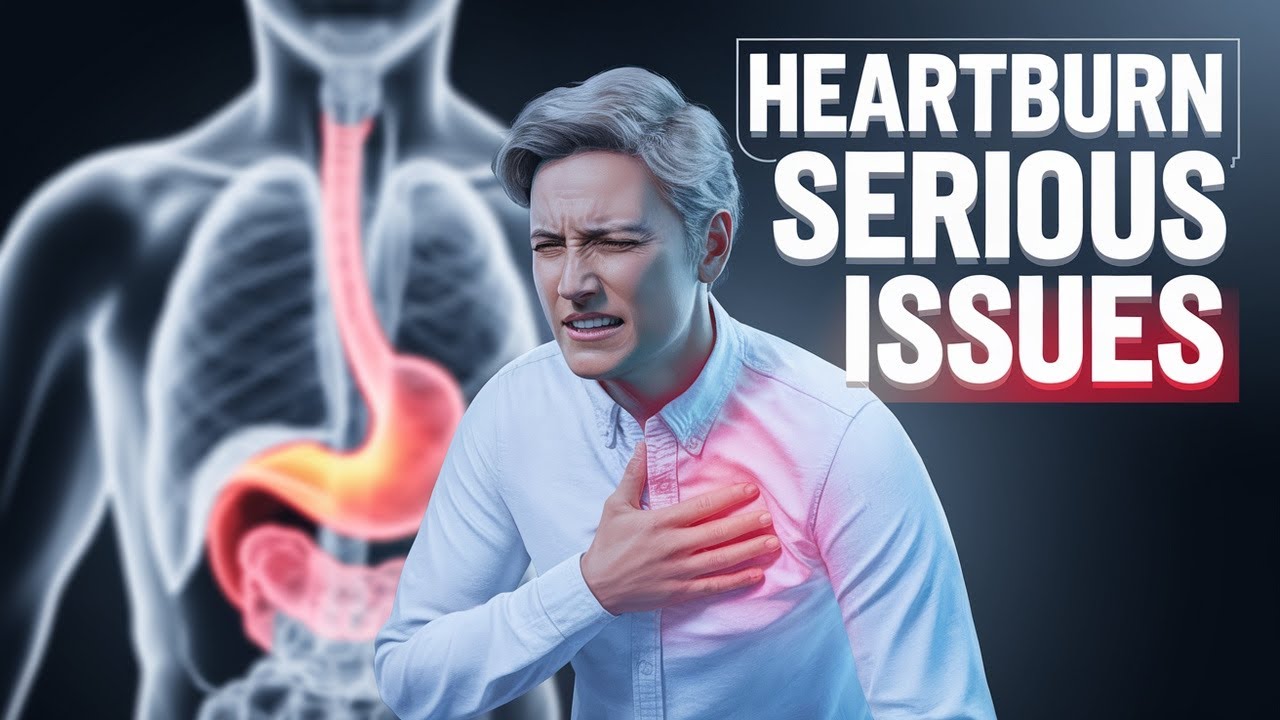
Heartburn isn’t just a minor inconvenience; it could be signaling serious health issues you need to know about. You know, heartburn is one of those things that’s just so common that it’s easy to brush it off as no big deal. We’ve all been there—we eat something spicy or lie down after a big meal and suddenly we’re feeling the burn. But the truth is, heartburn is a lot more than just a minor inconvenience.
The Prevalence and Impact of Heartburn
According to the National Institute of Diabetes and Digestive and Kidney Diseases, more than 60 million Americans experience heartburn at least once a month. That’s a lot of people dealing with a lot of discomfort! Yet, despite how common it is, most of us don’t take heartburn seriously enough. We pop an antacid, grab a glass of milk, and call it a day. But what if I told you that heartburn could be a sign of something more serious going on in your body—something that if left untreated, could lead to chronic conditions and significantly impact your quality of life?
What Your Body is Trying to Tell You
Think about it: if you’re experiencing heartburn on a regular basis, that means your body is trying to tell you something. It’s like your body is waving a red flag saying, “Hey, something’s not right in here!” But what if you ignore that flag? What if you just keep on living your life assuming that heartburn is just a normal part of the deal?
Well, let me tell you, ignoring heartburn can have some serious consequences. For one thing, it can lead to esophagitis, which is inflammation of the esophagus. And if you’re not careful, that inflammation can lead to scarring, which can narrow your esophagus and make it harder to swallow—not exactly the most fun thing in the world. Untreated heartburn can also increase your risk of developing Barrett’s esophagus, which is a condition where the lining of your esophagus becomes damaged. If you have Barrett’s esophagus, you’re at a higher risk of developing esophageal cancer. Yeah, it’s a mouthful, but trust me, it’s not something you want to mess around with.
Heartburn’s Lifestyle Impact
And it’s not just about the physical consequences either. Heartburn can also have a huge impact on your lifestyle. Think about it: if you’re dealing with heartburn on a regular basis, you’re probably avoiding certain foods, eating at weird times, or maybe even having trouble sleeping because of discomfort. That’s not exactly the most fun way to live, is it?
Understanding the Causes of Heartburn
So what’s going on exactly? Why does heartburn happen in the first place? Well, there are a few different factors at play. For one thing, if you’re overweight or obese, you’re at a higher risk of developing heartburn. This is because excess weight can put extra pressure on your stomach, causing stomach acid to flow back up into your esophagus.
Another common cause of heartburn is something called hiatal hernia. This is when the upper part of your stomach bulges up into your chest through an opening in your diaphragm. And when that happens, stomach acid can flow back up into your esophagus, causing heartburn.
Diet is another big culprit when it comes to heartburn. If you’re eating spicy or fatty foods, or drinking citrus juices or coffee, you’re probably going to experience heartburn. And if you’re eating too close to bedtime or lying down after eating, that can also trigger heartburn.
The Mechanics of Heartburn
When heartburn happens, it’s because stomach acid is flowing back up into your esophagus. Normally, the lower esophageal sphincter—that’s the muscle that separates your esophagus and stomach—prevents stomach acid from flowing back up. But if that muscle is weak or if it relaxes abnormally, stomach acid can flow back up and cause heartburn.
If you experience heartburn frequently, it can lead to something called erosive esophagitis. This is when the lining of your esophagus becomes inflamed and irritated, leading to bleeding and pain. And if you don’t get it treated, it can lead to scarring and narrowing of the esophagus, making it harder to swallow. Frequent heartburn can also lead to something called dyspepsia. This is when you experience pain or discomfort in your upper abdomen, often accompanied by nausea or vomiting. And if you’re dealing with dyspepsia, you’re probably going to experience heartburn on a regular basis.
Prevention and Management
So, what’s the deal with heartburn anyway? Why does it happen, and how can we prevent it? For one thing, if you’re overweight or obese, losing weight can help alleviate heartburn symptoms. You can also try avoiding trigger foods like citrus or tomato-based foods, or spices like cinnamon or nutmeg. Raising the head of your bed can also help prevent heartburn. This is because it helps prevent stomach acid from flowing back up into your esophagus while you sleep. And if you’re dealing with frequent heartburn, you may want to try taking antacids or acid reducers to help neutralize stomach acid.
The Surprising Connection to Osteoporosis
But here’s the thing: heartburn isn’t just about food or lifestyle. There’s a surprising connection between heartburn and a serious health issue that you need to know about. Are you ready for it? It turns out that heartburn is linked to an increased risk of osteoporosis. Yeah, you heard me right—osteoporosis. It makes sense if you think about it: if you’re experiencing heartburn on a regular basis, your body is going to start pulling calcium from your bones to help neutralize stomach acid. Over time, that can lead to weakened bones and an increased risk of osteoporosis.
In addition to this, the medications commonly used to treat heartburn, such as proton pump inhibitors, can interfere with the body’s ability to absorb calcium and other essential nutrients, further exacerbating the risk of bone density loss. This is why it’s crucial to not only address the symptoms of heartburn but also to consider the broader implications for your overall health.
So, what does this mean for you? It means you need to take heartburn seriously. It means you need to start doing something about it rather than just popping antacids and hoping for the best. Consider consulting a healthcare professional to discuss your symptoms and explore more effective treatment options that address the root cause of your heartburn, rather than just masking the symptoms.
Final Thoughts and Action Steps
Let’s summarize what we’ve talked about today. Heartburn isn’t just a minor inconvenience—it’s a sign that something is going on in your body that you need to pay attention to. Untreated heartburn can lead to chronic conditions, lifestyle impacts, and even serious health issues like osteoporosis. So what’s the takeaway? Take heartburn seriously and start taking steps to address it proactively.
If you’ve experienced heartburn before, we want to hear from you. Share your experiences in the comments below and check out our next video for some tips on managing heartburn naturally. Thanks for watching! If you found this video helpful, please like, subscribe, and click on the bell for more health tips and updates. Remember, taking early action can make a significant difference in maintaining not just your digestive health, but your overall well-being.
Why Your Bad Breath Won’t Go Away Even After Brushing?
Join me as I dive deep into the mystery of bad breath and challenge myself to uncover what’s really causing it. Bad breath, also known as halitosis, is a common problem that affects millions of people worldwide. It’s embarrassing, frustrating, and can be a major confidence killer. But what’s even worse is when you brush and floss regularly, use mouthwash, and still can’t seem to get rid of it. You’re not alone if you’ve experienced this. It’s a phenomenon that has puzzled many of us for years.
Understanding the Real Cause of Persistent Bad Breath
Despite our best efforts, bad breath can persist, leaving us wondering what’s going on. Is it our diet? Is it our oral hygiene habits? Is it something more serious? Today, we’re going to take a closer look at the surprising reasons why bad breath won’t go away even when we think we’re doing everything right.
Let’s face it, having bad breath can be a real nightmare. You’re in a meeting and you’re not sure if you should speak up. You’re on a date and you’re worried about getting close. You’re just trying to live your life, and bad breath is holding you back. It’s frustrating, it’s embarrassing, and it’s downright annoying.
Common Misconceptions About Bad Breath
Imagine being at a job interview and you’re worried that your breath might be a deal breaker. Imagine going on a first date and you’re constantly wondering if the other person can smell your breath. It’s a constant source of anxiety and it’s something that many of us have experienced at some point or another. Bad breath can be a major self-esteem killer. You start to avoid social situations, you start to feel isolated, and you start to wonder if there’s something fundamentally wrong with you. You’re not alone if you’ve felt this way. Millions of people around the world are struggling with bad breath, and it’s time we started talking about it.
Why Does Bad Breath Persist?
We’ve all been there. We brush our teeth, we floss, we use mouthwash, and we still can’t seem to get rid of bad breath. It’s like our mouths are playing a cruel joke on us, and we’re left feeling frustrated, embarrassed, and confused. But why does this happen?
The truth is that bad breath can be caused by a variety of factors ranging from dietary choices to medical conditions. It’s not just about oral hygiene; it’s about understanding the underlying causes of bad breath. Dietary choices, for example, can play a huge role in bad breath. If you’re consuming foods that are high in sulfur, such as garlic or onions, it can lead to bad breath. If you’re eating spicy foods, it can dry out your mouth, leading to bad breath. And if you’re not drinking enough water, it can lead to dehydration, which can also cause bad breath.
The Role of Medical Conditions
Medical conditions such as gum disease, dry mouth, and sinus infections can also contribute to bad breath. If you have an underlying health issue, it can lead to bad breath even if you’re taking good care of your teeth. Oral hygiene practices, or lack thereof, can also contribute to bad breath. If you’re not brushing your teeth regularly or if you’re not flossing, it can lead to bad breath. If you’re using the wrong mouthwash or if you’re not changing your toothbrush frequently enough, it can also contribute to bad breath.
Exploring the Surprising Reasons
But here’s the thing, even if you’re doing everything right, bad breath can still persist. And that’s where things get really interesting. You see, there’s a surprising reason why bad breath won’t go away even when you’re doing everything right, and it’s something that very few people are talking about. Deep down, many of us know that there’s more to bad breath than just oral hygiene. We know that there’s something going on beneath the surface, something that’s causing bad breath to persist despite our best efforts. And today, we’re going to explore that something.
Your Gut Health and Bad Breath
One of the surprising reasons why bad breath won’t go away is because of a specific health issue that’s often overlooked. It’s an issue that’s related to your gut health, and it’s something that very few people are talking about. You see, when your gut is out of balance, it can lead to bad breath. It’s because your gut and your mouth are connected in ways that we’re still just beginning to understand. When your gut is healthy, your mouth is healthy and vice versa.
But how does this happen? Well, when your gut is out of balance, it can lead to an overgrowth of bad bacteria in your mouth. This can cause inflammation, which can lead to bad breath. So what can you do about it? Well, the first step is to start taking care of your gut health. This means eating foods that are rich in probiotics, such as yogurt or kefir. It means taking probiotic supplements, and it means avoiding foods that can disrupt your gut balance.
Stress Management and Bad Breath
Another surprising reason why bad breath won’t go away is because of a specific lifestyle factor that’s often overlooked. It’s something that many of us are guilty of, and it’s something that can be easily changed. You see, when you’re under stress, your body produces more acids, which can lead to bad breath. It’s because stress can disrupt your digestive system, leading to an imbalance of bacteria in your mouth.
Taking Action Against Stress-Induced Bad Breath
So what can you do about it? Well, the first step is to start managing your stress levels. This means practicing relaxation techniques such as meditation or deep breathing. It means taking breaks throughout the day, and it means prioritizing self-care.
Takeaways and Hope
So what’s the takeaway from all of this? Well, the first thing is that bad breath is not just about oral hygiene. It’s about understanding the underlying causes of bad breath, from dietary choices to medical conditions to gut health and lifestyle factors. The second thing is that bad breath can be persistent even when you’re doing everything right, and that’s okay. It’s not because you’re not trying hard enough; it’s because there’s more to it than just oral hygiene.
The last thing is that there’s hope. There are things you can do to address the underlying causes of bad breath, from taking care of your gut health to managing your stress levels. So if you’ve been struggling with bad breath, don’t give up hope. There are solutions out there, and it’s time to start exploring them.
Have you ever struggled with bad breath? Share your experiences in the comments below. And if you want to learn more about oral health, be sure to check out our next video where we’ll be sharing more tips on how to keep your teeth and gums healthy. Thanks for watching! If you found this video helpful, please like, subscribe, and click on the bell for more health tips and updates.
Holistic Approaches to Combat Bad Breath
In addition to traditional methods of addressing bad breath, holistic approaches are gaining traction. These methods focus on treating the body as a whole rather than targeting isolated symptoms. One such method involves maintaining a balanced diet that supports the body’s natural processes. Incorporating whole foods, reducing sugar intake, and avoiding processed foods can help maintain oral and gut health.
Adequate hydration is another crucial factor. Drinking plenty of water throughout the day not only helps to cleanse the mouth but also supports overall bodily functions. It aids in the production of saliva, which is essential for neutralizing acids and washing away food particles. Furthermore, herbal teas such as peppermint and chamomile can be beneficial due to their natural antibacterial properties, offering a soothing alternative to conventional mouthwashes.
Regular physical activity is also beneficial for reducing stress and promoting a healthy digestive system. Exercise helps to regulate the body’s systems and can improve overall mental well-being, thereby reducing stress-related symptoms, including bad breath. Engaging in activities such as yoga or tai chi can be particularly effective, as they incorporate both physical exercise and stress management techniques.
Lastly, regular dental check-ups are vital in maintaining oral health. A professional cleaning every six months can remove plaque and tartar buildup that regular brushing might miss. Dentists can also identify potential issues such as cavities or gum disease that might be contributing to bad breath. By combining these holistic approaches with traditional oral hygiene practices, you can tackle bad breath from multiple angles, leading to more effective and lasting results.
Understanding Migraines: Signs, Symptoms, and How to Differentiate Them from Headaches
Today, I’m diving deep into the signs and symptoms to see if I can figure out if my headache is a migraine waiting to happen. Migraines are no joke, folks. They can completely derail your daily routine, leaving you feeling helpless and frustrated. But the thing is, many of us don’t even realize we’re suffering from migraines in the first place; we just think we’re experiencing a really bad headache. But migraines are so much more than that. They’re a neurological disorder that can cause a range of symptoms from debilitating pain to sensitivity to light and sound.
In fact, did you know that migraines affect over 39 million people in the US alone? That’s a staggering number, and yet, despite their prevalence, migraines are still often misunderstood and misdiagnosed. So, in this blog post, I want to talk about the signs and symptoms that might indicate your headache is actually a migraine in the making. It’s essential to recognize these signs early on because migraines can have a significant impact on our quality of life. They can cause us to miss work or school, strain our relationships, and even lead to depression and anxiety.
Recognizing the Signs: Headache or Migraine?
One of the biggest challenges in recognizing migraines is that they often masquerade as common headaches. The symptoms can be very similar, making it difficult to distinguish between the two. For instance, both headaches and migraines can cause throbbing pain, sensitivity to light and sound, and even nausea and vomiting. So, how can you tell if your headache is actually a migraine?
One key difference is the location of the pain. With headaches, the pain is usually localized to one side of the head or the forehead. But with migraines, the pain can be more widespread, often affecting the entire head, face, and even the neck. Another difference is the intensity of the pain. Headaches can be uncomfortable, but migraines can be excruciating, leaving you feeling like you’re going to pass out.
Understanding Aura: A Unique Migraine Symptom
Another symptom that’s common in migraines but not so much in headaches is aura. Aura refers to a range of sensory disturbances that can occur before the onset of the migraine. These can include flashing lights, zigzag patterns, or even temporary vision loss. Some people also experience strange smells or tastes before their migraine kicks in.
Duration and Accompanying Symptoms
Let’s not forget about the duration of the pain. Headaches can come and go within a few hours, but migraines can last for days, even weeks. The pain is often accompanied by other symptoms like fatigue, mood changes, and even cognitive impairment. One thing that’s really interesting is that migraines can be triggered by a range of factors, from hormonal changes to certain foods and drinks. Even stress and lack of sleep can trigger a migraine.
So, if you’re experiencing frequent headaches, it’s essential to start tracking your symptoms to see if you can identify any patterns. For instance, do you always get headaches during your period? Or do you notice that certain foods like cheese or chocolate always seem to trigger a headache? By paying attention to these patterns, you can start to identify potential migraine triggers and take steps to avoid them.
Additional Symptoms: Dizziness, Vertigo, and Tinnitus
Another important thing to keep in mind is that migraines can be accompanied by other symptoms like dizziness, vertigo, and even tinnitus. So, if you’re experiencing any of these symptoms along with your headache, it’s possible that you’re dealing with a migraine.
Diagnosis and Personal Stories
Now, I know what you’re thinking: how can I be sure it’s a migraine and not just a bad headache? Well, the truth is, only a doctor can diagnose a migraine for certain. But by paying attention to your symptoms and tracking your headache patterns, you can start to get a sense of whether you’re dealing with a migraine or just a run-of-the-mill headache.
I want to share a personal story that really drives this point home. A few years ago, I was experiencing frequent headaches, and I just wrote them off as stress-related. But then I started noticing that my headaches were always accompanied by sensitivity to light and sound, and I would often feel nauseous and dizzy. It wasn’t until I started tracking my symptoms that I realized I was actually experiencing migraines. It was a game-changer for me because it allowed me to start making changes to my lifestyle to avoid triggers and manage my symptoms more effectively.
Conclusion: Managing Migraines Effectively
And I know I’m not alone in this. Many of you have probably experienced similar stories where you’ve written off your headaches as just a normal part of life, only to realize later on that they were actually migraines. So, let’s recap the key points we’ve covered today:
First, migraines are a neurological disorder that can cause a range of symptoms beyond just headache pain. Second, migraines can be difficult to distinguish from common headaches, but by paying attention to the location, intensity, and duration of the pain, as well as any accompanying symptoms, you can start to suspect whether you’re dealing with a migraine. Third, migraines can be triggered by a range of factors, from hormonal changes to certain foods and drinks, and tracking your symptoms can help you identify potential triggers. Finally, only a doctor can diagnose a migraine for certain, but by being aware of the signs and symptoms, you can take steps to manage your migraines more effectively.
Thanks for reading, everyone. If you’ve had any experiences with migraines or headaches, I’d love to hear about them in the comments below. If you found this post helpful, please like, subscribe, and click on the bell for more health tips and updates.
Top Cancer Warning Signs You Absolutely Cannot Ignore
Cancer is a word that sends shivers down our spines—a diagnosis that can change lives forever. But what if I told you that early detection can literally be the difference between life and death? The key to fighting cancer is awareness, being proactive, and recognizing those subtle warning signs that our bodies send us.
When we think of cancer, we often imagine the big signs—the obvious symptoms that scream something’s wrong. But it’s the quiet whispers, the subtle nudges that we often ignore, that can be the most deadly. By being more aware, we can take control of our health, and that’s exactly what I want to talk about today.
The Importance of Early Detection
The importance of early detection cannot be overstated. It’s the difference between surviving and thriving or fighting for your life. Many of us have been there, ignoring that little voice in our heads, brushing off those subtle symptoms as nothing more than a minor issue. But what if that minor issue is actually a major red flag? What if it’s trying to tell us something?
We’re often so caught up in our daily lives that we ignore our bodies, and that’s exactly what cancer cells count on. When we’re diagnosed with cancer, it’s easy to look back and think, “I should have known. I should have done something.” But the truth is, many of us have been there, ignoring those warning signs, thinking they’re nothing more than a minor issue.
Cancer Does Not Discriminate
Cancer doesn’t discriminate. It affects anyone at any age, from any background. It’s not just an old person’s disease; it’s a disease that can strike anyone at any time. So, it’s crucial that we’re all aware of these warning signs and that we take our health into our own hands.
We often think that cancer is something that happens to someone else, that it’s a rare occurrence. But the truth is that cancer is all around us, affecting millions of people worldwide. And the only way to fight it is by being proactive, by being aware, and by recognizing those warning signs.
Recognizing the Subtle Warning Signs
So, what are these warning signs that we should be looking out for? Are they really that subtle? Can we really spot them if we know what to look for? The answer is absolutely. And that’s exactly what I want to explore with you today. The challenge is, these warning signs can be so subtle, so easy to ignore. They can be symptoms that we brush off as nothing more than a cold or a flu. But what if they’re not? What if they’re trying to tell us something?
Common Cancer Warning Signs
One of the most common warning signs of cancer is unexplained weight loss. If you’ve been losing weight rapidly without changing your diet or exercise routine, it’s crucial that you talk to your doctor. Another common sign is fatigue—feeling tired all the time, even after getting plenty of rest. These symptoms can be easy to brush off, but they’re crucial warning signs that something’s not right.
Other signs include skin changes, such as new moles, darkening of existing moles, or changes in the size or shape of a mole. These changes can be easy to ignore, but they’re crucial warning signs that something’s not right. We also need to be aware of changes in our digestive system, such as chronic constipation, diarrhea, or blood in our stool.
Unexplained Pain and Other Symptoms
Unexplained pain is another common warning sign of cancer. If you’re experiencing pain that persists or gets worse over time, it’s crucial that you talk to your doctor. We also need to be aware of changes in our urinary system, such as blood in our urine or difficulty urinating. Coughing or wheezing that persists is another crucial warning sign of cancer. If you’re experiencing shortness of breath or difficulty breathing, it’s crucial that you talk to your doctor.
Changes in Breasts and Abnormal Bleeding
Lumps or thickening of the skin are other common signs that we need to be aware of. Changes in our breasts, such as lumps, swelling, or nipple discharge, are all crucial warning signs of cancer. So is difficulty swallowing or pain when swallowing. And finally, we need to be aware of abnormal bleeding, such as vaginal bleeding in between periods or bleeding after menopause.
Real-Life Stories
One powerful story that’s stuck with me is that of a young woman who was diagnosed with cancer after ignoring a lump in her breast. She thought it was nothing more than a cyst, but it turned out to be a tumor. By the time she got treatment, it had spread, and she was left fighting for her life. This story sticks with me because it’s a harsh reminder of the importance of being proactive, of recognizing those subtle warning signs, and taking control of our health. If she had gotten checked out sooner, her story could have been very different.
Stories like these are a harsh reminder of the importance of awareness, of being proactive, and of recognizing those subtle warning signs. They’re a reminder that cancer can happen to anyone at any age, from any background.
Taking Control of Your Health
So, what can we do? We can take control of our health. We can be proactive, and we can recognize those subtle warning signs. We can talk to our doctors, we can get checked out, and we can take action.
In summary, the top cancer warning signs that you absolutely cannot ignore include unexplained weight loss, fatigue, skin changes, changes in our digestive system, unexplained pain, changes in our urinary system, coughing or wheezing, lumps or thickening of the skin, changes in our breasts, difficulty swallowing, and abnormal bleeding. These signs are not just minor issues; they’re not just something to brush off. They’re crucial warning signs that something’s not right. And by recognizing them, by being proactive, and by taking control of our health, we can literally save lives.
So, what’s your story? Have you or a loved one experienced any of these warning signs? Share your experiences in the comments below. Thanks for reading, and if you found this information helpful, please share it with others who might benefit.
Understanding Vitamin B12 Deficiency: Symptoms, Causes, and Solutions
Join me as I dive into the world of B12 and take on the challenge of identifying if I’m showing any symptoms of deficiency. Vitamin B12 is one of the most essential nutrients our bodies need to function properly. It plays a critical role in the production of red blood cells, nerve function, and even DNA synthesis. Without it, we can experience a range of symptoms that can significantly impact our daily lives. Today, we’re going to explore the world of B12 deficiency and see if we can identify any symptoms that might be affecting our health.
Common Symptoms of B12 Deficiency
From fatigue and weakness to mood swings and brain fog, the symptoms of B12 deficiency can be subtle yet debilitating. It’s estimated that around 6% of people in the US have a B12 deficiency, but many more may be experiencing symptoms without even realizing it. Let’s take a closer look at just how important B12 is for our overall health and well-being.
Fatigue and Weakness
Fatigue, weakness, and a lack of energy are some of the most common symptoms of B12 deficiency. This is because B12 is necessary for the production of red blood cells, which carry oxygen throughout our bodies. Without sufficient red blood cells, we can feel tired, sluggish, and lacking in energy.
Shortness of Breath
Another common symptom of B12 deficiency is shortness of breath. This occurs because our bodies are not able to produce enough red blood cells to carry oxygen to our organs and tissues. As a result, we can experience shortness of breath even when engaging in light physical activity.
Mood Swings and Depression
Mood swings, irritability, and depression are also common symptoms of B12 deficiency. This is because B12 plays a role in the production of neurotransmitters such as serotonin and dopamine, which regulate our mood.
Brain Fog and Memory Loss
Brain fog, confusion, and memory loss are other symptoms of B12 deficiency. B12 is necessary for the health of our nervous system, and without it, we can experience cognitive impairment.
Physical Symptoms
Hair loss, skin problems, and digestive issues are also symptoms of B12 deficiency. This is because B12 is necessary for the health of our skin, hair, and gut, and without it, we can experience a range of problems.
Mental Health Effects
In addition to these physical symptoms, B12 deficiency can also affect our mental health. Anxiety, panic attacks, and even psychosis have been linked to B12 deficiency.
Causes of B12 Deficiency
One of the most concerning things about B12 deficiency is that it can be caused by a range of factors. A diet that is low in B12-rich foods such as meat, fish, and dairy can lead to deficiency. Vegetarians and vegans are particularly at risk as they may not be getting enough B12 from plant-based sources.
Absorption Issues
Absorption issues, such as celiac disease or Crohn’s disease, can also lead to B12 deficiency. This is because the body is not able to absorb B12 from food sources. Certain medications, such as antacids and proton pump inhibitors, can also interfere with B12 absorption.
Medical Conditions
Medical conditions such as pernicious anemia can also cause B12 deficiency. This is because the body is not able to produce enough intrinsic factor, a protein necessary for B12 absorption. Older adults are also at risk of B12 deficiency as the body’s ability to absorb B12 from food sources declines with age.
Consequences of Untreated B12 Deficiency
Untreated B12 deficiency can have serious consequences, including neurological damage and severe fatigue. In extreme cases, it can even lead to irreversible damage to the nervous system. I have a personal story to share with you: my grandmother suffered from B12 deficiency for years before it was finally diagnosed. She experienced severe fatigue, brain fog, and mood swings, which significantly impacted her daily life. After diagnosis, she began taking supplements and made significant changes to her diet, and her symptoms almost disappeared.
The consequences of untreated B12 deficiency are severe and can have a significant impact on our quality of life. That’s why it’s essential to be aware of the symptoms and causes and to take action if we suspect we might be deficient.
Taking Action Against B12 Deficiency
In summary, B12 deficiency is a common condition that can have serious consequences if left untreated. It’s essential to be aware of the symptoms, causes, and risk factors, and to take action if we suspect we might be deficient. Now that we’ve covered the symptoms, causes, and consequences of B12 deficiency, it’s essential to remember that awareness and early detection are key.
If you’re experiencing any of the symptoms I mentioned earlier, please consult with your doctor to rule out B12 deficiency. If you found this post informative, please leave a comment below with your experiences or questions. Don’t forget to subscribe for more health-related content and check out my video on how to boost your B12 levels naturally. Thanks for reading!
Join me as I dive deep into my own symptoms and try to uncover what’s really going on behind them. When we’re not feeling well, we often focus on the symptoms themselves, trying to alleviate the discomfort or pain they’re causing. But what if I told you that those symptoms might be more than just isolated issues? What if they’re actually indicators of larger health concerns that need to be addressed?
Understanding the Nature of Symptoms
Most of the time, we treat symptoms as separate entities, not considering the possibility that they might be connected or related to something deeper. We take a pill, apply a cream, or undergo a procedure to make the symptom go away without ever really understanding what’s causing it. But this approach can be misleading and even dangerous. By ignoring the underlying causes of our symptoms, we risk overlooking more serious conditions that could be developing right under our noses.
The Importance of Listening to Our Bodies
Listening to our bodies is crucial. Our symptoms are trying to tell us something, but we need to tune in and really listen. So often, we ignore the whispers of our bodies until they become screams, and by that time, it might be too late. When we don’t take the time to understand our symptoms, we’re more likely to misinterpret them or write them off as minor issues. This can lead to delayed diagnosis, misdiagnosis, or even unnecessary treatments.
Why We Shouldn’t Ignore Symptoms
The truth is that our bodies are incredibly complex, and symptoms can manifest in many different ways. What might seem like a minor issue on the surface could be a sign of something much more serious lurking beneath. We need to start thinking about our symptoms in a more holistic way, considering how they might be connected to other aspects of our health. By doing so, we can uncover patterns and relationships that might otherwise go unnoticed.
Consequences of Ignoring Symptoms
So, what happens when we ignore our symptoms or fail to listen to our bodies? The consequences can be severe. We might experience prolonged suffering, undergo unnecessary procedures, or even develop chronic conditions that could have been prevented. But it’s not all doom and gloom. By taking the time to explore our symptoms, we can gain a deeper understanding of our health and uncover hidden patterns that might be holding us back.
Exploring Common Symptoms
In the next section, we’re going to explore some common symptoms and what they might indicate beyond the obvious. Fatigue, for example, is often seen as a normal part of modern life. We’re told to just get more sleep or drink more coffee. But what if fatigue is actually a sign of something more serious, like an underlying thyroid issue or adrenal fatigue?
Digestive Issues
Similarly, digestive issues like bloating or constipation might be dismissed as minor irritations. But did you know that they could be indicative of a more serious condition such as leaky gut syndrome or small intestine bacterial overgrowth?
Headaches and Their Hidden Causes
Headaches, which affect millions of people worldwide, are often treated as isolated incidents. But what if they’re actually a sign of something more sinister, like a hormonal imbalance or even a sign of toxic buildup in the body?
Mysterious Skin Rashes and Joint Pain
The list goes on and on. Mysterious skin rashes might be a sign of autoimmune issues, while joint pain could be indicative of underlying inflammation. By exploring these symptoms further, we might uncover underlying conditions that are often overlooked or misdiagnosed. Conditions like Hashimoto’s thyroiditis, polycystic ovary syndrome (PCOS), or even Lyme disease might be hiding behind seemingly minor symptoms.
Real-Life Stories: The Importance of Digging Deeper
Take, for example, the story of Sarah, who had been experiencing persistent migraines for years. She went from doctor to doctor, trying every medication and treatment under the sun. But it wasn’t until she finally took the time to explore her symptoms that she discovered she had a severe case of mercury poisoning.
John’s Journey with Chronic Fatigue
Consider the story of John, who had been experiencing chronic fatigue for months. He was told to just get more rest or exercise more. But it wasn’t until he dug deeper that he discovered he had an underlying condition called mold toxicosis, which was causing his fatigue.
Lessons Learned from Real-Life Experiences
These stories illustrate the importance of looking beyond surface symptoms to uncover the underlying causes of our health issues. By doing so, we might be surprised at what we discover. So, what can we learn from these stories?
Symptoms as Indicators
Firstly, that symptoms are not just isolated issues to be treated with a quick fix. They’re often indicators of something deeper, something that requires our attention and exploration.
Taking Ownership of Our Health
Secondly, we need to take ownership of our health and not rely solely on doctors or medical professionals to uncover the underlying causes of our symptoms. By taking the time to explore our symptoms, we can gain a deeper understanding of our health and uncover hidden patterns that might be holding us back.
Conclusion: The Path to Better Health
In this blog post, we’ve explored the importance of looking beyond surface symptoms to uncover the underlying causes of our health issues. We’ve seen how symptoms can be indicative of larger health concerns and how ignoring them can lead to misdiagnosis or delayed diagnosis. So, what’s next?
I want to hear from you. Have you experienced any surprising symptoms or diagnoses in your own life? Share your stories in the comments below. And if you’re new here, consider subscribing for more informative content on health and wellness.
Stay Informed
Finally, if you want to deepen your understanding of health symptoms, thanks for reading. If you found this post helpful, please like, subscribe, and click on the bell for more health tips and updates.
Uncovering the Signs of Alzheimer’s Disease: Is There a Time Bomb Ticking Away?
Alzheimer’s disease is a complex and debilitating condition that affects millions of people worldwide. Despite its prevalence, there’s still a lot we don’t fully understand about it, especially when it comes to identifying risk factors. Join me as I take on the challenge of uncovering the signs of Alzheimer’s disease and see if I have a time bomb ticking away.
Exploring the Connection Between Health Profiles and Alzheimer’s Disease Risk
As we age, our bodies undergo a range of natural changes that can impact our health. But did you know that some of these changes can also increase our risk of developing Alzheimer’s disease? Understanding your health profile can give you valuable insights into your risk factors, helping you take proactive steps to protect your brain health.
From high blood pressure to high cholesterol, many common health conditions can contribute to an increased risk of Alzheimer’s. But it’s not just physical health; our mental and emotional well-being can also play a significant role. The more we learn about Alzheimer’s disease, the more we realize how important early detection and intervention are. By understanding our individual risk factors, we can take steps to mitigate them and potentially delay or even prevent the onset of the disease.
The Challenge of Identifying Early Signs of Alzheimer’s Disease
One of the biggest challenges in identifying early signs of Alzheimer’s disease is that they can be incredibly subtle. In many cases, the symptoms are so mild that they can be dismissed as just a normal part of aging. But the problem is that by the time symptoms become noticeable, the disease has often already progressed significantly.
Early detection is critical in Alzheimer’s disease management. It can make all the difference in getting timely treatment and slowing down the disease’s progression. But how do you identify those early signs? Imagine if you could identify your risk factors early on and take proactive steps to reduce them. Imagine being able to delay or even prevent the onset of Alzheimer’s disease. It’s a GameChanger, and it’s exactly what we’re going to talk about today.
The Impact of Alzheimer’s Disease on Families and Caregivers
Alzheimer’s disease doesn’t just affect the individual; it also has a profound impact on families and caregivers. Watching a loved one struggle with memory loss, confusion, and mood changes can be heart-wrenching. But what if you could take steps to reduce the risk of that happening? In many cases, Alzheimer’s disease is a slow-moving process that can take years to develop. But that also means there’s time to take action and make a difference.
Identifying Early Signs of Alzheimer’s Disease: A Complex Process
Identifying early signs of Alzheimer’s disease is a complex process that requires a combination of medical expertise, cutting-edge technology, and good old-fashioned detective work. But it’s not impossible. With the right tools and knowledge, you can take control of your brain health and reduce your risk of developing Alzheimer’s.
Genetics and Alzheimer’s Disease Risk
Genetics play a significant role in Alzheimer’s disease risk. If you have a family history of the condition, you’re more likely to develop it yourself. But what if you don’t have a family history? Are you off the hook? Not necessarily. Researchers have identified several genetic markers that increase the risk of Alzheimer’s disease. These markers can be inherited from our parents and significantly impact our risk of developing the condition.
Lifestyle Choices and Alzheimer’s Disease Risk
But genetics are just one piece of the puzzle. Our lifestyle choices can also have a profound impact on our Alzheimer’s disease risk. From diet and exercise to mental health and social connections, there are many factors that can influence our risk of developing the condition.
Let’s talk about diet. What we eat has a direct impact on our brain health, and a diet rich in fruits, vegetables, and omega-3 fatty acids can help reduce our risk of Alzheimer’s. Exercise is another critical factor in Alzheimer’s prevention. Regular physical activity has been shown to improve cognitive function and reduce the risk of dementia.
But it’s not just about physical activity. Mental exercise is also crucial. Mental health is often overlooked when it comes to Alzheimer’s disease risk, but the truth is that chronic stress, anxiety, and depression can all contribute to an increased risk of developing the condition. Social connections are also vital in reducing Alzheimer’s risk. Studies have shown that people with strong social networks are less likely to develop dementia.
Other Health Indicators Affecting Alzheimer’s Disease Risk
Chronic inflammation is another key factor in Alzheimer’s disease risk. When our bodies are constantly fighting inflammation, it can lead to cognitive decline and increase our risk of developing the condition. Sleep is critical for brain health, and chronic sleep deprivation can increase our risk of Alzheimer’s disease. But what if you’re not getting enough sleep? Vitamin D deficiency has been linked to an increased risk of Alzheimer’s disease, but what if you’re not getting enough vitamin D?
Hormonal imbalances can also contribute to an increased risk of Alzheimer’s. As we age, our hormone levels change, and this can impact our brain health. As we explore these various health indicators and lifestyle factors, it’s clear that reducing our risk of Alzheimer’s disease is a complex process, but it’s not impossible.
A Real-Life Example: Sarah’s Proactive Approach to Alzheimer’s Prevention
Meet Sarah, a 55-year-old woman who was concerned about her risk of developing Alzheimer’s disease. Her mother had died of the condition, and Sarah was determined to take proactive steps to reduce her own risk. Sarah started by making lifestyle changes. She began exercising regularly, eating a healthy diet, and getting enough sleep. She also reduced her stress levels by practicing meditation and yoga.
But Sarah didn’t stop there. She also started to prioritize her mental health, seeking out therapy to deal with chronic anxiety and depression. Sarah’s proactive approach paid off. She reduced her risk of developing Alzheimer’s disease and improved her overall health and well-being.
Conclusion: Taking Control of Your Brain Health
Sarah’s story is a powerful reminder that early detection and intervention can make all the difference in managing Alzheimer’s disease risk. In this blog post, we’ve explored the complex connection between health profiles and Alzheimer’s disease risk. We’ve delved into the various health indicators and lifestyle factors that can contribute to an increased risk of developing the condition.
But the most important takeaway is this: you have the power to take control of your brain health. By understanding your health profile and identifying risk factors early on, you can take proactive steps to reduce your risk of Alzheimer’s disease. Share your thoughts in the comments about your own health journeys. What are you doing to take control of your brain health?
If you found this post helpful, please like, subscribe, and click on the bell for more health tips and updates.
Understanding Memory Lapses: Aging or Alzheimer’s?
Join me as I take on the challenge of figuring out if my memory lapses are just normal aging or something more serious like Alzheimer’s. As we age, it’s natural to wonder if our forgetfulness is just a normal part of getting older or if it’s something more serious like Alzheimer’s disease. The truth is, it can be really tough to tell the difference between the two. That’s why it’s so important to understand the signs of aging versus Alzheimer’s so we can better navigate our own health and the health of our loved ones.
Recognizing Normal Aging
I know I’m not alone in this concern. Many of us have experienced those frustrating moments of forgetfulness, like misplacing our keys or struggling to recall a familiar word. It’s natural to wonder: is this just part of getting older, or is something more going on? The reality is that aging is a complex process, and it’s not always easy to distinguish between normal aging and Alzheimer’s disease. But by exploring the signs and symptoms of both, we can gain a better understanding of what’s happening in our brains and bodies as we age.
Common Signs of Aging
Common signs of aging can include things like forgetfulness, difficulty learning new information, and changes in sleep patterns. However, these same symptoms can also be indicators of Alzheimer’s disease, making it difficult to know what’s going on. It’s no wonder so many of us are left wondering if our memory lapses are just a normal part of aging or something more serious.
Understanding Alzheimer’s Disease
Let’s face it: getting older can be a little scary, especially when it comes to our brains. We’ve all heard the stereotypes about older people being forgetful or senile, but the truth is, many of these senior moments can be entirely normal. However, that doesn’t mean we should ignore them or write them off as just a part of aging. As we age, our brains undergo natural changes that can affect our memory, cognitive function, and overall health. These changes can impact our daily lives, making it harder to learn new things, remember important details, or even perform everyday tasks. But these changes don’t necessarily mean we have Alzheimer’s disease.
Distinguishing Alzheimer’s Symptoms
It’s estimated that up to 40% of people over the age of 65 experience some form of cognitive decline, but only about 10% of those cases will actually be Alzheimer’s disease. That means a significant number of people are experiencing normal age-related changes that can be managed and even improved with the right strategies and support.
Key Differences Between Aging and Alzheimer’s
So how do we know if our memory lapses are just a normal part of aging or something more serious? One key difference is the severity and frequency of symptoms. While normal aging may cause occasional forgetfulness, Alzheimer’s disease is characterized by a steady decline in cognitive function, often accompanied by other symptoms like confusion, mood changes, and difficulty with communication.
Impact on Daily Life
Another important distinction is the impact of symptoms on daily life. While normal aging may cause some inconvenience, Alzheimer’s disease can make it difficult to perform everyday tasks, maintain relationships, and even care for oneself. It’s essential to pay attention to these differences and seek medical attention if we notice significant changes or impairments.
Staying Proactive and Informed
Despite these distinctions, it can still be challenging to determine whether our symptoms are normal or not. That’s why it’s so important to stay informed, stay proactive, and stay connected with our healthcare providers. By doing so, we can better understand our own health and take steps to maintain our cognitive function as we age.
Lifestyle Changes for Brain Health
Research has shown that certain lifestyle changes, such as regular exercise, social engagement, and cognitive stimulation, can help slow down cognitive decline and even improve brain health. This is incredible news, and it highlights the importance of taking an active role in our health as we age. But even with this knowledge, it can be tough to shake the feeling that we’re losing our grip on reality. I know I’ve had moments where I felt like I’m just not as sharp as I used to be, and it’s scary. It’s scary to think that we might be losing ourselves bit by bit.
The Role of Healthcare Providers
That’s why it’s essential to talk to our healthcare providers to get a clear understanding of what’s going on in our brains and bodies. By doing so, we can rule out other potential causes of cognitive decline and get a better sense of whether our symptoms are normal or not.
Seeking Support and Resources
It’s also important to remember that we’re not alone in this journey. Millions of people around the world are experiencing similar challenges, and there is hope. There is help available, from medical professionals to support groups to online resources. We don’t have to face this alone.
Advancements in Alzheimer’s Research
One of the most significant breakthroughs in understanding the differences between normal aging and Alzheimer’s disease is the development of biomarkers. These biomarkers can help medical professionals identify the presence of Alzheimer’s disease in the brain even before symptoms appear. This is a game-changer, and it’s opening up new possibilities for early intervention and treatment.
Individual Experiences
But even with these advancements, it’s essential to remember that every person’s experience is unique. What might be normal for one person might not be normal for another. That’s why it’s crucial to listen to our bodies, pay attention to our symptoms, and seek help when we need it.
Conclusion: Taking Control of Our Health
As we navigate the complexities of aging and Alzheimer’s disease, it’s essential to stay informed, stay connected, and stay proactive. By doing so, we can take control of our health and live our best lives, no matter what the future holds.
So what’s the takeaway from all of this? It’s essential to recognize the differences between normal aging and Alzheimer’s disease and to seek help when we need it. By staying informed and staying proactive, we can take control of our health and live our best lives.
Thanks for joining me on this journey to explore the differences between normal aging and Alzheimer’s disease. If you have any questions or personal experiences you’d like to share, please leave them in the comments below. And if you found this article helpful, please like, subscribe, and click on the bell for more health tips and updates.
Join me as I dig deep to uncover the hidden habits that might be hurting my heart without me even realizing it. There are many things we do every day that can be detrimental to our heart health, and the scary part is that we’re often not even aware of them. We get so caught up in our daily routines that we forget to take care of ourselves, and our heart pays the price.
Today, I want to talk about those hidden heart dangers that you might not even know about—the things that are quietly harming your heart health and what you can do to stop them. We’re so quick to blame genetics or age for heart problems, but the truth is that our daily habits and lifestyle choices play a much bigger role than we think. It’s not just about the big things like exercising regularly or eating a balanced diet; it’s about the small everyday choices we make that can add up to make a big difference.
Why Heart Health Should Be a Priority
So let’s get real for a second. How many of us genuinely prioritize our heart health? We take care of our skin, our hair, and our bodies, but our heart is often an afterthought. That’s exactly why it’s so important to talk about these hidden dangers because only when we’re aware of what’s hurting our hearts can we take steps to prevent it. Habits are hard to break, and that’s why it’s so easy to fall into unhealthy patterns. We get comfortable with our routines, and before we know it, they’re controlling us.
The Impact of Poor Sleep Quality
Poor sleep quality is a big one. When we don’t get enough sleep, our bodies produce more stress hormones, which can increase blood pressure and heart rate. And let’s be real, who hasn’t had a late night scrolling through their phone, just one more episode, or just five more minutes of work?
Diet: A Silent Contributor to Heart Disease
Another big one is a diet high in processed foods and added sugars. These foods are wreaking havoc on our bodies, causing inflammation and increasing our risk of heart disease. It’s not just the obvious culprits like pizza and burgers; it’s the sneaky added sugars in our favorite coffee creamers, the processed meats in our lunchtime sandwiches, and the refined carbs in our breakfast cereals.
The Role of Environment and Lifestyle
But it’s not just what we eat, it’s also how we eat. Eating on the go, skipping meals, and not taking the time to enjoy our food can all contribute to stress and inflammation. And let’s not forget about the impact of our environment. Exposure to pollution, pesticides, and other toxins can all have a negative impact on our heart health. We’re constantly surrounded by stimuli, from social media to emails to text messages, and it’s easy to get caught up in the hustle and bustle and forget to take a step back and breathe.
Exercise: The Missing Piece
Then there’s exercise, or rather, the lack of it. We all know we should be exercising regularly, but it’s easy to fall into the “I’ll start tomorrow” trap. The truth is, every day counts. Every walk, every jog, every yoga class adds up to make a difference. When we’re stuck in a rut, it’s hard to motivate ourselves to make changes, but sometimes all it takes is a little wake-up call, like when we realize we’re getting winded just walking up the stairs or when our doctor tells us our blood pressure is through the roof.
Understanding Stress and Its Effects
Let’s talk about stress. Chronic stress is a major contributor to heart disease, and it’s something we often overlook. We’re so used to being stressed, to being on all the time, that we forget what it’s like to truly relax. But when we’re stressed, our heart rate increases, our blood pressure goes up, and our body produces more inflammation.
The Importance of Social Connections
Then there’s loneliness and isolation. When we’re disconnected from others, our heart suffers. We’re more likely to experience depression, anxiety, and other mental health issues that can all have a negative impact on our heart. It’s not just about what’s happening on the inside; it’s also about what we’re exposing ourselves to on the outside. Prolonged exposure to pollution, pesticides, and other toxins can all have a negative impact on our heart health.
Community and Heart Health
Let’s not forget about the importance of community. When we’re surrounded by people who support and uplift us, our heart health improves. We’re more likely to make healthy choices, to exercise regularly, and to take care of ourselves. Another hidden danger is a lack of social connections. When we’re isolated, our heart suffers. We’re more likely to experience depression, anxiety, and other mental health issues that can all have a negative impact on our heart.
Self-Care: More Than Just a Buzzword
We’re always hearing about the importance of self-care, but what does that really mean? It’s not just about getting massages and taking bubble baths; it’s about making conscious choices that benefit our heart health. It’s about taking time to relax, to unwind, and to recharge.
The Connection Between Mental and Heart Health
Finally, there’s the connection between our mental health and our heart health. It’s easy to think of them as two separate things, but the truth is they’re deeply connected. When we’re struggling with anxiety, depression, or other mental health issues, our heart suffers. And when our heart health is suffering, our mental health can deteriorate further. This connection is so important because it means that by taking care of our mental health, we’re also taking care of our heart health and vice versa.
Steps to Protect Heart Health
So what can we do to protect our heart health? First and foremost, we need to become more aware of our habits and lifestyle choices. We need to take a step back and assess what’s really going on. Are we getting enough sleep? Are we eating a balanced diet? Are we exercising regularly?
We need to start taking small steps towards a healthier lifestyle. Start by committing to one healthy habit a week. It could be as simple as taking a 10-minute walk each morning or eating one more serving of fruits and vegetables each day. We also need to prioritize our mental health. We need to take time to relax, to unwind, and to recharge. We need to practice self-compassion, to be kind to ourselves, and to celebrate our successes.
A Holistic Approach to Heart Health
Finally, we need to start thinking about our heart health in a more holistic way. We need to recognize the connection between our mental and physical health and make choices that benefit both.
So let’s recap. We’ve talked about the hidden dangers that might be hurting our heart without us even realizing it. We’ve discussed the importance of prioritizing our heart health and making conscious choices that benefit us. And we’ve explored the connection between our mental health and our heart health.
Remember, heart health is not just about our physical body; it’s about our emotional, mental, and spiritual well-being too. So let’s take control back. Let’s start making choices that benefit our heart health and live a life that’s full, vibrant, and healthy.
Thanks for reading. If you’ve had any experiences with heart health, I’d love to hear about it in the comments below. Don’t forget to check out my other health-related articles and subscribe for more insights into how to live your best life.
Lowering Cholesterol Fast: Five Proven Methods for a Healthier Heart
Join me as I take on the challenge of lowering my cholesterol fast using these five proven methods. Let’s see if I can make it happen. In today’s post, you’ll learn about five effective strategies to quickly lower your cholesterol levels and improve your heart health. High cholesterol is a common issue that can lead to serious health problems, including heart disease, so it’s crucial to tackle it head-on.
Many people struggle with high cholesterol, often without even realizing it, as symptoms can be silent until it’s too late. The good news is that high cholesterol can be managed and reduced with the right approach. By making some simple yet effective changes to your lifestyle, you can significantly lower your cholesterol levels and reduce your risk of heart disease. It’s never too early or too late to start making those changes.
High cholesterol is often linked to unhealthy eating habits, lack of exercise, and being overweight. However, genetics can also play a role, so it’s essential to be proactive about your health regardless of your genetic makeup. The key is to be aware of your cholesterol levels and take control of your health. With the right strategies, you can lower your cholesterol levels and live a healthier, happier life.
By reducing your cholesterol levels, you can lower your risk of heart disease, heart attacks, and strokes. You’ll feel more energetic, and your overall health will improve. It’s a small price to pay for making a few simple changes to your daily routine. We’ll break down each of the five methods: dietary changes, exercise, weight management, supplements, and stress reduction, providing practical tips for each. These methods are backed by science and have been proven to be effective in reducing cholesterol levels. By incorporating them into your daily routine, you’ll be on your way to a healthier heart and longer life.
Method 1: Dietary Changes
The first method, dietary changes, is all about making healthy food choices. You’ll learn which foods can help lower your cholesterol levels and which ones to avoid. Discover which foods to add and which to avoid for optimal cholesterol levels. Foods high in fiber, such as oats, barley, and fruits, can help lower your cholesterol levels. Soluble fiber found in foods like nuts, seeds, and avocados can also help. You’ll learn how to incorporate these foods into your diet and make healthy swaps.
Foods high in saturated and trans fats, such as red meat, full-fat dairy products, and processed snacks, can raise your cholesterol levels. You’ll learn how to limit or avoid these foods altogether. We’ll also explore the benefits of plant-based milk and how it can help lower your cholesterol levels. By making these simple dietary changes, you can start to see results quickly. Your body will thank you, and you’ll feel more energized and motivated to make further changes.
Method 2: Exercise
Exercise is another essential method that can help raise your high-density lipoprotein, or good cholesterol, and lower your low-density lipoprotein, or bad cholesterol. We’ll discuss the best exercises for improving your heart health. Regular physical activity can boost your overall cardiovascular health and help you manage your weight, which is crucial in controlling cholesterol levels.
Best Exercises for Heart Health
Cardiovascular exercises, such as walking, jogging, cycling, and swimming, are excellent for improving heart health. Aim for at least 150 minutes of moderate aerobic exercise per week. Strength training exercises are also beneficial. Incorporate them into your routine twice a week to help build muscle and burn fat, which can positively impact your cholesterol levels.
Method 3: Weight Management
Weight management is crucial as excess weight can lead to high cholesterol. You’ll learn how to maintain a healthy weight through a combination of diet and exercise. By keeping your weight in check, you reduce the strain on your heart and improve your cholesterol profile.
Focus on creating a calorie deficit by consuming fewer calories than you burn. This can be achieved through mindful eating and regular physical activity. Keep track of your progress and make adjustments as needed to stay on track with your weight management goals.
Method 4: Supplements
Supplements can also play a role in reducing cholesterol levels, and we’ll explore the most effective ones. Omega-3 fatty acids, found in fish oil supplements, have been shown to lower triglycerides, a type of fat in the blood. Plant sterols and stanols, found in certain fortified foods and supplements, can help block the absorption of cholesterol in the intestines.
Before starting any supplements, consult with a healthcare professional to ensure they’re appropriate for your individual health needs and won’t interfere with any medications you may be taking.
Method 5: Stress Reduction
Finally, stress reduction is essential as high levels of stress can lead to high cholesterol. You’ll learn some practical tips on how to manage your stress levels and keep your cholesterol levels in check. Chronic stress can lead to unhealthy coping mechanisms, such as overeating or smoking, which can negatively impact your cholesterol levels.
Practical Stress Management Tips
Incorporate relaxation techniques into your daily routine, such as deep breathing exercises, meditation, or yoga. Make time for activities you enjoy, and ensure you’re getting enough sleep each night. By managing stress effectively, you can support your overall heart health and work towards lowering your cholesterol levels.
To summarize, by implementing these five methods, you can take significant steps towards lowering your cholesterol and enhancing your overall health. You’ll feel more energized, and your health will improve. It’s time to take control of your health and make those changes today.
Thank you for reading. If you found this information helpful, please leave a comment with your thoughts.
Contains custom information set by the web developer via the _setCustomVar method in Google Analytics. This cookie is updated every time new data is sent to the Google Analytics server.
2 years after last activity
__utmx
Used to determine whether a user is included in an A / B or Multivariate test.
18 months
_ga
ID used to identify users
2 years
_gali
Used by Google Analytics to determine which links on a page are being clicked
30 seconds
_ga_
ID used to identify users
2 years
_gid
ID used to identify users for 24 hours after last activity
24 hours
_gat
Used to monitor number of Google Analytics server requests when using Google Tag Manager
1 minute
_gac_
Contains information related to marketing campaigns of the user. These are shared with Google AdWords / Google Ads when the Google Ads and Google Analytics accounts are linked together.
90 days
__utma
ID used to identify users and sessions
2 years after last activity
__utmt
Used to monitor number of Google Analytics server requests
10 minutes
__utmb
Used to distinguish new sessions and visits. This cookie is set when the GA.js javascript library is loaded and there is no existing __utmb cookie. The cookie is updated every time data is sent to the Google Analytics server.
30 minutes after last activity
__utmc
Used only with old Urchin versions of Google Analytics and not with GA.js. Was used to distinguish between new sessions and visits at the end of a session.
End of session (browser)
__utmz
Contains information about the traffic source or campaign that directed user to the website. The cookie is set when the GA.js javascript is loaded and updated when data is sent to the Google Anaytics server
6 months after last activity
Marketing cookies are used to follow visitors to websites. The intention is to show ads that are relevant and engaging to the individual user.
Facebook Pixel is a web analytics service that tracks and reports website traffic.