Tag: psychology

  • Important Schizophrenia Red Flags You Should Know

    Important Schizophrenia Red Flags You Should Know

    Important Schizophrenia Red Flags You Should Know

    Join me as I dive into the top red flags of schizophrenia that everyone should be aware of. Let’s see if I can spot them. Schizophrenia is a complex mental health disorder that affects millions of people worldwide. It’s a condition that can be difficult to understand and is often misunderstood by the general public. However, recognizing the red flags of schizophrenia is crucial for early intervention and support. When schizophrenia is left untreated, it can significantly impact an individual’s quality of life, relationships, and overall well-being.

    Why Recognizing Red Flags is Essential

    That’s why it’s essential to be aware of the signs and symptoms of this condition so we can provide the necessary support to our loved ones. Schizophrenia is often stigmatized, and people may not seek help due to fear of being labeled or judged. But we need to remember that mental health is just as important as physical health, and seeking help is a sign of strength, not weakness. By recognizing the red flags of schizophrenia, we can help reduce the stigma surrounding mental health issues and encourage people to seek help earlier. This can lead to better treatment outcomes, improved relationships, and a better quality of life.

    Common Red Flags of Schizophrenia

    So, what are these red flags that we should be looking out for? Let’s dive deeper into the world of schizophrenia and explore the signs and symptoms that can indicate someone may be struggling with this condition. The stigma surrounding mental health issues, particularly schizophrenia, is a significant barrier to seeking help. Many people believe that those with schizophrenia are violent, unpredictable, or dangerous, which is far from the truth. These harmful stereotypes can lead to fear, misunderstanding, and discrimination, causing people to hide their symptoms and avoid seeking help. But by educating ourselves and others, we can help break down these stigmas and encourage people to speak openly about their mental health.

    Behavioral Changes

    One of the most significant changes is often seen in behavior, such as stopping activities they once enjoyed, becoming increasingly withdrawn, or exhibiting agitated behavior. Another common red flag is social withdrawal, where the person may stop responding to messages, avoid social gatherings, or become isolated from friends and family. These behavioral changes can be subtle at first, emerging slowly over time, but they can also appear abruptly, causing concern among those who care about the individual. Friends and family might find it challenging to reach out, fearing that they might say or do the wrong thing, but it’s crucial to maintain communication and offer support.

    Unusual Thoughts or Perceptions

    Unusual thoughts or perceptions can also be a sign of schizophrenia, where the person may experience hallucinations, delusions, or disorganized thinking. Experts often describe schizophrenia as a disconnection between thoughts, emotions, and behaviors. It’s as if the normal flow of information between these aspects gets disrupted, leading to strange behaviors, thoughts, and emotions. Hallucinations might involve hearing voices that others cannot hear or seeing things that aren’t present, while delusions can include strong beliefs in things that are clearly false or not based in reality. Disorganized thinking might manifest as jumbled or incoherent speech, making it difficult for others to follow their train of thought.

    Breaking Down Stigmas

    Schizophrenia is a complex condition that can affect anyone, regardless of their background, education, or social status. It’s not a result of poor parenting, a weak will, or a flawed character. It’s a serious mental health condition that requires understanding, compassion, and support. When we perpetuate harmful stereotypes and stigma, we create an environment that discourages people from seeking help. We need to recognize that mental health issues are just as legitimate as physical health issues, and seeking help is a sign of strength, not weakness. By fostering a culture of empathy and acceptance, we can help individuals feel safe to share their experiences and seek the help they need without fear of judgment.

    The Importance of Early Intervention

    By changing our attitudes and behaviors, we can create a society that’s more supportive and inclusive of people with mental health conditions. We need to encourage open conversations, reduce stigma, and promote understanding and compassion. One of the most significant challenges in recognizing schizophrenia is that the symptoms can be subtle, especially in the early stages. It’s not always easy to identify someone who’s struggling with this condition, but by knowing the flags, we can provide the necessary support and guidance. Early intervention is critical because it can prevent the progression of the disorder, allowing individuals to manage their symptoms more effectively and lead fulfilling lives.

    The Role of Media and Society

    The media often perpetuates harmful stereotypes about people with schizophrenia, portraying them as violent, unpredictable, or dangerous. But the reality is that most people with schizophrenia are not violent, and they’re more likely to be victims of violence than perpetrators. The stigma surrounding schizophrenia is so pervasive that even healthcare professionals may hold biases and prejudices. This can lead to delayed diagnosis, inadequate treatment, and poor outcomes. We need to educate ourselves and others about schizophrenia, its symptoms, and its treatment options. By doing so, we can create a society that’s more supportive and inclusive of people with mental health conditions. The media has a powerful role to play in shaping public perception, and responsible reporting can help dispel myths and provide accurate information about schizophrenia.

    Personal Stories and Real-Life Examples

    Let’s take a look at a compelling personal story that illustrates the importance of recognizing these red flags and the impact of timely intervention. Sarah, a 25-year-old graphic designer, began to notice changes in her brother’s behavior. At first, she thought it was just stress or anxiety, but as time went on, she realized that something was seriously wrong. Her brother became increasingly withdrawn, stopped responding to messages, and exhibited agitated behavior. Sarah knew something was wrong, but she didn’t know what to do. She didn’t want to jump to conclusions or assume the worst. However, she realized that she needed to take action, so she started doing some research and consulted with a mental health professional. With the help of a therapist, Sarah’s brother was diagnosed with schizophrenia, and he began treatment. It wasn’t easy, but with the right support and intervention, he was able to manage his symptoms and regain control of his life. Sarah’s story is a powerful reminder of the importance of recognizing the red flags of schizophrenia and seeking help early. By doing so, we can make a significant difference in the lives of our loved ones. Her proactive approach highlights the importance of being informed and not hesitating to seek professional advice when faced with mental health concerns.

    Conclusion

    Let’s recap the key red flags we’ve discussed today, including changes in behavior, social withdrawal, and unusual thoughts or perceptions. By recognizing these signs and symptoms, we can provide the necessary support and guidance. It’s essential to remember that schizophrenia is a treatable condition, and with the right support, people can recover and live fulfilling lives. So, let’s spread awareness, reduce stigma, and promote understanding and compassion. By doing so, we can create a society that embraces mental health as a crucial aspect of overall well-being and encourages individuals to seek help without fear. Thanks for reading, and I encourage you to share your experiences in the comments below. If you found this content helpful, be sure to subscribe for more mental health insights and check out other related topics. Together, we can make a difference in the lives of those affected by schizophrenia and other mental health conditions.

    As found on YouTube

  • Beat Depression With These Simple Daily Habits!

    Beat Depression With These Simple Daily Habits!

    Beat Depression With These Simple Daily Habits!

    Today, I’m sharing my top strategies that can help you push back against depression and reclaim your joy. Depression is a common struggle that affects so many people around the world. It’s a heavy burden to carry, and it can feel like it’s defining your entire existence. But here’s the thing: today’s post is not about dwelling on the darkness of depression. It’s about empowerment and hope. It’s about taking back control and finding ways to overcome this mental health challenge. By incorporating these simple daily habits into your life, you can start to see a positive shift in how you feel and how you interact with the world around you.

    You Are Not Alone

    Depression can make you feel like you’re the only one who’s going through this, but that’s simply not true. There are millions of people out there who are fighting the same battle, and there is strength in knowing that you’re not alone. So before we dive into the strategies that can help you cope with depression, I want to acknowledge the bravery it takes to face this challenge head-on. It’s not easy, and it’s not something that can be solved overnight. But with the right tools and mindset, you can start to make progress and find a way out of the darkness. Understanding that you are part of a larger community can be comforting and can provide you with the support and solidarity you need to move forward.

    Hope and Empowerment

    Remember, today is about hope and empowerment. It’s about taking that first step towards a brighter tomorrow. When you’re depressed, it can feel like there’s no escape from the darkness. It can feel like you’re trapped in this never-ending cycle of sadness and hopelessness, and that feeling of isolation can be overwhelming. You start to push people away because you don’t want to burden them with your problems. You stop doing the things you love because nothing seems to bring you joy anymore. But the truth is, you’re not alone in this feeling. There are so many people out there who are going through the same thing, and there are people who care about you and want to help. It’s crucial to reach out and let others in. Allowing yourself to be vulnerable can be the beginning of healing and empowerment.

    Breaking the Stigma

    Depression can make you feel like you’re a burden, but that’s not true. You are loved, you are valued, and you are needed. The stigma surrounding mental health is a major obstacle for people who are struggling with depression. We need to start talking about mental health more openly and honestly, without fear of judgment or rejection. We need to create a safe space where people can share their struggles without fear of being labeled as weak or crazy. By normalizing these conversations, we can help create a more understanding and supportive environment where individuals feel comfortable seeking help and sharing their experiences.

    Regaining Control

    Depression can make you feel like you’re losing control over your life. It can make you feel like you’re stuck in this rut and you don’t know how to get out. But the truth is, you do have control. You have the power to make choices that can help you cope with depression. When you’re depressed, it can feel like there’s no hope. It can feel like things will never get better and that you’ll never be happy again. But that’s not true. There are so many people out there who have overcome depression and have gone on to live happy, fulfilling lives. Taking small, manageable steps towards change can make a significant difference. Whether it’s setting a simple daily goal, practicing gratitude, or engaging in activities that bring you joy, these actions can help you reclaim your sense of control and purpose.

    Reaching Out for Help

    The first step towards overcoming depression is acknowledging that you need help. It’s okay to admit that you can’t do this on your own and that you need support. It’s okay to ask for help because that’s the first step towards healing. One of the most effective ways to cope with depression is through therapy. Talking to a therapist can help you identify the root causes of your depression and can give you the tools you need to overcome it. It’s not a sign of weakness; it’s a sign of strength. Therapy offers a safe space to explore your feelings and develop coping strategies that are tailored to your needs.

    Exploring Treatment Options

    Medication can also be an effective way to cope with depression. It’s not a cure-all, but it can help you manage your symptoms and give you the energy you need to make progress. Exercise is another powerful tool in the fight against depression. It can help you release endorphins, which are natural mood boosters. It can give you a sense of accomplishment and pride, which can help you build confidence. Regular physical activity, even in small amounts, can have a profound impact on your mental well-being. Exploring different treatment options with a healthcare professional can help you find the right combination of therapies that work for you.

    Mindfulness and Presence

    Mindfulness practices, such as meditation and yoga, can also help you cope with depression. They can help you stay present in the moment and can give you a sense of calm and peace. The most important thing to remember is that you’re not alone. There are people who care about you, and there are people who want to help. Don’t be afraid to reach out for support because that’s the first step towards healing. Mindfulness encourages you to observe your thoughts without judgment, allowing you to gain a deeper understanding of your emotions and how to manage them effectively.

    Finding Strength in Yourself

    I know that it’s hard to see right now, but you are strong, you are capable, and you can overcome depression. I want to share a personal story that I think will resonate with a lot of you. When I was struggling with depression, I felt like I was completely alone. I felt like I was the only one who had ever felt this way and that I was somehow broken. But then I started talking to people, and I realized that I wasn’t alone. I realized that there were others out there who were going through the same thing, and that gave me hope. It wasn’t easy, and it wasn’t quick, but with the right support and the right mindset, I was able to overcome depression. And if I can do it, you can too. Recognizing your own resilience and drawing strength from your experiences can be incredibly empowering.

    Conclusion

    You are stronger than you think, and you are capable of overcoming anything that comes your way. Don’t give up hope because things can get better, and they will get better if you take the right steps. Remember, depression does not have to win. You can take back control, and you can find happiness again. By integrating these daily habits into your life, you can create a foundation for long-term well-being and happiness.

    If you’re struggling with depression, please know that you’re not alone. There are people who care about you, and there are people who want to help. Don’t be afraid to reach out for support because that’s the first step towards healing. Thanks for taking the time to read this. If you have a personal story or experience that you’d like to share, please leave it in the comments below. Don’t forget to subscribe for more content and check out my previous posts on mental health topics. By sharing our stories and supporting one another, we can create a community of hope and healing.

    As found on YouTube

  • Are You Missing These Warning Signs of Depression?

    Are You Missing These Warning Signs of Depression?

    Are You Missing These Warning Signs of Depression?

    Join me as I dive deep into the signs of depression that often go unnoticed. Can you spot the hidden clues before they take over? Depression is a topic that’s often shoved under the rug, hidden behind a mask of happiness and pretend smiles. But today, I want to talk about the importance of recognizing the signs of depression and how often we miss them because we’re too busy presenting a perfect facade to the world.

    Recognizing the Masks of Depression

    It’s easy to assume that people who are depressed are sad, withdrawn, and isolated. But what about those who are hiding behind a mask of humor or, worse, perfectionism? What about those who are experts at faking a smile even when they’re dying inside? In reality, depression can manifest in many ways, and it’s our job to be more aware, more empathetic, and more understanding.

    We need to create a safe space where people feel comfortable enough to drop their masks and be honest about how they’re really feeling. That’s why I want to talk about the importance of having open and honest conversations about mental health. It’s not about being nosy or intrusive; it’s about being supportive and caring.

    The Life of the Party

    Have you ever noticed that some people are always the life of the party, always telling jokes and making everyone laugh? Chances are, they might be using humor as a coping mechanism to hide their true feelings. Or what about those who are always busy, always on the go, always achieving and striving for more? They might be using their productivity as a way to distract themselves from the darkness they’re feeling inside.

    The life of the party can often be a complex mask. People who fit this description are sometimes perceived as cheerful and carefree. They seem to derive energy from social interactions, and their charisma can be infectious. However, beneath this buoyant exterior, they might be battling their own demons. The pressure to maintain this persona can be immense, leaving them feeling isolated in their struggles. It’s essential to approach such individuals with sensitivity and understanding, acknowledging that their cheerful demeanor might be a facade masking deeper emotional pain.

    The Mask of Perfectionism

    And then there are those who seem to have it all together, who always look perfect and put together. But what if that’s just a mask for their own feelings of inadequacy and low self-worth? We’ve all been there, trying to put on a brave face, trying to fake it until we make it. But the truth is, if we’re not careful, this mask can become a heavy burden, weighing us down and making it harder to breathe.

    Perfectionism is often lauded as a commendable trait, associated with high standards and success. However, when it becomes a mask for depression, it can be detrimental. Individuals who strive for perfection may do so to compensate for feelings of failure and inadequacy. They may fear that any mistake or imperfection will lead to rejection or criticism. This creates a vicious cycle where the stress of maintaining perfection exacerbates their mental health struggles. It’s crucial to recognize that perfection is an unattainable ideal and that embracing our flaws is a part of being human.

    It’s time to take a step back and reexamine our relationships with each other and with ourselves. It’s time to create a culture where it’s okay to not be okay, where it’s okay to admit our weaknesses and vulnerabilities.

    A Personal Story

    I want to share a personal story with you, one that illustrates the struggle of living with masked depression. It’s a story about a friend who seemed to have it all together but was secretly struggling with feelings of inadequacy and low self-worth. On the surface, she was the perfect friend, always smiling and laughing, always there to lend a helping hand. But behind closed doors, she was struggling to get out of bed, struggling to face the day, struggling to find purpose and meaning.

    It took a lot of courage for her to finally open up and share her struggles with me, and it took a lot of effort for me to be patient, understanding, and supportive. But in the end, it was worth it because we were able to connect on a deeper level, and she was finally able to start her journey towards healing and recovery.

    This experience taught me that reaching out and offering support can make a significant difference in someone’s life. Sometimes, all it takes is a listening ear or a simple gesture to show that you care. We must remain vigilant and empathetic, ready to offer our support to those who might be silently battling with their mental health. Everyone deserves to feel seen and heard, especially those who feel invisible in their struggles.

    Creating a Safe Space

    This is what I want for all of us—to be able to create a safe space where we can be honest about our struggles, where we can be vulnerable and weak without fear of judgment or rejection. It’s not about being happy all the time; it’s about being real, being honest, and being authentic. It’s about recognizing that depression can wear many masks, and it’s our job to look beyond the surface, to look beyond the facade.

    Creating a safe space involves fostering an environment where mental health is openly discussed and where seeking help is encouraged. It means taking the time to check in with those around us, asking how they are doing, and genuinely listening to their responses. It also means educating ourselves about mental health issues, breaking the stigma, and advocating for mental well-being as fervently as we do for physical health. Let’s normalize conversations about mental health and make it a part of our everyday dialogue.

    Making a Pact

    So let’s make a pact to be more aware, more empathetic, and more understanding. Let’s create a world where it’s okay to not be okay, where it’s okay to be vulnerable and weak. Let’s take off our masks and be real, be honest, and be authentic.

    In summary, recognizing masked depression is a challenge that requires effort and understanding. It’s about creating a safe space where people feel comfortable enough to drop their masks and be honest about how they’re really feeling. It’s about being supportive and caring, not about being nosy or intrusive. It’s about being real, being honest, and being authentic.

    So I want to leave you with a challenge today: take off your mask, be real, and be honest. Share your story, share your struggles, and share your vulnerabilities. And if you’re feeling brave, share your thoughts in the comments below about your experiences with depression. Thanks for watching! If you found this video helpful, please like, subscribe, and click on the bell for more health tips and updates.

    Remember, you are not alone in this journey. Together, we can create a more compassionate and understanding world, one where mental health is prioritized, and everyone feels safe to express their true selves. Let’s be the change we wish to see, starting today.

    As found on YouTube

  • Master Your Mental Clarity With This Simple Method!

    Master Your Mental Clarity With This Simple Method!

    Master Your Mental Clarity With This Simple Method!

    Join me as I dive deep into my own mind to figure out what’s really stopping me from thinking clearly. Have you ever felt like your mind is a jumbled mess of thoughts, emotions, and to-do lists, like you’re trying to navigate a foggy forest without a clear path forward? You’re not alone. I’ve been there too, and it’s frustrating because we know that mental clarity is the key to achieving our personal and professional goals. When we’re clear-headed, we’re more focused, more productive, and more confident. But when our minds are cloudy, it’s like trying to drive through a thick fog without GPS.

    I think we can all agree that mental clarity is essential for success. But what’s blocking our path to getting there? What’s preventing us from having a clear and focused mind? That’s what we’re going to explore today. We’re going to dive into the common obstacles that get in the way of our mental clarity, and I’m going to share some transformative insights that can help you overcome them.

    Common Obstacles to Mental Clarity

    In our fast-paced, tech-driven world, it’s easy to get caught up in the constant noise and distractions. Our minds are constantly being pulled in different directions, making it difficult to focus on what’s truly important. And then there’s stress, the ultimate mental clarity killer. When we’re stressed, our minds go into fight or flight mode, making it impossible to think clearly. And let’s not forget about negative self-talk—that constant inner critic that tells us we’re not good enough, smart enough, or capable enough. Stress, distractions, and negative self-talk are just a few of the common obstacles that prevent us from having clear thoughts.

    The Impact of Social Media and Notifications

    But what about the little things like social media, email, and text notifications? These tiny distractions can add up quickly, fragmenting our attention and making it difficult to focus. And then there’s our physical environment—cluttered workspaces, noisy coffee shops, or chaotic homes. All of these things can drain our mental energy and make it hard to think clearly.

    When we’re constantly bombarded with notifications, emails, and social media updates, it’s like trying to drink from a fire hose. Our minds can’t keep up with the pace, and we start to feel overwhelmed and anxious. And when we’re anxious, we’re more prone to negative self-talk, which further clouds our minds. It’s a vicious cycle, and it’s hard to break free from it.

    How to Overcome These Obstacles

    But that’s not all. Our physical environment can also play a huge role in our mental clarity. Think about it: when your workspace is cluttered, your mind feels cluttered too. When your home is chaotic, your thoughts are chaotic too. It’s like our surroundings are mirroring our mental state. And when we’re surrounded by noise and distractions, it’s like our minds are constantly screaming “danger, danger, danger.”

    So, how do we overcome these obstacles and achieve mental clarity? The first step is to recognize that they’re there. We need to acknowledge the distractions, the stress, and the negative self-talk that’s holding us back. Once we acknowledge them, we can start to make changes. We can start to create a more conducive environment for clear thinking—one that’s free from distractions, clutter, and noise.

    The Power of Mindfulness

    One of the most powerful techniques I’ve discovered is the practice of mindfulness. By focusing on the present moment, we can quiet the mind and gain clarity. It’s like hitting the pause button on our thoughts and emotions, allowing us to reflect on what’s truly important. When we’re mindful, we’re more aware of our thoughts, emotions, and surroundings. We can spot the obstacles that are blocking our path to mental clarity, and we can overcome them.

    For example, one simple mindfulness technique is to focus on your breath. When you feel stressed or overwhelmed, take a few deep breaths in through your nose and out through your mouth. As you breathe, focus on the sensation of the air moving in and out of your body. This simple practice can calm your mind and bring you back to the present moment.

    Mindfulness is more than just a practice; it’s a way of life. By embedding mindfulness in our daily routines, whether it’s through meditation, mindful walking, or simply being present in our daily tasks, we can cultivate a state of mental clarity that remains resilient against the chaos of the outside world. Over time, this practice of mindfulness can reshape the brain, making it easier to manage stress and maintain focus.

    Practicing Self-Compassion

    Another technique is to practice self-compassion. When we’re kind to ourselves, we’re more likely to quiet the inner critic and focus on what’s truly important. We can reframe our negative thoughts and focus on the positive. We can tell ourselves, “I am capable and confident. I can overcome this obstacle.” The key is to find what works for you and make it a habit, whether it’s mindfulness, self-compassion, or simply taking a few moments each day to reflect on your thoughts and emotions. The important thing is to make mental clarity a priority.

    Additionally, self-compassion involves forgiving ourselves for past mistakes and embracing our imperfections. It’s about understanding that failure is a part of growth and not a reflection of our worth. By nurturing a kind inner dialogue, we build resilience against the harshness of self-criticism and pave the way towards a more peaceful mind. Practicing self-compassion can transform the way we perceive challenges, allowing us to approach them with a clear mind and an open heart.

    So, what’s blocking your path to clear thoughts? Is it stress, distractions, or negative self-talk? Whatever it is, I encourage you to take the first step today. Start small, start slow, but start. Create a conducive environment for clear thinking and watch how your life transforms.

    In conclusion, mental clarity is the key to achieving our personal and professional goals. By recognizing the obstacles that block our path to clear thoughts and overcoming them, we can unlock our full potential. Thanks for joining me on this journey into the mind. Don’t forget to share your own experiences in the comments below. If you found this video helpful, please like, subscribe, and click on the bell for more health tips and updates.

    Remember, achieving mental clarity is not a one-time event but an ongoing process. It requires dedication and practice, but the rewards are immense. A clear mind is not only more productive but also more creative and joyful. So, take the steps today to clear the mental fog and embark on a journey towards a more fulfilling life. Let’s make mental clarity not just a goal but a part of our everyday lives.

    As found on YouTube

  • How to Spot a Sociopath (Hidden Signs)

    How to Spot a Sociopath (Hidden Signs)

    Unveiling the Hidden Signs of a Sociopath: A Deep Dive into Deceptive Minds

    Join me as I dive deep into the mind of a sociopath and try to uncover the hidden signs that could expose them. Sociopathy is a topic that’s often misunderstood, yet it’s something we all need to be aware of. The truth is, sociopaths are masters of deception, and they can be lurking in every corner of our lives, from our personal relationships to our workplaces. Recognizing the signs of sociopathy is crucial in today’s society, where manipulation and exploitation can have devastating consequences.

    We’ve all heard the stories of people who’ve been betrayed, manipulated, and even ruined by sociopaths. It’s a harsh reality, but it’s essential to confront it head on. By understanding the signs of sociopathy, we can protect ourselves and our loved ones from these toxic individuals. The good news is that sociopaths often exhibit specific traits and behaviors that can be identified with careful observation. But before we dive into those signs, it’s essential to acknowledge that sociopathy is a complex issue and it’s not always easy to spot.

    The Elusive Nature of Sociopaths

    In fact, many sociopaths can blend in seamlessly with society, making it difficult to recognize them. Many people struggle to identify sociopaths because they’re charming, charismatic, and masters of manipulation. They can make you feel seen, heard, and understood, all while hiding their true intentions. They’re experts at playing the victim, and they can even make you doubt your own perceptions.

    When we try to identify sociopaths, we often focus on the most obvious signs, such as a lack of empathy or impulsiveness. But these traits can be hidden behind a mask of charm and charisma. Sociopaths are experts at mirroring others, adapting to their surroundings, and even mimicking emotions to get what they want. Their deceptive behavior can be overwhelming, leaving us feeling confused, anxious, and even guilty.

    Recognizing the Signs of Sociopathy

    It’s not uncommon for people to question their own sanity when dealing with a sociopath. We may ask ourselves, “Am I overreacting, or am I just being paranoid?” The truth is, sociopaths often engage in emotional manipulation, gaslighting, and even psychological abuse. They can make us feel trapped, isolated, and helpless. But it’s essential to remember that their behavior is not our fault. We’re not responsible for their actions, and we shouldn’t blame ourselves for not seeing the signs earlier.

    Sociopaths can be like chameleons, blending in with their environment and adapting to their victim’s needs. They can be polished, refined, and even charming, making it difficult to spot their true nature. But beneath the surface, they’re often driven by a desire for power, control, and manipulation.

    The Challenges of Identifying Sociopaths

    The challenges of identifying sociopaths are numerous, but it’s crucial to stay vigilant and aware. By recognizing the hidden signs of sociopathy, we can empower ourselves to make informed decisions and avoid toxic relationships. One of the most significant challenges is that sociopaths often appear normal, even charming, on the surface. They can be well-educated, well-dressed, and even well-respected in their communities. But behind closed doors, they can be manipulating and exploiting others for their own gain.

    It’s not uncommon for sociopaths to have a group of unsuspecting followers or admirers who are blinded by their charm and charisma. These individuals may even defend the sociopath’s behavior, claiming that they’re being unfairly judged or criticized. When dealing with a potential sociopath, it’s essential to stay objective and detached. We must separate fact from fiction and avoid getting caught up in their web of lies and manipulation.

    Emotional Manipulation and Control

    Sociopaths often use emotional manipulation to get what they want, making their victims feel guilty, anxious, or even responsible for their actions. They can be experts at playing the victim, making it difficult to identify their true intentions. In many cases, sociopaths have a history of short, intense relationships, often marked by manipulation, control, and exploitation.

    They can be prone to infidelity, emotional abuse, and even physical violence. Their behavior can be erratic, unpredictable, and even violent, leaving their victims feeling trapped and helpless. But it’s essential to remember that we’re not alone, and there’s help available.

    The Hallmarks of Sociopathy

    Sociopaths often have a grandiose sense of self-importance, a lack of empathy, and a tendency to exploit others for their own gain. They can be impulsive, reckless, and even violent, with a total disregard for the law or social norms. But what are the hidden signs of sociopathy that can help us identify these individuals?

    One of the most critical signs is their lack of emotional empathy. Sociopaths often struggle to understand and connect with others on an emotional level, seeing them as mere pawns in their game of manipulation. Another sign is their tendency to manipulate and control others, often using coercion, guilt, or emotional blackmail to get what they want. They can be extremely charming, charismatic, and persuasive, making it difficult to resist their advances.

    Deceit and Lack of Accountability

    Sociopaths often have a history of deceit, fraud, and even criminal behavior, which can be hidden behind a mask of respectability. They can be experts at lying, cheating, and stealing, with no remorse or conscience. Their behavior can be marked by impulsivity, recklessness, and a total disregard for the consequences of their actions. They can be prone to substance abuse, reckless driving, and even violent outbursts.

    One of the most critical signs of sociopathy is their lack of accountability, often blaming others for their actions or refusing to take responsibility for their mistakes. They can be masters of deflecting attention, rationalizing their behavior, and even gaslighting their victims.

    The Importance of Recognizing Sociopathy

    The most critical sign of sociopathy, however, is their complete lack of empathy and remorse. Sociopaths often see themselves as above the law, with no regard for human life or dignity. They can be cold, calculating, and even ruthless in their pursuit of power and control. By recognizing these hidden signs of sociopathy, we can empower ourselves to make informed decisions and avoid toxic relationships.

    We must stay vigilant, aware, and objective, refusing to be blinded by their charm and charisma. Remember, recognizing sociopathy is not about labeling or judging others, but about protecting ourselves and our loved ones from harm. It’s essential to stay informed, stay vigilant, and stay aware of the hidden signs that can expose a sociopath.

    Conclusion

    In conclusion, recognizing the signs of sociopathy is crucial in today’s society, where manipulation and exploitation can have devastating consequences. By understanding these hidden signs, we can empower ourselves to make informed decisions and avoid toxic relationships.

    Thanks for reading. If you’ve had any experiences with sociopaths or have any insights to share, please leave them in the comments below. And if you found this article helpful, please like, subscribe, and click on the bell for more health tips and updates.

    As found on YouTube

  • Get Your Energy Back in Just 7 Days Without Burnout!
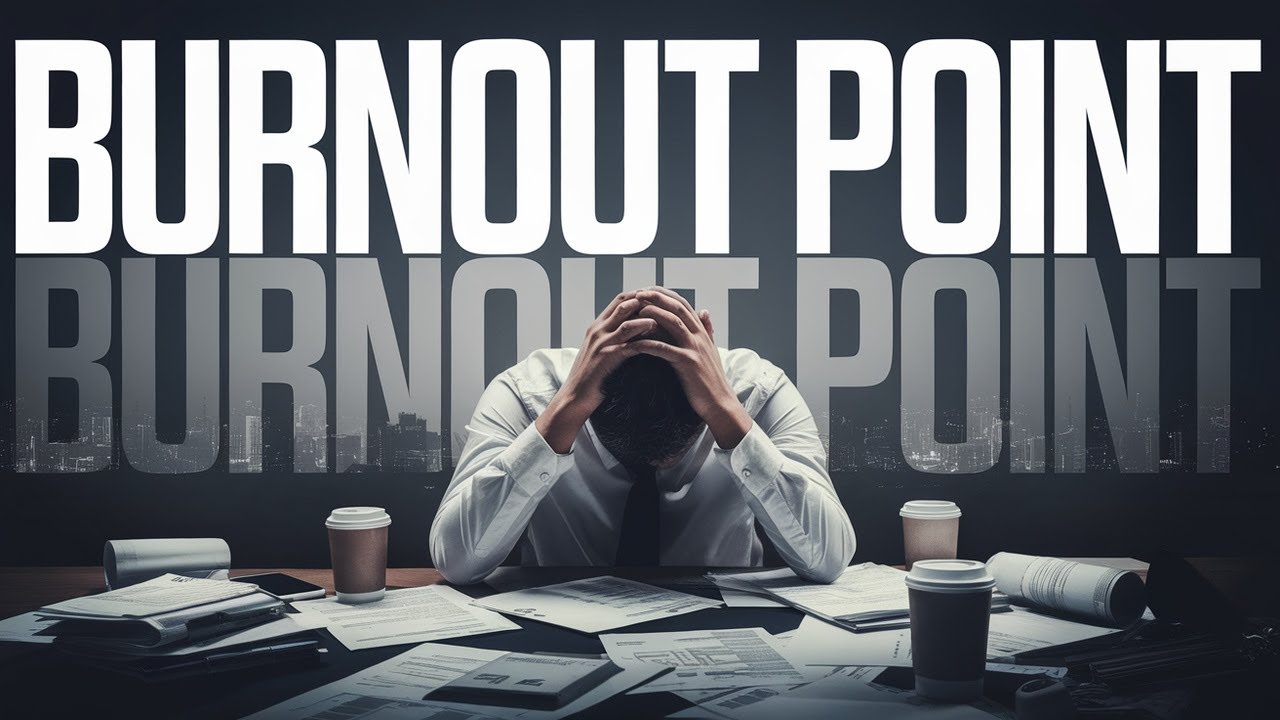
    Get Your Energy Back in Just 7 Days Without Burnout!

    Understanding Mental Exhaustion: Recognizing the Signs and Recharging Your Mind

    Join me as I dive into the challenge of figuring out if I’m mentally drained and how to recharge my brain in just one day. Mental exhaustion is a crisis quietly sweeping the modern world. It’s a feeling of being utterly drained, depleted, and exhausted to the point where even getting out of bed becomes a monumental task. If you’re reading this, chances are you’re no stranger to this crippling sensation. The question is: what exactly is mental exhaustion, and why is it becoming an epidemic in today’s fast-paced world?

    The truth is, we’re living in a society that celebrates busyness, where being productive and getting things done is the ultimate badge of honor. But in this relentless pursuit of productivity, we’re forgetting to take care of our own minds. We’re neglecting to recharge, to unwind, and to prioritize our own well-being. That’s precisely when mental exhaustion starts to creep in.

    What is Mental Exhaustion?

    Mental exhaustion isn’t just about feeling tired; it’s about feeling like you’re running on empty, with no gas left in the tank. It’s about feeling like you’re stuck in a never-ending cycle of stress, anxiety, and burnout. If you’re not careful, it can slowly start to consume your entire life.

    Signs and Symptoms of Mental Exhaustion

    Have you ever woken up in the morning feeling like you’ve been hit by a truck, with a sense of dread and anxiety that you can’t shake off? Have you ever felt like you’re just going through the motions without any sense of purpose or passion? Have you ever struggled to concentrate, to focus, or to make even the simplest decisions?

    One of the most common signs of mental exhaustion is a feeling of chronic fatigue. You might be getting enough sleep, but you still wake up feeling tired, sluggish, and unmotivated. You might feel like you’re constantly running on autopilot, without any energy or drive to pursue your goals and dreams.

    Another symptom of mental exhaustion is a loss of interest in activities you once loved. You might find yourself feeling disconnected from your hobbies, passions, and relationships. You might start to withdraw from social gatherings, events, and activities that once brought you joy.

    Mental exhaustion can also manifest as physical symptoms like headaches, stomach problems, and muscle tension. You might experience mood swings, irritability, and explosive outbursts over the smallest things.

    The Impact on Daily Life and Relationships

    In addition, mental exhaustion can start to affect your daily life and work performance. You might struggle to meet deadlines, complete tasks, or deliver results. You might feel like you’re constantly playing catch-up, without any sense of control or direction.

    Mental exhaustion can also take a toll on your personal relationships. You might become short-tempered, irritable, and snappy, causing friction with your loved ones. You might start to feel like you’re a burden to others, like you’re not good enough, or like you’re not worthy of love and support.

    Causes of Mental Exhaustion

    So, what causes mental exhaustion? Is it just a simple matter of being stressed out, or is there something more going on? The truth is, mental exhaustion is a complex issue with a multitude of factors that contribute to its development.

    One of the primary causes of mental exhaustion is stress. When we’re constantly exposed to stress, our bodies start to wear down, our minds start to fatigue, and our energy starts to deplete.

    Another cause of mental exhaustion is overcommitment. When we take on too much, say yes to every request, and push ourselves to the limit, we start to burn out.

    Lack of self-care is also a major contributor to mental exhaustion. When we neglect to prioritize our own well-being, don’t make time for ourselves, and don’t practice self-compassion, we start to crumble.

    Mental exhaustion can also be triggered by traumatic events like the loss of a loved one, a job change, or a major life transition. Any event that shakes our sense of security, identity, or purpose can send us spiraling into mental exhaustion.

    A Personal Journey Through Mental Exhaustion

    Let me share with you a personal story that illustrates the impact of mental exhaustion and the journey toward recovery. I remember working on a project that consumed my entire life. I was working 18-hour days, 7 days a week, without any break, rest, or reprieve. I was running on adrenaline, caffeine, and sheer determination, but deep down, I was dying. I was exhausted, depleted, and drained. I felt like a shell of my former self, just going through the motions without any sense of purpose or passion.

    But one day, I hit rock bottom. I woke up and couldn’t get out of bed. I couldn’t face the day, my work, or myself. That’s when I realized I needed to make a change, take care of myself, and prioritize my own well-being. I started taking time off, practicing self-care, and reconnecting with my loved ones. It wasn’t easy, simple, or quick, but slowly, I started to recharge, revive, and rediscover myself.

    The Takeaway: Mental Exhaustion is Treatable

    So, what’s the takeaway from today’s discussion? Mental exhaustion is real, common, and treatable. It’s not a sign of weakness, failure, or inadequacy. It’s a sign that you’re human, vulnerable, and need to take care of yourself.

    If you’re feeling mentally exhausted, please know that you’re not alone, crazy, or broken. You’re just tired, worn out, and in need of some tender loving care (TLC).

    Thank you for reading. If you have experienced mental exhaustion, I’d love to hear your story in the comments below. Also, be sure to check out our other content on mental health, and don’t forget to subscribe for more insights on self-care, personal growth, and mindfulness.

    As found on YouTube

0
Verified by MonsterInsights