<br> Join me as I challenge myself to eat almonds every day for a week and see how it changes my body and energy levels. Almonds have become a staple snack for many of us. But what's the real impact of eating them daily? Are they as healthy as we think, or are there some hidden concerns we should be aware of? Eating almonds daily can be a bit of a double-edged sword. On one hand, they're packed with nutrients, but on the other, they are also high in calories. A single ounce of almonds, which is about 23 nuts, contains 161 calories. That might not seem like a lot, but it's easy to overdo it, especially if you're snacking on them throughout the day. I've had friends who've told me they've gained weight from eating too many almonds, so it's something to keep in mind.<br><br> Another concern is allergies. Some people are severely allergic to almonds, and even a small amount can cause a serious reaction. If you're allergic, it's obvious you should avoid them, but it's also important to be mindful if you're eating them in public or around others who might have allergies. Crosscontamination can be a real issue. There's also the issue of digestion. Almonds are high in fiber, which can be great for your digestive system, but it can also cause problems if you're not used to eating high-fiber foods. Some people experience bloating, gas, or even stomach pain after eating almonds. It's not a pleasant experience. Trust me. Despite these potential concerns, almonds are also incredibly beneficial.<br><br> They're a great source of healthy fats, protein, and fiber, making them a fantastic snack for heart health. The monounsaturated and polyunsaturated fats in almonds can help lower cholesterol levels, reducing the risk of heart disease. I've read studies that show eating almonds regularly can even help lower blood pressure. Almonds are also amazing for weight management. Their combination of protein, fiber, and healthy fats helps keep you feeling fuller for longer, which can prevent overeating. Plus, they're low in carbs, making them a great choice for anyone watching their blood sugar levels. In terms of skin health, almonds are a powerhouse. They're rich in vitamin E, which is fantastic for your skin, helping to protect it from damage and keep it looking healthy and youthful.<br><br> I've noticed that my skin does look better when I'm eating almonds regularly. One of the most surprising benefits of eating almonds daily is their impact on gut health. Research has shown that almonds can help increase the levels of beneficial bacteria in your gut, which is crucial for a strong immune system. A healthy gut can even improve your mood and energy levels, which is a huge bonus. I've come across a study that found eating almonds daily can even help with weight loss. The study showed that participants who ate almonds as part of their diet lost more weight than those who didn't. The exact reason isn't clear, but it's thought that the combination of healthy fats, protein, and fiber helps regulate appetite and metabolism.<br><br> So, what can we conclude from all this? Eating almonds daily can have some amazing benefits from improving heart health and aiding in weight management to boosting your skin and gut health. Of course, it's essential to be mindful of the potential concerns like calorie intake and allergies. If you've had any experiences with eating almonds daily, I'd love to hear about them. Have you noticed any changes in your energy levels, skin, or overall health? Let me know in the comments below. And if you're interested in more videos on healthy snacks, be sure to check out my next video on the best nuts for weight loss. Thanks for watching.. <br><br><a href="https://www.youtube.com/watch?v=OEVbkC80y1Q" target="_blank">As found on YouTube</a>
<br> Join me as I dive into the science of alcohol and take on the challenge of figuring out what really happens to my brain after a few drinks. Alcohol is a part of many social gatherings, celebrations, and even quiet nights in. We've all had a drink or two, but have you ever stopped to think about what's really going on inside your brain when you do? From the moment that first sip hits your lips, a complex interaction begins, affecting everything from your mood to your memories. Many of us tend to underestimate just how much alcohol alters our brain function.<br><br> We might think it's just a matter of feeling a little more relaxed or sociable. But the truth is alcohol has a profound impact on our brain chemistry. It affects our mood, memory, and even our decision-making abilities. You might have noticed that after a few drinks, you're more likely to laugh, but also more likely to forget what happened the night before. That's not just a coincidence. It's a direct result of alcohol's influence on your brain. Your brain's chemistry is altered, leading to changes in how you feel and behave. As alcohol enters your system, it starts interacting with neurotransmitters in your brain. These are the chemical messengers that regulate everything from your mood to your movements. Alcohol specifically targets neurotransmitters like GABA, which is responsible for calming your brain down, and glutamate, which is involved in excitement and learning. By altering the balance of these neurotransmitters, alcohol can make you feel more relaxed or less inhibited. But it also impairs your cognitive functions. This impairment affects your ability to make decisions, form memories, and even control your movements.<br><br> It's why after a few drinks, you might find yourself doing things you wouldn't normally do or waking up the next morning with a hangover and a serious case of regret. But the effects of alcohol don't stop there. Frequent consumption can lead to long-term changes in your brain, including the development of tolerance and dependence. The brain's ability to adapt and change, known as neuroplasticity, plays a significant role in how alcohol affects us. Both short-term and long-term drinking can reshape your brain's architecture. [Music] When you drink, your brain starts to compensate for the effects of alcohol by changing how neurons communicate with each other. Over time, these changes can become permanent, leading to a reorganization of your brain's function and structure. Understanding these changes is crucial for anyone who's ever had a drink. So, let's summarize. Alcohol profoundly impacts your brain chemistry, affecting your mood, memory, and decision-making. It interacts with neurotransmitters, impairs cognitive functions, and leads to long-term changes through neuroplasticity. If you've ever wondered about your own relationship with alcohol, or if you have a story about how drinking has affected you, I'd love to hear about it.<br><br> Share your experiences or thoughts in the comments below. And if you're interested in learning more about your brain and how to keep it healthy, be sure to check out our next video on brain health.. <br><br><a href="https://www.youtube.com/watch?v=Rzmq0v2CBkM" target="_blank">As found on YouTube</a>
<br> Are you aware of the early warning signs of brain tumors? Spotting these signs can make a significant difference in early diagnosis and treatment. Today, we'll walk you through the key warning signals to look out for regarding brain tumors. Brain tumors can vary by type, location, and size. Early on, symptoms may not be noticeable, but they can change as the cancer grows. First, let's discuss benign primary brain tumors. These non-cancerous tumors form in the brain and typically occur in adults, especially women. They do not spread to other areas. Now, let's examine some warning signs to keep an eye on. Headaches may point to a brain tumor. Look for headaches that are worse in the morning or don't ease with over-the-counter medications. Nausea and vomiting can occur as the tumor increases pressure in the skull. If these symptoms persist for several days, it's time to consult a doctor. Vision problems can arise due to pressure on the optic nerve.<br><br> Be alert for blurred vision or temporary loss of vision after changing position. Hearing issues can also signal a problem. If you experience ringing in your ears or gradual hearing loss, this may indicate an acoustic neuroma, a benign tumor affecting hearing. Numbness or tingling in various body parts can occur if a tumor interferes with brain signals. It's essential to watch for these changes. Balance and coordination issues are critical signs. A tumor pressing on the cerebellum can lead to dizziness or difficulty walking. Behavioral changes might suggest alterations in personality. Increased irritability or confusion can indicate something is wrong. Cognitive issues can arise based on tumor location. Memory loss or decision-making challenges may signal a brain tumor. Speech problems can occur if the tumor affects key areas of the brain related to language.<br><br> Slur or strained speech should be taken seriously. Maningiomas are common benign tumors often resulting in headaches and vision changes. Glyobblasto are aggressive tumors that can cause nausea, personality changes and seizures. Astrocytoomas appearing in varying degrees of severity can also present similar symptoms including headaches and seizures. Cranoparangiomas though rare can affect hormonal functions and lead to developmental delays in children. It's crucial to consult your doctor if you experience new, unusual, or worsening symptoms such as severe headaches, seizures, or changes in personality. Stay informed and be vigilant about your health. If you notice these signs, seek medical advice promptly. Remember, early detection can be life-saving. Keep an eye out and take action when needed.. <br><br><a href="https://www.youtube.com/watch?v=MBxtETMgo80" target="_blank">As found on YouTube</a>
Get Older, Get Healthier with These 12 Essential Vitamins
Join me as I challenge myself to incorporate all 12 essential vitamins into my daily routine for a whole week and see how it changes my health. As we age, we often focus on the physical changes we can see, like wrinkles and gray hair. But what about the changes happening inside our bodies? The truth is, our bodies start to slow down, and we begin to feel the effects of aging. But what if I told you there’s a way to counteract these changes and maintain your health and vitality as you get older?
Getting older doesn’t have to mean feeling older. By incorporating the right nutrients into our diet, we can support our bodies and maintain our health. And that’s exactly what we’re going to talk about today—the 12 essential vitamins that can help you age gracefully and thrive.
The Aging Process: What Really Happens?
Aging is a natural part of life, but it can be challenging. Our energy levels decrease, our immunity weakens, and we start to feel like we’re not as sharp as we used to be. We may experience joint pain, memory loss, and a weakened immune system. It’s like our bodies are saying, “Hey, slow down, I need a break.” But what if we could turn back the clock? What if we could regain our energy, sharpen our minds, and boost our immunity? It’s not just about looking good on the outside; it’s about feeling good on the inside too.
As we age, our bodies start to undergo a range of physiological changes. Our metabolism slows down, our hormone levels fluctuate, and our skin loses its elasticity. It’s a natural part of life, but it doesn’t mean we have to accept it. By incorporating the right vitamins into our diet, we can support our bodies and maintain our health.
Why Vitamins Matter
We’ve all heard the phrase, “You are what you eat,” and it’s true. The food we put into our bodies has a direct impact on our health and well-being. But sometimes, even with a healthy diet, we may be missing out on essential nutrients. That’s where vitamins come in to fill in the gaps and support our bodies.
Our modern lifestyle can be busy and stressful, making it difficult to maintain a balanced diet. We may skip meals, rely on convenience foods, or forget to take our vitamins. But the truth is, every meal matters, every snack counts, and every vitamin is essential.
As we age, our bodies become more susceptible to disease and illness. Our immune systems weaken, and we become more prone to infections. But it’s not all doom and gloom. By incorporating the right vitamins into our diet, we can boost our immunity and protect our bodies. Whether you’re 30, 50, or 70, it’s never too late to start taking care of your health.
The 12 Essential Vitamins for Aging Gracefully
Vitamin A is crucial for healthy vision, immune function, and skin health. It’s not just about seeing clearly; it’s about maintaining the integrity of your skin and bolstering your immune defenses against common ailments.
Vitamin C is a powerful antioxidant that boosts immunity and fights off free radicals. This vitamin is essential for the synthesis of collagen, a protein that helps keep your skin looking youthful and your joints functioning smoothly.
Vitamin D is essential for bone health and mood regulation. Often termed the “sunshine vitamin,” it plays a vital role in calcium absorption and can significantly impact your mood and general well-being.
Vitamin E is a powerful antioxidant that protects our cells from damage. It helps combat oxidative stress, which can accelerate the aging process and lead to chronic diseases.
Vitamin K is crucial for blood clotting and bone health. It ensures that your blood clots properly, preventing excessive bleeding, and works in synergy with calcium to maintain strong bones.
Thiamin (Vitamin B1) is essential for energy production and nerve function. This vitamin helps convert nutrients into energy, ensuring that you have the stamina to power through your day.
Riboflavin (Vitamin B2) supports energy production and eye health. It’s integral to the body’s energy supply chain and supports the maintenance of healthy eyes, reducing the risk of cataracts.
Niacin (Vitamin B3) is crucial for energy production and skin health. It plays a role in the conversion of food to energy and helps maintain healthy skin, reducing the risk of skin conditions as you age.
Pantothenic Acid (Vitamin B5) supports energy production and hormone regulation. It’s vital for the synthesis of coenzyme A, which is involved in the metabolism of carbohydrates, fats, and proteins.
Vitamin B6 is essential for energy production, nerve function, and immune function. This vitamin aids in the production of neurotransmitters, ensuring that your nervous system functions optimally.
Biotin supports energy production, nerve function, and healthy hair, skin, and nails. Often referred to as the “beauty vitamin,” it helps maintain the health of your hair and skin, combating the visible signs of aging.
Folic Acid (Vitamin B9) is crucial for energy production, nerve function, and heart health. It’s essential for DNA synthesis and repair, and works with vitamin B12 to produce red blood cells.
Vitamin B12 is essential for energy production, nerve function, and the formation of red blood cells. It plays a key role in brain health and can help prevent memory loss as you age.
Benefits of Incorporating Vitamins
These vitamins are not just essential for maintaining our health; they’re also crucial for preventing diseases and illnesses. By incorporating them into our diet, we can reduce our risk of heart disease, diabetes, and even certain types of cancer. The synergistic effect of these vitamins can help protect against the oxidative stress and inflammation that often accompany aging, thereby reducing the risk of chronic diseases.
Did you know that vitamin D deficiency has been linked to an increased risk of depression, anxiety, and even dementia? Or that vitamin B12 deficiency can cause fatigue, weakness, and memory loss? These vitamins are not just nice to have; they’re must-haves for maintaining our health and well-being. By ensuring that we get the right balance of vitamins, we can help stave off the mental and physical decline that many associate with aging.
By incorporating these essential vitamins into our diet, we can experience a range of benefits, from increased energy and improved mood to enhanced cognitive function and a stronger immune system. And the best part? It’s never too late to start. Making small, consistent changes today can have a profound impact on your health for years to come.
Conclusion: A Healthier You Awaits
In conclusion, getting older doesn’t have to mean feeling older. By incorporating the 12 essential vitamins into our diet, we can maintain our health, boost our energy, and thrive as we age. Remember, it’s not just about taking vitamins; it’s about making conscious choices about the food we eat, the exercise we do, and the lifestyle we lead. Cultivating healthy habits and being mindful of your nutritional intake can fundamentally change the way you experience aging.
Thanks for joining me on this journey. Don’t forget to share your thoughts in the comments below. If you’re new here, consider subscribing for more health tips and wellness content. If you’re interested in learning more about nutrition and aging, please like, subscribe, and click on the bell for more health tips and updates. Let’s get healthier together! By embracing the power of nutrition and making informed choices, we can redefine what it means to age, turning what is often seen as a decline into a period of vitality and growth.
Master Your Mental Clarity With This Simple Method!
Join me as I dive deep into my own mind to figure out what’s really stopping me from thinking clearly. Have you ever felt like your mind is a jumbled mess of thoughts, emotions, and to-do lists, like you’re trying to navigate a foggy forest without a clear path forward? You’re not alone. I’ve been there too, and it’s frustrating because we know that mental clarity is the key to achieving our personal and professional goals. When we’re clear-headed, we’re more focused, more productive, and more confident. But when our minds are cloudy, it’s like trying to drive through a thick fog without GPS.
I think we can all agree that mental clarity is essential for success. But what’s blocking our path to getting there? What’s preventing us from having a clear and focused mind? That’s what we’re going to explore today. We’re going to dive into the common obstacles that get in the way of our mental clarity, and I’m going to share some transformative insights that can help you overcome them.
Common Obstacles to Mental Clarity
In our fast-paced, tech-driven world, it’s easy to get caught up in the constant noise and distractions. Our minds are constantly being pulled in different directions, making it difficult to focus on what’s truly important. And then there’s stress, the ultimate mental clarity killer. When we’re stressed, our minds go into fight or flight mode, making it impossible to think clearly. And let’s not forget about negative self-talk—that constant inner critic that tells us we’re not good enough, smart enough, or capable enough. Stress, distractions, and negative self-talk are just a few of the common obstacles that prevent us from having clear thoughts.
But what about the little things like social media, email, and text notifications? These tiny distractions can add up quickly, fragmenting our attention and making it difficult to focus. And then there’s our physical environment—cluttered workspaces, noisy coffee shops, or chaotic homes. All of these things can drain our mental energy and make it hard to think clearly.
When we’re constantly bombarded with notifications, emails, and social media updates, it’s like trying to drink from a fire hose. Our minds can’t keep up with the pace, and we start to feel overwhelmed and anxious. And when we’re anxious, we’re more prone to negative self-talk, which further clouds our minds. It’s a vicious cycle, and it’s hard to break free from it.
How to Overcome These Obstacles
But that’s not all. Our physical environment can also play a huge role in our mental clarity. Think about it: when your workspace is cluttered, your mind feels cluttered too. When your home is chaotic, your thoughts are chaotic too. It’s like our surroundings are mirroring our mental state. And when we’re surrounded by noise and distractions, it’s like our minds are constantly screaming “danger, danger, danger.”
So, how do we overcome these obstacles and achieve mental clarity? The first step is to recognize that they’re there. We need to acknowledge the distractions, the stress, and the negative self-talk that’s holding us back. Once we acknowledge them, we can start to make changes. We can start to create a more conducive environment for clear thinking—one that’s free from distractions, clutter, and noise.
The Power of Mindfulness
One of the most powerful techniques I’ve discovered is the practice of mindfulness. By focusing on the present moment, we can quiet the mind and gain clarity. It’s like hitting the pause button on our thoughts and emotions, allowing us to reflect on what’s truly important. When we’re mindful, we’re more aware of our thoughts, emotions, and surroundings. We can spot the obstacles that are blocking our path to mental clarity, and we can overcome them.
For example, one simple mindfulness technique is to focus on your breath. When you feel stressed or overwhelmed, take a few deep breaths in through your nose and out through your mouth. As you breathe, focus on the sensation of the air moving in and out of your body. This simple practice can calm your mind and bring you back to the present moment.
Mindfulness is more than just a practice; it’s a way of life. By embedding mindfulness in our daily routines, whether it’s through meditation, mindful walking, or simply being present in our daily tasks, we can cultivate a state of mental clarity that remains resilient against the chaos of the outside world. Over time, this practice of mindfulness can reshape the brain, making it easier to manage stress and maintain focus.
Practicing Self-Compassion
Another technique is to practice self-compassion. When we’re kind to ourselves, we’re more likely to quiet the inner critic and focus on what’s truly important. We can reframe our negative thoughts and focus on the positive. We can tell ourselves, “I am capable and confident. I can overcome this obstacle.” The key is to find what works for you and make it a habit, whether it’s mindfulness, self-compassion, or simply taking a few moments each day to reflect on your thoughts and emotions. The important thing is to make mental clarity a priority.
Additionally, self-compassion involves forgiving ourselves for past mistakes and embracing our imperfections. It’s about understanding that failure is a part of growth and not a reflection of our worth. By nurturing a kind inner dialogue, we build resilience against the harshness of self-criticism and pave the way towards a more peaceful mind. Practicing self-compassion can transform the way we perceive challenges, allowing us to approach them with a clear mind and an open heart.
So, what’s blocking your path to clear thoughts? Is it stress, distractions, or negative self-talk? Whatever it is, I encourage you to take the first step today. Start small, start slow, but start. Create a conducive environment for clear thinking and watch how your life transforms.
In conclusion, mental clarity is the key to achieving our personal and professional goals. By recognizing the obstacles that block our path to clear thoughts and overcoming them, we can unlock our full potential. Thanks for joining me on this journey into the mind. Don’t forget to share your own experiences in the comments below. If you found this video helpful, please like, subscribe, and click on the bell for more health tips and updates.
Remember, achieving mental clarity is not a one-time event but an ongoing process. It requires dedication and practice, but the rewards are immense. A clear mind is not only more productive but also more creative and joyful. So, take the steps today to clear the mental fog and embark on a journey towards a more fulfilling life. Let’s make mental clarity not just a goal but a part of our everyday lives.
The Mystery of Memory: Understanding Why We Forget
Join me as I dive deep into the mystery of memory and take on the challenge of trying to remember everything I learned in a day. Memory is a fascinating topic that affects us all. We use it every day to learn, grow, and improve. But have you ever stopped to think about just how important memory is in our daily lives? Without it, we wouldn’t be able to recall our passwords, remember our loved ones’ birthdays, or even drive to work. It’s a fundamental part of being human, and yet it’s something that we often take for granted.
But what happens when our memories start to slip away? When we can’t remember where we put our keys or what we had for breakfast? It’s a frustrating experience that can leave us feeling helpless and confused. And it’s not just minor things that we forget. Sometimes, we forget important events, conversations, or even entire chunks of our lives.
The Fragility of Memory
As we go about our daily lives, it’s easy to assume that our memories are concrete and unchanging. But the truth is, our brains are constantly processing, storing, and retrieving information, and that process is far from perfect. So what’s going on in our brains when we forget things? Is it just a natural part of aging, or is there something more to it?
Memory loss and forgetting are a part of life, and it’s something that we’ve all experienced at some point or another. We’ve all had those moments where we walk into a room and can’t remember why we went there in the first place, or we’ve forgotten someone’s name just seconds after being introduced to them. It’s a universal experience that can be both embarrassing and frustrating.
The Science Behind Forgetting
But have you ever stopped to think about why we forget things in the first place? Is it because we’re just not paying attention, or is there something deeper going on? Do we simply have too much information to process, or is our brain trying to tell us something? Forgetting is such a common experience that it’s easy to brush it off as a minor annoyance, but the truth is, it’s a complex process that involves multiple factors, from our attention span to our emotional state.
Yet despite how common it is, we still don’t fully understand why we forget things. From misplacing our phones to forgetting important dates, memory loss is a part of life, and it’s not just limited to small things. Sometimes, we forget entire conversations or events. It’s a strange phenomenon that can leave us feeling confused and helpless.
Types of Memory and Their Role in Forgetting
So what’s going on in our brains when we forget things? Is it just a natural part of aging, or is there something more to it? Are we simply not paying attention, or is our brain trying to tell us something? These are the questions that we’ll be exploring today as we dive deeper into the mystery of memory and forgetting.
We’ve all had those moments where we can’t remember what we had for breakfast or what we did last weekend. It’s a frustrating experience that can leave us feeling like we’re losing our grip on reality. But the truth is, forgetting is a natural part of the memory process, and it’s not just limited to small things.
Memory Processes: Short-term vs. Long-term
As we navigate our daily lives, we’re constantly taking in new information, processing it, and storing it away in our brains. And yet, despite how efficient our brains are, we still forget things. It’s a strange paradox that has puzzled scientists and philosophers for centuries. So why do we forget things so easily? Is it because we’re just not paying attention, or is there something deeper going on? Do we simply have too much information to process, or is our brain trying to tell us something?
As we explore the science behind memory and forgetting, we’ll be looking at the different types of memory, from short-term to long-term. We’ll be discussing the reasons why we forget things, from decay to interference, and we’ll be examining the factors that affect memory retention, from our emotional state to our sleep patterns.
The Paradox of Forgetting
One of the most surprising things about memory is just how fragile it is. A single event, a single conversation, or even a single thought can be lost forever, never to be recovered. It’s a humbling reminder of just how limited our brains are when it comes to storing and retrieving information.
But what if I told you that forgetting isn’t always a bad thing? What if I told you that it’s actually a natural and necessary part of the memory process? It sounds counterintuitive, but the truth is, forgetting can actually be beneficial. As we learn and grow, our brains are constantly consolidating information, filing away what’s important and discarding what’s not. It’s a process that’s both necessary and beautiful, and it’s something that we’ll be exploring in more depth today.
Embracing Forgetting
So how do we reconcile the fact that we forget things with the idea that forgetting is actually beneficial? It’s a paradox that requires us to rethink our entire approach to memory and learning. And it’s a topic that we’ll be exploring in more depth today.
As we navigate the complex world of memory and forgetting, we’ll be looking at the different ways that we can improve our memory retention, from techniques like repetition and spaced learning to the importance of emotional connection. We’ll be exploring the practical ways that we can improve our memory.
Understanding the Science Behind Memory and Forgetting
But before we dive into the tips and tricks, it’s essential that we understand the underlying science behind memory and forgetting. It’s a complex topic that requires a deep understanding of how our brains work. From the neurobiological factors that affect memory retention to the psychological factors that influence our perception of forgetting, we’ll be covering it all today.
So why do we forget things so easily? Is it because we’re just not paying attention, or is there something deeper going on? Do we simply have too much information to process, or is our brain trying to tell us something? The answer, it turns out, is complex and multifaceted. Forgetting is a natural part of the memory process, and it’s something that we need to accept and even embrace.
Conclusion: Embracing the Natural Process of Forgetting
As we summarize the key points discussed today, it’s essential that we reinforce the idea that forgetting is a natural and necessary part of the memory process. It’s not something to be feared or fought; rather, it’s something to be understood and worked with.
In conclusion, memory and forgetting are complex topics that require a deep understanding of how our brains work. From the science behind memory consolidation to the practical ways that we can improve our memory retention, we’ve covered it all today.
Thanks for reading, and I’d love to hear about your own experiences with forgetting in the comments below. If you found this blog post helpful, please like, subscribe, and share it with others interested in the fascinating world of memory.
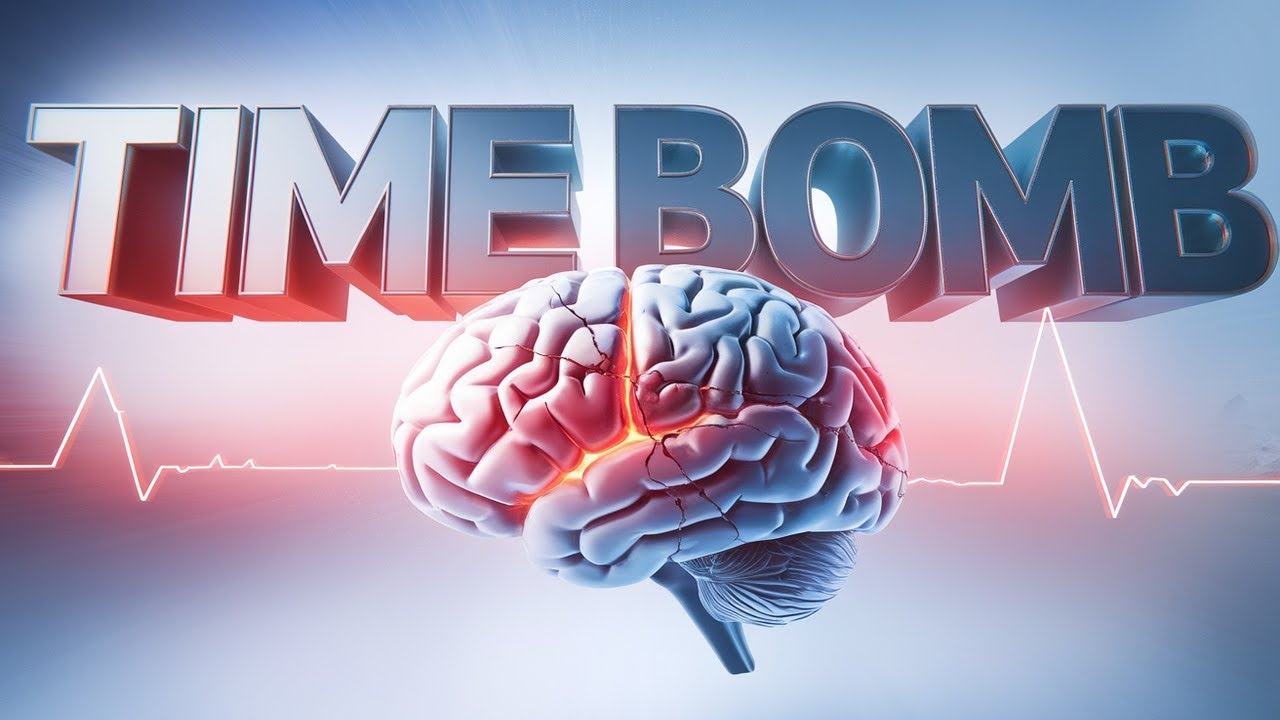
Uncovering the Signs of Alzheimer’s Disease: Is There a Time Bomb Ticking Away?
Alzheimer’s disease is a complex and debilitating condition that affects millions of people worldwide. Despite its prevalence, there’s still a lot we don’t fully understand about it, especially when it comes to identifying risk factors. Join me as I take on the challenge of uncovering the signs of Alzheimer’s disease and see if I have a time bomb ticking away.
Exploring the Connection Between Health Profiles and Alzheimer’s Disease Risk
As we age, our bodies undergo a range of natural changes that can impact our health. But did you know that some of these changes can also increase our risk of developing Alzheimer’s disease? Understanding your health profile can give you valuable insights into your risk factors, helping you take proactive steps to protect your brain health.
From high blood pressure to high cholesterol, many common health conditions can contribute to an increased risk of Alzheimer’s. But it’s not just physical health; our mental and emotional well-being can also play a significant role. The more we learn about Alzheimer’s disease, the more we realize how important early detection and intervention are. By understanding our individual risk factors, we can take steps to mitigate them and potentially delay or even prevent the onset of the disease.
The Challenge of Identifying Early Signs of Alzheimer’s Disease
One of the biggest challenges in identifying early signs of Alzheimer’s disease is that they can be incredibly subtle. In many cases, the symptoms are so mild that they can be dismissed as just a normal part of aging. But the problem is that by the time symptoms become noticeable, the disease has often already progressed significantly.
Early detection is critical in Alzheimer’s disease management. It can make all the difference in getting timely treatment and slowing down the disease’s progression. But how do you identify those early signs? Imagine if you could identify your risk factors early on and take proactive steps to reduce them. Imagine being able to delay or even prevent the onset of Alzheimer’s disease. It’s a GameChanger, and it’s exactly what we’re going to talk about today.
The Impact of Alzheimer’s Disease on Families and Caregivers
Alzheimer’s disease doesn’t just affect the individual; it also has a profound impact on families and caregivers. Watching a loved one struggle with memory loss, confusion, and mood changes can be heart-wrenching. But what if you could take steps to reduce the risk of that happening? In many cases, Alzheimer’s disease is a slow-moving process that can take years to develop. But that also means there’s time to take action and make a difference.
Identifying Early Signs of Alzheimer’s Disease: A Complex Process
Identifying early signs of Alzheimer’s disease is a complex process that requires a combination of medical expertise, cutting-edge technology, and good old-fashioned detective work. But it’s not impossible. With the right tools and knowledge, you can take control of your brain health and reduce your risk of developing Alzheimer’s.
Genetics and Alzheimer’s Disease Risk
Genetics play a significant role in Alzheimer’s disease risk. If you have a family history of the condition, you’re more likely to develop it yourself. But what if you don’t have a family history? Are you off the hook? Not necessarily. Researchers have identified several genetic markers that increase the risk of Alzheimer’s disease. These markers can be inherited from our parents and significantly impact our risk of developing the condition.
Lifestyle Choices and Alzheimer’s Disease Risk
But genetics are just one piece of the puzzle. Our lifestyle choices can also have a profound impact on our Alzheimer’s disease risk. From diet and exercise to mental health and social connections, there are many factors that can influence our risk of developing the condition.
Let’s talk about diet. What we eat has a direct impact on our brain health, and a diet rich in fruits, vegetables, and omega-3 fatty acids can help reduce our risk of Alzheimer’s. Exercise is another critical factor in Alzheimer’s prevention. Regular physical activity has been shown to improve cognitive function and reduce the risk of dementia.
But it’s not just about physical activity. Mental exercise is also crucial. Mental health is often overlooked when it comes to Alzheimer’s disease risk, but the truth is that chronic stress, anxiety, and depression can all contribute to an increased risk of developing the condition. Social connections are also vital in reducing Alzheimer’s risk. Studies have shown that people with strong social networks are less likely to develop dementia.
Other Health Indicators Affecting Alzheimer’s Disease Risk
Chronic inflammation is another key factor in Alzheimer’s disease risk. When our bodies are constantly fighting inflammation, it can lead to cognitive decline and increase our risk of developing the condition. Sleep is critical for brain health, and chronic sleep deprivation can increase our risk of Alzheimer’s disease. But what if you’re not getting enough sleep? Vitamin D deficiency has been linked to an increased risk of Alzheimer’s disease, but what if you’re not getting enough vitamin D?
Hormonal imbalances can also contribute to an increased risk of Alzheimer’s. As we age, our hormone levels change, and this can impact our brain health. As we explore these various health indicators and lifestyle factors, it’s clear that reducing our risk of Alzheimer’s disease is a complex process, but it’s not impossible.
A Real-Life Example: Sarah’s Proactive Approach to Alzheimer’s Prevention
Meet Sarah, a 55-year-old woman who was concerned about her risk of developing Alzheimer’s disease. Her mother had died of the condition, and Sarah was determined to take proactive steps to reduce her own risk. Sarah started by making lifestyle changes. She began exercising regularly, eating a healthy diet, and getting enough sleep. She also reduced her stress levels by practicing meditation and yoga.
But Sarah didn’t stop there. She also started to prioritize her mental health, seeking out therapy to deal with chronic anxiety and depression. Sarah’s proactive approach paid off. She reduced her risk of developing Alzheimer’s disease and improved her overall health and well-being.
Conclusion: Taking Control of Your Brain Health
Sarah’s story is a powerful reminder that early detection and intervention can make all the difference in managing Alzheimer’s disease risk. In this blog post, we’ve explored the complex connection between health profiles and Alzheimer’s disease risk. We’ve delved into the various health indicators and lifestyle factors that can contribute to an increased risk of developing the condition.
But the most important takeaway is this: you have the power to take control of your brain health. By understanding your health profile and identifying risk factors early on, you can take proactive steps to reduce your risk of Alzheimer’s disease. Share your thoughts in the comments about your own health journeys. What are you doing to take control of your brain health?
If you found this post helpful, please like, subscribe, and click on the bell for more health tips and updates.
Understanding Memory Lapses: Aging or Alzheimer’s?
Join me as I take on the challenge of figuring out if my memory lapses are just normal aging or something more serious like Alzheimer’s. As we age, it’s natural to wonder if our forgetfulness is just a normal part of getting older or if it’s something more serious like Alzheimer’s disease. The truth is, it can be really tough to tell the difference between the two. That’s why it’s so important to understand the signs of aging versus Alzheimer’s so we can better navigate our own health and the health of our loved ones.
Recognizing Normal Aging
I know I’m not alone in this concern. Many of us have experienced those frustrating moments of forgetfulness, like misplacing our keys or struggling to recall a familiar word. It’s natural to wonder: is this just part of getting older, or is something more going on? The reality is that aging is a complex process, and it’s not always easy to distinguish between normal aging and Alzheimer’s disease. But by exploring the signs and symptoms of both, we can gain a better understanding of what’s happening in our brains and bodies as we age.
Common Signs of Aging
Common signs of aging can include things like forgetfulness, difficulty learning new information, and changes in sleep patterns. However, these same symptoms can also be indicators of Alzheimer’s disease, making it difficult to know what’s going on. It’s no wonder so many of us are left wondering if our memory lapses are just a normal part of aging or something more serious.
Understanding Alzheimer’s Disease
Let’s face it: getting older can be a little scary, especially when it comes to our brains. We’ve all heard the stereotypes about older people being forgetful or senile, but the truth is, many of these senior moments can be entirely normal. However, that doesn’t mean we should ignore them or write them off as just a part of aging. As we age, our brains undergo natural changes that can affect our memory, cognitive function, and overall health. These changes can impact our daily lives, making it harder to learn new things, remember important details, or even perform everyday tasks. But these changes don’t necessarily mean we have Alzheimer’s disease.
Distinguishing Alzheimer’s Symptoms
It’s estimated that up to 40% of people over the age of 65 experience some form of cognitive decline, but only about 10% of those cases will actually be Alzheimer’s disease. That means a significant number of people are experiencing normal age-related changes that can be managed and even improved with the right strategies and support.
Key Differences Between Aging and Alzheimer’s
So how do we know if our memory lapses are just a normal part of aging or something more serious? One key difference is the severity and frequency of symptoms. While normal aging may cause occasional forgetfulness, Alzheimer’s disease is characterized by a steady decline in cognitive function, often accompanied by other symptoms like confusion, mood changes, and difficulty with communication.
Impact on Daily Life
Another important distinction is the impact of symptoms on daily life. While normal aging may cause some inconvenience, Alzheimer’s disease can make it difficult to perform everyday tasks, maintain relationships, and even care for oneself. It’s essential to pay attention to these differences and seek medical attention if we notice significant changes or impairments.
Staying Proactive and Informed
Despite these distinctions, it can still be challenging to determine whether our symptoms are normal or not. That’s why it’s so important to stay informed, stay proactive, and stay connected with our healthcare providers. By doing so, we can better understand our own health and take steps to maintain our cognitive function as we age.
Lifestyle Changes for Brain Health
Research has shown that certain lifestyle changes, such as regular exercise, social engagement, and cognitive stimulation, can help slow down cognitive decline and even improve brain health. This is incredible news, and it highlights the importance of taking an active role in our health as we age. But even with this knowledge, it can be tough to shake the feeling that we’re losing our grip on reality. I know I’ve had moments where I felt like I’m just not as sharp as I used to be, and it’s scary. It’s scary to think that we might be losing ourselves bit by bit.
The Role of Healthcare Providers
That’s why it’s essential to talk to our healthcare providers to get a clear understanding of what’s going on in our brains and bodies. By doing so, we can rule out other potential causes of cognitive decline and get a better sense of whether our symptoms are normal or not.
Seeking Support and Resources
It’s also important to remember that we’re not alone in this journey. Millions of people around the world are experiencing similar challenges, and there is hope. There is help available, from medical professionals to support groups to online resources. We don’t have to face this alone.
Advancements in Alzheimer’s Research
One of the most significant breakthroughs in understanding the differences between normal aging and Alzheimer’s disease is the development of biomarkers. These biomarkers can help medical professionals identify the presence of Alzheimer’s disease in the brain even before symptoms appear. This is a game-changer, and it’s opening up new possibilities for early intervention and treatment.
Individual Experiences
But even with these advancements, it’s essential to remember that every person’s experience is unique. What might be normal for one person might not be normal for another. That’s why it’s crucial to listen to our bodies, pay attention to our symptoms, and seek help when we need it.
Conclusion: Taking Control of Our Health
As we navigate the complexities of aging and Alzheimer’s disease, it’s essential to stay informed, stay connected, and stay proactive. By doing so, we can take control of our health and live our best lives, no matter what the future holds.
So what’s the takeaway from all of this? It’s essential to recognize the differences between normal aging and Alzheimer’s disease and to seek help when we need it. By staying informed and staying proactive, we can take control of our health and live our best lives.
Thanks for joining me on this journey to explore the differences between normal aging and Alzheimer’s disease. If you have any questions or personal experiences you’d like to share, please leave them in the comments below. And if you found this article helpful, please like, subscribe, and click on the bell for more health tips and updates.
Contains custom information set by the web developer via the _setCustomVar method in Google Analytics. This cookie is updated every time new data is sent to the Google Analytics server.
2 years after last activity
__utmx
Used to determine whether a user is included in an A / B or Multivariate test.
18 months
_ga
ID used to identify users
2 years
_gali
Used by Google Analytics to determine which links on a page are being clicked
30 seconds
_ga_
ID used to identify users
2 years
_gid
ID used to identify users for 24 hours after last activity
24 hours
_gat
Used to monitor number of Google Analytics server requests when using Google Tag Manager
1 minute
_gac_
Contains information related to marketing campaigns of the user. These are shared with Google AdWords / Google Ads when the Google Ads and Google Analytics accounts are linked together.
90 days
__utma
ID used to identify users and sessions
2 years after last activity
__utmt
Used to monitor number of Google Analytics server requests
10 minutes
__utmb
Used to distinguish new sessions and visits. This cookie is set when the GA.js javascript library is loaded and there is no existing __utmb cookie. The cookie is updated every time data is sent to the Google Analytics server.
30 minutes after last activity
__utmc
Used only with old Urchin versions of Google Analytics and not with GA.js. Was used to distinguish between new sessions and visits at the end of a session.
End of session (browser)
__utmz
Contains information about the traffic source or campaign that directed user to the website. The cookie is set when the GA.js javascript is loaded and updated when data is sent to the Google Anaytics server
6 months after last activity
Marketing cookies are used to follow visitors to websites. The intention is to show ads that are relevant and engaging to the individual user.
Facebook Pixel is a web analytics service that tracks and reports website traffic.