Tag: education

  • Discover the TRUTH Behind WILLIE LYNCH Syndrome

    Discover the TRUTH Behind WILLIE LYNCH Syndrome

      <br> I&#39;m diving deep into the topic of Willie  Lynch syndrome to see if I can fully  understand its impact and what it really  means.  Let&#39;s see if I can break it down for  you.  Willie Lynch syndrome is a term that has  been used to describe a specific set of  psychological and social dynamics within  communities, particularly affecting  people of color.  It&#39;s named after Willie Lynch, a slave  owner who supposedly gave a speech in  1712 outlining methods to control and  divide enslaved Africans.  The idea is that these tactics have been  passed down through generations,  creating a legacy of division and  mistrust.  The effects of Willie Lynch syndrome can  be seen in many areas of life, from  education to employment and even within  families.  It creates an environment where people  are pitted against each other making it  difficult to form healthy relationships  or work together towards common goals.  This division can lead to a lack of  trust and cooperation which in turn  hinders progress and growth.  One of the most significant challenges  posed by Willie Lynch syndrome is its  ability to make individuals doubt their  own worth and capabilities.<br><br> When people are constantly made to feel  inferior or are pitted against one  another, it can lead to low self-esteem  and a lack of confidence.  This can affect every aspect of life  from personal relationships to  professional endeavors.  The impact of Willie Lynch syndrome  isn&#39;t limited to individual experiences.  It also has broader societal  implications.  Communities that are affected by this  syndrome often struggle with issues like  poverty, crime, and poor health  outcomes.<br><br> These issues are not just random  occurrences, but are interconnected and  can be traced back to the systemic  problems created by Willie Lynch  syndrome.  The term Willie Lynch syndrome  originated from a letter allegedly  written by Willie Lynch to his son  outlining methods to control slaves by  dividing them based on age, skin color,  and other factors.  This strategy aimed to make slaves doubt  themselves and turn against each other,  making them easier to control.  Today, the term is used to describe  similar dynamics that play out in  communities of color, where internalized  racism and division can lead to  significant social and economic  disparities.  The implications of Willie Lynch  syndrome on mental health are profound.  When individuals are constantly  subjected to messages of inferiority and  division, it can lead to anxiety,  depression, and other mental health  issues.  Moreover, the strain on community  relationships is evident as mistrust and  competition can replace cooperation and  solidarity.  In modern society, Willie Lynch syndrome  manifests in various ways, from the  school to prison pipeline to economic  disparities.  It&#39;s a complex issue that requires a  comprehensive approach to address its  root causes and symptoms.  By understanding its origins and  effects, we can begin to work towards  healing and building stronger, more  united communities.<br><br> One powerful insight into the effects of  Willie Lynch syndrome comes from  understanding the story of a young  African-American woman who grew up in a  neighborhood affected by these dynamics.  Her journey towards self-discovery and  healing is a testament to the resilience  of the human spirit and the importance  of addressing these issues.  Her story highlights the challenges  faced by many individuals who are trying  to overcome the obstacles created by  Willie Lynch syndrome.  It also underscores the need for  community support and resources to help  people heal and build better lives.  The effects of Willie Lynch syndrome on  individuals and communities can be  profound, but there is hope for healing  and change.<br><br> By acknowledging the past and working  towards a better future, we can create  environments that foster growth,  cooperation, and mutual respect.  In reflecting on these insights, it  becomes clear that Willie Lynch syndrome  is not just a historical relic, but a  living, breathing issue that affects  people today.  Its impact is felt across generations,  making it crucial that we address it  head-on.  To move forward, it&#39;s essential to  summarize the key points discussed.  Willie Lynch syndrome is a legacy of  division and mistrust. It affects mental  health and community relationships and  it has profound effects on individuals  and communities.  Awareness and healing are crucial steps  towards overcoming these psychological  scars.  If you&#39;re interested in learning more  about topics like this, I invite you to  check out another video where we explore  related issues.  Your thoughts and comments are  invaluable, so please share them below.  Let&#39;s continue the conversation and work  together towards understanding and  healing.<br><br><a href="https://www.youtube.com/watch?v=HUX8YvgumbE" target="_blank">As found on YouTube</a>
    
  • Is Your Kitchen Secretly Making You SICK?

    Is Your Kitchen Secretly Making You SICK?

    Is Your Kitchen Secretly Making You SICK?

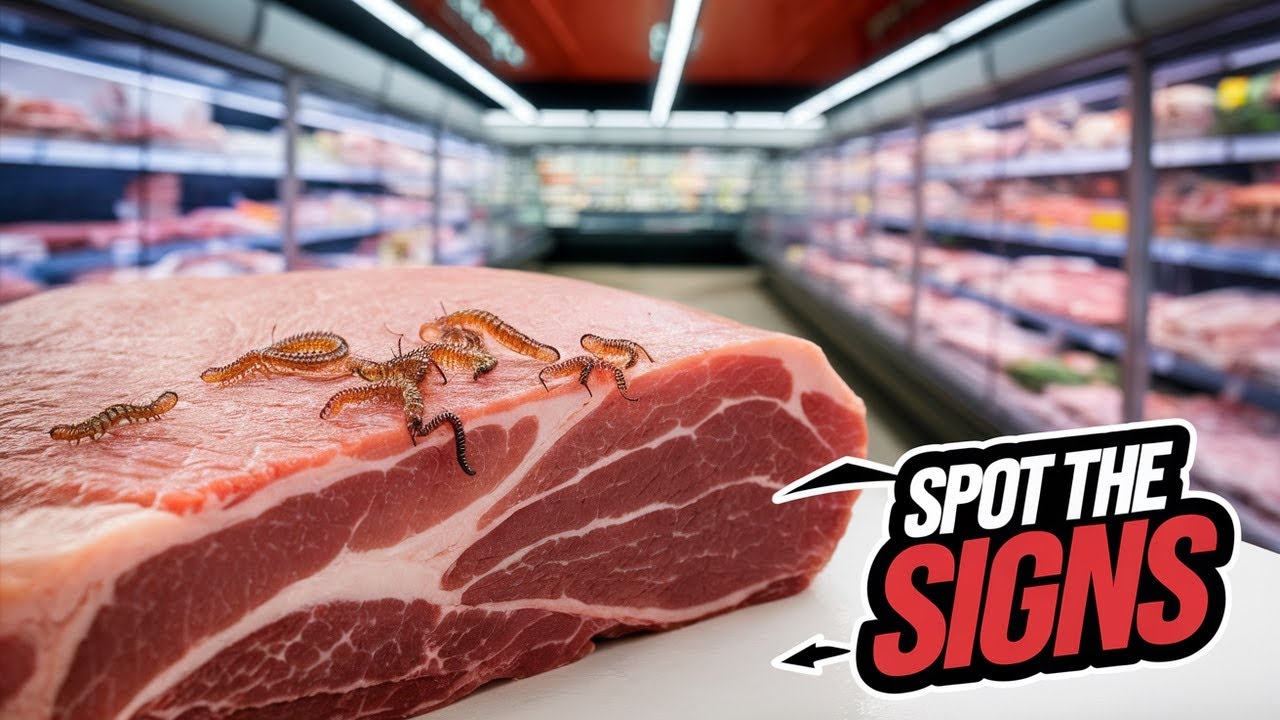
    Most people have no idea that their food could be crawling with worms, and I’m going to show you how to spot the signs. When we think of food contamination, we often think of bacteria, viruses, or pesticides. But the reality is that worms can be lurking in our food too. It’s a pressing issue that affects millions of people worldwide, and it’s not just a third-world problem. Food contaminated with worms can be found in supermarkets, restaurants, and even in our own kitchens. It’s a nightmare that can have serious health consequences if left unchecked.

    The thought of consuming worms might make your skin crawl, but the truth is that many of us have probably eaten food contaminated with worms at some point in our lives. It’s a hard pill to swallow, but it’s essential to acknowledge the reality of this issue. The problem is so widespread that even food safety authorities have trouble keeping track of it. It’s a complex issue that requires a multifaceted approach, but the first step is to raise awareness and educate ourselves about the risks.

    Understanding the Risks

    Food contamination is already a significant concern, and when you add worms to the mix, it becomes even more alarming. The lack of transparency in the food industry only exacerbates the problem. As consumers, we have the right to know what we’re eating, and it’s unacceptable that we’re often left in the dark about the safety of our food. We need to take responsibility for our health and demand better from the food industry.

    The more we learn about food contamination, the more we realize how crucial it is to take control of our food choices. We can’t rely solely on food safety authorities to protect us. We need to be proactive in protecting our health. By understanding the risks of worm-infested food, we can take steps to minimize our exposure and demand better from the companies that produce and sell our food.

    Common Worms in Food

    Worms can be found in a wide range of foods, from fruits and vegetables to meat and processed products. According to the Food and Agriculture Organization of the United Nations, up to 25% of the world’s food crops are lost to pests and diseases, including worms. In the United States alone, the FDA estimates that around 48 million people get sick from foodborne illnesses each year, many of which are caused by worm-infested food.

    The prevalence of worm-contaminated food is staggering. In one study, researchers found that over 30% of samples of fresh herbs were contaminated with parasites, including worms. Another study found that nearly 20% of pork products contained worm larvae. The risks are real and they’re not limited to developing countries. We can find worm-contaminated food in our local supermarkets, and it’s often difficult to detect.

    Health Risks

    Food contaminated with worms can pose serious health risks, including intestinal blockages, malnutrition, and even organ damage. In severe cases, it can lead to life-threatening conditions. The problem is further complicated by the fact that many people who consume worm-contaminated food may not show immediate symptoms. It can take weeks, months, or even years for the effects to manifest, making it challenging to trace the source of the contamination.

    The risks are particularly high for vulnerable populations, such as pregnant women, children, and people with weak immune systems. For these groups, consuming worm-contaminated food can have devastating consequences. It’s essential that we take the necessary precautions to minimize the risks and ensure that our food is safe to eat.

    Types of Worms

    There are several types of worms that can contaminate food, each with its unique characteristics and risks. The most common types include roundworms, tapeworms, and hookworms. These worms can be found in a wide range of foods, from raw fruits and vegetables to processed meats and dairy products. Understanding the different types of worms and how they contaminate food is crucial in reducing the risks.

    Roundworms are one of the most common types of worms found in food. They can range in size from a few millimeters to several centimeters and can be found in foods such as fruits, vegetables, and nuts.

    Tapeworms are long, flat worms that can grow up to several meters in length. They’re often found in undercooked meat, particularly pork and wild game.

    Hookworms are another common type of worm that can contaminate food. They’re usually found in soil and can be ingested through contaminated fruits and vegetables. Hookworms can cause gastrointestinal problems, including diarrhea and abdominal pain, and can lead to malnutrition if left untreated.

    Spotting Contaminated Food

    Identifying contaminated food can be challenging, but there are some warning signs to look out for. One of the most common signs is the presence of small white specks or moving particles in the food. Worms can also cause unexpected textures, flavors, or odors in the food. In some cases, contaminated food may appear slimy, moldy, or discolored.

    When it comes to identifying contaminated food, it’s essential to be vigilant and take the time to inspect the food carefully. Check for any signs of spoilage, mold, or unusual odors. If you’re buying fruits and vegetables, make sure to wash them thoroughly before consuming them. Avoid eating raw or undercooked meat, particularly pork and wild game, as they’re more likely to be contaminated with worms.

    In addition, it’s important to store food properly to prevent contamination. Keep raw meat separate from other foods in the refrigerator, and ensure that your kitchen surfaces are clean and sanitized. Regularly check the expiration dates on food products, and be mindful of the conditions in which your food is stored. By taking these precautions, you can significantly reduce the risk of consuming worm-contaminated food.

    A Real-Life Example

    One of the most compelling cases of worm-infested food is the story of a woman who contracted a severe parasitic infection after eating contaminated sushi. The woman, who remains anonymous, claimed that she had eaten at a reputable restaurant and had no idea that the fish was contaminated with worms. The incident left her with severe abdominal pain, nausea, and vomiting and required extensive medical treatment. The case highlights the severity of the issue and the potential consequences of consuming contaminated food.

    It’s a stark reminder that we need to be proactive in protecting our health and demanding better from the food industry. By sharing her story, we can raise awareness about the risks of worm-infested food and encourage others to take action.

    Conclusion

    As we’ve seen, the risks of consuming food contaminated with worms are real and potentially life-threatening. It’s essential that we take the necessary precautions to minimize the risks and ensure that our food is safe to eat. By being aware of the potential risks and taking the time to inspect our food, we can reduce the chances of getting sick.

    In conclusion, the issue of worm-infested food is a pressing concern that requires our attention. By educating ourselves about the risks and taking the necessary precautions, we can protect our health and demand better from the food industry. Remember, it’s always better to be safe than sorry when it comes to the food we eat. If you have any personal experiences or thoughts on food safety, please share them in the comments below. Stay informed, stay safe, and let’s demand the transparency we deserve.

    As found on YouTube

  • What Happens When You Don’t Eat for a Week (FASTING)

    What Happens When You Don’t Eat for a Week (FASTING)

    The Science Behind Fasting: Shedding Pounds, Not Just Myths

    Fasting isn’t just the latest health craze or something reserved for ancient rituals. It’s a tried-and-true practice with real science to back up its benefits. But how does it really help you shed pounds? Let’s go on a journey to uncover the fascinating effects that fasting has on your body, from insulin control to fat burning, and why it may just be the solution you’re looking for.

    Step 1: The Power of Insulin — Our Metabolic Traffic Cop

    Imagine insulin as a skilled traffic cop directing glucose (sugar) throughout your body. Whenever you eat, especially carbohydrates, insulin steps in to help transport glucose from your bloodstream into cells where it’s either used for energy or stored for later use. The problem is that if you’re constantly eating, insulin is always on duty, which means there’s rarely a chance to dip into those stored energy reserves.

    When you fast, however, insulin levels drop. Without the constant presence of insulin, your body doesn’t get its usual signals to store fat. It’s like that traffic cop finally takes a break. With insulin levels low, your body has no choice but to find alternative fuel sources. This sets the stage for burning stored fat, tapping into the pantry of reserves you’ve been keeping “just in case.”

    Step 2: Accessing the “Backup Pantry” – Stored Glucose and Fat

    Once insulin backs off, your body starts dipping into glycogen — glucose stored in your liver and muscles. Think of glycogen as your body’s emergency snack stash. It’s the first place your body turns for energy when food isn’t coming in.

    But glycogen doesn’t last forever; your body can burn through it in roughly 12–24 hours, depending on activity levels and your metabolism. After this, your body turns to its fat stores. Fat becomes the new fuel, and it’s more than happy to oblige. Fasting, in essence, shifts your body from being a glucose burner to a fat burner, which is precisely why many people experience weight loss with intermittent fasting.

    Step 3: Enter Ketosis – The Fat-Burning Zone

    Once glycogen levels are low, your body enters a metabolic state called ketosis. This is where the real magic happens. In ketosis, fat is broken down into molecules called ketones, which your body can use as an alternative energy source. The benefit of ketones is that they’re highly efficient; they provide stable energy levels without the spikes and crashes that come with glucose.

    Ketosis doesn’t just help with weight loss; it also sharpens mental clarity and focus. Many fasting enthusiasts report feeling mentally “on” during this stage. And if you’re trying to lose weight, ketosis is like striking gold — you’re actively using up fat stores as fuel, making each fasted hour count.

    Step 4: The Sweet Perks of Fat Loss and Muscle Preservation

    By tapping into fat stores and sparing muscle tissue (a concern for those wary of losing muscle mass), fasting is a well-rounded approach to weight loss. Studies show that short-term fasting does not significantly affect muscle loss, particularly when done in cycles, like intermittent fasting. Instead, fasting promotes the burning of fat while retaining lean muscle — a key to maintaining a toned and healthy appearance.

    Step 5: The Added Bonus — Improved Metabolic Health

    Fasting can also improve your overall metabolic health, making it easier to keep the weight off in the long run. Low insulin levels reduce your risk of insulin resistance (a precursor to type 2 diabetes), while the ketones produced during fasting may reduce inflammation and oxidative stress. This combination not only promotes weight loss but also supports long-term health.

    Final Thoughts: Fasting as a Lifestyle, Not a Trend

    Fasting isn’t about starvation; it’s about giving your body time to reset and burn through its energy reserves. It’s like a natural “refresh” button for your metabolism. By lowering insulin, triggering ketosis, and preserving muscle, fasting offers a unique, science-backed method to reach your weight loss and health goals.

    For more eye-opening insights on health myths and metabolism, check out our article on “Gut Health Myths Debunked.” Your body might just have a few secrets left to reveal!

    As found on YouTube

0
Verified by MonsterInsights