Tag: disease

  • The Hidden Truth Behind Osteoarthritis Pain REVEALED!

    The Hidden Truth Behind Osteoarthritis Pain REVEALED!

    Join me as I delve into the mystery of osteoarthritis pain and attempt to uncover what's truly causing it. Osteoarthritis pain is a real gamecher affecting millions of people worldwide. It's not just a matter of a little joint pain. It can completely flip your life upside down. Simple tasks like walking or climbing stairs can become daunting challenges. Understanding what drives this pain is crucial if you want to take back control of your life. For people dealing with osteoarthritis, pain is often the constant companion. Imagine having to plan your day around how much pain you might be in or worrying about whether you'll be able to walk your dog or play with your grandkids. It's tough. And it's not just about the pain. It's about how it limits your mobility and affects your relationships. You might find yourself avoiding social events or feeling like you're stuck at home all the time. The impact on daily life is real. Simple pleasures like gardening or cooking can become painful reminders of what you can't do like you used to. Even getting dressed or taking a shower can feel like a monumental task.

    And let's not forget about the emotional toll feeling like you're losing your independence or that your body is turning against you. At its core, osteoarthritis pain is about the breakdown of cartilage in your joints. But what causes that breakdown in the first place? Well, it's not just one thing. It's a mix of factors that can lead to osteoarthritis pain. Age is a big one. As we get older, our joints naturally start to wear down. It's like our joints have a mileage counter and the more miles we rack up, the more likely they are to start showing signs of wear. Genetics also plays a role. If your family members have had osteoarthritis, you might be more likely to develop it, too.

    Previous injuries like a sports injury or a car accident can also set the stage for osteoarthritis pain later in life. Lifestyle factors are also huge. Being overweight puts extra stress on your joints, especially your knees and hips. And while exercise is important, repetitive stress on your joints from certain activities can also contribute to osteoarthritis pain. So, it's not just about getting older. It's about how we live our lives, too. Here's the thing. While osteoarthritis pain can feel overwhelming, there are ways to manage and alleviate it. Making lifestyle changes like losing weight or switching to lower impact exercises can make a huge difference. Early intervention is key. The sooner you start addressing the causes of your pain, the better off you'll be.

    You don't have to let osteoarthritis pain control your life. Taking control starts with understanding what drives your pain. By making a few changes and getting the right support, you can start living the life you want without letting osteoarthritis pain hold you back. So, what can you do today to start taking control of your osteoarthritis pain? To wrap it up, osteoarthritis pain is complex, but it's not a mystery that can't be solved. By understanding its causes and taking proactive steps, you can improve your quality of life. It's about making informed choices and taking care of yourself.

    If you've dealt with osteoarthritis pain, I'd love to hear about your experiences or answer any questions you might have. Just leave a comment below. And if you're looking for more tips on managing osteoarthritis, check out our video on effective strategies to help you take control of your pain..

    As found on YouTube

  • Is Your Kitchen Secretly Making You SICK?

    Is Your Kitchen Secretly Making You SICK?

    Is Your Kitchen Secretly Making You SICK?

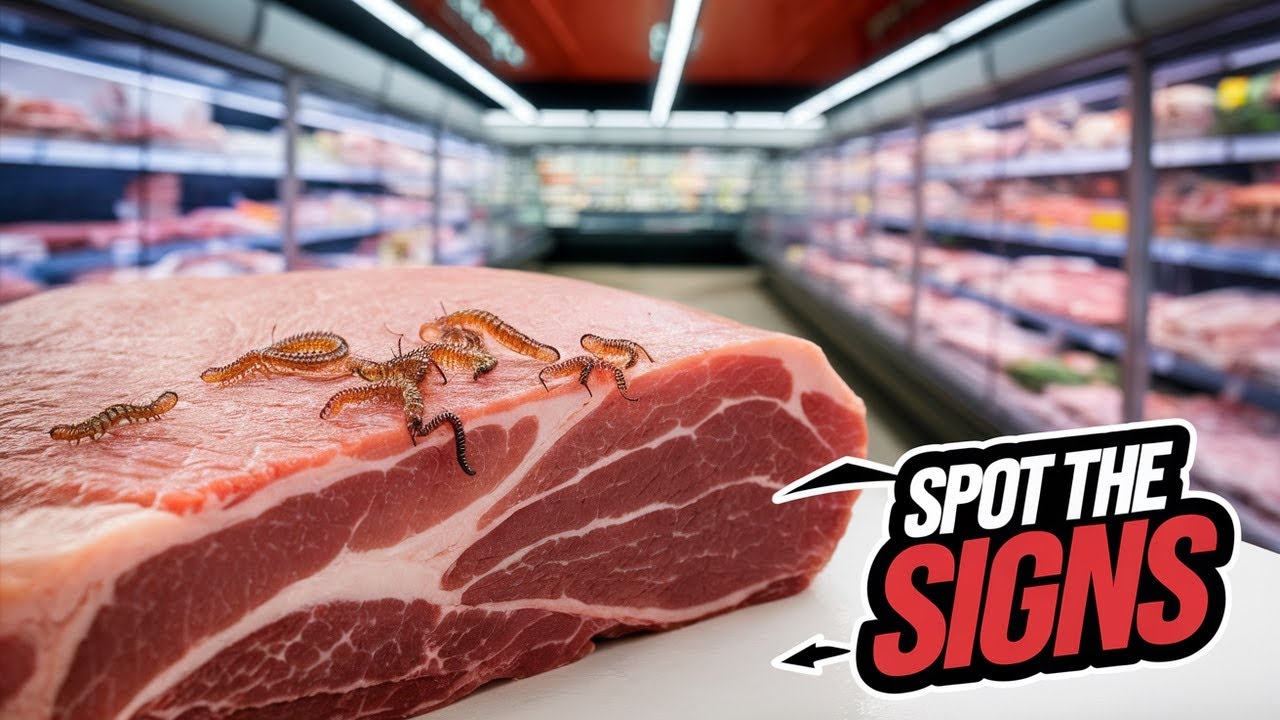
    Most people have no idea that their food could be crawling with worms, and I’m going to show you how to spot the signs. When we think of food contamination, we often think of bacteria, viruses, or pesticides. But the reality is that worms can be lurking in our food too. It’s a pressing issue that affects millions of people worldwide, and it’s not just a third-world problem. Food contaminated with worms can be found in supermarkets, restaurants, and even in our own kitchens. It’s a nightmare that can have serious health consequences if left unchecked.

    The thought of consuming worms might make your skin crawl, but the truth is that many of us have probably eaten food contaminated with worms at some point in our lives. It’s a hard pill to swallow, but it’s essential to acknowledge the reality of this issue. The problem is so widespread that even food safety authorities have trouble keeping track of it. It’s a complex issue that requires a multifaceted approach, but the first step is to raise awareness and educate ourselves about the risks.

    Understanding the Risks

    Food contamination is already a significant concern, and when you add worms to the mix, it becomes even more alarming. The lack of transparency in the food industry only exacerbates the problem. As consumers, we have the right to know what we’re eating, and it’s unacceptable that we’re often left in the dark about the safety of our food. We need to take responsibility for our health and demand better from the food industry.

    The more we learn about food contamination, the more we realize how crucial it is to take control of our food choices. We can’t rely solely on food safety authorities to protect us. We need to be proactive in protecting our health. By understanding the risks of worm-infested food, we can take steps to minimize our exposure and demand better from the companies that produce and sell our food.

    Common Worms in Food

    Worms can be found in a wide range of foods, from fruits and vegetables to meat and processed products. According to the Food and Agriculture Organization of the United Nations, up to 25% of the world’s food crops are lost to pests and diseases, including worms. In the United States alone, the FDA estimates that around 48 million people get sick from foodborne illnesses each year, many of which are caused by worm-infested food.

    The prevalence of worm-contaminated food is staggering. In one study, researchers found that over 30% of samples of fresh herbs were contaminated with parasites, including worms. Another study found that nearly 20% of pork products contained worm larvae. The risks are real and they’re not limited to developing countries. We can find worm-contaminated food in our local supermarkets, and it’s often difficult to detect.

    Health Risks

    Food contaminated with worms can pose serious health risks, including intestinal blockages, malnutrition, and even organ damage. In severe cases, it can lead to life-threatening conditions. The problem is further complicated by the fact that many people who consume worm-contaminated food may not show immediate symptoms. It can take weeks, months, or even years for the effects to manifest, making it challenging to trace the source of the contamination.

    The risks are particularly high for vulnerable populations, such as pregnant women, children, and people with weak immune systems. For these groups, consuming worm-contaminated food can have devastating consequences. It’s essential that we take the necessary precautions to minimize the risks and ensure that our food is safe to eat.

    Types of Worms

    There are several types of worms that can contaminate food, each with its unique characteristics and risks. The most common types include roundworms, tapeworms, and hookworms. These worms can be found in a wide range of foods, from raw fruits and vegetables to processed meats and dairy products. Understanding the different types of worms and how they contaminate food is crucial in reducing the risks.

    Roundworms are one of the most common types of worms found in food. They can range in size from a few millimeters to several centimeters and can be found in foods such as fruits, vegetables, and nuts.

    Tapeworms are long, flat worms that can grow up to several meters in length. They’re often found in undercooked meat, particularly pork and wild game.

    Hookworms are another common type of worm that can contaminate food. They’re usually found in soil and can be ingested through contaminated fruits and vegetables. Hookworms can cause gastrointestinal problems, including diarrhea and abdominal pain, and can lead to malnutrition if left untreated.

    Spotting Contaminated Food

    Identifying contaminated food can be challenging, but there are some warning signs to look out for. One of the most common signs is the presence of small white specks or moving particles in the food. Worms can also cause unexpected textures, flavors, or odors in the food. In some cases, contaminated food may appear slimy, moldy, or discolored.

    When it comes to identifying contaminated food, it’s essential to be vigilant and take the time to inspect the food carefully. Check for any signs of spoilage, mold, or unusual odors. If you’re buying fruits and vegetables, make sure to wash them thoroughly before consuming them. Avoid eating raw or undercooked meat, particularly pork and wild game, as they’re more likely to be contaminated with worms.

    In addition, it’s important to store food properly to prevent contamination. Keep raw meat separate from other foods in the refrigerator, and ensure that your kitchen surfaces are clean and sanitized. Regularly check the expiration dates on food products, and be mindful of the conditions in which your food is stored. By taking these precautions, you can significantly reduce the risk of consuming worm-contaminated food.

    A Real-Life Example

    One of the most compelling cases of worm-infested food is the story of a woman who contracted a severe parasitic infection after eating contaminated sushi. The woman, who remains anonymous, claimed that she had eaten at a reputable restaurant and had no idea that the fish was contaminated with worms. The incident left her with severe abdominal pain, nausea, and vomiting and required extensive medical treatment. The case highlights the severity of the issue and the potential consequences of consuming contaminated food.

    It’s a stark reminder that we need to be proactive in protecting our health and demanding better from the food industry. By sharing her story, we can raise awareness about the risks of worm-infested food and encourage others to take action.

    Conclusion

    As we’ve seen, the risks of consuming food contaminated with worms are real and potentially life-threatening. It’s essential that we take the necessary precautions to minimize the risks and ensure that our food is safe to eat. By being aware of the potential risks and taking the time to inspect our food, we can reduce the chances of getting sick.

    In conclusion, the issue of worm-infested food is a pressing concern that requires our attention. By educating ourselves about the risks and taking the necessary precautions, we can protect our health and demand better from the food industry. Remember, it’s always better to be safe than sorry when it comes to the food we eat. If you have any personal experiences or thoughts on food safety, please share them in the comments below. Stay informed, stay safe, and let’s demand the transparency we deserve.

    As found on YouTube

0
Verified by MonsterInsights