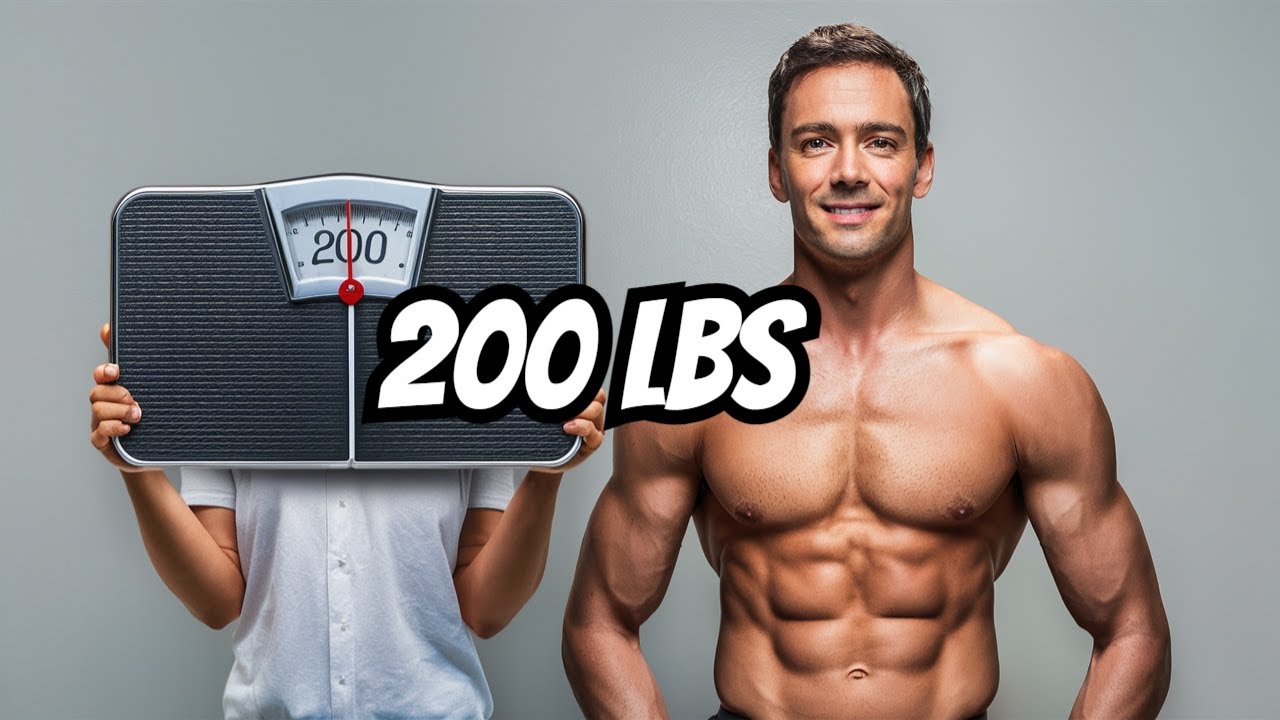
Have you noticed any unusual signs in your body? Your physical condition might be telling you something important. It's time to get moving. Let's explore some key signs that indicate it's time to increase your activity levels. First, if you're constipated, it may be due to a lack of physical activity. Moving regularly helps your colon function better, making it easier to poop on schedule. Exercise is especially important as you age to keep things moving smoothly. Next, check if your joints feel stiff. Inactivity can lead to achy, hard to move joints. Regular movement can prevent stiffness, keeping your joints flexible and pain-free. Do you often find yourself out of breath? Just like any muscle, your lung muscles need exercise to stay strong. Less activity means you'll struggle with breathlessness in daily tasks. If you're feeling moody more often, remember that physical activity can help.
Regular cardio exercises like walking or swimming can significantly boost your mood and self-esteem, helping to reduce anxiety and depression. Feeling sluggish? Exercise increases oxygen and nutrient delivery to your tissues, boosting your energy levels. If you're sitting around a lot, your body may not get the fuel it needs. Are you experiencing a slower metabolism? It might help to know that people with faster metabolism tend to move more. Increasing your activity burns more calories and keeps your metabolism active. Struggling with sleep? A consistent exercise routine helps you fall asleep faster and enjoy deeper sleep. So get moving during the day for better nights. If you find yourself forgetting things, this may be linked to lack of exercise. Regular activity enhances the circulation of growth factors in your brain, improving your memory and decision-making abilities. High blood pressure is another issue linked to inactivity. Spending too much time sitting increases your risk of heart disease and related conditions. Are you borderline pre-diabetic? Regular physical activity helps regulate blood glucose levels, keeping you out of the type 2 diabetes danger zone. Back pain can also arise from weak core muscles due to inactivity.
Strengthening your core through exercises like Pilates or yoga can support your back properly and reduce pain. Feeling hungry more often? Surprisingly, exercising can decrease your appetite by changing hunger hormone levels. Do you get sick often? Moderate activity significantly strengthens your immune system, reducing your chances of catching colds and other illnesses. Finally, if your skin looks dull, it might be a sign of insufficient movement. Regular moderate exercise enhances circulation and promotes a healthy, youthful glow. In summary, if you resonate with any of these signs, it's a cue to incorporate more physical activity into your life. Let's get moving to boost your overall health and well-being. Take charge of your life today. Start exercising..
Have you noticed any unusual signs in your body? Your physical condition might be telling you something important. It's time to get moving. Let's explore some key signs that indicate it's time to increase your activity levels. First, if you're constipated, it may be due to a lack of physical activity. Moving regularly helps your colon function better, making it easier to poop on schedule. Exercise is especially important as you age to keep things moving smoothly. Next, check if your joints feel stiff. Inactivity can lead to achy, hard to move joints. Regular movement can prevent stiffness, keeping your joints flexible and pain-free. Do you often find yourself out of breath? Just like any muscle, your lung muscles need exercise to stay strong.
Less activity means you'll struggle with breathlessness in daily tasks. If you're feeling moody more often, remember that physical activity can help. Regular cardio exercises like walking or swimming can significantly boost your mood and self-esteem, helping to reduce anxiety and depression. Feeling sluggish? Exercise increases oxygen and nutrient delivery to your tissues, boosting your energy levels. If you're sitting around a lot, your body may not get the fuel it needs. Are you experiencing a slower metabolism? It might help to know that people with faster metabolism tend to move more. Increasing your activity burns more calories and keeps your metabolism active. Struggling with sleep? A consistent exercise routine helps you fall asleep faster and enjoy deeper sleep. So get moving during the day for better nights. If you find yourself forgetting things, this may be linked to lack of exercise. Regular activity enhances the circulation of growth factors in your brain, improving your memory and decision-making abilities. High blood pressure is another issue linked to inactivity. Spending too much time sitting increases your risk of heart disease and related conditions. Are you borderline pre-diabetic? Regular physical activity helps regulate blood glucose levels, keeping you out of the type 2 diabetes danger zone.
Back pain can also arise from weak core muscles due to inactivity. Strengthening your core through exercises like Pilates or yoga can support your back properly and reduce pain. Feeling hungry more often? Surprisingly, exercising can decrease your appetite by changing hunger hormone levels. Do you get sick often? Moderate activity significantly strengthens your immune system, reducing your chances of catching colds and other illnesses. Finally, if your skin looks dull, it might be a sign of insufficient movement. Regular moderate exercise enhances circulation and promotes a healthy, youthful glow. In summary, if you resonate with any of these signs, it's a cue to incorporate more physical activity into your life. Let's get moving to boost your overall health and well-being. Take charge of your life today. Start exercising..
Today I'm taking on the challenge of finding the best energy boosting snacks to eat before my workout. Let's see if I can power through my session. In this video, you will discover the best preworkout snacks to energize your body and enhance your performance during workouts. Many people struggle with low energy levels before exercising, which can hinder their performance and motivation. This can be really frustrating, especially if you're looking forward to a great workout. Sometimes it feels like no matter how much you want to push through, your body just isn't cooperating. Low energy can be a major obstacle, but there are ways to overcome it. Feeling sluggish before a workout can affect not just your physical performance, but also your mental game. You might find yourself questioning whether you can really get through the session. It's common to feel this way and it's not just about lacking motivation. Your body genuinely needs fuel to function optimally, especially during exercise. Without the right fuel, you might end up feeling tired, dizzy, or even nauseous. The good news is that there are plenty of snacks that can help boost your energy levels.
By choosing the right foods, you can ensure that your body has the fuel it needs to perform at its best. This will help you power through your workout with confidence and enthusiasm. Exploring the right snack options can make all the difference. You want foods that are easy to digest, provide a quick energy boost, and are convenient to eat on the go. So, what are some of the best snack options to consider? Let's take a look at some foods that provide quick energy, including carbohydrates, proteins, and hydration tips to keep you energized. Fresh fruits like bananas and berries are excellent choices because they're rich in carbohydrates and antioxidants. Nuts and seeds such as almonds and chia seeds provide healthy fats and protein. Energy bars made with wholesome ingredients can also be a great option. In addition to these snacks, don't forget the importance of staying hydrated. Drinking enough water before your workout can help prevent fatigue and maintain your energy levels. You can also consider electrolyer rich beverages to replenish essential minerals.
Revealing the top three snacks that are not only delicious, but also packed with the nutrients needed to power through your workout is exciting. My top pick is oatmeal with fruit and nuts. It's a balanced mix of carbohydrates, protein, and healthy fats that provide sustained energy. Another great option is Greek yogurt with honey, and berries, offering a combination of protein and quickreleasing carbohydrates. Lastly, energy balls made with oats, peanut butter, and honey are a tasty and efficient snack. Recap the importance of choosing the right foods for energy and how they can improve your workout experience. Choosing the right snacks can significantly enhance your performance and make your workouts more enjoyable. Encourage viewers to comment on their favorite preworkout snacks and invite them to check out your other videos for more health tips. What are your go-to snacks before a workout? Let me know in the comments below. And don't forget to check out my other videos for more health and fitness tips..
Unveiling the Real Secrets to Fat Loss: What No One Talks About
I’ve uncovered the real secrets to fat loss that no one talks about, and they could change your life. When we think about fat loss, we often focus on the end goal: getting that dream body, feeling confident in our own skin, and living a healthier lifestyle. But the problem is, most of us don’t know where to start or we’re misled by the numerous quick fixes and fad diets that promise overnight results.
The truth is, fat loss is not a one-size-fits-all solution. What works for someone else may not work for you, and that’s why it’s essential to understand the right strategies and mindset for achieving lasting results. It’s time to get real, to cut through the noise, and to focus on what actually works. In this blog, we’re going to dive deep into the world of fat loss secrets, exploring the common misconceptions, effective strategies, and lifestyle changes that can help you achieve your goals.
Common Misconceptions About Fat Loss
So many people think that fat loss is just about cutting calories, eating less, and exercising more. But that’s not the whole story. The reality is, there’s so much misinformation out there, and if you’re not careful, you can end up wasting your time and energy on methods that won’t give you the results you want.
One of the biggest misconceptions about fat loss is that it’s just about dieting. We’ve all heard it before: just eat less and you’ll lose weight. But the truth is, dieting alone is not enough. In fact, extreme dieting can lead to a range of negative consequences, from nutrient deficiencies to disordered eating habits. Instead of focusing solely on calorie reduction, it’s crucial to pay attention to the quality of food you’re consuming. A diet rich in whole foods, lean proteins, and healthy fats can support better health and more effective fat loss.
Another common misconception is that you need to spend hours at the gym to see results. But the truth is, exercise is just one part of the equation. In fact, research has shown that nutrition plays a much bigger role in fat loss than exercise. While staying active is important for overall health and well-being, it’s not necessary to spend endless hours in the gym. Short, high-intensity workouts can be just as effective, if not more, in promoting fat loss and improving cardiovascular health.
We’ve also been led to believe that supplements are the magic bullet to fat loss. But the reality is, most supplements are overhyped, under-researched, and can even do more harm than good. Instead of relying on pills and powders, focus on getting nutrients from natural food sources, and consult with a healthcare professional if you feel supplementation is necessary.
Some people think that fat loss is just about willpower. If you’re not losing weight, it’s because you’re not trying hard enough. But the truth is, fat loss is a complex process that involves multiple factors, from hormones to genetics to lifestyle habits. Recognizing and understanding your body’s unique needs is crucial for setting realistic goals and developing a personalized approach to fat loss.
We’ve been conditioned to believe that fat loss is a quick fix. Just follow this diet or take that pill, and you’ll see results overnight. But the reality is, fat loss takes time, patience, and dedication. Sustainable fat loss is a gradual process that requires consistency and commitment over the long term.
Effective Strategies for Lasting Fat Loss
The media has created an unrealistic expectation of what it means to be healthy and fit. We’re bombarded with images of perfect bodies, and it’s easy to feel like we’re not good enough. We’re often told that fat loss is all about restriction: cutting out entire food groups, avoiding social gatherings, and sacrificing our favorite activities. But the truth is, fat loss should be about addition, not subtraction. It’s about adding healthy habits, nutritious foods, and self-care practices to our daily lives.
The problem is that most of us don’t know where to start, or we’re too intimidated to take the first step. We feel like we need to have it all figured out before we can begin our fat loss journey. The truth is that fat loss is a journey, not a destination. It’s about making small, sustainable changes to our daily habits and being patient with ourselves as we work towards our goals.
So, what does effective fat loss really look like? Well, it starts with nutrition. Eating a balanced diet that’s rich in whole foods, fruits, and vegetables is essential for providing our bodies with the fuel they need to function optimally. A focus on whole, unprocessed foods helps ensure you’re getting essential nutrients while avoiding empty calories that contribute to weight gain.
Exercise is also crucial, but it’s not just about burning calories. It’s about building strength, increasing mobility, and improving our overall health. A combination of strength training and cardiovascular exercise can help promote muscle growth, increase metabolism, and enhance overall fitness. Finding an activity you enjoy can also make it easier to stick with a regular exercise routine.
Lifestyle changes are also vital. Getting enough sleep, managing stress, and prioritizing self-care are all essential for supporting our fat loss journey. Chronic stress and lack of sleep can disrupt hormonal balance, making it harder to lose fat and maintain a healthy weight.
Focus on Progress, Not Perfection
One of the most effective strategies for fat loss is to focus on progress, not perfection. It’s about making small, sustainable changes to our daily habits and celebrating our successes along the way. Setting realistic goals and tracking your progress can help keep you motivated and prevent discouragement.
Another key strategy is to focus on habits, not outcomes. It’s about building healthy habits like regular exercise and healthy eating and trusting that the results will follow. By concentrating on the actions you take daily, you create a foundation for long-term success, rather than a temporary fix.
It’s also essential to focus on the process, not just the end goal. It’s about enjoying the journey, learning to love the process, and finding joy in the small victories. Finding satisfaction in the progress and changes you make can help sustain your efforts and encourage a positive mindset.
One of the most impactful secrets about fat loss is that it’s not just about physical transformation. It’s about mental and emotional transformation as well. It’s about building confidence, self-worth, and a positive body image. Embracing your unique journey can lead to greater self-acceptance and a healthier relationship with your body.
The truth is, fat loss is not just about losing weight. It’s about gaining a new perspective, a new mindset, and a new way of living. In the end, it’s not about the number on the scale or the size of our jeans. It’s about living a life that’s true to who we are and feeling confident and comfortable in our own skin.
Conclusion: Recap and Moving Forward
So, let’s recap the key points we’ve discussed. We’ve explored the common misconceptions about fat loss and discussed the effective strategies and lifestyle changes that can help you achieve your goals. Remember, understanding and applying these secrets can lead to successful fat loss and a healthier, happier you. Embrace the journey, focus on building sustainable habits, and celebrate your progress along the way.
Thanks for diving deep into the world of fat loss with me. Don’t forget to leave your thoughts in the comments below if you want to learn more about fat loss. If you found this post helpful, please like, subscribe, and click on the bell for more health tips and updates. Together, we can support each other on this journey to better health and well-being.
Unlock Your Fittest Self This Year: A Journey to Health and Wellness
Join me as I take on the challenge to unlock my fittest self this year, and I’ll share every step of the journey with you. So, what does it mean to unlock your fittest self? It means taking control of your health and wellness and committing yourself to prioritize your fitness goals. It’s about breaking free from the limitations that hold you back and unlocking your full potential.
Think about it: when you’re at your fittest, you feel more confident, energetic, and capable of taking on whatever life throws your way. You’re able to tackle your daily tasks with ease, and you’re more resilient to stress and anxiety. But most importantly, when you’re at your fittest, you feel proud of yourself. You feel proud of the progress you’ve made and the hard work you’ve put in to get there. And that’s what it’s all about—feeling proud of who you are and what you’re capable of.
Are You Ready to Unlock Your Fittest Self?
So, are you ready to unlock your fittest self this year? Are you ready to commit yourself to prioritizing your health and wellness and to take control of your fitness journey? Let’s face it: we’ve all been there. We start the year with grand resolutions to get fit and healthy, but somehow life gets in the way, and we lose momentum. We get stuck in a rut, and before we know it, another year has gone by, and we’re still stuck in the same old patterns.
Common Barriers to Achieving Fitness Goals
One of the biggest barriers to achieving our fitness goals is a lack of motivation. We start strong, but after a few weeks, our motivation starts to dwindle, and we lose interest. We get bored with our workouts or start to feel like we’re not seeing the results we want, and we give up.
Another common barrier is time constraints. We all lead busy lives, and it can be hard to find the time to fit in a workout, let alone plan healthy meals and snacks. And then there’s the added pressure of social media, where everyone seems to be fitter, stronger, and more motivated than us.
Overcoming Misinformation and Fear of Failure
Misinformation is another huge barrier. We’re constantly bombarded with conflicting advice and information, and it can be hard to know what to believe. We get caught up in fad diets and quick fixes, and we lose sight of what’s truly important: our health and wellness.
Fear of failure is another major barrier. We’re afraid to start because we’re afraid of failing. We’re afraid of not being able to stick to it or of not seeing the results we want, and so we don’t even try.
Building Accountability and Overcoming Self-Doubt
Lack of accountability is another big one. We don’t have a support system in place, or we don’t have someone to hold us accountable for our actions, and so we slip back into our old habits and make no progress. Self-doubt is a huge barrier. We doubt our ability to achieve our fitness goals, and we doubt our worthiness. We feel like we’re not good enough or that we’re not cut out for this fitness thing.
The Impact of Social Pressures and Past Failures
Comparison to others is another major barrier. We compare ourselves to others and feel like we don’t measure up. We feel like we’re not good enough or that we’re not fit enough, and so we give up. Social pressures can be a huge barrier. We feel like we need to conform to certain beauty standards or that we need to look a certain way, and so we try to fit into these unrealistic expectations, ending up feeling miserable and unhappy.
Past failures can hold us back. We’ve tried to get fit before but failed, and so we don’t want to try again because we’re afraid of failing again.
Finding Support and Starting Small
Lack of support is another major barrier. We don’t have a community of like-minded people who support and encourage us, and so we feel isolated and alone, leading us to give up. So, how do we overcome these barriers? How do we unlock our fittest self despite the obstacles that stand in our way? The answer is simple: we need to start small. We need to set realistic goals and create a balanced routine that works for us.
Focusing on Progress, Not Perfection
We need to find activities that we enjoy and that make us feel good. We need to focus on progress, not perfection. We need to celebrate our small wins and be kind to ourselves when we slip up. We need to educate ourselves and seek out credible sources of information. We need to surround ourselves with people who support and encourage us, and we need to hold ourselves accountable for our actions.
The Journey to Unlocking Your Fittest Self
We need to focus on the journey, not the destination. We need to enjoy the process and celebrate our progress along the way. And most importantly, we need to be patient and compassionate with ourselves as we navigate this journey. For me, unlocking my fittest self has been a Game Changer. It’s not just about the physical changes; it’s about the mental and emotional changes that come with it. It’s about feeling confident, capable, and proud of myself.
Embracing Change and Celebrating Wins
When I started my fitness journey, I was stuck in a rut. I was unhappy, unhealthy, and unfulfilled. But as I started to make progress, I started to feel a sense of purpose and direction. I started to feel like I was capable of achieving anything I set my mind to. Of course, it wasn’t easy. There were times when I wanted to give up when I felt like I wasn’t making progress fast enough. But I didn’t give up. I kept pushing forward and kept celebrating my small wins.
Encouragement and Final Thoughts
And that’s what I want to encourage you to do. I want to encourage you to take control of your fitness journey and to unlock your fittest self. I want to encourage you to focus on progress, not perfection, and to celebrate your small wins along the way.
So, let’s recap: unlocking your fittest self is not about achieving some unrealistic beauty standard. It’s about taking control of your health and wellness and committing yourself to prioritize your fitness goals. It’s about breaking free from the limitations that hold you back and unlocking your full potential. It’s about feeling proud of yourself and proud of the progress you’ve made.
So, what are your fitness goals for the year? What do you want to achieve? Share them with me in the comments below, and let’s support and encourage each other on this journey to unlock our fittest selves. Don’t forget to tune in to my next video. Thanks for watching, and please like, subscribe, and click on the bell for more health tips and updates.
Contains custom information set by the web developer via the _setCustomVar method in Google Analytics. This cookie is updated every time new data is sent to the Google Analytics server.
2 years after last activity
__utmx
Used to determine whether a user is included in an A / B or Multivariate test.
18 months
_ga
ID used to identify users
2 years
_gali
Used by Google Analytics to determine which links on a page are being clicked
30 seconds
_ga_
ID used to identify users
2 years
_gid
ID used to identify users for 24 hours after last activity
24 hours
_gat
Used to monitor number of Google Analytics server requests when using Google Tag Manager
1 minute
_gac_
Contains information related to marketing campaigns of the user. These are shared with Google AdWords / Google Ads when the Google Ads and Google Analytics accounts are linked together.
90 days
__utma
ID used to identify users and sessions
2 years after last activity
__utmt
Used to monitor number of Google Analytics server requests
10 minutes
__utmb
Used to distinguish new sessions and visits. This cookie is set when the GA.js javascript library is loaded and there is no existing __utmb cookie. The cookie is updated every time data is sent to the Google Analytics server.
30 minutes after last activity
__utmc
Used only with old Urchin versions of Google Analytics and not with GA.js. Was used to distinguish between new sessions and visits at the end of a session.
End of session (browser)
__utmz
Contains information about the traffic source or campaign that directed user to the website. The cookie is set when the GA.js javascript is loaded and updated when data is sent to the Google Anaytics server
6 months after last activity
Marketing cookies are used to follow visitors to websites. The intention is to show ads that are relevant and engaging to the individual user.
Facebook Pixel is a web analytics service that tracks and reports website traffic.