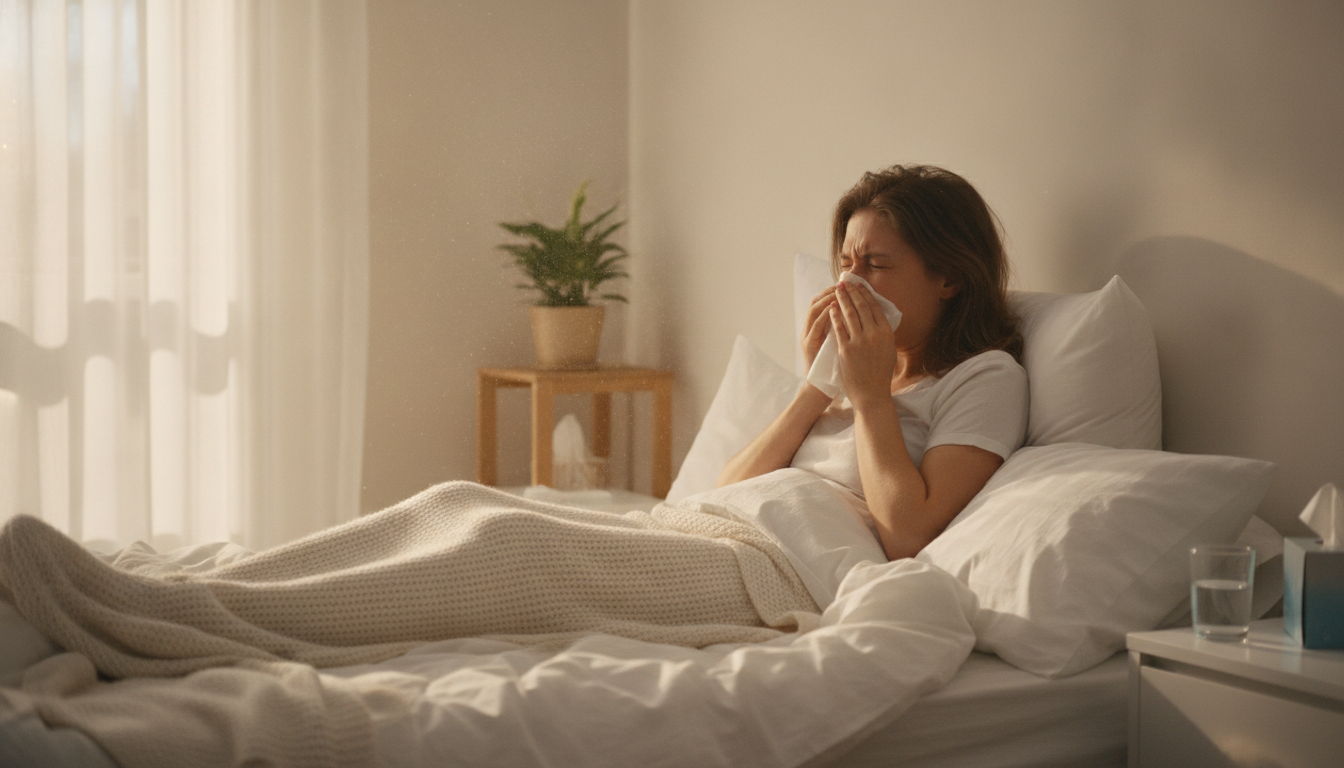
Waking Up Sneezing? Why Your Allergies Peak in the Morning
The alarm blares, you reach to turn it off, and then it begins: a cascade of sneezes, a nose that’s either completely blocked or running like a faucet, and eyes so itchy you’d rather keep them shut. If this sounds like your typical morning routine, you're not alone. Millions of people experience a dramatic spike in allergy symptoms upon waking, turning what should be a fresh start into a frustrating battle with their own immune system. But why does this happen? Is the morning air itself the enemy?
The truth is, your morning misery is often the result of a perfect storm of environmental factors and your body's own natural rhythms. From the invisible cloud of pollen that peaks at dawn to the microscopic creatures living in your pillow, the triggers are all around you. In this guide, we'll uncover the seven key reasons your allergies are worse in the morning and provide practical, effective strategies to help you reclaim your mornings and start the day clear-headed and comfortable.

1. The Dawn Pollen Bomb
One of the biggest culprits behind morning allergies, especially during spring and fall, is pollen. Many plants, including common culprits like ragweed, grasses, and certain trees, follow a diurnal cycle where they release their pollen at first light. This means that pollen counts in the outdoor air are often at their absolute highest between 5 a.m. and 10 a.m.
Even with your windows shut, this fine powder is an expert infiltrator. It can enter your home through ventilation systems or cling to your hair, skin, and clothing during the day. When you lie down at night, you transfer these microscopic grains to your pillow and bedding, creating a concentrated "pollen pillow" that you inhale for eight hours straight. The result is a massive allergen exposure that has your immune system on high alert by the time you wake up.
2. Your Bedroom: A Microscopic Menagerie
While you sleep, you're not alone. Your bedroom, particularly your bed, is a thriving ecosystem for a host of indoor allergens that can trigger a significant immune response. Improving your home's air quality is a great first step, and you can learn more by reading our complete guide to improving your home's indoor air quality.
Dust Mites
These microscopic arachnids are one of the most common indoor allergy triggers. They feed on the dead skin cells you naturally shed, and your warm, humid bed provides the perfect environment for them to thrive. A typical mattress can house millions of dust mites. It’s not the mites themselves you’re allergic to, but a protein in their waste particles. As you toss and turn, these particles become airborne and are easily inhaled, leading to intense morning congestion and sneezing.

Pet Dander
If your furry friend shares your bedroom or your bed, you're getting a concentrated, nightly dose of pet dander. These tiny flecks of skin, saliva, and urine can linger in the air and settle deep into carpets, bedding, and upholstery. Even if your pet isn't in the room, dander can be carried in on your clothes and circulate through your home's HVAC system, accumulating in the bedroom overnight.
Mold Spores
Mold thrives in damp, dark places. A poorly ventilated bathroom connected to your bedroom, a small leak in a window frame, or even an overwatered houseplant can release mold spores into your bedroom air. Breathing these in all night can cause a significant allergic reaction, presenting as severe nasal stuffiness in the morning.
3. Your Body's Internal Clock (Circadian Rhythm)
It's not just your environment; your own body's biology plays a crucial role. Your circadian rhythm is a 24-hour internal clock that regulates your sleep-wake cycle, hormone release, and immune function. One of the key hormones it controls is cortisol.
Cortisol is a natural anti-inflammatory. Its levels are lowest during the early morning hours, right around the time you wake up. This hormonal dip leaves your body with less natural defense against inflammation, allowing your immune system to mount an exaggerated response to any allergens you’ve been exposed to overnight.
Essentially, your body's own defenses are at their weakest just as allergen exposure from your bedding and the outdoor pollen surge are at their peak. This combination makes your allergy symptoms—inflammation, swelling, and mucus production—feel much more severe.
4. The Gravity of the Situation: Lying Down All Night
The simple act of lying horizontally for six to eight hours has a profound effect on your sinuses. During the day, gravity helps mucus drain naturally from your nasal passages. But when you're lying down, this process is hindered. Irritants and allergens that you've inhaled can cause inflammation, and the resulting mucus can't drain effectively.
This leads to post-nasal drip, where mucus pools in your sinuses or drips down the back of your throat, causing that familiar morning cocktail of a stuffy nose, sore throat, and cough. This congestion can often lead to mouth breathing overnight, which further dries out and irritates your airways. Understanding the difference is key, which is why exploring the topic of nose breathing vs. mouth breathing can be incredibly beneficial for your overall health.
5. Dehydration and Dry Indoor Air
You naturally lose water through breathing and perspiration while you sleep, leading to mild dehydration by morning. Dehydration can cause your mucus to thicken, making it harder to clear and exacerbating congestion. This is compounded by dry indoor air, especially in the winter when heating systems are running or in the summer with air conditioning. Dry air can irritate your nasal passages, making them more sensitive to allergens and triggering inflammation.
6. Last Night's Dinner or Drink
What you consume in the evening can sometimes influence how you feel the next morning. Certain foods and drinks can either trigger inflammation or contain histamines, the very chemical your body releases during an allergic reaction.
- Alcohol: Wine, beer, and spirits contain histamines and sulfites, which can trigger allergy-like symptoms. Alcohol can also disrupt sleep and lead to dehydration, worsening the situation.
- Aged and Fermented Foods: Items like aged cheeses, cured meats, and fermented foods (like sauerkraut) are high in natural histamines. Eating them late at night can add to your body's histamine load.
7. Actionable Steps for a Sneeze-Free Morning
Now for the good news: you have significant control over your morning allergies. By making your bedroom an allergen-free sanctuary and adopting a few key habits, you can drastically reduce your symptoms. The goal is to optimize your home for better health, starting with where you sleep.

- Encase Your Bed: This is the single most effective step for dust mite allergies. Purchase allergen-impermeable covers for your mattress, box spring, and pillows. These zip-on covers create a barrier that mites and their waste cannot penetrate.
- Wash Bedding in Hot Water: Wash your sheets, pillowcases, and blankets at least once a week in water that is 130°F (54°C) or hotter. This temperature is necessary to kill dust mites.
- Invest in a HEPA Air Purifier: Run an air purifier with a true HEPA filter in your bedroom, especially overnight. This will continuously capture airborne allergens like pollen, pet dander, mold spores, and dust mite particles.
- Shower Before Bed: A quick rinse before you get into bed washes away any pollen, dander, or other allergens that have collected on your hair and skin throughout the day. This prevents you from contaminating your clean sheets.
- Keep Windows Closed: During high-pollen seasons, keep your bedroom windows shut, especially in the early morning. Rely on air conditioning or the air purifier to keep the air fresh and cool.
- Elevate Your Head: To combat post-nasal drip, use an extra pillow or a wedge pillow to elevate your head and shoulders slightly. This promotes better sinus drainage while you sleep.
- Manage Humidity: Use a dehumidifier to keep the humidity in your bedroom below 50%. This creates an inhospitable environment for both dust mites and mold.
Key Takeaway: Your Morning Allergy Battle Plan
If you do nothing else, focus on these three high-impact changes:
- Cover Up: Use allergen-proof covers on your mattress and pillows.
- Wash Hot: Launder all bedding weekly in hot water.
- Filter Air: Run a HEPA air purifier in your bedroom every night.
Conclusion: Take Control of Your Mornings
Waking up with allergies is a frustrating cycle, but it's one you can break. The primary culprits are a combination of peak morning pollen, a bedroom environment rich in allergens like dust mites, your body's natural hormonal dip, and the effects of lying flat all night. Besides sneezing and congestion, you might also be wondering why your eyes are red when you wake up, which is another common symptom of this nightly allergen exposure.
By implementing the strategies outlined above—especially by creating an "allergy-proof" bedroom—you can significantly reduce your exposure to triggers and lessen your immune system's morning overreaction. If your symptoms persist or are severe, it's always best to consult with an allergist. They can perform tests to identify your specific triggers and recommend a personalized treatment plan, which may include medication or immunotherapy. With a proactive approach, you can put an end to the morning misery and start every day feeling refreshed and clear.
Share this content:
Discover more from J and J Health
Subscribe to get the latest posts sent to your email.