
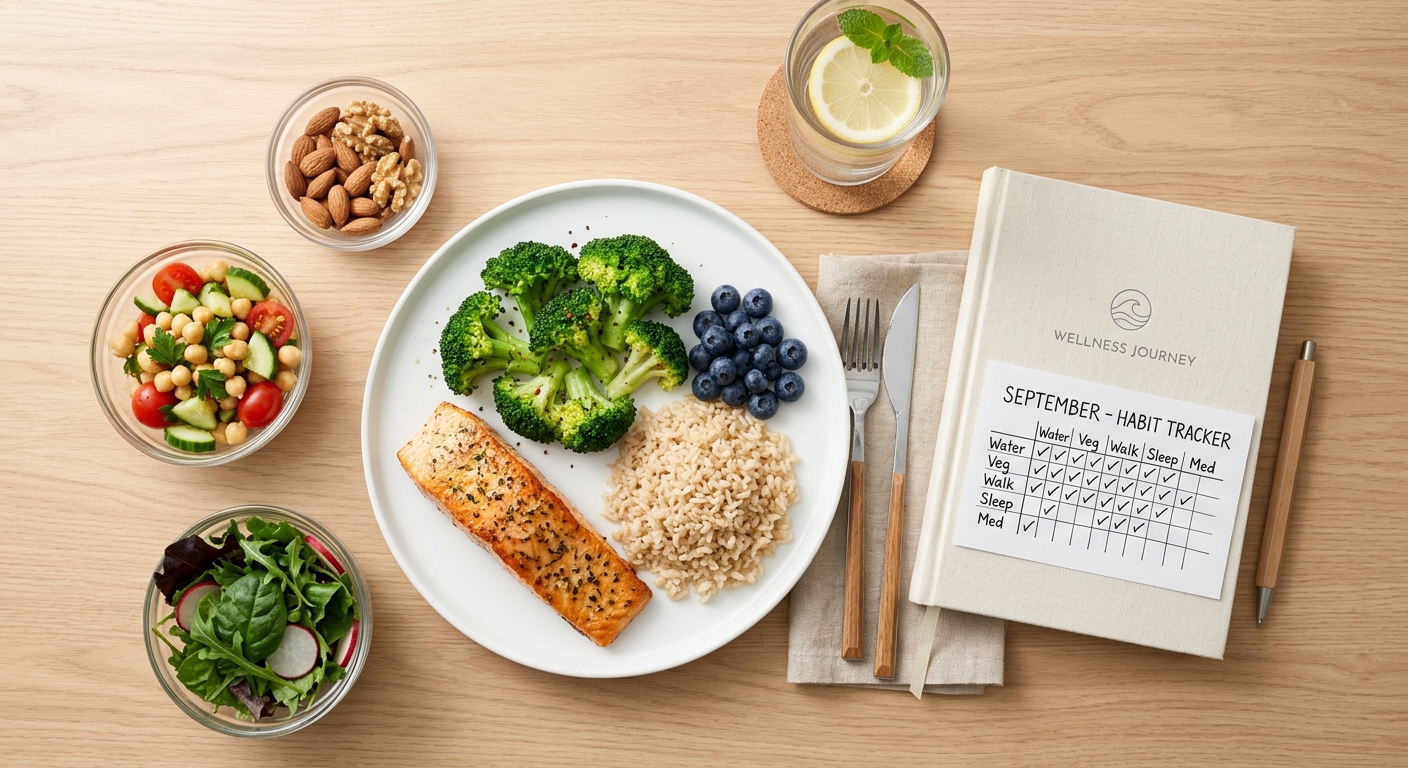
Quick answer: A 30-day nutrition challenge for beginners combines simple, sustainable dietary changes—like adding whole grains, increasing water intake, and reducing processed foods—with weekly goals to build healthy eating habits without overwhelming yourself or requiring extreme restriction.
If you’ve ever felt lost starting a health journey, you’re not alone. The world of nutrition can feel overwhelming with conflicting advice, trendy diets, and complicated meal plans. That’s why a beginner-friendly approach works so well: small, measurable changes compound into real results over time. This guide walks you through a realistic 30-day nutrition challenge designed to fit your life, boost your energy, and set you up for long-term success.
Why Start a 30-Day Nutrition Challenge?
A 30-day nutrition challenge works because it’s long enough to see meaningful changes—better digestion, improved energy, clearer skin—but short enough to stay motivated. The structure of a challenge also removes guesswork. Instead of wondering "What should I eat today?" you have a clear framework.
For beginners, this approach builds confidence. You’re not overhauling your entire diet overnight. Instead, you’re adding new habits one week at a time, making it sustainable and stress-free. Many people report that after completing a 30-day nutrition challenge, they naturally want to continue because they’ve experienced the benefits firsthand.
Week 1: Foundation—Hydration and Whole Grains
Start simple. Your first week focuses on two changes:
Drink 8-10 glasses of water daily. Most people are chronically dehydrated, which mimics hunger and tanks energy. Set phone reminders if needed. Herbal tea counts, but skip sugary drinks.
Replace one refined grain with a whole grain. If you eat white bread, switch to whole wheat. If you have regular pasta, try brown rice or oats. Whole grains provide sustained energy and support digestive health, which is foundational for everything else.
This week isn’t about restriction—you’re simply adding water and swapping one ingredient. Keep meals otherwise normal.
Week 2: Adding Vegetables and Superfoods
Week two builds on hydration and whole grains. Now add more plants.
Goal: Eat a vegetable at two meals daily. Breakfast could be spinach in eggs or oatmeal with berries. Lunch and dinner already have room for vegetables. You’re not eliminating anything; you’re adding volume and nutrients.
Introduce one superfood. Superfoods are nutrient-dense foods that pack a punch. Pick one that appeals to you:
- Blueberries (antioxidants, brain support)
- Salmon (omega-3 fats, heart health)
- Chickpeas (protein, fiber)
- Greek yogurt (probiotics, protein)
- Almonds (healthy fats, sustained energy)
Add your chosen superfood to just 3-4 meals this week. You’re experimenting, not overcommitting.
Week 3: Protein and Balanced Plates
By week three, you’ve built a foundation. Now optimize balance.
Create balanced meals: Each meal should include protein, a healthy fat, and vegetables or whole grains. For example:
- Chicken breast (protein) + brown rice (whole grain) + broccoli (vegetable)
- Greek yogurt (protein) + almonds (fat) + berries (superfood)
- Lentil soup (protein + whole grain) + olive oil drizzle (fat)
Balance keeps blood sugar stable, which means consistent energy and easier digestion. A 30-day nutrition challenge that includes balanced macronutrients is more likely to become a lifestyle because you’ll feel genuinely better.
Week 4: Refining and Planning Ahead
The final week consolidates your progress and sets you up for success beyond 30 days.
Track one meal daily. Use an app or notebook to write down one meal—breakfast is easiest. Notice patterns: Are you getting enough protein? Vegetables? This awareness, not obsession, is powerful.
Plan one meal ahead. Meal planning removes friction. Sunday prep doesn’t have to mean cooking for hours. Chop vegetables, cook a grain, and roast a protein. During the week, mix and match into balanced plates.
Choose your next challenge goal. Reflect on the past 30 days. What did you notice? More energy? Better digestion? Clearer skin? Pick the next small improvement for month two. This keeps momentum building without burnout.
Practical Tips for Success
Start where you are. If you hate green beans, don’t force them. The best nutrition is the one you’ll actually follow. Choose vegetables, grains, and superfoods you genuinely enjoy.
Don’t aim for perfection. A 30-day nutrition challenge isn’t about never eating dessert or processed foods. It’s about adding healthy choices. If you eat pizza once this month, that’s fine—you’re still ahead.
Prep reduces friction. Spend 1-2 hours on Sunday preparing components. Cooked grains, chopped vegetables, and roasted proteins make weeknight meals fast and stress-free.
Listen to your body. Notice how foods make you feel. Does dairy make you bloated? Do you have more energy on days you eat more vegetables? This personal feedback is your best guide.
Frequently asked questions
Can I do a 30-day nutrition challenge while eating out?
Yes. Order grilled proteins, ask for extra vegetables, choose whole grains when available, and drink water. You don’t need to cook at home to make better choices—it’s just easier.
What if I slip up during the challenge?
One meal doesn’t undo progress. Simply return to your goals at the next meal. The goal is progress, not perfection.
How do I know if the 30-day nutrition challenge is working?
Track energy levels, digestion quality, mood, and sleep. Many people also report better skin and more stable appetite. Some use photos or how clothes fit. Avoid obsessing over the scale—internal changes often precede external ones.
Do I need to buy expensive superfoods?
No. Common affordable options include eggs, canned beans, frozen berries, oats, carrots, and bananas. Expensive superfoods are nice but not necessary.
What should I do after 30 days?
Review what you learned. Keep habits that made you feel good, adjust or drop what didn’t, and set a new 30-day goal. Consistent small improvements compound into lasting change.
A 30-day nutrition challenge is your permission slip to hit pause, reassess, and build habits intentionally. You don’t need willpower or perfection—you need a simple framework and commitment to consistency. Whether your goal is better digestion, steady energy, or disease prevention through lifestyle changes, this month-long journey gives you the tools to start. The best time to begin is today. Pick your first small change, and let’s get started.
Share this content:
Discover more from J and J Health
Subscribe to get the latest posts sent to your email.


