
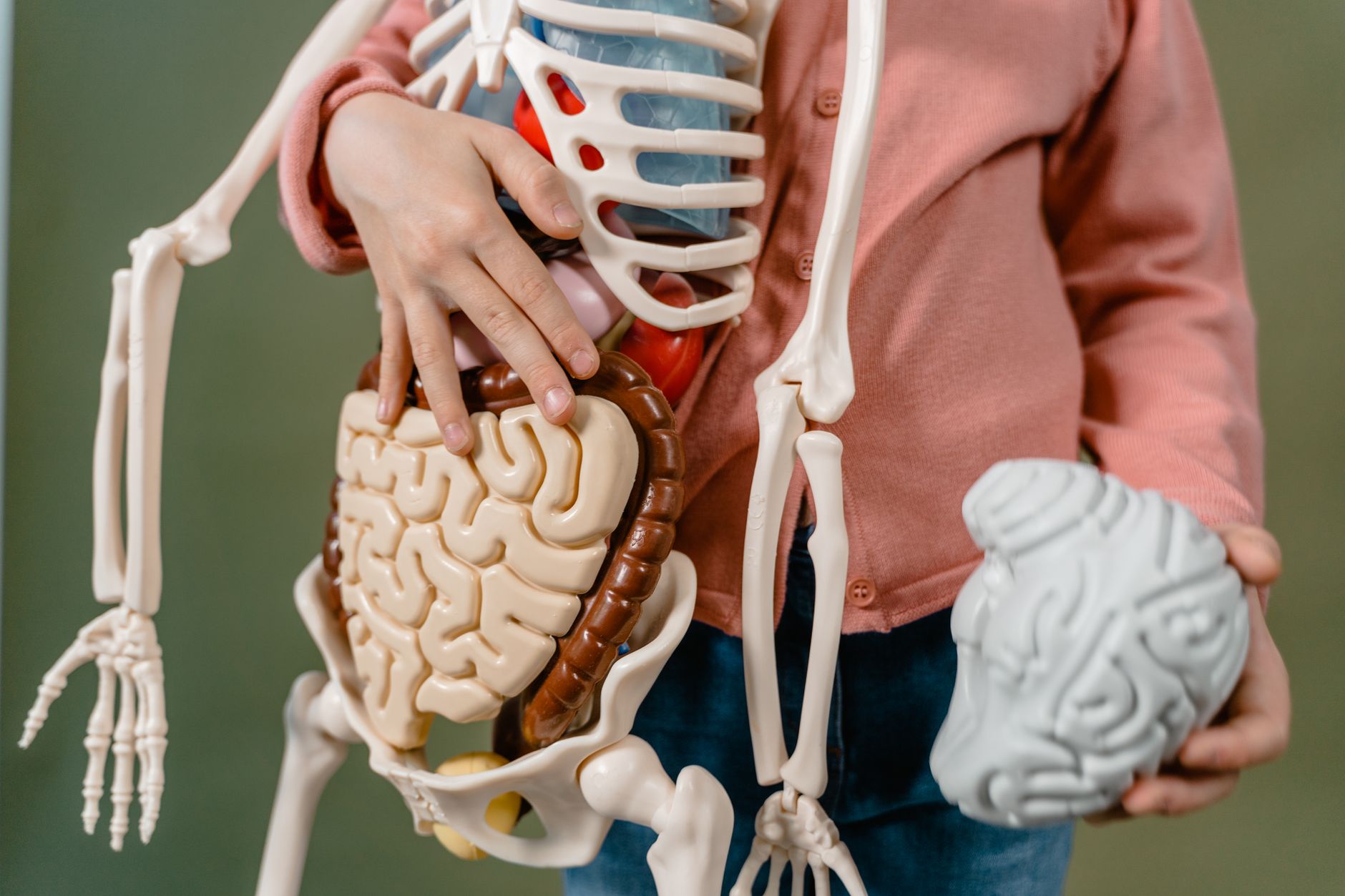
Quick answer: Digestive health refers to the proper functioning of your stomach, intestines, and digestive system. It involves nutrient absorption, regular bowel movements, and a balanced gut microbiome. Poor digestive health can lead to bloating, constipation, and nutrient deficiencies, while good digestive health supports energy levels, immunity, and overall wellness.
Your digestive system is like the engine of your body—when it’s running smoothly, everything else tends to follow. Yet millions of Americans struggle with digestive discomfort, irregular bowel movements, and a general sense that something isn’t quite right after eating. The good news? Digestive health is something you can actively improve through smart food choices, lifestyle habits, and consistency.
Whether you’re dealing with occasional bloating, chronic constipation, or just want to optimize your gut for better energy and immunity, understanding the foundations of digestive wellness is the first step toward real change.
What Makes Up a Healthy Digestive System?
Your digestive system is far more than just your stomach. It’s an intricate network that includes your mouth, esophagus, stomach, small intestine, large intestine, and a collection of helpful bacteria called your microbiome. Each part plays a critical role in breaking down food, absorbing nutrients, and eliminating waste.
A healthy digestive system maintains a delicate balance. Your stomach produces the right amount of acid, your intestines move food through at an optimal pace, and your gut bacteria are diverse and plentiful. When any of these elements are off—whether due to stress, poor diet, antibiotics, or lack of sleep—your entire digestive health can suffer.
The lining of your intestines acts as a gatekeeper, allowing nutrients in while keeping harmful substances out. When this barrier weakens (sometimes called "leaky gut"), undigested food particles and toxins can trigger inflammation and discomfort throughout your body.
Common Signs Your Digestive Health Needs Attention
Your body sends signals when something’s amiss. Pay attention to these red flags:
- Bloating and gas after most meals
- Constipation lasting more than a few days or diarrhea lasting more than a day or two
- Unexplained fatigue despite adequate sleep
- Brain fog or difficulty concentrating
- Skin issues like acne or eczema
- Frequent colds or infections
- Abdominal pain or cramping
- Food sensitivities that seem to develop out of nowhere
These symptoms often point to an imbalance in your gut microbiome or inflammation in your digestive tract. The encouraging part? Most of these issues are reversible with the right approach to digestive health.
Five Proven Ways to Improve Your Digestive Health
Prioritize fiber—but do it gradually. Fiber feeds your beneficial gut bacteria and helps move waste through your system. Aim for 25-35 grams daily from sources like oats, berries, beans, and leafy greens. If you’re currently eating very little fiber, increase slowly to avoid bloating.
Stay hydrated throughout the day. Water is essential for softening stool and moving it through your intestines. Most people should aim for about half their body weight in ounces daily, adjusted for activity level and climate.
Include fermented and prebiotic foods. Fermented foods like yogurt, kefir, sauerkraut, and kimchi introduce beneficial bacteria. Prebiotic foods like garlic, onions, and asparagus feed those bacteria. Together, they create an environment where digestive health can flourish.
Manage stress and prioritize sleep. Your nervous system directly controls digestion. Chronic stress can trigger digestive issues, while quality sleep (7-9 hours nightly) allows your gut to repair and reset.
Slow down and chew thoroughly. Digestion begins in your mouth. Aim to chew each bite 20-30 times. Eating slowly signals to your body that it’s time to produce digestive enzymes and stomach acid.
Foods That Support Digestive Health
You don’t need fancy supplements to support your digestive system. Real foods can be incredibly powerful:
- Ginger reduces inflammation and aids with nausea
- Bone broth provides collagen that heals the intestinal lining
- Leafy greens are rich in magnesium, which supports regular bowel movements
- Berries are packed with antioxidants and fiber
- Fatty fish like salmon provide omega-3s that reduce inflammation
- Sweet potatoes contain resistant starch that feeds good bacteria
- Chia and flax seeds add fiber and omega-3s
The key to sustainable digestive health is consistency. Choose foods you actually enjoy and can realistically incorporate into your routine.
When to Seek Professional Guidance
While many digestive issues improve with lifestyle changes, some warrant professional attention. Consider seeing a healthcare provider if you experience:
- Severe or persistent abdominal pain
- Blood in your stool
- Unexplained weight loss
- Symptoms that don’t improve after 2-3 weeks of dietary changes
- A family history of digestive conditions like Crohn’s disease or ulcerative colitis
A gastroenterologist or functional medicine practitioner can run tests to identify food sensitivities, bacterial imbalances, or underlying conditions affecting your digestive health.
Frequently asked questions
How long does it take to improve digestive health?
Most people notice improvements in bloating and energy within 1-2 weeks of making dietary and lifestyle changes. However, rebuilding your gut microbiome and healing your intestinal lining typically takes 4-12 weeks, depending on the severity of the issues and your consistency.
Can probiotics alone fix digestive problems?
Probiotics are helpful, but they’re just one piece of the puzzle. Without a high-fiber diet, adequate hydration, and stress management, probiotics won’t create lasting change. Think of them as reinforcements for an already-improving system.
Are digestive enzymes necessary?
For most people eating a balanced diet, your body produces enough digestive enzymes naturally. However, if you’re over 60, have pancreatic issues, or experience persistent bloating after meals, digestive enzymes might help. Always consult a healthcare provider before starting supplements.
Can digestive health affect my mental health?
Absolutely. Your gut and brain are connected through the gut-brain axis. An unhealthy microbiome can contribute to anxiety and depression, while stress negatively impacts digestion. Supporting your digestive health often improves mood and mental clarity.
What’s the best first step if I have digestive issues?
Start by increasing your water intake and adding one fiber-rich food daily. Keep a food journal to identify patterns. Many people discover that certain foods trigger symptoms once they pay closer attention.
Your digestive health is foundational to everything else—your energy, immunity, mood, and quality of life. By making intentional choices around food, hydration, stress, and sleep, you’re not just addressing uncomfortable symptoms; you’re investing in long-term wellness. Start with one or two changes this week and build from there. Small, consistent steps often lead to the biggest transformations. For more in-depth guides and personalized strategies, explore resources designed to support your unique wellness journey.
Share this content:
Discover more from J and J Health
Subscribe to get the latest posts sent to your email.


