Tag: vitamins

  • What Most People Get Wrong About Vitamins!

    What Most People Get Wrong About Vitamins!

      <br> Are you confused about which vitamins to  take? You&#39;re not alone.  Millions of adults rely on vitamin  supplements daily.  However, the right choice is personal.  Consulting a health care provider is  crucial before beginning any supplement.  While it&#39;s estimated that around 50% of  adults in the US take vitamins, it&#39;s  essential to understand your specific  needs.  Vitamins and minerals play a pivotal  role in breaking down macronutrients.  A balanced diet is the best way to get  the nutrients you need.  Supplements can be a boost when  necessary, but shouldn&#39;t replace healthy  eating.  The recommendations for daily vitamins  vary.  Factors like body function, health  goals, and diet affect individual  requirements.  For instance, vegetarians might need  certain supplements due to dietary  restrictions.  It&#39;s often possible to cover your  vitamin needs through food.<br><br> But if you&#39;re worried about  deficiencies, consulting a registered  dietician can help you decide which  vitamins to consider.  Let&#39;s explore some vital vitamins you  may need daily.  First up is vitamin A. Crucial for  vision, immune function, and skin  health.  The recommended daily allowance varies  with age and gender.  Next are the B vitamins.  This group supports energy production  and cell growth.  Specific needs are influenced by diet.  For instance, those avoiding meat may  require a B12 supplement.  Vitamin C boosts immunity and skin  health. It also aids in iron absorption.  The daily recommendation increases for  smokers.  Vitamin D is key for bone health and  immune function.  Spending more time indoors increases  deficiency risk.  Vitamin E helps protect cells and  supports muscle function.  This fats soluble vitamin should be  taken with caution due to potential  toxicity.  Vitamin K is important for blood  clotting and bone health.  Users of blood thinners should consult  health care providers about its use.  Minerals like calcium and iron are also  crucial.  Calcium supports bones and muscle  functions while iron increases energy  and immune function.  Magnesium aids essential bodily  processes while zinc supports the immune  system and memory.  When considering supplements, ensure you  consult your healthcare provider.<br><br> Look for third-party testing in the USP  seal to verify quality.  Overall, remember that supplements are  not replacements for a balanced diet.  Strive for a healthy eating pattern to  achieve your nutritional goals.  If you suspect that you may need vitamin  supplements, take the first step.  Discuss it with your healthcare provider  today.. <br><br><a href="https://www.youtube.com/watch?v=oFHtfHIi5bo" target="_blank">As found on YouTube</a>
    
  • 7 Vitamins and Minerals That Boost Your Immunity

    7 Vitamins and Minerals That Boost Your Immunity

      <br> Are you looking to fortify your immune  system?  Let&#39;s explore powerful vitamins and  minerals that can help.  A strong immune system protects you from  infections and helps you recover from  illness.  Included in this group are vitamins A,  B6, C, D, E, zinc, and selenium.  Vitamin A strengthens your white blood  cells and protective linings in your  body.  You can find it in milk, eggs, fatty  fish, and vibrant vegetables.  Next is vitamin B6, essential for  producing white blood cells and tea  cells that fend off invaders.  Great sources include chickpeas, beef,  and salmon.  Vitamin C acts as a potent antioxidant,  shielding your body from inflammation.  To get enough, incorporate bell peppers,  citrus fruits, and kale into your meals.<br><br> Vitamin D not only enhances infection  defense, but also promotes healing.  It can be found in fatty fish, egg  yolks, and mushrooms.  Your body naturally produces it when  exposed to sunlight.  Vitamin E is an antioxidant instrumental  in fighting infections.  It&#39;s best to consume it through foods  like sunflower seeds, almonds, and  broccoli. Avoid supplements.  Zinc acts as a gatekeeper, ensuring your  immune cells function correctly.  Boost your intake with oysters, lean  beef, and pumpkin seeds.  Lastly, selenium activates your immune  system and controls its responses.  Good sources are Brazil nuts, halibit,  and cottage cheese.  Rather than relying on supplements, aim  to meet your vitamin needs through  foods.  They are absorbed better and come with  fewer risks.  If in doubt, consult a health care  provider for personalized advice.  Strengthen your immune system by  choosing a nutritious diet rich in these  vitamins and minerals.  Start today and bolster your health.. <br><br><a href="https://www.youtube.com/watch?v=1jdHifp1tmo" target="_blank">As found on YouTube</a>
    
  • NATURALLY Boost Your B12 Levels With These Simple Changes

    NATURALLY Boost Your B12 Levels With These Simple Changes

    Boosting Your B12 Levels Naturally: Simple Lifestyle Changes for Better Health

    Join me as I take on the challenge of naturally boosting my B12 levels with some simple lifestyle changes. Vitamin B12 is one of the most crucial nutrients our bodies need to function at their best. It’s essential for energy production, nerve function, and even our mood. Without it, we can feel exhausted, foggy, and just plain miserable. But the good news is that with a few simple changes, we can boost our B12 levels and start feeling like ourselves again.

    I’ve struggled with low B12 levels myself, and I know how frustrating it can be to try to pinpoint the cause. But once I started making some changes, I noticed a huge difference in my energy levels and overall well-being. That’s what I want to share with you today: the simple lifestyle changes that can make all the difference in boosting your B12 levels. From diet to supplements to everyday habits, we’re going to explore the natural ways to get your B12 levels back on track.

    If you’re ready to ditch the fatigue and brain fog and start feeling more energetic and focused, then let’s dive in.

    Understanding B12 Deficiency

    One of the most common causes of B12 deficiency is a lack of it in our diet. Vegans and vegetarians are especially at risk since the best sources of B12 are animal-based: meat, fish, eggs, and dairy. But even if you’re not a vegan or vegetarian, you can still be at risk if you’re not consuming enough of these foods.

    Another common cause is poor absorption. As we age, our ability to absorb B12 from food decreases, making it harder to get enough. Certain medications like antacids and proton pump inhibitors can also interfere with absorption. Some medical conditions, like celiac disease and Crohn’s disease, can also increase your risk of B12 deficiency. If you’ve had weight loss surgery, you may be at risk due to the altered anatomy of your digestive system. Pregnant and breastfeeding women are also more likely to experience B12 deficiency since their babies use up so much of the nutrient.

    Symptoms of B12 Deficiency

    The symptoms of B12 deficiency can be subtle, but they can also be severe. Fatigue, weakness, and shortness of breath are all common symptoms, as are mood changes like depression and anxiety. Dizziness, tingling in the hands and feet, and digestive problems are also common symptoms of B12 deficiency. If left untreated, B12 deficiency can lead to more serious health problems like anemia, nerve damage, and even heart disease.

    Boosting B12 Levels Through Diet

    So, what can we do to boost our B12 levels and avoid these health problems? Let’s start with diet. Eating foods rich in B12 like salmon, beef, and chicken can make a big difference. Shellfish like clams and mussels are also great sources of B12, as are dairy products and eggs. Fortified plant-based milk and cereals are another good option, especially for vegans and vegetarians.

    But what if you’re not getting enough B12 from your diet? That’s where supplements come in. There are many different types of B12 supplements available, from oral tablets to nasal sprays to injections. If you’re experiencing digestive issues, you may want to consider a sublingual tablet that dissolves under your tongue.

    Lifestyle Changes to Enhance B12 Absorption

    In addition to diet and supplements, there are some simple lifestyle changes you can make to boost your B12 levels. Getting outside in the sun can help since sunlight triggers the production of vitamin D, which helps our bodies absorb B12. Reducing stress through yoga, meditation, or deep breathing exercises can also help, since stress can interfere with B12 absorption. Getting enough sleep is crucial since our bodies use sleep to regulate our hormones and metabolism, including B12 production.

    Exercise is also important since it helps increase blood flow and oxygenation to our cells, which can help boost B12 levels.

    Surprising Tips for Boosting B12 Levels

    Now, one surprising tip that can help boost B12 levels is probiotics. Beneficial bacteria in our gut play a crucial role in B12 production, so taking a probiotic supplement or eating probiotic-rich foods like yogurt and kefir can make a big difference.

    Another surprising tip is to avoid antacids and proton pump inhibitors, which can interfere with B12 absorption. Instead, try natural remedies like ginger and turmeric to soothe your stomach.

    Finally, don’t underestimate the power of a good multivitamin. A high-quality multivitamin can provide a boost of B12 as well as other essential nutrients.

    Conclusion: Embrace a Healthier Lifestyle

    So there you have it, the simple changes you can make to boost your B12 levels and start feeling more energetic and focused. Remember, it’s all about making small changes to your daily routine, from diet to supplements to lifestyle habits. By incorporating these tips into your daily life, you can say goodbye to fatigue and brain fog and hello to more energy, better mood, and a healthier, happier you.

    Thanks for reading, and don’t forget to comment below with your experiences or questions about B12. If you want more nutrition and health tips, please like, subscribe, and click on the bell for more health tips and updates.

    As found on YouTube

  • Discover the Shocking Effects of Eating Alkaline Foods

    Discover the Shocking Effects of Eating Alkaline Foods

    Exploring the Alkaline Diet: A Week of Alkaline Foods

    Join me as I challenge myself to eat only alkaline foods for a week and observe the changes in my body and energy levels. Over the past few years, you may have noticed the rise of alkaline foods in health and wellness circles. From celebrities to social media influencers, it seems like everyone is jumping on the alkaline bandwagon. But what exactly are alkaline foods, and why are they so popular?

    Understanding Alkaline Foods

    In a nutshell, alkaline foods are foods that have a higher pH level than acidic foods. The idea is that by consuming more alkaline foods, we can help balance out the natural acidity of our bodies and reap a range of health benefits, from increased energy levels to improved digestion. The claims are impressive, but it’s not just about what we eat; it’s also about what we don’t eat. Acidic foods like processed meats and sugary snacks are often seen as the enemy of optimal health. By cutting these foods out of our diets, we can supposedly unlock a new level of wellness.

    Debunking Myths About Nutrition

    When it comes to nutrition, there are a lot of misconceptions floating around. One of the biggest myths is that as long as we’re eating a balanced diet, we’re doing enough to support our health. The truth is that even healthy foods can have an acidic effect on our bodies if they’re not balanced with alkaline foods. Take meat, for example. While lean meats like chicken and fish are often touted as healthy options, they can still have an acidic effect on our bodies. This is because our bodies have to work harder to digest them, which can lead to inflammation and other health problems.

    The same goes for dairy products. Milk, cheese, and yogurt might seem like harmless additions to our diets, but they can have a significant acidic impact. And let’s not even get started on processed foods like packaged snacks and sugary drinks. The bottom line is that even the healthiest diets can be thrown off balance by acidic foods, and yet many of us are oblivious to the impact these foods are having on our bodies. We might feel tired, bloated, or sluggish, but we have no idea why. Acidic foods can be sneaky like that; they can creep into our diets in the form of seemingly healthy options like whole grain bread or pasta sauce, and before we know it, our bodies are paying the price.

    The Impact of Acidic Foods on Our Bodies

    So, what exactly happens when we consume acidic foods? Well, for starters, our bodies have to work harder to digest them. This can lead to inflammation, fatigue, and even weight gain. Over time, a diet high in acidic foods can also lead to more serious health problems like osteoporosis and cancer. That’s because our bodies are constantly trying to maintain a state of balance, and acidic foods can disrupt that balance.

    The good news is that it’s never too late to make a change. By incorporating more alkaline foods into our diets, we can start to reverse the damage and reap the benefits of a more balanced lifestyle.

    Benefits of an Alkaline Diet

    So, what are some of the benefits of an alkaline diet? For starters, many people report increased energy levels and improved digestion. Some people even claim that an alkaline diet has helped them reduce their risk of chronic diseases like heart disease and diabetes. But one of the most surprising benefits of an alkaline diet is its impact on our mental health. By reducing inflammation and promoting a sense of balance, an alkaline diet can help alleviate symptoms of anxiety and depression.

    Of course, it’s not all rainbows and unicorns. There are some potential drawbacks to an alkaline diet too. For example, some people might find it difficult to give up their favorite acidic foods like coffee or wine. Others might struggle to get enough protein on an alkaline diet, which can lead to fatigue and weakness. And then there are the naysayers who claim that the whole alkaline diet is just a fad with no real scientific basis. But despite the potential drawbacks, the science is clear: an alkaline diet can have a profound impact on our health and well-being.

    The Surprising Effect of an Alkaline Diet on Bone Health

    So, what’s the most surprising effect of an alkaline diet that many people are unaware of? For me, it’s the way it can impact our bones. You see, when we consume acidic foods, our bodies have to leech calcium from our bones to neutralize the acidity. Over time, this can lead to osteoporosis and other bone-related health problems. But by switching to an alkaline diet, we can help rebuild our bones and reduce our risk of osteoporosis. It’s a powerful reminder that the food we eat has a direct impact on our health, and by making a few simple changes to our diets, we can start to experience the benefits of an alkaline lifestyle.

    Conclusion

    In this exploration of alkaline foods, we’ve delved into the science behind their supposed benefits. We’ve also looked at some of the common misconceptions about nutrition and the potential drawbacks of an alkaline diet. But the bottom line is this: the food we eat has the power to transform our health and well-being. By choosing alkaline foods, we can take the first step towards a happier, healthier us.

    Thanks for reading! Please like, subscribe, and click on the bell for more health tips and updates. Be sure to share your thoughts on alkaline diets in the comments below.

    As found on YouTube

  • FIGHT Aging with These 7 POWERFUL Foods!
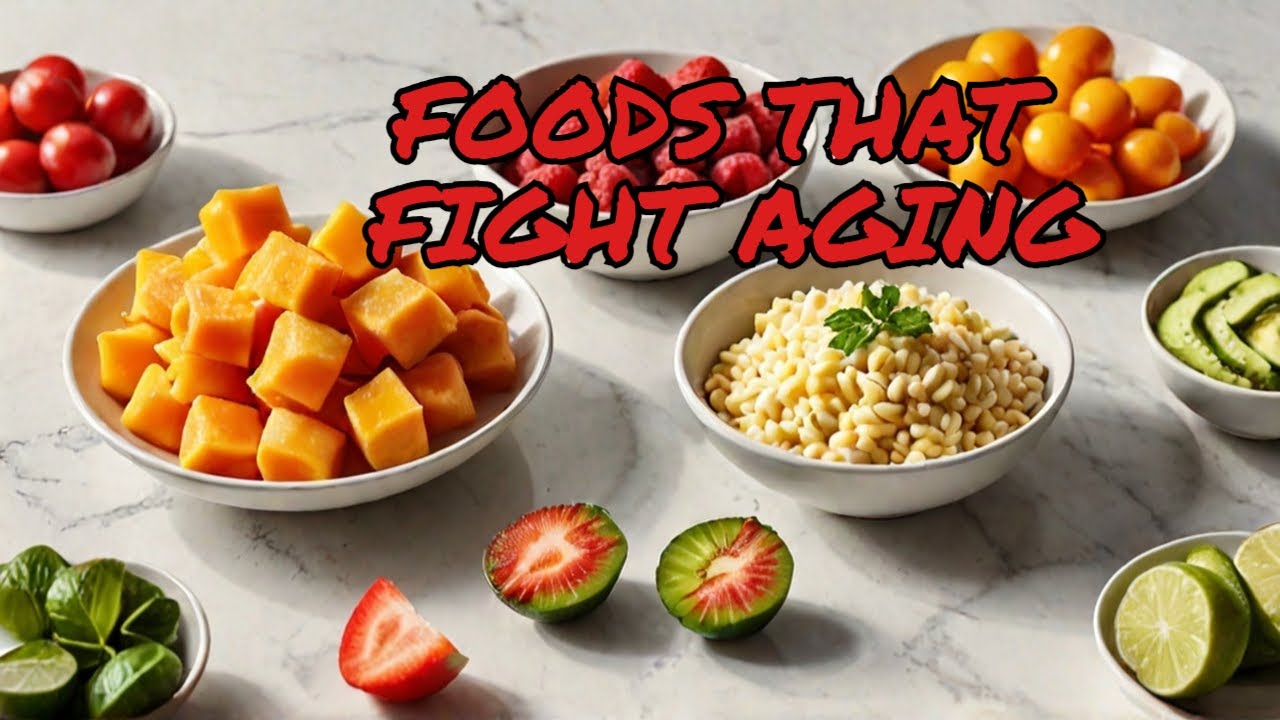
    FIGHT Aging with These 7 POWERFUL Foods!

    Discover the Secret to Fighting Aging with These Seven Powerful Foods

    Join me as I challenge myself to eat these seven powerful foods for a week to see if they really can help me fight aging. When it comes to fighting aging, most of us think of expensive creams, surgeries, and fancy treatments. But what if I told you that the secret to a more youthful you lies in your kitchen? That’s right, the food we eat plays a crucial role in how we age. Today, I’m going to share with you the seven most powerful foods that can help you turn back the clock.

    Rethinking the Aging Process

    One of the biggest misconceptions about aging is that it’s inevitable, that it’s just a natural part of life. But what if I told you that our modern diet is accelerating the aging process? Think about it. Most of us eat a diet that’s high in processed foods, sugar, and unhealthy fats, and low in nutrients and fiber. This can lead to chronic inflammation, oxidative stress, and cellular damage, all of which can make us look and feel older than we are.

    Another common myth is that aging is just about wrinkles and fine lines. But the truth is that aging affects every system in our body—from our energy levels to our cognitive function to our immune system. While wrinkles might be the most visible sign of aging, the real damage is happening on a cellular level. So if we want to fight aging, we need to focus on nourishing our bodies from the inside out.

    The Solution: Nutrient-Rich Foods

    So, what’s the solution? Well, it’s not just about cutting out unhealthy foods; it’s about adding in the right foods that can help to combat aging. Foods that are rich in antioxidants, Omega-3s, and other essential nutrients can help to reduce inflammation, improve cellular health, and support our overall well-being. Let’s dive into the seven powerful foods that can help you fight aging.

    1. Leafy Greens

    The first food on our list is leafy greens like spinach and kale. These superfoods are packed with antioxidants and Omega-3s that can help to reduce inflammation and oxidative stress. They’re also rich in vitamin K, which is essential for bone health and can help to reduce the signs of aging on our skin.

    2. Berries

    The second food on our list is berries. Berries are some of the highest antioxidant-rich foods on the planet. They are particularly rich in anthocyanins, which have been shown to have powerful anti-aging effects. Berries are also low in calories and high in fiber, making them a great addition to a healthy diet.

    3. Fatty Fish

    The third food on our list is fatty fish like salmon and sardines. These fish are rich in Omega-3s, which can help to reduce inflammation and support heart health. They are also a great source of protein, which is essential for maintaining muscle mass and supporting our overall health.

    4. Sweet Potatoes

    The fourth food on our list is sweet potatoes. Sweet potatoes are rich in vitamin A, which is essential for healthy skin and can help to reduce the signs of aging. They are also a great source of fiber, which can help to support healthy digestion and reduce inflammation.

    5. Avocados

    The fifth food on our list is avocados. Avocados are rich in healthy fats, fiber, and antioxidants, making them a powerful anti-aging food. They are also a great source of vitamin E, which can help to protect our skin from damage and support healthy skin cell growth.

    6. Beets

    The sixth food on our list is beets. Beets are rich in nitrates, which can help to improve blood flow and reduce inflammation. They are also a great source of antioxidants and fiber, making them a powerful addition to an anti-aging diet.

    7. Turmeric

    Finally, the seventh food on our list is turmeric. Turmeric contains a powerful compound called curcumin, which has been shown to have potent anti-inflammatory and antioxidant effects. It’s also a great anti-aging spice that can help to reduce oxidative stress and support healthy cellular function.

    The Power of Leafy Greens

    Now, let’s talk about the most impactful food on our list: leafy greens. There’s a reason why these greens are at the top of our list, and that’s because they’re packed with so many powerful antioxidants and omega-3s. One study found that eating just one serving of leafy greens per day can reduce the risk of age-related macular degeneration by up to 40%.

    But that’s not all. Leafy greens have also been shown to have powerful anti-aging effects on our skin. One study found that women who ate a diet rich in leafy greens had fewer wrinkles and age spots than those who didn’t. Finally, leafy greens have been shown to have potent anti-inflammatory effects, which can help to reduce chronic inflammation and support healthy cellular function.

    Conclusion: Fight Aging from the Inside Out

    In summary, the seven powerful foods we’ve discussed today can help to combat aging by reducing inflammation, improving cellular health, and supporting our overall well-being. So make sure to add these foods to your diet and start fighting aging from the inside out.

    What’s your favorite anti-aging food? Let me know in the comments below. If you want to learn more about how to fight aging naturally, be sure to check out my next video on the top supplements for anti-aging. Thanks for watching, and don’t forget to subscribe for more health and wellness videos.

    As found on YouTube

  • Broccoli Boosts Your Health in AMAZING Ways!
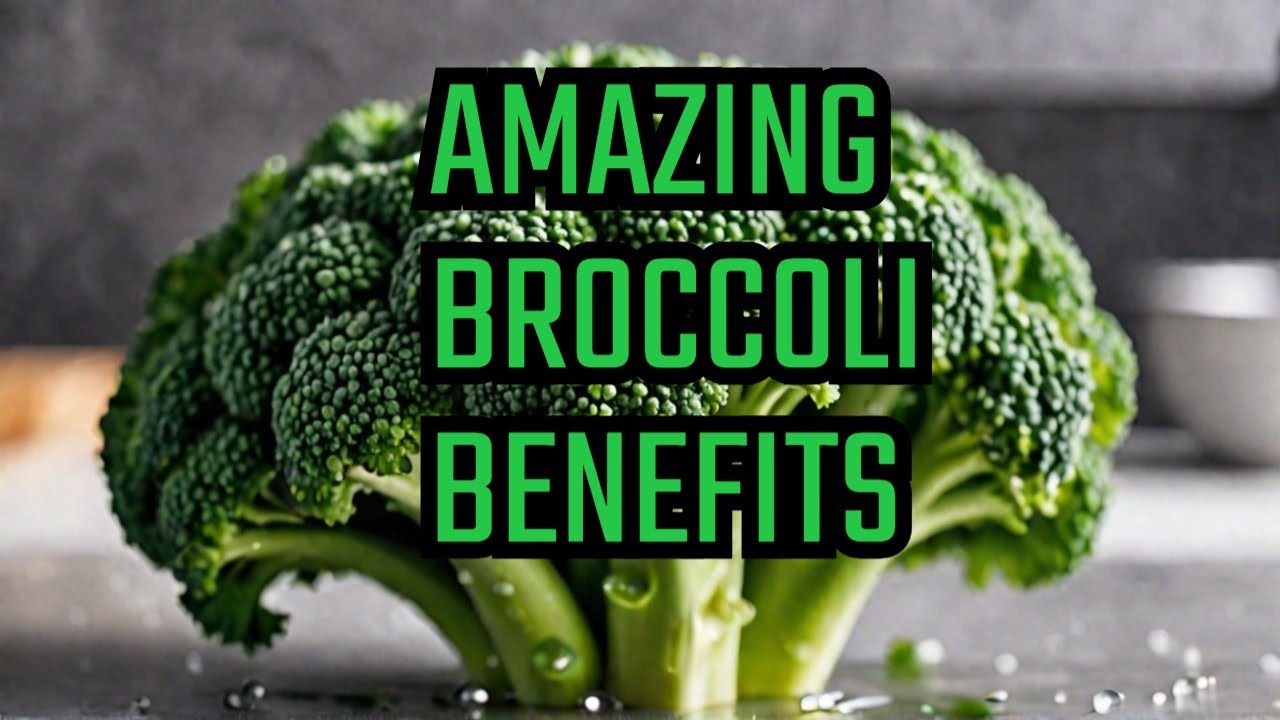
    Broccoli Boosts Your Health in AMAZING Ways!

    Step-by-Step Breakdown of My Week-Long Broccoli Challenge

    Welcome to my broccoli challenge! For one week, I’ll be eating broccoli every single day to see just how much this nutrient-packed vegetable can boost my health. Here’s how it all began, why I’m excited about this, and how you can try it too.

    Why Broccoli Deserves the Hype

    Broccoli is a superstar in the vegetable world, and here’s why:

    Loaded with Nutrients: Broccoli is packed with vitamins C and K, folate, potassium, and fiber. It’s also rich in antioxidants, which help fight free radicals in the body, reducing oxidative stress.

    Disease Prevention Power: Studies suggest that broccoli can help prevent chronic diseases like heart disease, diabetes, and even some cancers such as breast and colon cancer. It’s a go-to veggie for keeping inflammation in check and promoting healthy cell function.

    Digestive Support: Thanks to its fiber content, broccoli supports healthy digestion, promotes bowel health, and can even help maintain a healthy weight.

    Heart Health Boost: It’s known to lower blood pressure, reduce cholesterol, and improve overall cardiovascular function.

    The Game Plan: One Week, One Veggie

    Here’s the step-by-step plan I’ve mapped out for this challenge:

    Day One: The Kickoff

    I started simply with roasted broccoli, lightly seasoned with olive oil, salt, and pepper. This method preserves its nutrients while enhancing flavor. I paired it with grilled chicken for a balanced, protein-rich meal.

    Day Two: Broccoli in Smoothies

    Yes, you read that right! I blended steamed broccoli into a green smoothie with spinach, pineapple, and almond milk. Surprisingly, the sweetness of the fruit masked the broccoli taste, and it turned into a refreshing post-workout drink.

    Day Three: Stir Fry Delight

    On day three, I incorporated broccoli into a veggie stir fry with bell peppers, mushrooms, and tofu, tossing it in a savory garlic ginger sauce. This was quick, delicious, and nutrient-dense.

    Day Four: Broccoli Soup

    Midweek, I craved comfort food. Enter broccoli soup! I made a creamy but dairy-free broccoli soup using cashews for creaminess and added a touch of nutritional yeast for a cheesy flavor.

    Day Five: Broccoli Snack Attack

    Broccoli florets dipped in hummus made for a satisfying snack. It was crunchy and refreshing, giving me that extra mid-afternoon energy boost.

    Day Six: Pasta with a Twist

    Who doesn’t love pasta? I whipped up a broccoli pesto by blending steamed broccoli, garlic, lemon juice, olive oil, and parmesan cheese, tossed with whole grain spaghetti. It was a hit!

    Day Seven: Broccoli Finale

    To finish strong, I baked a broccoli and cheddar frittata. This was a hearty way to end the challenge and worked perfectly for breakfast.

    What I Learned Along the Way

    Energy Boost: I felt more energetic and less sluggish throughout the week.

    Digestive Health: The fiber in broccoli kept my digestion running smoothly.

    Satisfying and Versatile: I discovered so many ways to prepare broccoli, proving it doesn’t have to be boring.

    Taste Preferences: I enjoyed roasted and stir-fried versions the most, while broccoli smoothies were a fun experiment.

    Takeaways and Tips

    If you want to try this challenge, here are some tips:

    Prep in Advance: Pre-cut and steam your broccoli for convenience.

    Experiment with Flavors: Pair it with garlic, lemon, or spicy seasonings to keep things interesting.

    Combine with Healthy Fats: Olive oil and nuts enhance the absorption of fat-soluble vitamins.

    Let’s Chat!

    How do you incorporate broccoli into your diet? Share your favorite recipes or creative ideas in the comments below. If this inspires you to try a broccoli challenge of your own, let me know your results, and don’t forget to subscribe for more health and nutrition tips. Broccoli isn’t just a side dish; it’s a health game-changer. Whether you roast, steam, blend, or bake it, this green gem has earned its place on the plate. Let’s make vegetables the star of our meals!

    As found on YouTube

0
Verified by MonsterInsights