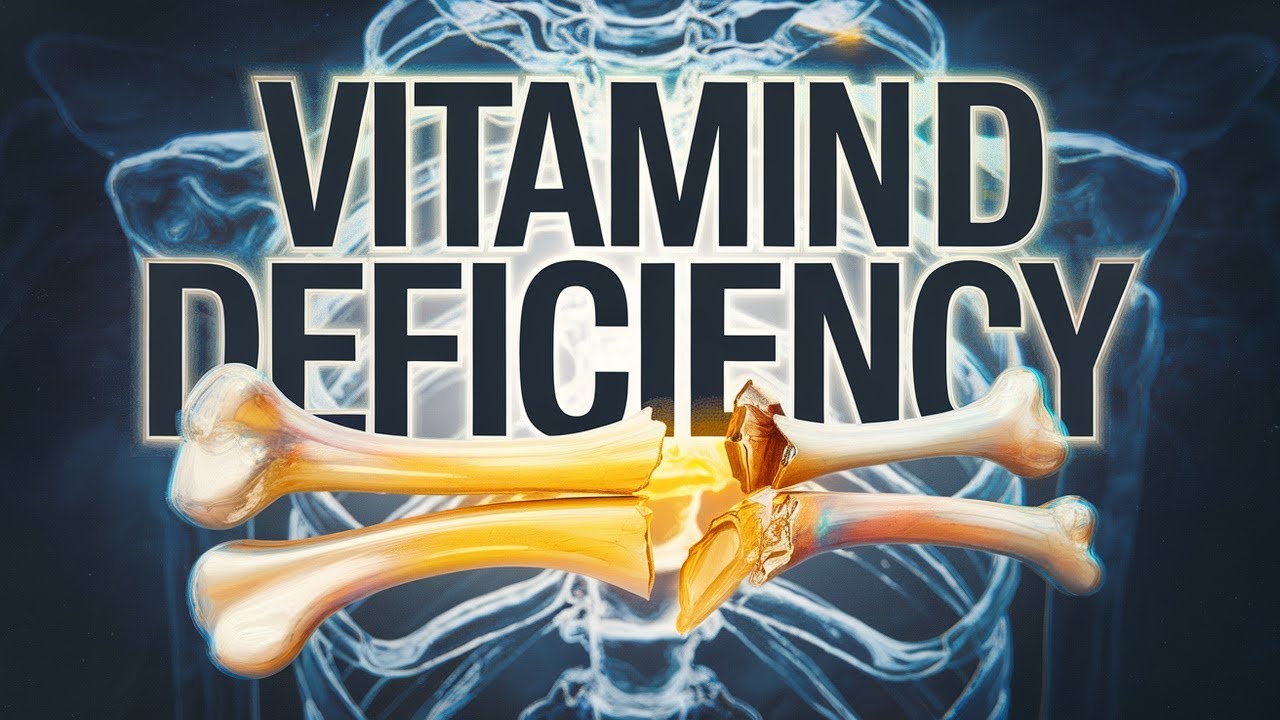
<br> Are you confused about which vitamins to take? You're not alone. Millions of adults rely on vitamin supplements daily. However, the right choice is personal. Consulting a health care provider is crucial before beginning any supplement. While it's estimated that around 50% of adults in the US take vitamins, it's essential to understand your specific needs. Vitamins and minerals play a pivotal role in breaking down macronutrients. A balanced diet is the best way to get the nutrients you need. Supplements can be a boost when necessary, but shouldn't replace healthy eating. The recommendations for daily vitamins vary. Factors like body function, health goals, and diet affect individual requirements. For instance, vegetarians might need certain supplements due to dietary restrictions. It's often possible to cover your vitamin needs through food.<br><br> But if you're worried about deficiencies, consulting a registered dietician can help you decide which vitamins to consider. Let's explore some vital vitamins you may need daily. First up is vitamin A. Crucial for vision, immune function, and skin health. The recommended daily allowance varies with age and gender. Next are the B vitamins. This group supports energy production and cell growth. Specific needs are influenced by diet. For instance, those avoiding meat may require a B12 supplement. Vitamin C boosts immunity and skin health. It also aids in iron absorption. The daily recommendation increases for smokers. Vitamin D is key for bone health and immune function. Spending more time indoors increases deficiency risk. Vitamin E helps protect cells and supports muscle function. This fats soluble vitamin should be taken with caution due to potential toxicity. Vitamin K is important for blood clotting and bone health. Users of blood thinners should consult health care providers about its use. Minerals like calcium and iron are also crucial. Calcium supports bones and muscle functions while iron increases energy and immune function. Magnesium aids essential bodily processes while zinc supports the immune system and memory. When considering supplements, ensure you consult your healthcare provider.<br><br> Look for third-party testing in the USP seal to verify quality. Overall, remember that supplements are not replacements for a balanced diet. Strive for a healthy eating pattern to achieve your nutritional goals. If you suspect that you may need vitamin supplements, take the first step. Discuss it with your healthcare provider today.. <br><br><a href="https://www.youtube.com/watch?v=oFHtfHIi5bo" target="_blank">As found on YouTube</a>
<br> Are you looking to fortify your immune system? Let's explore powerful vitamins and minerals that can help. A strong immune system protects you from infections and helps you recover from illness. Included in this group are vitamins A, B6, C, D, E, zinc, and selenium. Vitamin A strengthens your white blood cells and protective linings in your body. You can find it in milk, eggs, fatty fish, and vibrant vegetables. Next is vitamin B6, essential for producing white blood cells and tea cells that fend off invaders. Great sources include chickpeas, beef, and salmon. Vitamin C acts as a potent antioxidant, shielding your body from inflammation. To get enough, incorporate bell peppers, citrus fruits, and kale into your meals.<br><br> Vitamin D not only enhances infection defense, but also promotes healing. It can be found in fatty fish, egg yolks, and mushrooms. Your body naturally produces it when exposed to sunlight. Vitamin E is an antioxidant instrumental in fighting infections. It's best to consume it through foods like sunflower seeds, almonds, and broccoli. Avoid supplements. Zinc acts as a gatekeeper, ensuring your immune cells function correctly. Boost your intake with oysters, lean beef, and pumpkin seeds. Lastly, selenium activates your immune system and controls its responses. Good sources are Brazil nuts, halibit, and cottage cheese. Rather than relying on supplements, aim to meet your vitamin needs through foods. They are absorbed better and come with fewer risks. If in doubt, consult a health care provider for personalized advice. Strengthen your immune system by choosing a nutritious diet rich in these vitamins and minerals. Start today and bolster your health.. <br><br><a href="https://www.youtube.com/watch?v=1jdHifp1tmo" target="_blank">As found on YouTube</a>
<br> Did you know that weak bones don't have to be a part of aging? Your bones are living tissue, constantly rebuilding themselves. Bone mass peaks in your mid20s to mid-30s. You can borrow from this strength as you age. Here's how to maintain bone density at any age. Calcium is essential for strong bones. Many Americans don't consume enough calcium. This mineral strengthens and densifies bones. Low calcium levels can lead to osteoporosis, increasing the risk of falls and fractures. Starting around age 50, aim for 1,200 mg of calcium daily. For ages 9 to 18, increase that to 1,300 mg. Foods rich in calcium include 1 cup of plain low-fat yogurt, 300 mg, 1/2 cup of firm tofu with calcium, 200 mg, 1 cup of baked beans, 140 mg, 3 oz of canned salmon with edible bones, 180 mg.<br><br> Vitamin D works alongside calcium to help absorption. Without it, your body takes calcium from bones, weakening them. A blood test can determine your vitamin D levels. Aim for at least 20 ng per milliliter. Below 12 ng per milliliter indicates deficiency. Your skin produces vitamin D from sunlight. Just a few minutes outdoors each day can help. Food sources include fatty fish like salmon and tuna. Fortified milk and plant milks, eggs, fortified cereals. Regular physical activity is crucial for bone health. It stimulates bone growth, preventing loss that often starts in the 30s. Exercise also enhances balance and coordination, reducing fall risk. Focus on weightbearing activities like running, walking, dancing, climbing stairs. Incorporate resistance exercises, also known as strength training, to keep bones strong. Examples include push-ups, free weights, rowing resistance bands. Aim for at least 30 minutes of exercise daily.<br><br> Quitting smoking is vital for bone health. Nicotine slows down the creation of bone forming cells and reduces blood flow to bones leading to increased fragility, especially in the spine. Limit added sugars from processed foods and soft drinks. Excess sugar can lead to nutrient loss and prevent calcium absorption, harming bone health. Lastly, moderate your alcohol intake. Heavy drinking increases fall risks and disrupts bone growth. Men should limit to 15 drinks per week, while women should aim for eight. Moderate drinking, one drink for women and two for men, may have unclear effects on bone health. In summary, strong bones are vital for a healthy life.<br><br> Prioritize calcium and vitamin D intake. Stay active. Avoid smoking. Reduce sugar and limit alcohol. Start taking steps today for stronger bones tomorrow. Take charge of your bone health now.. <br><br><a href="https://www.youtube.com/watch?v=Y3_tkeh-Mr4" target="_blank">As found on YouTube</a>
Get Older, Get Healthier with These 12 Essential Vitamins
Join me as I challenge myself to incorporate all 12 essential vitamins into my daily routine for a whole week and see how it changes my health. As we age, we often focus on the physical changes we can see, like wrinkles and gray hair. But what about the changes happening inside our bodies? The truth is, our bodies start to slow down, and we begin to feel the effects of aging. But what if I told you there’s a way to counteract these changes and maintain your health and vitality as you get older?
Getting older doesn’t have to mean feeling older. By incorporating the right nutrients into our diet, we can support our bodies and maintain our health. And that’s exactly what we’re going to talk about today—the 12 essential vitamins that can help you age gracefully and thrive.
The Aging Process: What Really Happens?
Aging is a natural part of life, but it can be challenging. Our energy levels decrease, our immunity weakens, and we start to feel like we’re not as sharp as we used to be. We may experience joint pain, memory loss, and a weakened immune system. It’s like our bodies are saying, “Hey, slow down, I need a break.” But what if we could turn back the clock? What if we could regain our energy, sharpen our minds, and boost our immunity? It’s not just about looking good on the outside; it’s about feeling good on the inside too.
As we age, our bodies start to undergo a range of physiological changes. Our metabolism slows down, our hormone levels fluctuate, and our skin loses its elasticity. It’s a natural part of life, but it doesn’t mean we have to accept it. By incorporating the right vitamins into our diet, we can support our bodies and maintain our health.
Why Vitamins Matter
We’ve all heard the phrase, “You are what you eat,” and it’s true. The food we put into our bodies has a direct impact on our health and well-being. But sometimes, even with a healthy diet, we may be missing out on essential nutrients. That’s where vitamins come in to fill in the gaps and support our bodies.
Our modern lifestyle can be busy and stressful, making it difficult to maintain a balanced diet. We may skip meals, rely on convenience foods, or forget to take our vitamins. But the truth is, every meal matters, every snack counts, and every vitamin is essential.
As we age, our bodies become more susceptible to disease and illness. Our immune systems weaken, and we become more prone to infections. But it’s not all doom and gloom. By incorporating the right vitamins into our diet, we can boost our immunity and protect our bodies. Whether you’re 30, 50, or 70, it’s never too late to start taking care of your health.
The 12 Essential Vitamins for Aging Gracefully
Vitamin A is crucial for healthy vision, immune function, and skin health. It’s not just about seeing clearly; it’s about maintaining the integrity of your skin and bolstering your immune defenses against common ailments.
Vitamin C is a powerful antioxidant that boosts immunity and fights off free radicals. This vitamin is essential for the synthesis of collagen, a protein that helps keep your skin looking youthful and your joints functioning smoothly.
Vitamin D is essential for bone health and mood regulation. Often termed the “sunshine vitamin,” it plays a vital role in calcium absorption and can significantly impact your mood and general well-being.
Vitamin E is a powerful antioxidant that protects our cells from damage. It helps combat oxidative stress, which can accelerate the aging process and lead to chronic diseases.
Vitamin K is crucial for blood clotting and bone health. It ensures that your blood clots properly, preventing excessive bleeding, and works in synergy with calcium to maintain strong bones.
Thiamin (Vitamin B1) is essential for energy production and nerve function. This vitamin helps convert nutrients into energy, ensuring that you have the stamina to power through your day.
Riboflavin (Vitamin B2) supports energy production and eye health. It’s integral to the body’s energy supply chain and supports the maintenance of healthy eyes, reducing the risk of cataracts.
Niacin (Vitamin B3) is crucial for energy production and skin health. It plays a role in the conversion of food to energy and helps maintain healthy skin, reducing the risk of skin conditions as you age.
Pantothenic Acid (Vitamin B5) supports energy production and hormone regulation. It’s vital for the synthesis of coenzyme A, which is involved in the metabolism of carbohydrates, fats, and proteins.
Vitamin B6 is essential for energy production, nerve function, and immune function. This vitamin aids in the production of neurotransmitters, ensuring that your nervous system functions optimally.
Biotin supports energy production, nerve function, and healthy hair, skin, and nails. Often referred to as the “beauty vitamin,” it helps maintain the health of your hair and skin, combating the visible signs of aging.
Folic Acid (Vitamin B9) is crucial for energy production, nerve function, and heart health. It’s essential for DNA synthesis and repair, and works with vitamin B12 to produce red blood cells.
Vitamin B12 is essential for energy production, nerve function, and the formation of red blood cells. It plays a key role in brain health and can help prevent memory loss as you age.
Benefits of Incorporating Vitamins
These vitamins are not just essential for maintaining our health; they’re also crucial for preventing diseases and illnesses. By incorporating them into our diet, we can reduce our risk of heart disease, diabetes, and even certain types of cancer. The synergistic effect of these vitamins can help protect against the oxidative stress and inflammation that often accompany aging, thereby reducing the risk of chronic diseases.
Did you know that vitamin D deficiency has been linked to an increased risk of depression, anxiety, and even dementia? Or that vitamin B12 deficiency can cause fatigue, weakness, and memory loss? These vitamins are not just nice to have; they’re must-haves for maintaining our health and well-being. By ensuring that we get the right balance of vitamins, we can help stave off the mental and physical decline that many associate with aging.
By incorporating these essential vitamins into our diet, we can experience a range of benefits, from increased energy and improved mood to enhanced cognitive function and a stronger immune system. And the best part? It’s never too late to start. Making small, consistent changes today can have a profound impact on your health for years to come.
Conclusion: A Healthier You Awaits
In conclusion, getting older doesn’t have to mean feeling older. By incorporating the 12 essential vitamins into our diet, we can maintain our health, boost our energy, and thrive as we age. Remember, it’s not just about taking vitamins; it’s about making conscious choices about the food we eat, the exercise we do, and the lifestyle we lead. Cultivating healthy habits and being mindful of your nutritional intake can fundamentally change the way you experience aging.
Thanks for joining me on this journey. Don’t forget to share your thoughts in the comments below. If you’re new here, consider subscribing for more health tips and wellness content. If you’re interested in learning more about nutrition and aging, please like, subscribe, and click on the bell for more health tips and updates. Let’s get healthier together! By embracing the power of nutrition and making informed choices, we can redefine what it means to age, turning what is often seen as a decline into a period of vitality and growth.
Boosting Your B12 Levels Naturally: Simple Lifestyle Changes for Better Health
Join me as I take on the challenge of naturally boosting my B12 levels with some simple lifestyle changes. Vitamin B12 is one of the most crucial nutrients our bodies need to function at their best. It’s essential for energy production, nerve function, and even our mood. Without it, we can feel exhausted, foggy, and just plain miserable. But the good news is that with a few simple changes, we can boost our B12 levels and start feeling like ourselves again.
I’ve struggled with low B12 levels myself, and I know how frustrating it can be to try to pinpoint the cause. But once I started making some changes, I noticed a huge difference in my energy levels and overall well-being. That’s what I want to share with you today: the simple lifestyle changes that can make all the difference in boosting your B12 levels. From diet to supplements to everyday habits, we’re going to explore the natural ways to get your B12 levels back on track.
If you’re ready to ditch the fatigue and brain fog and start feeling more energetic and focused, then let’s dive in.
Understanding B12 Deficiency
One of the most common causes of B12 deficiency is a lack of it in our diet. Vegans and vegetarians are especially at risk since the best sources of B12 are animal-based: meat, fish, eggs, and dairy. But even if you’re not a vegan or vegetarian, you can still be at risk if you’re not consuming enough of these foods.
Another common cause is poor absorption. As we age, our ability to absorb B12 from food decreases, making it harder to get enough. Certain medications like antacids and proton pump inhibitors can also interfere with absorption. Some medical conditions, like celiac disease and Crohn’s disease, can also increase your risk of B12 deficiency. If you’ve had weight loss surgery, you may be at risk due to the altered anatomy of your digestive system. Pregnant and breastfeeding women are also more likely to experience B12 deficiency since their babies use up so much of the nutrient.
Symptoms of B12 Deficiency
The symptoms of B12 deficiency can be subtle, but they can also be severe. Fatigue, weakness, and shortness of breath are all common symptoms, as are mood changes like depression and anxiety. Dizziness, tingling in the hands and feet, and digestive problems are also common symptoms of B12 deficiency. If left untreated, B12 deficiency can lead to more serious health problems like anemia, nerve damage, and even heart disease.
Boosting B12 Levels Through Diet
So, what can we do to boost our B12 levels and avoid these health problems? Let’s start with diet. Eating foods rich in B12 like salmon, beef, and chicken can make a big difference. Shellfish like clams and mussels are also great sources of B12, as are dairy products and eggs. Fortified plant-based milk and cereals are another good option, especially for vegans and vegetarians.
But what if you’re not getting enough B12 from your diet? That’s where supplements come in. There are many different types of B12 supplements available, from oral tablets to nasal sprays to injections. If you’re experiencing digestive issues, you may want to consider a sublingual tablet that dissolves under your tongue.
Lifestyle Changes to Enhance B12 Absorption
In addition to diet and supplements, there are some simple lifestyle changes you can make to boost your B12 levels. Getting outside in the sun can help since sunlight triggers the production of vitamin D, which helps our bodies absorb B12. Reducing stress through yoga, meditation, or deep breathing exercises can also help, since stress can interfere with B12 absorption. Getting enough sleep is crucial since our bodies use sleep to regulate our hormones and metabolism, including B12 production.
Exercise is also important since it helps increase blood flow and oxygenation to our cells, which can help boost B12 levels.
Surprising Tips for Boosting B12 Levels
Now, one surprising tip that can help boost B12 levels is probiotics. Beneficial bacteria in our gut play a crucial role in B12 production, so taking a probiotic supplement or eating probiotic-rich foods like yogurt and kefir can make a big difference.
Another surprising tip is to avoid antacids and proton pump inhibitors, which can interfere with B12 absorption. Instead, try natural remedies like ginger and turmeric to soothe your stomach.
Finally, don’t underestimate the power of a good multivitamin. A high-quality multivitamin can provide a boost of B12 as well as other essential nutrients.
Conclusion: Embrace a Healthier Lifestyle
So there you have it, the simple changes you can make to boost your B12 levels and start feeling more energetic and focused. Remember, it’s all about making small changes to your daily routine, from diet to supplements to lifestyle habits. By incorporating these tips into your daily life, you can say goodbye to fatigue and brain fog and hello to more energy, better mood, and a healthier, happier you.
Thanks for reading, and don’t forget to comment below with your experiences or questions about B12. If you want more nutrition and health tips, please like, subscribe, and click on the bell for more health tips and updates.
The Essential Guide to Vitamin D: Unlocking Stronger Bones, Faster Healing, and a Robust Immune System
Did you know that a simple nutrient could be the key to stronger bones, faster healing, and even a healthier immune system? Let’s dive into the world of Vitamin D and uncover its myriad benefits for our bodies.
Understanding the Role of Vitamin D in the Body
Your body uses Vitamin D to absorb essential minerals like calcium and phosphorus, which are crucial for making your teeth and bones strong. This vital nutrient also supports your muscles, nerves, and immune system. However, what happens when you don’t get enough Vitamin D?
The Consequences of Vitamin D Deficiency
Several factors can lead to Vitamin D deficiency, such as insufficient exposure to sunlight or inadequate absorption from food, particularly for those who are vegan or unable to consume dairy products. People with low levels of Vitamin D often experience slower wound healing, especially individuals with burns. Research is ongoing to determine if supplements can accelerate recovery.
Osteoporosis and Vitamin D
Osteoporosis affects many older women, making bones more porous and breakable. Without sufficient Vitamin D, your body struggles to utilize the minerals necessary to maintain bone strength. In the 1800s, city pollution blocked sunlight, leading to an epidemic of rickets in children. Today, rickets can still occur, particularly in babies born to mothers with low Vitamin D levels. Even adults can suffer from low Vitamin D levels, leading to osteomalacia, which softens bones and causes breaks, particularly in the hips.
Vitamin D’s Impact on Serious Illnesses
Vitamin D levels might also influence serious illnesses like diabetes, high blood pressure, multiple sclerosis, and some cancers. Scientists are still studying these connections to better understand the potential impact of Vitamin D on these conditions.
Breastfed Infants and Vitamin D
Breastfed infants often require extra Vitamin D since breast milk alone may not provide enough. This is especially true for African-American mothers, who tend to have lower Vitamin D levels. A simple blood test can reveal your Vitamin D levels. If you’re homebound, blocked from sunlight, or experiencing symptoms like bone or muscle pain, consider getting tested to ensure adequate Vitamin D levels.
How to Boost Your Vitamin D Levels Naturally
Boosting your Vitamin D levels can be achieved through a combination of dietary changes and lifestyle adjustments. Here are some practical ways to ensure you receive enough Vitamin D:
Conclusion: Embrace the Power of Vitamin D
Vitamin D is a powerful nutrient that plays a critical role in maintaining healthy bones, supporting the immune system, and potentially influencing the risk of developing serious illnesses. By understanding the importance of Vitamin D and ensuring adequate levels through sun exposure, diet, and supplements, you can harness its benefits for a healthier, more resilient body.
Don’t underestimate the power of this simple nutrient—embrace Vitamin D as a key component of your overall wellness strategy.
Contains custom information set by the web developer via the _setCustomVar method in Google Analytics. This cookie is updated every time new data is sent to the Google Analytics server.
2 years after last activity
__utmx
Used to determine whether a user is included in an A / B or Multivariate test.
18 months
_ga
ID used to identify users
2 years
_gali
Used by Google Analytics to determine which links on a page are being clicked
30 seconds
_ga_
ID used to identify users
2 years
_gid
ID used to identify users for 24 hours after last activity
24 hours
_gat
Used to monitor number of Google Analytics server requests when using Google Tag Manager
1 minute
_gac_
Contains information related to marketing campaigns of the user. These are shared with Google AdWords / Google Ads when the Google Ads and Google Analytics accounts are linked together.
90 days
__utma
ID used to identify users and sessions
2 years after last activity
__utmt
Used to monitor number of Google Analytics server requests
10 minutes
__utmb
Used to distinguish new sessions and visits. This cookie is set when the GA.js javascript library is loaded and there is no existing __utmb cookie. The cookie is updated every time data is sent to the Google Analytics server.
30 minutes after last activity
__utmc
Used only with old Urchin versions of Google Analytics and not with GA.js. Was used to distinguish between new sessions and visits at the end of a session.
End of session (browser)
__utmz
Contains information about the traffic source or campaign that directed user to the website. The cookie is set when the GA.js javascript is loaded and updated when data is sent to the Google Anaytics server
6 months after last activity
Marketing cookies are used to follow visitors to websites. The intention is to show ads that are relevant and engaging to the individual user.
Facebook Pixel is a web analytics service that tracks and reports website traffic.