Are you counting carbs but still want to enjoy delicious snacks? Good news. Fruit is a healthy source of carbs and is packed with essential vitamins and minerals. Each serving is just 15 g of carbs. Let's explore low carb fruit options that make every bite count. First up, we have watermelon. This hydrating fruit is 92% water. It has only 7.5 carbs per 100 gram, making it the lowest carb fruit. It's rich in vitamins's A and C. Enjoy it in refreshing watermelon balls or a cup.
Next, let's look at cantaloupe. With about 8 g of carbs per 100 g, it's low carb and cholesterol-free. Blend it with yogurt for a tasty smoothie. Moving on to honeydew, the sweetest melon. It contains about 9 g of carbs per 100 g. This fruit is high in potassium and vitamin C, making it a nutritious choice. Strawberries are another great option. Eight medium strawberries have slightly over 7 g of carbs. They offer as much vitamin C as an orange. Eat them fresh, but avoid dipping them in chocolate. Now consider raspberries which are high in fiber at 8 g per cup. This low carb fruit makes a tasty combination with strawberries. Just remember to eat them quickly as they spoil fast. Don't forget blackberries. One cup contains less than 10 carbs and is rich in antioxidants. These berries help support gut health.
Peaches also deserve your attention. At 8 net grams of carbs per 100 gram, they're juicy and satisfying. Pair a peach with cottage cheese for a balanced treat. Avocados, often mistaken for vegetables, only have 8.5 g of carbs per 100 g. They're loaded with fiber and healthy fats. Enjoy them sliced or in salads. Pineapple offers a tropical twist with 11 gram of carbs per 100 g.
It's a great source of manganese and bromelain which aids digestion. Plums pack a punch in a small package with just 7.6 g of carbs per plum. These are great additions to various dishes but steer clear of dried plums which are very high in carbs. Finally, let's talk canned fruit. Fresh and frozen are best, but when canned, choose fruit packed in 100% juice or water. Rinse off excess syrup to reduce carb content. To summarize, fruit is not only delicious, but also packed with nutrients, making it a fantastic low carb option. Whether you enjoy watermelon, strawberries, or peaches, these snacks will keep your carb count in check. Ready to make fruit a part of your healthy snacking? Visit your grocery store today and pick your favorites..
Join me as I take on the challenge of discovering which foods actually pack more protein than an egg. Protein is an essential nutrient that our bodies need to function properly. It’s a building block of muscles, organs, and tissues, and it’s vital for growth and repair. Most of us know that eggs are a great source of protein, and they’re often considered a staple in many diets. But what if I told you that there are other foods out there that pack even more protein than eggs?
The Importance of Protein in Our Diet
When it comes to maintaining good health, protein is crucial. It helps to build and repair muscles, boost immunity, and even support weight loss. The recommended daily intake of protein varies depending on factors such as age, weight, and activity level, but most adults need around 50-60 g of protein per day. Eggs are often seen as a convenient and versatile way to meet our daily protein needs, but are they really the best source?
Debunking the Egg Protein Myth
In reality, eggs are not even in the top 10 when it comes to protein-rich foods. There are many other foods out there that contain more protein per serving than eggs, and some of them might surprise you. So, let’s break free from the egg myth and explore some of the other options. The idea that eggs are the ultimate protein source has been perpetuated by the fitness industry and health blogs for years, but the truth is, there are many other foods that can provide the protein we need to stay healthy and strong.
Exploring Protein-Rich Alternatives
Many of us rely on eggs as a quick and easy way to boost our protein intake, but there are so many other options out there. From dairy products to legumes, meats, and even some vegetables, there’s a whole world of protein-rich foods waiting to be explored. So, let’s dive in and discover some of the surprising foods that contain more protein than eggs. Are you ready to have your mind blown?
Dairy Products: A Protein Powerhouse
Let’s start with dairy products. Greek yogurt, for example, contains around 20 g of protein per 6 oz serving. That’s significantly more than the 6 g of protein found in a large egg. Cottage cheese is another great option, with around 28 g of protein per cup. These dairy options are not only rich in protein but also versatile enough to be included in various meals throughout the day.
Legumes: The Overlooked Protein Source
Legumes are another protein-rich food group that often gets overlooked. Take lentils, for example; they contain around 18 g of protein per cup, making them an excellent addition to soups, stews, and curries. Chickpeas are another great option, with around 15 g of protein per cup. These plant-based proteins are not only nutritious but also affordable and easy to incorporate into everyday meals.
Meat and Fish: Beyond the Egg
Meat is also a great source of protein, and there are many options that contain more protein than eggs. Chicken breast, for example, contains around 31 g of protein per 3 oz serving. Turkey breast is another great option, with around 34 g of protein per 3 oz serving. Some fish are also high in protein, such as salmon, which contains around 35.5 g of protein per 3 oz serving.
Plant-Based Protein: Vegan and Vegetarian Options
If you’re a vegetarian or vegan, don’t worry; there are plenty of plant-based options that pack a protein punch. Spirulina, for example, is a type of algae that contains around 16 g of protein per tablespoon. It’s a great addition to smoothies and salads and can even be used as a vegan protein powder.
Top Three Surprising Protein Sources
But what about the top three surprising foods that contain more protein than eggs? Drum roll, please! Coming in at number three is the humble spinach. Yes, you read that right—spinach. With around 5 g of protein per cup, it may not seem like a lot, but when you consider that it’s also packed with iron, calcium, and vitamins, it’s a nutritional powerhouse.
At number two, we have quinoa. This protein-rich grain contains around 8 g of protein per cup, making it an excellent addition to salads, bowls, and stir-fries.
And at number one, drum roll, please—hemp seeds! With around 10 g of protein per tablespoon, hemp seeds are a nutritional powerhouse that can be added to everything from smoothies to oatmeal.
Conclusion: Embrace Variety in Your Protein Sources
So, there you have it—the top three surprising foods that contain more protein than eggs. I hope this exploration has opened your eyes to the possibilities and encouraged you to think outside the box when it comes to protein-rich foods. Remember, protein is an essential nutrient that our bodies need to thrive. By incorporating a variety of protein-rich foods into your diet, you can maintain good health, support muscle growth and repair, and even boost your energy levels.
Thanks for joining me on this journey. Don’t forget to leave a comment below sharing your favorite high-protein food. Also, be sure to check out my next post on the top five healthy breakfast ideas that will keep you full until lunchtime!
Transform Your Body: A 30-Day Protein Plan for Burning Fat and Building Muscle
Join me as I put my daily protein plan to the test and see if I can burn fat and build muscle in just 30 days. Transforming your body isn’t just about hours spent at the gym or following the latest fad diet. One of the most important components is often overlooked, and that’s your daily protein strategy. Having a solid protein plan in place can make all the difference between achieving your fitness goals and feeling stuck.
Protein is the building block of muscle growth and repair, and it’s essential for burning fat and revealing the lean physique you’ve always wanted. Without a clear strategy, you’ll struggle to see meaningful results no matter how hard you work out. So, if you’re tired of feeling frustrated and unsure about how to incorporate protein into your diet, then you’re in the right place. In this post, I’ll be sharing my daily protein strategy that has helped me achieve incredible results, and I’ll show you how you can do the same.
Understanding the Importance of Protein
Many people struggle with protein consumption because they just don’t know where to start. They might have heard that they need to eat more protein, but they’re not sure how much or what the best sources are. Some people might be eating too little protein, leading to muscle loss and a slow metabolism. On the other hand, others might be consuming way too much, causing digestive issues and bloating. Others might have specific dietary restrictions or preferences, like being vegan or gluten-free, which can make it tough to know what protein sources are available to them.
Most fitness enthusiasts and athletes know that they need protein to build muscle, but they might not realize that it’s also crucial for recovery. Without adequate protein, you’ll be sore for longer, and your muscles won’t be able to repair themselves efficiently. Protein powder can be a convenient option, but it’s not always the best choice. Some people might experience digestive issues, or they might not like the taste. Others might not know how to portion their protein intake correctly. Should they eat more protein in the morning or before bedtime? It’s not just about eating protein-rich foods; it’s about timing and consistency. You need to make sure you’re fueling your body with the right amount of protein at the right times to support your fitness goals.
My Daily Protein Strategy
That’s why I’m excited to share my daily protein strategy with you. This is a strategy that has been tested and refined over time, and it’s helped me achieve incredible results. My daily protein strategy is built around three core principles: consistency, variety, and precision. Consistency is key because your body needs a steady supply of protein to function at its best. Variety is crucial because it ensures you’re getting all the essential amino acids your body needs to build and repair muscle tissue. Precision is vital because it allows you to tailor your protein intake to your specific fitness goals and needs.
Morning Protein Intake
Here’s an example of what my daily protein intake looks like. In the morning, I start with a protein-rich breakfast that includes scrambled eggs, turkey bacon, and avocado. This gives me around 30 grams of protein to kick start my day.
Lunch and Mid-Afternoon Snacks
For lunch, I like to have a grilled chicken breast with quinoa and steamed vegetables. This provides another 40 grams of protein. In the mid-afternoon, I have a protein shake with almond milk and a scoop of whey protein powder. This gives me an extra 20 grams of protein to help with recovery.
Evening Meals and Snacks
For dinner, I like to have grilled salmon with sweet potato and green beans. This provides another 50 grams of protein. Throughout the day, I also snack on protein-rich foods like Greek yogurt, cottage cheese, and nuts. This helps me stay fueled and satisfied and ensures I’m hitting my daily protein targets.
The Importance of Timing in Protein Consumption
Timing is also crucial. I like to have my protein shakes within 30 minutes of my workout to help with recovery. I also make sure to eat a protein-rich meal within an hour of bedtime to help with muscle repair while I sleep.
The Results of a Consistent Protein Plan
My daily protein strategy has been instrumental in helping me achieve my fitness goals. Just recently, I challenged myself to burn fat and build muscle in just 30 days, and the results were incredible. I lost over 10 pounds of body fat and gained 5 pounds of lean muscle mass. My energy levels skyrocketed, and I felt more confident than ever before. The key to my success was consistency and precision. I made sure to stick to my daily protein plan, and I tailored my protein intake to my specific fitness goals.
Now that I’ve shared my daily protein strategy with you, I want to hear from you. What’s your favorite protein-rich food or supplement? How do you incorporate protein into your diet? Leave a comment below and let me know.
If you’re new here, consider subscribing for more posts on nutrition and fitness. Thanks for reading, and I’ll see you in the next post!
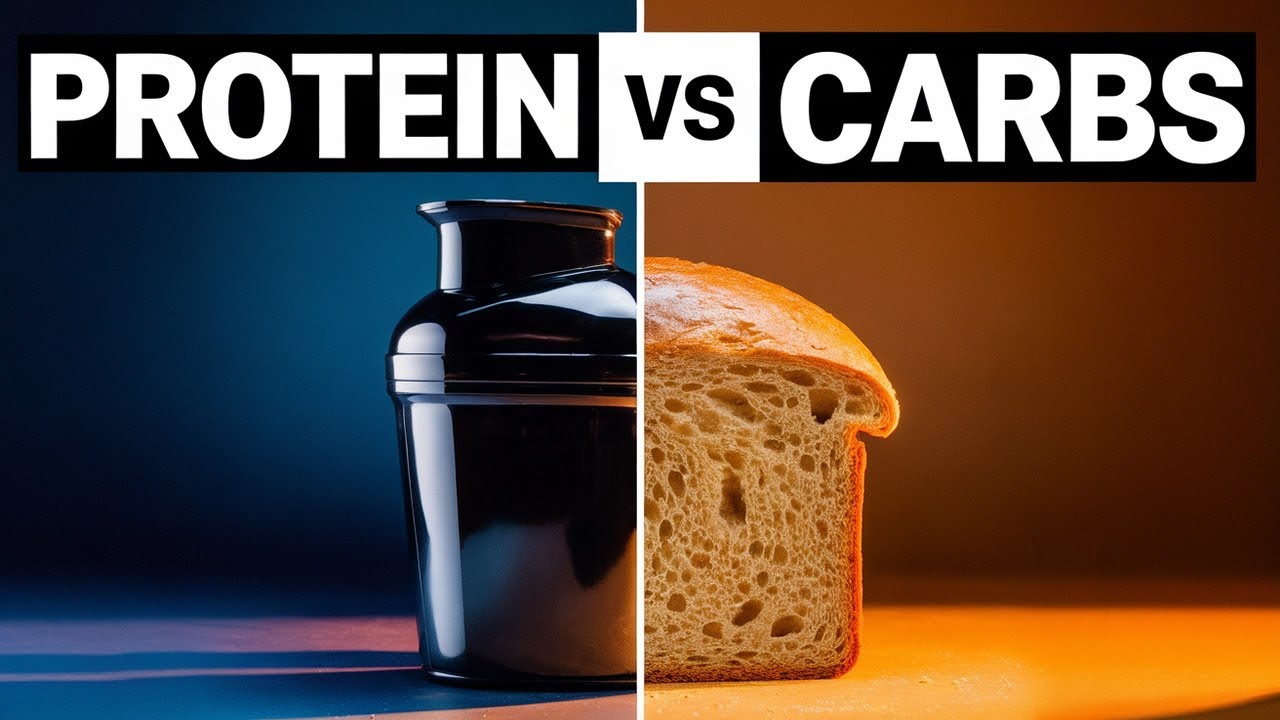
High Protein vs Low Carb: Which Diet is Best for Your Body?
Join me as I put myself to the test to find out whether high protein or low carb is really the best for my body. High protein and low carb diets are two of the most popular and debated topics in today’s health discussions. With so many conflicting opinions and misinformation out there, it’s no wonder people are left feeling confused and unsure about which path to take.
There are so many people out there who want to lose weight, build muscle, or just feel more energized, but they’re stuck deciding between two diets that seem to have opposite approaches. On one hand, high protein diets promise to help you build lean muscle mass and boost your metabolism. On the other hand, low carb diets claim to be the key to rapid weight loss and improved blood sugar control. But which one is the best for you?
Imagine you’re at the gym, surrounded by fit and motivated individuals, and you overhear someone saying, “I’m on a low carb diet; I don’t touch bread or pasta.” Meanwhile, another person nearby is devouring a protein shake, boasting about how it’s helping them build muscle fast. You start wondering, am I doing it right? Should I be focusing on high protein or low carb? It’s a dilemma that can be frustrating, especially when you’re trying to achieve specific health and fitness goals. You want to make the most of your time and effort, but you’re unsure which direction to take.
The Benefits and Drawbacks of High Protein Diets
When it comes to high protein diets, the benefits are clear. Protein takes more energy to digest, which can help increase your metabolism and support weight loss. It also helps build and repair muscle tissue, making it an excellent choice for athletes or those who want to build lean muscle mass. However, some drawbacks include the potential for high protein diets to be high in saturated fat and cholesterol, which can increase your risk of heart disease.
High Protein Diets: Pros and Cons
Pros:
Cons:
The Benefits and Drawbacks of Low Carb Diets
On the other hand, low carb diets have their own set of benefits. By restricting your carb intake, you can reduce your insulin levels and increase your fat burning abilities. This can lead to rapid weight loss and improved blood sugar control. However, some drawbacks include the potential for low carb diets to be low in fiber and nutrients, which can lead to constipation, fatigue, and mood swings.
Low Carb Diets: Pros and Cons
Pros:
Cons:
Personal Experiences with High Protein and Low Carb Diets
From a personal perspective, I’ve tried both high protein and low carb diets and I’ve seen the effects firsthand. When I followed a high protein diet, I’ve noticed significant improvements in my muscle mass and overall energy levels. However, when I’ve followed a low carb diet, I’ve experienced rapid weight loss and improved blood sugar control.
Which Diet is Best for You?
So, what’s the verdict? Is high protein or low carb the best for you? Well, the answer lies in understanding your individual needs and goals. If you’re an athlete or looking to build lean muscle mass, a high protein diet may be the way to go. However, if you’re looking to lose weight quickly or improve your blood sugar control, a low carb diet may be more suitable.
In conclusion, the debate between high protein and low carb diets is complex and there’s no one-size-fits-all solution. Ultimately, the best diet for you is the one that aligns with your lifestyle, health objectives, and personal preferences.
Thanks for tuning in, guys! If you have any thoughts on high protein versus low carb diets, be sure to leave them in the comments below. And if you’re looking for more nutrition tips and fitness advice, please like, subscribe, and click on the bell for more health tips and updates.
Contains custom information set by the web developer via the _setCustomVar method in Google Analytics. This cookie is updated every time new data is sent to the Google Analytics server.
2 years after last activity
__utmx
Used to determine whether a user is included in an A / B or Multivariate test.
18 months
_ga
ID used to identify users
2 years
_gali
Used by Google Analytics to determine which links on a page are being clicked
30 seconds
_ga_
ID used to identify users
2 years
_gid
ID used to identify users for 24 hours after last activity
24 hours
_gat
Used to monitor number of Google Analytics server requests when using Google Tag Manager
1 minute
_gac_
Contains information related to marketing campaigns of the user. These are shared with Google AdWords / Google Ads when the Google Ads and Google Analytics accounts are linked together.
90 days
__utma
ID used to identify users and sessions
2 years after last activity
__utmt
Used to monitor number of Google Analytics server requests
10 minutes
__utmb
Used to distinguish new sessions and visits. This cookie is set when the GA.js javascript library is loaded and there is no existing __utmb cookie. The cookie is updated every time data is sent to the Google Analytics server.
30 minutes after last activity
__utmc
Used only with old Urchin versions of Google Analytics and not with GA.js. Was used to distinguish between new sessions and visits at the end of a session.
End of session (browser)
__utmz
Contains information about the traffic source or campaign that directed user to the website. The cookie is set when the GA.js javascript is loaded and updated when data is sent to the Google Anaytics server
6 months after last activity
Marketing cookies are used to follow visitors to websites. The intention is to show ads that are relevant and engaging to the individual user.
Facebook Pixel is a web analytics service that tracks and reports website traffic.