Tag: healthy aging

  • What REALLY Happens To Your Body At Every Age?

    What REALLY Happens To Your Body At Every Age?

    What REALLY Happens To Your Body At Every Age?

    Today, I’m diving into the crazy changes that happen as we get older, and I’m challenging myself to try and guess what they’ll be like at each age. Aging is a natural part of life that we all go through, yet it’s often viewed in a negative light. We’re bombarded with messages telling us that youth is the prime of our lives and that growing older means decline and decay. But what if I told you that’s not entirely true?

    Think about it; our society is obsessed with staying young, whether it’s through beauty products, fitness regimens, or plastic surgery. We’re led to believe that the older we get, the less valuable we become. But I’m here to tell you that’s just not the case. In fact, getting older can be a liberating experience. We’ve gained life experience, we’ve learned from our mistakes, and we’ve developed a sense of wisdom that’s invaluable. This wisdom isn’t just in our heads; it manifests in how we carry ourselves, how we engage with others, and how we approach life’s challenges. As we age, we often find a deeper sense of purpose, focusing on what truly matters rather than being swayed by fleeting trends or superficial concerns.

    Common Misconceptions About Aging

    Let’s talk about some of the common misconceptions surrounding aging. One of the biggest fears people have is that they’ll lose their health and vitality as they get older. And yes, our physical bodies do change as we age, but that doesn’t mean we can’t stay healthy and active. In fact, many older adults are more active than they were in their younger years. They’ve got the wisdom and experience to know what they want, and they’re not afraid to go after it. They engage in activities such as yoga, tai chi, and regular walking, which not only keep them physically fit but also mentally agile.

    Another misconception is that older people are out of touch with technology. But I know plenty of seniors who are thriving in the digital age. They’re using smartphones, social media, and even coding their own websites. This technological adaptability is a testament to the human spirit’s capacity for growth and change, regardless of age. We also often think that older people are less creative, but that’s just not true. Many famous artists, writers, and musicians have done some of their best work in their later years. Creators like Grandma Moses, who started painting in her seventies, show us that creativity doesn’t wane with age; it can flourish with the richness of experience.

    And then there’s the idea that older people are set in their ways and can’t change. But the truth is, we’re always evolving, always growing, and always capable of change. In fact, research has shown that older adults are more open to new experiences, more willing to learn, and more eager to try new things. This adaptability often leads to new hobbies, new friendships, and new adventures.

    Benefits of Aging

    Older adults are also more emotionally intelligent, more empathetic, and more compassionate. They’ve got life experience and they’ve learned how to navigate the complexities of human relationships. They’ve also got a wealth of knowledge and experience to share with others. They’ve lived through historic events, they’ve seen social and cultural changes, and they’ve gained a unique perspective on the world. This perspective is invaluable, offering insights that can only come from a lifetime of “been there, done that.”

    As we age, we also become more resilient. We’ve been through the ups and downs of life and we’ve learned how to cope with adversity. We’ve developed coping mechanisms and we’ve learned how to take care of ourselves. This resilience is not just about bouncing back from life’s challenges; it’s about thriving despite them, finding ways to grow through the pain and emerge stronger.

    The Freedom of Aging

    One of the most significant benefits of aging is the sense of freedom it brings. We’re no longer tied down by the expectations of others, and we’re free to pursue our passions and interests. We’re also more confident, more self-assured, and more comfortable in our own skin. We’ve learned to accept ourselves for who we are, and we’re not trying to prove anything to anyone else. This freedom is incredibly liberating, allowing us to focus on what truly brings us joy and fulfillment.

    As we age, we also become more reflective, more introspective, and more grateful for the life we’ve lived. We’ve got a sense of perspective that comes from living through the ups and downs of life. One of the most profound benefits of aging is the sense of wisdom it brings. We’ve learned from our mistakes, we’ve gained insight, and we’ve developed a deeper understanding of the world. This understanding allows us to approach life with a sense of calm and acceptance, knowing that we’ve weathered storms before and can do so again.

    Wisdom and Experience

    In fact, many cultures have revered older adults as wisdom keepers, as sources of knowledge and guidance. They’ve recognized the value of their life experience and the wisdom they can share. As I’ve gotten older, I’ve started to realize the importance of experience. It’s one thing to read about something in a book, but it’s entirely different to have lived through it. Experience gives us a depth of understanding that we can’t get from anywhere else. It’s the difference between reading about a place and actually visiting it, between reading about a concept and actually living it.

    One of the most impactful insights I’ve gained about aging is that it can be a time of greatest fulfillment, potential, and self-discovery. It’s a time when we can pursue our passions, explore our interests, and live life on our own terms. Think about it: when we’re younger, we’re often tied down by responsibilities, obligations, and expectations. We’ve got jobs, families, and mortgages to worry about. But as we age, we’ve got more freedom to pursue our dreams, to travel, to learn, and to grow. We’ve got the resources, the wisdom, and the experience to make the most of our lives.

    Aging as a Rise, Not a Decline

    There are countless examples of individuals who have embodied this notion. There are people who have pursued their passions, taken risks, and achieved great things in their 60s, 70s, and even 80s. They prove that aging is not a decline but a rise to new heights. They prove that we can continue to grow, learn, and thrive at any age. Figures like Colonel Sanders, who founded KFC in his sixties, and architect Frank Lloyd Wright, who completed some of his most famous works in his late career, exemplify the potential of later life achievements.

    So let’s shift our perspective on aging. Let’s see it as an opportunity, not a limitation. Let’s recognize the wisdom, experience, and freedom that come with age. Let’s celebrate the stories of those who have used their later years to make remarkable contributions to the world, proving that age is just a number and not a barrier. By changing our perception, we empower ourselves and future generations to embrace aging with optimism and enthusiasm.

    In conclusion, getting older is not something to be feared or avoided. It’s a natural part of life that can bring immense joy, fulfillment, and self-discovery. So let’s embrace our journey, let’s celebrate our age, and let’s make the most of every moment. Each year brings new opportunities to learn, to grow, and to contribute to the world in meaningful ways. Aging is a privilege, and with it comes the chance to live our lives to the fullest.

    And before you go, take a second to share your thoughts on aging in the comments below. Have you got any personal anecdotes or insights to share? Let’s keep the conversation going. Also, if you want to learn more about personal growth and self-discovery, be sure to check out our video on finding your purpose in life. Finally, don’t forget to subscribe for more insightful content, and we’ll catch you in the next video.

    As found on YouTube

  • Get OLDER Get HEALTHIER with These 12 Essential Vitamins

    Get OLDER Get HEALTHIER with These 12 Essential Vitamins

    Get Older, Get Healthier with These 12 Essential Vitamins

    Join me as I challenge myself to incorporate all 12 essential vitamins into my daily routine for a whole week and see how it changes my health. As we age, we often focus on the physical changes we can see, like wrinkles and gray hair. But what about the changes happening inside our bodies? The truth is, our bodies start to slow down, and we begin to feel the effects of aging. But what if I told you there’s a way to counteract these changes and maintain your health and vitality as you get older?

    Getting older doesn’t have to mean feeling older. By incorporating the right nutrients into our diet, we can support our bodies and maintain our health. And that’s exactly what we’re going to talk about today—the 12 essential vitamins that can help you age gracefully and thrive.

    The Aging Process: What Really Happens?

    Aging is a natural part of life, but it can be challenging. Our energy levels decrease, our immunity weakens, and we start to feel like we’re not as sharp as we used to be. We may experience joint pain, memory loss, and a weakened immune system. It’s like our bodies are saying, “Hey, slow down, I need a break.” But what if we could turn back the clock? What if we could regain our energy, sharpen our minds, and boost our immunity? It’s not just about looking good on the outside; it’s about feeling good on the inside too.

    As we age, our bodies start to undergo a range of physiological changes. Our metabolism slows down, our hormone levels fluctuate, and our skin loses its elasticity. It’s a natural part of life, but it doesn’t mean we have to accept it. By incorporating the right vitamins into our diet, we can support our bodies and maintain our health.

    Why Vitamins Matter

    We’ve all heard the phrase, “You are what you eat,” and it’s true. The food we put into our bodies has a direct impact on our health and well-being. But sometimes, even with a healthy diet, we may be missing out on essential nutrients. That’s where vitamins come in to fill in the gaps and support our bodies.

    Our modern lifestyle can be busy and stressful, making it difficult to maintain a balanced diet. We may skip meals, rely on convenience foods, or forget to take our vitamins. But the truth is, every meal matters, every snack counts, and every vitamin is essential.

    As we age, our bodies become more susceptible to disease and illness. Our immune systems weaken, and we become more prone to infections. But it’s not all doom and gloom. By incorporating the right vitamins into our diet, we can boost our immunity and protect our bodies. Whether you’re 30, 50, or 70, it’s never too late to start taking care of your health.

    The 12 Essential Vitamins for Aging Gracefully

    Vitamin A is crucial for healthy vision, immune function, and skin health. It’s not just about seeing clearly; it’s about maintaining the integrity of your skin and bolstering your immune defenses against common ailments.

    Vitamin C is a powerful antioxidant that boosts immunity and fights off free radicals. This vitamin is essential for the synthesis of collagen, a protein that helps keep your skin looking youthful and your joints functioning smoothly.

    Vitamin D is essential for bone health and mood regulation. Often termed the “sunshine vitamin,” it plays a vital role in calcium absorption and can significantly impact your mood and general well-being.

    Vitamin E is a powerful antioxidant that protects our cells from damage. It helps combat oxidative stress, which can accelerate the aging process and lead to chronic diseases.

    Vitamin K is crucial for blood clotting and bone health. It ensures that your blood clots properly, preventing excessive bleeding, and works in synergy with calcium to maintain strong bones.

    Thiamin (Vitamin B1) is essential for energy production and nerve function. This vitamin helps convert nutrients into energy, ensuring that you have the stamina to power through your day.

    Riboflavin (Vitamin B2) supports energy production and eye health. It’s integral to the body’s energy supply chain and supports the maintenance of healthy eyes, reducing the risk of cataracts.

    Niacin (Vitamin B3) is crucial for energy production and skin health. It plays a role in the conversion of food to energy and helps maintain healthy skin, reducing the risk of skin conditions as you age.

    Pantothenic Acid (Vitamin B5) supports energy production and hormone regulation. It’s vital for the synthesis of coenzyme A, which is involved in the metabolism of carbohydrates, fats, and proteins.

    Vitamin B6 is essential for energy production, nerve function, and immune function. This vitamin aids in the production of neurotransmitters, ensuring that your nervous system functions optimally.

    Biotin supports energy production, nerve function, and healthy hair, skin, and nails. Often referred to as the “beauty vitamin,” it helps maintain the health of your hair and skin, combating the visible signs of aging.

    Folic Acid (Vitamin B9) is crucial for energy production, nerve function, and heart health. It’s essential for DNA synthesis and repair, and works with vitamin B12 to produce red blood cells.

    Vitamin B12 is essential for energy production, nerve function, and the formation of red blood cells. It plays a key role in brain health and can help prevent memory loss as you age.

    Benefits of Incorporating Vitamins

    These vitamins are not just essential for maintaining our health; they’re also crucial for preventing diseases and illnesses. By incorporating them into our diet, we can reduce our risk of heart disease, diabetes, and even certain types of cancer. The synergistic effect of these vitamins can help protect against the oxidative stress and inflammation that often accompany aging, thereby reducing the risk of chronic diseases.

    Did you know that vitamin D deficiency has been linked to an increased risk of depression, anxiety, and even dementia? Or that vitamin B12 deficiency can cause fatigue, weakness, and memory loss? These vitamins are not just nice to have; they’re must-haves for maintaining our health and well-being. By ensuring that we get the right balance of vitamins, we can help stave off the mental and physical decline that many associate with aging.

    By incorporating these essential vitamins into our diet, we can experience a range of benefits, from increased energy and improved mood to enhanced cognitive function and a stronger immune system. And the best part? It’s never too late to start. Making small, consistent changes today can have a profound impact on your health for years to come.

    Conclusion: A Healthier You Awaits

    In conclusion, getting older doesn’t have to mean feeling older. By incorporating the 12 essential vitamins into our diet, we can maintain our health, boost our energy, and thrive as we age. Remember, it’s not just about taking vitamins; it’s about making conscious choices about the food we eat, the exercise we do, and the lifestyle we lead. Cultivating healthy habits and being mindful of your nutritional intake can fundamentally change the way you experience aging.

    Thanks for joining me on this journey. Don’t forget to share your thoughts in the comments below. If you’re new here, consider subscribing for more health tips and wellness content. If you’re interested in learning more about nutrition and aging, please like, subscribe, and click on the bell for more health tips and updates. Let’s get healthier together! By embracing the power of nutrition and making informed choices, we can redefine what it means to age, turning what is often seen as a decline into a period of vitality and growth.

    As found on YouTube

  • 5 MINUTE Health Check to Identify Alzheimer’s Disease Risk!

    5 MINUTE Health Check to Identify Alzheimer’s Disease Risk!

    Uncovering the Signs of Alzheimer’s Disease: Is There a Time Bomb Ticking Away?

    Alzheimer’s disease is a complex and debilitating condition that affects millions of people worldwide. Despite its prevalence, there’s still a lot we don’t fully understand about it, especially when it comes to identifying risk factors. Join me as I take on the challenge of uncovering the signs of Alzheimer’s disease and see if I have a time bomb ticking away.

    Exploring the Connection Between Health Profiles and Alzheimer’s Disease Risk

    As we age, our bodies undergo a range of natural changes that can impact our health. But did you know that some of these changes can also increase our risk of developing Alzheimer’s disease? Understanding your health profile can give you valuable insights into your risk factors, helping you take proactive steps to protect your brain health.

    From high blood pressure to high cholesterol, many common health conditions can contribute to an increased risk of Alzheimer’s. But it’s not just physical health; our mental and emotional well-being can also play a significant role. The more we learn about Alzheimer’s disease, the more we realize how important early detection and intervention are. By understanding our individual risk factors, we can take steps to mitigate them and potentially delay or even prevent the onset of the disease.

    The Challenge of Identifying Early Signs of Alzheimer’s Disease

    One of the biggest challenges in identifying early signs of Alzheimer’s disease is that they can be incredibly subtle. In many cases, the symptoms are so mild that they can be dismissed as just a normal part of aging. But the problem is that by the time symptoms become noticeable, the disease has often already progressed significantly.

    Early detection is critical in Alzheimer’s disease management. It can make all the difference in getting timely treatment and slowing down the disease’s progression. But how do you identify those early signs? Imagine if you could identify your risk factors early on and take proactive steps to reduce them. Imagine being able to delay or even prevent the onset of Alzheimer’s disease. It’s a GameChanger, and it’s exactly what we’re going to talk about today.

    The Impact of Alzheimer’s Disease on Families and Caregivers

    Alzheimer’s disease doesn’t just affect the individual; it also has a profound impact on families and caregivers. Watching a loved one struggle with memory loss, confusion, and mood changes can be heart-wrenching. But what if you could take steps to reduce the risk of that happening? In many cases, Alzheimer’s disease is a slow-moving process that can take years to develop. But that also means there’s time to take action and make a difference.

    Identifying Early Signs of Alzheimer’s Disease: A Complex Process

    Identifying early signs of Alzheimer’s disease is a complex process that requires a combination of medical expertise, cutting-edge technology, and good old-fashioned detective work. But it’s not impossible. With the right tools and knowledge, you can take control of your brain health and reduce your risk of developing Alzheimer’s.

    Genetics and Alzheimer’s Disease Risk

    Genetics play a significant role in Alzheimer’s disease risk. If you have a family history of the condition, you’re more likely to develop it yourself. But what if you don’t have a family history? Are you off the hook? Not necessarily. Researchers have identified several genetic markers that increase the risk of Alzheimer’s disease. These markers can be inherited from our parents and significantly impact our risk of developing the condition.

    Lifestyle Choices and Alzheimer’s Disease Risk

    But genetics are just one piece of the puzzle. Our lifestyle choices can also have a profound impact on our Alzheimer’s disease risk. From diet and exercise to mental health and social connections, there are many factors that can influence our risk of developing the condition.

    Let’s talk about diet. What we eat has a direct impact on our brain health, and a diet rich in fruits, vegetables, and omega-3 fatty acids can help reduce our risk of Alzheimer’s. Exercise is another critical factor in Alzheimer’s prevention. Regular physical activity has been shown to improve cognitive function and reduce the risk of dementia.

    But it’s not just about physical activity. Mental exercise is also crucial. Mental health is often overlooked when it comes to Alzheimer’s disease risk, but the truth is that chronic stress, anxiety, and depression can all contribute to an increased risk of developing the condition. Social connections are also vital in reducing Alzheimer’s risk. Studies have shown that people with strong social networks are less likely to develop dementia.

    Other Health Indicators Affecting Alzheimer’s Disease Risk

    Chronic inflammation is another key factor in Alzheimer’s disease risk. When our bodies are constantly fighting inflammation, it can lead to cognitive decline and increase our risk of developing the condition. Sleep is critical for brain health, and chronic sleep deprivation can increase our risk of Alzheimer’s disease. But what if you’re not getting enough sleep? Vitamin D deficiency has been linked to an increased risk of Alzheimer’s disease, but what if you’re not getting enough vitamin D?

    Hormonal imbalances can also contribute to an increased risk of Alzheimer’s. As we age, our hormone levels change, and this can impact our brain health. As we explore these various health indicators and lifestyle factors, it’s clear that reducing our risk of Alzheimer’s disease is a complex process, but it’s not impossible.

    A Real-Life Example: Sarah’s Proactive Approach to Alzheimer’s Prevention

    Meet Sarah, a 55-year-old woman who was concerned about her risk of developing Alzheimer’s disease. Her mother had died of the condition, and Sarah was determined to take proactive steps to reduce her own risk. Sarah started by making lifestyle changes. She began exercising regularly, eating a healthy diet, and getting enough sleep. She also reduced her stress levels by practicing meditation and yoga.

    But Sarah didn’t stop there. She also started to prioritize her mental health, seeking out therapy to deal with chronic anxiety and depression. Sarah’s proactive approach paid off. She reduced her risk of developing Alzheimer’s disease and improved her overall health and well-being.

    Conclusion: Taking Control of Your Brain Health

    Sarah’s story is a powerful reminder that early detection and intervention can make all the difference in managing Alzheimer’s disease risk. In this blog post, we’ve explored the complex connection between health profiles and Alzheimer’s disease risk. We’ve delved into the various health indicators and lifestyle factors that can contribute to an increased risk of developing the condition.

    But the most important takeaway is this: you have the power to take control of your brain health. By understanding your health profile and identifying risk factors early on, you can take proactive steps to reduce your risk of Alzheimer’s disease. Share your thoughts in the comments about your own health journeys. What are you doing to take control of your brain health?

    If you found this post helpful, please like, subscribe, and click on the bell for more health tips and updates.

    As found on YouTube

  • Lose Weight PERMANENTLY After 40 Without Struggling

    Lose Weight PERMANENTLY After 40 Without Struggling

    Achieving Permanent Weight Loss After 40: A Comprehensive Guide

    Join me as I take on the challenge of losing weight permanently after 40, and I’ll show you how I do it without all the usual struggles. Losing weight after 40 can seem like a daunting task, but I’m here to tell you that it’s not only possible, but it can be done permanently and without the usual struggles and deprivation that come with it.

    We’ve all been there, stuck in a cycle of dieting and gaining, feeling like we’re constantly fighting an uphill battle. But what if I told you there’s a way to break free from that cycle and achieve sustainable weight loss? The truth is, weight loss after 40 requires a different approach, one that takes into account the natural changes our bodies go through as we age. It’s not about starving ourselves or spending hours at the gym, but about making sustainable lifestyle changes that we can maintain in the long term. And that’s exactly what we’re going to explore in this guide.

    Understanding the Challenges of Weight Loss After 40

    As we age, our metabolism slows down, our hormone levels change, and our lifestyles become more sedentary. All of these factors can contribute to weight gain, making it harder to lose weight and maintain weight loss. On top of that, we have to deal with the stress of everyday life, which can further disrupt our hormones and metabolism.

    One of the biggest challenges people over 40 face is that their metabolism has slowed down significantly. This means that even if you’re eating the same amount of food as you did in your 20s and 30s, you’re likely to gain weight. To make matters worse, our bodies start to lose muscle mass, which further slows down our metabolism.

    The Impact of Hormonal Changes

    Hormonal changes are another major obstacle. As women approach menopause, their estrogen levels drop, leading to increased fat storage around the midsection. For men, low testosterone levels can lead to decreased muscle mass and increased body fat.

    Lifestyle Changes and Their Effects

    Lifestyle changes also play a significant role in weight gain after 40. Many people start to take on more sedentary jobs, have families, and adopt less active lifestyles. On top of that, we have to deal with the stress of everyday life, which can further disrupt our hormones and metabolism. It’s no wonder that weight loss becomes such a struggle after 40.

    Strategies for Successful Weight Loss After 40

    Despite all these challenges, it’s not impossible to lose weight and maintain weight loss. It just requires a different approach, one that takes into account our changing bodies and lifestyles.

    Focus on Nutrition

    The first step to successful weight loss after 40 is to focus on nutrition. We need to eat foods that are rich in protein, fiber, and healthy fats, which will help us feel full and satisfied. We also need to be mindful of our portion sizes and eat more frequently throughout the day to keep our metabolism going.

    Incorporate Exercise

    In addition to nutrition, exercise is also crucial for weight loss after 40. We need to incorporate a combination of cardio and strength training exercises to build muscle mass and boost our metabolism. The great thing is we don’t need to spend hours at the gym to see results; even short, high-intensity workouts can be incredibly effective.

    Mindset and Sustainable Lifestyle Changes

    But it’s not just about diet and exercise. We also need to focus on our mindset and make sustainable lifestyle changes that we can maintain in the long term. This means setting realistic goals, tracking our progress, and finding a support system that will help us stay motivated and accountable.

    Effective Strategies for Permanent Weight Loss

    One strategy that has been incredibly effective for me is intermittent fasting. By restricting my eating window to just 8 hours a day, I’ve been able to increase my fat loss and improve my overall health. The great thing is it’s not a radical change; it’s just a simple tweak to my daily routine.

    Building Muscle Mass

    Another strategy is to focus on building muscle mass. As we age, our bodies naturally lose muscle mass, which can slow down our metabolism and make it harder to lose weight. But by incorporating strength training exercises into our routine, we can build muscle and boost our metabolism.

    Mindset and Long-Term Success

    Finally, we need to focus on our mindset and make sustainable lifestyle changes that we can maintain in the long term. This means setting realistic goals, tracking our progress, and finding a support system that will help us stay motivated and accountable.

    Success Story: Sarah’s Journey to Weight Loss After 40

    I want to share a personal story with you that perfectly illustrates the power of these strategies. My friend Sarah, who’s 45, had been struggling with weight loss for years. She tried every diet and exercise routine under the sun, but nothing seemed to work. But then she started incorporating intermittent fasting and strength training into her routine, and the results were incredible. She lost over 20 lbs in just a few months, and she’s been able to maintain that weight loss ever since.

    The key takeaway from Sarah’s story is that weight loss after 40 is not about making radical changes; it’s about making small, sustainable tweaks to our daily routine. When we focus on nutrition, exercise, and mindset, we can achieve incredible results.

    The Most Impactful Strategy for Lasting Weight Loss Success

    So, what’s the most impactful insider strategy that can lead to lasting weight loss success after 40? For me, it’s all about focusing on progress, not perfection. We don’t need to be perfect; we just need to make progress every day. And when we focus on progress, we can achieve incredible results and maintain weight loss in the long term.

    Losing weight after 40 is not only possible, but it can be done permanently and without the usual struggles and deprivation. By focusing on nutrition, exercise, and mindset, we can achieve sustainable weight loss and maintain it in the long term.

    Thanks for joining me on this journey. If you found this guide helpful, please share it with others who might benefit from it. Let’s support each other in achieving our health and wellness goals!

    As found on YouTube

  • GET FIT OVER 50 WITH THESE EASY CHAIR WORKOUTS
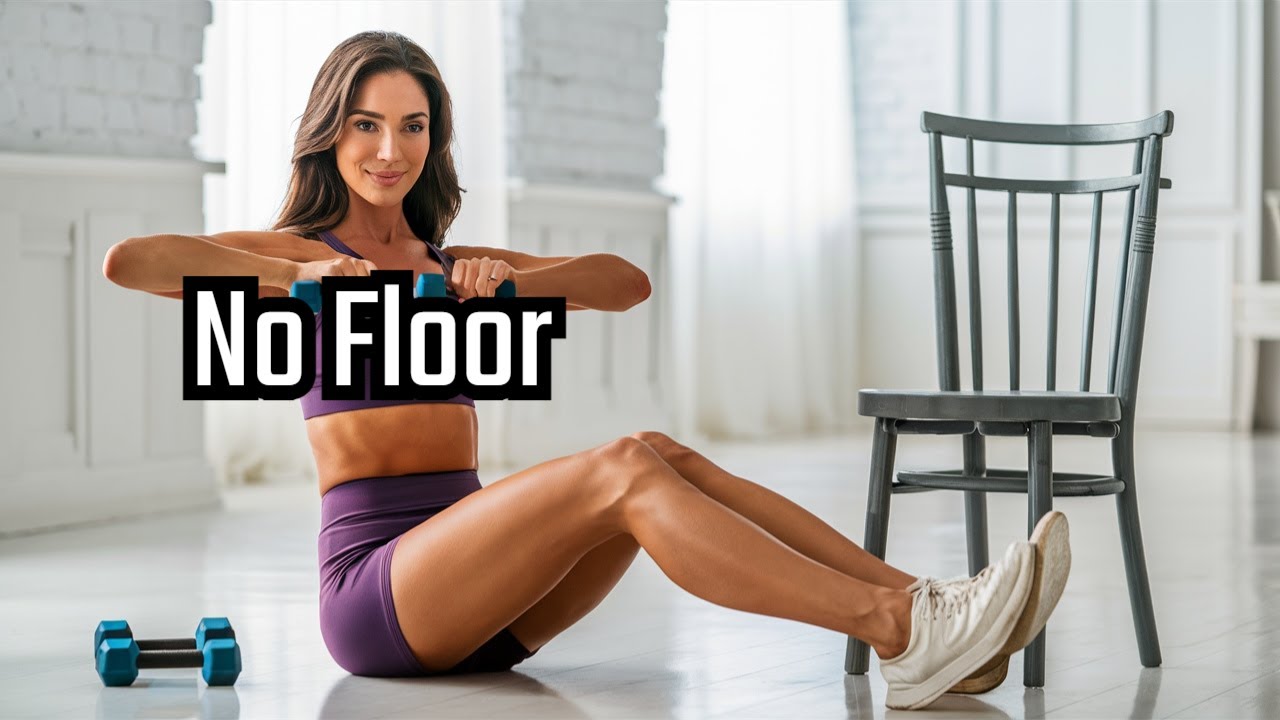
    GET FIT OVER 50 WITH THESE EASY CHAIR WORKOUTS

    Getting Fit Over 50: Embrace Easy Chair Workouts

    Join me as I take on the challenge of getting fit over 50 with these easy chair workouts. Let’s see how much progress we can make! As we age, our bodies undergo various changes that can make it more difficult to stay active. One of the biggest misconceptions is that you need to be in a gym surrounded by heavy weights and complicated equipment to get a good workout. But that’s simply not true. With chair workouts, you can get fit and healthy from the comfort of your own home using just a chair as your main piece of equipment.

    The best part? These exercises are low impact, easy to modify, and accessible to everyone, regardless of fitness level or mobility issues. The beauty of chair workouts lies in their simplicity. You don’t need to worry about expensive gym memberships or finding time to travel to a fitness studio. With a chair, you can work out whenever and wherever you want without having to leave your house. Plus, these exercises are designed to be gentle on your joints, making them perfect for those of us over 50 who may be dealing with aches and pains.

    The Benefits of Chair Workouts

    One of the biggest benefits of chair workouts is that they can be adapted to suit your individual needs and fitness level. Whether you’re just starting or you’re looking to mix up your routine, these exercises can be modified to challenge you or ease you in gradually. And because they’re low impact, you can do them as often as you like without risking injury or burnout.

    I’m excited to share these easy chair workouts with you, and I hope you’ll join me on this fitness journey. Together, let’s prove that getting fit over 50 is not only possible but also fun and achievable!

    Overcoming Common Barriers

    I know that one of the biggest barriers to exercise for many of us over 50 is mobility issues. Maybe you’ve had a hip replacement, or you’re dealing with chronic back pain. Perhaps you’re struggling with balance and coordination, or you’re worried about falling. Whatever your concerns, I want you to know that chair workouts are designed to be safe and accessible, even for those with mobility challenges.

    Another common barrier is lack of time. Many of us are busy with work, family, or other responsibilities, and it can be hard to find time to fit in a workout. But with chair exercises, you can get a great workout in just a few minutes a day. Whether it’s during your lunch break, in the morning, or before bed, you can fit in a chair workout whenever it suits you best.

    Breaking the Gym Intimidation

    Let’s be real: many of us are intimidated by the gym environment. We might feel self-conscious about our bodies or worried that we won’t know how to use the equipment. But with chair workouts, you don’t need to worry about any of that. You can work out in the comfort of your own home without having to deal with crowds or confusing machines.

    I’ve also heard from many people who are struggling to find exercises that are gentle on their joints. Maybe you’ve had a knee replacement, or you’re dealing with arthritis. Whatever your concerns, I want to assure you that chair workouts are designed to be low impact, so you can get fit without putting excessive strain on your joints.

    Finding Motivation and Independence

    For others, the biggest barrier might be a lack of motivation. Maybe you’ve tried exercise programs before but didn’t stick with them, or perhaps you’re just not sure where to start. Whatever your reasons, I want you to know that chair workouts are fun, engaging, and easy to follow. With the right mindset, you can make them a sustainable part of your fitness routine.

    I’ve also spoken to people worried about losing their independence as they age. Maybe you’re concerned about relying on others to take you to the gym or needing help with exercises. But with chair workouts, you can maintain your independence and take control of your fitness, no matter your age or mobility level.

    The Simplicity of Starting

    One of the biggest misconceptions about exercise is that you need to be fit to start. That’s simply not true. Chair workouts are designed for everyone, regardless of fitness level or mobility. You can start slowly, gradually increase your intensity and duration, and get fit at your own pace.

    I want to assure you that chair workouts are not boring. Many people think that exercising from a chair means you’ll be stuck doing the same old repetitive movements day in and day out. But that’s not true. With chair exercises, you can mix and match different movements, try new things, and keep your workouts fresh and exciting.

    Enhancing Balance and Coordination

    As we age, our bodies undergo natural changes that can affect our balance and coordination. But with chair workouts, you can improve your balance, strengthen your core, and reduce your risk of falls. And finally, I want to address the myth that exercise has to be complicated to be effective. With chair workouts, you can get a great workout using just a few simple movements. No need for fancy equipment or complicated routines—just you, a chair, and a willingness to get moving.

    Get Moving with Chair Exercises

    Okay, now it’s time to get moving! Let’s start with our first exercise: chair squats. This exercise is great for strengthening your legs and glutes and can be modified to suit your fitness level. To start, sit in your chair with your feet flat on the floor. Then, slowly stand up, keeping your back straight and your core engaged. Hold for a moment, then slowly lower yourself back down into the chair. Repeat for 10-15 reps.

    Next up, we have chair leg lifts. This exercise is great for targeting your abs and improving your balance. To start, sit in your chair with your feet flat on the floor. Then, lift one leg off the floor, keeping it straight, and hold for a moment. Lower your leg back down, then repeat with the other leg. Do 10-15 reps on each leg.

    Upper Body and Flexibility

    Now, let’s move on to chair push-ups. This exercise is great for strengthening your upper body and improving your posture. To start, stand behind your chair and place your hands on the back of the chair. Then, slowly lower yourself down into a push-up, keeping your back straight and your core engaged. Hold for a moment, then push back up to the starting position. Repeat for 10-15 reps.

    I also want to show you chair arm circles, which are great for improving your flexibility and reducing stiffness in your shoulders. To start, sit in your chair with your feet flat on the floor. Then, hold your arms straight out to the sides and make small circles with your hands. Repeat for 10-15 reps.

    Improving Posture and Reducing Stress

    Finally, let’s try chair chest opens, which are great for improving your posture and reducing stress. To start, sit in your chair with your feet flat on the floor. Then, place your hands on the armrests and slowly push your chest forward, stretching your shoulders and chest. Hold for a moment, then release. Repeat for 10-15 reps.

    I want to share a success story with you. Meet Jane, who was 62 when she started doing chair workouts. She had arthritis in her knees and was worried that exercise would make her condition worse. But with chair workouts, she was able to strengthen her legs, reduce her pain, and even lose 10 lbs. Today, Jane is fit, active, and feeling more confident than ever.

    The Sense of Community

    Jane’s not alone in her success. I’ve heard from countless people who have used chair workouts to transform their health and fitness. Whether you’re looking to lose weight, improve your mobility, or just feel more confident in your skin, chair workouts can help.

    One of the most inspiring things about chair workouts is the sense of community that comes with them. When you’re working out from the comfort of your own home, you’re not alone. You’re part of a community of people who are all working towards the same goal: to get fit, feel great, and take control of their health.

    Take the Challenge

    As we wrap up today’s video, I want to leave you with a challenge. I want you to commit to doing chair workouts at least three times a week for the next month. That’s just 15-20 minutes a day, three times a week, and I promise you the results will be staggering.

    Getting fit over 50 is not just about physical health. It’s about mental well-being, confidence, and independence. And with chair workouts, you can have it all. Thanks for joining me on this fitness journey. Don’t forget to like, comment with your experiences, and subscribe for more fitness tips and chair workout videos. See you in the next video!

    As found on YouTube

0
Verified by MonsterInsights