<br> Did you know that weak bones don't have to be a part of aging? Your bones are living tissue, constantly rebuilding themselves. Bone mass peaks in your mid20s to mid-30s. You can borrow from this strength as you age. Here's how to maintain bone density at any age. Calcium is essential for strong bones. Many Americans don't consume enough calcium. This mineral strengthens and densifies bones. Low calcium levels can lead to osteoporosis, increasing the risk of falls and fractures. Starting around age 50, aim for 1,200 mg of calcium daily. For ages 9 to 18, increase that to 1,300 mg. Foods rich in calcium include 1 cup of plain low-fat yogurt, 300 mg, 1/2 cup of firm tofu with calcium, 200 mg, 1 cup of baked beans, 140 mg, 3 oz of canned salmon with edible bones, 180 mg.<br><br> Vitamin D works alongside calcium to help absorption. Without it, your body takes calcium from bones, weakening them. A blood test can determine your vitamin D levels. Aim for at least 20 ng per milliliter. Below 12 ng per milliliter indicates deficiency. Your skin produces vitamin D from sunlight. Just a few minutes outdoors each day can help. Food sources include fatty fish like salmon and tuna. Fortified milk and plant milks, eggs, fortified cereals. Regular physical activity is crucial for bone health. It stimulates bone growth, preventing loss that often starts in the 30s. Exercise also enhances balance and coordination, reducing fall risk. Focus on weightbearing activities like running, walking, dancing, climbing stairs. Incorporate resistance exercises, also known as strength training, to keep bones strong. Examples include push-ups, free weights, rowing resistance bands. Aim for at least 30 minutes of exercise daily.<br><br> Quitting smoking is vital for bone health. Nicotine slows down the creation of bone forming cells and reduces blood flow to bones leading to increased fragility, especially in the spine. Limit added sugars from processed foods and soft drinks. Excess sugar can lead to nutrient loss and prevent calcium absorption, harming bone health. Lastly, moderate your alcohol intake. Heavy drinking increases fall risks and disrupts bone growth. Men should limit to 15 drinks per week, while women should aim for eight. Moderate drinking, one drink for women and two for men, may have unclear effects on bone health. In summary, strong bones are vital for a healthy life.<br><br> Prioritize calcium and vitamin D intake. Stay active. Avoid smoking. Reduce sugar and limit alcohol. Start taking steps today for stronger bones tomorrow. Take charge of your bone health now.. <br><br><a href="https://www.youtube.com/watch?v=Y3_tkeh-Mr4" target="_blank">As found on YouTube</a>
Today, I’m diving into the crazy changes that happen as we get older, and I’m challenging myself to try and guess what they’ll be like at each age. Aging is a natural part of life that we all go through, yet it’s often viewed in a negative light. We’re bombarded with messages telling us that youth is the prime of our lives and that growing older means decline and decay. But what if I told you that’s not entirely true?
Think about it; our society is obsessed with staying young, whether it’s through beauty products, fitness regimens, or plastic surgery. We’re led to believe that the older we get, the less valuable we become. But I’m here to tell you that’s just not the case. In fact, getting older can be a liberating experience. We’ve gained life experience, we’ve learned from our mistakes, and we’ve developed a sense of wisdom that’s invaluable. This wisdom isn’t just in our heads; it manifests in how we carry ourselves, how we engage with others, and how we approach life’s challenges. As we age, we often find a deeper sense of purpose, focusing on what truly matters rather than being swayed by fleeting trends or superficial concerns.
Common Misconceptions About Aging
Let’s talk about some of the common misconceptions surrounding aging. One of the biggest fears people have is that they’ll lose their health and vitality as they get older. And yes, our physical bodies do change as we age, but that doesn’t mean we can’t stay healthy and active. In fact, many older adults are more active than they were in their younger years. They’ve got the wisdom and experience to know what they want, and they’re not afraid to go after it. They engage in activities such as yoga, tai chi, and regular walking, which not only keep them physically fit but also mentally agile.
Another misconception is that older people are out of touch with technology. But I know plenty of seniors who are thriving in the digital age. They’re using smartphones, social media, and even coding their own websites. This technological adaptability is a testament to the human spirit’s capacity for growth and change, regardless of age. We also often think that older people are less creative, but that’s just not true. Many famous artists, writers, and musicians have done some of their best work in their later years. Creators like Grandma Moses, who started painting in her seventies, show us that creativity doesn’t wane with age; it can flourish with the richness of experience.
And then there’s the idea that older people are set in their ways and can’t change. But the truth is, we’re always evolving, always growing, and always capable of change. In fact, research has shown that older adults are more open to new experiences, more willing to learn, and more eager to try new things. This adaptability often leads to new hobbies, new friendships, and new adventures.
Benefits of Aging
Older adults are also more emotionally intelligent, more empathetic, and more compassionate. They’ve got life experience and they’ve learned how to navigate the complexities of human relationships. They’ve also got a wealth of knowledge and experience to share with others. They’ve lived through historic events, they’ve seen social and cultural changes, and they’ve gained a unique perspective on the world. This perspective is invaluable, offering insights that can only come from a lifetime of “been there, done that.”
As we age, we also become more resilient. We’ve been through the ups and downs of life and we’ve learned how to cope with adversity. We’ve developed coping mechanisms and we’ve learned how to take care of ourselves. This resilience is not just about bouncing back from life’s challenges; it’s about thriving despite them, finding ways to grow through the pain and emerge stronger.
The Freedom of Aging
One of the most significant benefits of aging is the sense of freedom it brings. We’re no longer tied down by the expectations of others, and we’re free to pursue our passions and interests. We’re also more confident, more self-assured, and more comfortable in our own skin. We’ve learned to accept ourselves for who we are, and we’re not trying to prove anything to anyone else. This freedom is incredibly liberating, allowing us to focus on what truly brings us joy and fulfillment.
As we age, we also become more reflective, more introspective, and more grateful for the life we’ve lived. We’ve got a sense of perspective that comes from living through the ups and downs of life. One of the most profound benefits of aging is the sense of wisdom it brings. We’ve learned from our mistakes, we’ve gained insight, and we’ve developed a deeper understanding of the world. This understanding allows us to approach life with a sense of calm and acceptance, knowing that we’ve weathered storms before and can do so again.
Wisdom and Experience
In fact, many cultures have revered older adults as wisdom keepers, as sources of knowledge and guidance. They’ve recognized the value of their life experience and the wisdom they can share. As I’ve gotten older, I’ve started to realize the importance of experience. It’s one thing to read about something in a book, but it’s entirely different to have lived through it. Experience gives us a depth of understanding that we can’t get from anywhere else. It’s the difference between reading about a place and actually visiting it, between reading about a concept and actually living it.
One of the most impactful insights I’ve gained about aging is that it can be a time of greatest fulfillment, potential, and self-discovery. It’s a time when we can pursue our passions, explore our interests, and live life on our own terms. Think about it: when we’re younger, we’re often tied down by responsibilities, obligations, and expectations. We’ve got jobs, families, and mortgages to worry about. But as we age, we’ve got more freedom to pursue our dreams, to travel, to learn, and to grow. We’ve got the resources, the wisdom, and the experience to make the most of our lives.
Aging as a Rise, Not a Decline
There are countless examples of individuals who have embodied this notion. There are people who have pursued their passions, taken risks, and achieved great things in their 60s, 70s, and even 80s. They prove that aging is not a decline but a rise to new heights. They prove that we can continue to grow, learn, and thrive at any age. Figures like Colonel Sanders, who founded KFC in his sixties, and architect Frank Lloyd Wright, who completed some of his most famous works in his late career, exemplify the potential of later life achievements.
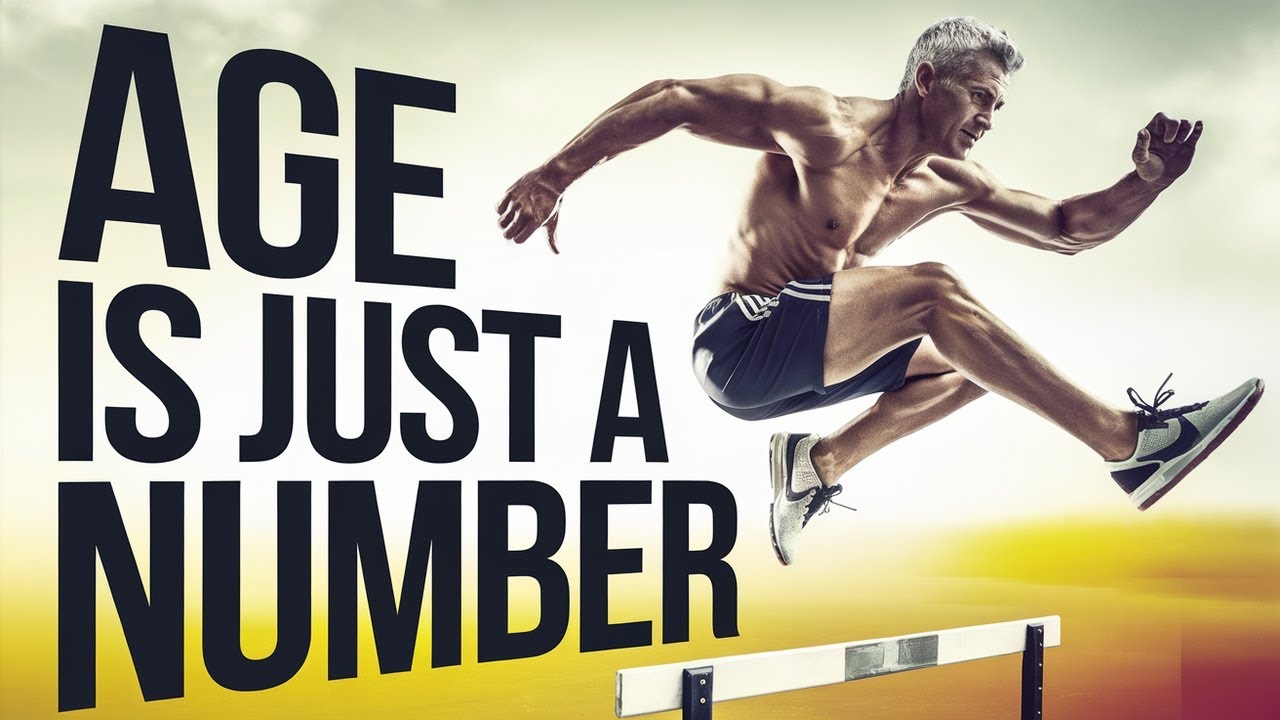
So let’s shift our perspective on aging. Let’s see it as an opportunity, not a limitation. Let’s recognize the wisdom, experience, and freedom that come with age. Let’s celebrate the stories of those who have used their later years to make remarkable contributions to the world, proving that age is just a number and not a barrier. By changing our perception, we empower ourselves and future generations to embrace aging with optimism and enthusiasm.
In conclusion, getting older is not something to be feared or avoided. It’s a natural part of life that can bring immense joy, fulfillment, and self-discovery. So let’s embrace our journey, let’s celebrate our age, and let’s make the most of every moment. Each year brings new opportunities to learn, to grow, and to contribute to the world in meaningful ways. Aging is a privilege, and with it comes the chance to live our lives to the fullest.
And before you go, take a second to share your thoughts on aging in the comments below. Have you got any personal anecdotes or insights to share? Let’s keep the conversation going. Also, if you want to learn more about personal growth and self-discovery, be sure to check out our video on finding your purpose in life. Finally, don’t forget to subscribe for more insightful content, and we’ll catch you in the next video.
Get Older, Get Healthier with These 12 Essential Vitamins
Join me as I challenge myself to incorporate all 12 essential vitamins into my daily routine for a whole week and see how it changes my health. As we age, we often focus on the physical changes we can see, like wrinkles and gray hair. But what about the changes happening inside our bodies? The truth is, our bodies start to slow down, and we begin to feel the effects of aging. But what if I told you there’s a way to counteract these changes and maintain your health and vitality as you get older?
Getting older doesn’t have to mean feeling older. By incorporating the right nutrients into our diet, we can support our bodies and maintain our health. And that’s exactly what we’re going to talk about today—the 12 essential vitamins that can help you age gracefully and thrive.
The Aging Process: What Really Happens?
Aging is a natural part of life, but it can be challenging. Our energy levels decrease, our immunity weakens, and we start to feel like we’re not as sharp as we used to be. We may experience joint pain, memory loss, and a weakened immune system. It’s like our bodies are saying, “Hey, slow down, I need a break.” But what if we could turn back the clock? What if we could regain our energy, sharpen our minds, and boost our immunity? It’s not just about looking good on the outside; it’s about feeling good on the inside too.
As we age, our bodies start to undergo a range of physiological changes. Our metabolism slows down, our hormone levels fluctuate, and our skin loses its elasticity. It’s a natural part of life, but it doesn’t mean we have to accept it. By incorporating the right vitamins into our diet, we can support our bodies and maintain our health.
Why Vitamins Matter
We’ve all heard the phrase, “You are what you eat,” and it’s true. The food we put into our bodies has a direct impact on our health and well-being. But sometimes, even with a healthy diet, we may be missing out on essential nutrients. That’s where vitamins come in to fill in the gaps and support our bodies.
Our modern lifestyle can be busy and stressful, making it difficult to maintain a balanced diet. We may skip meals, rely on convenience foods, or forget to take our vitamins. But the truth is, every meal matters, every snack counts, and every vitamin is essential.
As we age, our bodies become more susceptible to disease and illness. Our immune systems weaken, and we become more prone to infections. But it’s not all doom and gloom. By incorporating the right vitamins into our diet, we can boost our immunity and protect our bodies. Whether you’re 30, 50, or 70, it’s never too late to start taking care of your health.
The 12 Essential Vitamins for Aging Gracefully
Vitamin A is crucial for healthy vision, immune function, and skin health. It’s not just about seeing clearly; it’s about maintaining the integrity of your skin and bolstering your immune defenses against common ailments.
Vitamin C is a powerful antioxidant that boosts immunity and fights off free radicals. This vitamin is essential for the synthesis of collagen, a protein that helps keep your skin looking youthful and your joints functioning smoothly.
Vitamin D is essential for bone health and mood regulation. Often termed the “sunshine vitamin,” it plays a vital role in calcium absorption and can significantly impact your mood and general well-being.
Vitamin E is a powerful antioxidant that protects our cells from damage. It helps combat oxidative stress, which can accelerate the aging process and lead to chronic diseases.
Vitamin K is crucial for blood clotting and bone health. It ensures that your blood clots properly, preventing excessive bleeding, and works in synergy with calcium to maintain strong bones.
Thiamin (Vitamin B1) is essential for energy production and nerve function. This vitamin helps convert nutrients into energy, ensuring that you have the stamina to power through your day.
Riboflavin (Vitamin B2) supports energy production and eye health. It’s integral to the body’s energy supply chain and supports the maintenance of healthy eyes, reducing the risk of cataracts.
Niacin (Vitamin B3) is crucial for energy production and skin health. It plays a role in the conversion of food to energy and helps maintain healthy skin, reducing the risk of skin conditions as you age.
Pantothenic Acid (Vitamin B5) supports energy production and hormone regulation. It’s vital for the synthesis of coenzyme A, which is involved in the metabolism of carbohydrates, fats, and proteins.
Vitamin B6 is essential for energy production, nerve function, and immune function. This vitamin aids in the production of neurotransmitters, ensuring that your nervous system functions optimally.
Biotin supports energy production, nerve function, and healthy hair, skin, and nails. Often referred to as the “beauty vitamin,” it helps maintain the health of your hair and skin, combating the visible signs of aging.
Folic Acid (Vitamin B9) is crucial for energy production, nerve function, and heart health. It’s essential for DNA synthesis and repair, and works with vitamin B12 to produce red blood cells.
Vitamin B12 is essential for energy production, nerve function, and the formation of red blood cells. It plays a key role in brain health and can help prevent memory loss as you age.
Benefits of Incorporating Vitamins
These vitamins are not just essential for maintaining our health; they’re also crucial for preventing diseases and illnesses. By incorporating them into our diet, we can reduce our risk of heart disease, diabetes, and even certain types of cancer. The synergistic effect of these vitamins can help protect against the oxidative stress and inflammation that often accompany aging, thereby reducing the risk of chronic diseases.
Did you know that vitamin D deficiency has been linked to an increased risk of depression, anxiety, and even dementia? Or that vitamin B12 deficiency can cause fatigue, weakness, and memory loss? These vitamins are not just nice to have; they’re must-haves for maintaining our health and well-being. By ensuring that we get the right balance of vitamins, we can help stave off the mental and physical decline that many associate with aging.
By incorporating these essential vitamins into our diet, we can experience a range of benefits, from increased energy and improved mood to enhanced cognitive function and a stronger immune system. And the best part? It’s never too late to start. Making small, consistent changes today can have a profound impact on your health for years to come.
Conclusion: A Healthier You Awaits
In conclusion, getting older doesn’t have to mean feeling older. By incorporating the 12 essential vitamins into our diet, we can maintain our health, boost our energy, and thrive as we age. Remember, it’s not just about taking vitamins; it’s about making conscious choices about the food we eat, the exercise we do, and the lifestyle we lead. Cultivating healthy habits and being mindful of your nutritional intake can fundamentally change the way you experience aging.
Thanks for joining me on this journey. Don’t forget to share your thoughts in the comments below. If you’re new here, consider subscribing for more health tips and wellness content. If you’re interested in learning more about nutrition and aging, please like, subscribe, and click on the bell for more health tips and updates. Let’s get healthier together! By embracing the power of nutrition and making informed choices, we can redefine what it means to age, turning what is often seen as a decline into a period of vitality and growth.
Understanding the Surprising Changes Our Bodies Undergo in Our 70s
Join me as I dive into the surprising changes our bodies go through in our 70s and see if I can guess what to expect before it’s my turn. In this blog post, you’ll learn about the various transformations your body experiences in your 70s and how they impact your health and lifestyle. As we explore this important topic, you’ll gain a better understanding of what to expect and how to prepare for this critical decade. Whether you’re already in your 70s or just looking ahead to what’s to come, this post will provide you with valuable insights to help you thrive.
Physical Changes and Their Impact
As we age, we face challenges such as decreased mobility, changes in metabolism, and an increased risk of chronic conditions. Understanding these issues is crucial for maintaining a healthy lifestyle. One of the most significant changes we experience is a decline in physical strength, making everyday tasks more challenging. Our metabolism also slows down, which can lead to weight gain and other health problems if not managed properly. Furthermore, our bodies become more susceptible to chronic conditions like diabetes, heart disease, and arthritis. By recognizing these challenges, we can take proactive steps to mitigate their impact.
Visible and Internal Transformations
Our bodies undergo a range of changes in our 70s, from the visible signs of aging to the changes that occur deep within our cells. For instance, our skin becomes thinner, drier, and less elastic, leading to wrinkles and age spots. Our hair also becomes thinner, grayer, and more brittle, while our joints become stiffer and less flexible. Moreover, our heart rate slows down, and our blood vessels become less flexible, increasing the risk of cardiovascular disease. These physical changes can have a significant impact on our daily lives, making it more difficult to perform routine tasks and enjoy the activities we love.
Changes in the Digestive System
As we age, our digestive system also undergoes significant changes. Our stomachs produce less acid, making it harder to digest food, while our small intestine absorbs fewer nutrients. This can lead to malnutrition, weight loss, and other health problems. Furthermore, our kidneys become less efficient, making it harder for our bodies to remove waste and toxins. These changes can lead to a range of health issues, from kidney disease to urinary incontinence.
Cognitive Changes and Brain Health
Our brains also undergo significant changes in our 70s. Our cognitive function slows down, making it more difficult to learn new information and process complex data. Our memories may not be as sharp, and we may experience trouble recalling recent events or learning new skills. Additionally, our risk of developing dementia and Alzheimer’s disease increases significantly. These changes can be challenging, but there are ways to maintain a healthy brain and reduce the risk of cognitive decline.
Immune System and Hormonal Changes
Our immune system also becomes weaker in our 70s, making us more susceptible to illnesses and infections. Our bodies produce fewer antibodies, making it harder to fight off diseases. This increased risk of illness, combined with the physical changes we experience, can make it more challenging to recover from illnesses and injuries. Moreover, our bodies undergo hormonal changes, including a decline in estrogen and testosterone levels, which can lead to a range of health issues, from osteoporosis to depression.
Changes in the Senses
Our senses also undergo significant changes in our 70s. Our eyes become less sensitive to light, making it harder to see in low-light environments. Our hearing becomes less acute, making it more difficult to understand conversations and enjoy music. Our sense of smell also declines, making it harder to enjoy our favorite foods and fragrances. These changes can have a significant impact on our daily lives, making it more challenging to enjoy the things we love.
Maintaining a Healthy Lifestyle
One of the most critical aspects of maintaining a healthy lifestyle in our 70s is nutrition. Eating a balanced diet rich in fruits, vegetables, whole grains, and lean proteins is essential for maintaining energy levels, supporting our immune systems, and reducing the risk of chronic diseases. It’s also crucial to stay hydrated by drinking plenty of water throughout the day. Furthermore, regular exercise, such as walking, yoga, or swimming, can help maintain physical strength, flexibility, and mobility.
The Importance of Social Connections
In addition to nutrition and exercise, social connections play a vital role in maintaining a healthy lifestyle in our 70s. Staying connected with friends and family, pursuing hobbies and interests, and engaging in social activities can help reduce the risk of depression, anxiety, and cognitive decline. Moreover, volunteering, taking classes, or learning new skills can help give us a sense of purpose and fulfillment.
The Role of Sleep in Health
Another critical aspect of maintaining a healthy lifestyle in our 70s is getting enough sleep. Our bodies need rest to repair and rejuvenate themselves, and the lack of sleep can lead to a range of health issues, from fatigue and mood disturbances to chronic diseases like diabetes and heart disease. It’s essential to establish a consistent sleep routine, avoid caffeine and electronics before bedtime, and create a relaxing sleep environment.
Strategies for Thriving in Your 70s
By incorporating these strategies into your daily routine, you can reduce the risk of chronic diseases, maintain physical strength and mobility, and promote a healthy brain and body. One of the most critical strategies is to stay physically active. Engaging in regular exercise, such as walking, swimming, or yoga, can help maintain physical strength, flexibility, and mobility. Additionally, incorporating exercises that improve balance and flexibility, such as Tai Chi or Pilates, can help reduce the risk of falls and injuries.
Conclusion
To summarize, your 70s bring about significant changes, but with the right knowledge and proactive measures, you can still thrive during this stage of life. By understanding the physical, cognitive, and emotional changes we experience, we can develop strategies to mitigate their impact and promote a healthier lifestyle. Remember, it’s never too late to make positive changes and take control of your health.
Thanks for reading! If you found this information helpful, please share it with others who might benefit from these insights.
Achieving Permanent Weight Loss After 40: A Comprehensive Guide
Join me as I take on the challenge of losing weight permanently after 40, and I’ll show you how I do it without all the usual struggles. Losing weight after 40 can seem like a daunting task, but I’m here to tell you that it’s not only possible, but it can be done permanently and without the usual struggles and deprivation that come with it.
We’ve all been there, stuck in a cycle of dieting and gaining, feeling like we’re constantly fighting an uphill battle. But what if I told you there’s a way to break free from that cycle and achieve sustainable weight loss? The truth is, weight loss after 40 requires a different approach, one that takes into account the natural changes our bodies go through as we age. It’s not about starving ourselves or spending hours at the gym, but about making sustainable lifestyle changes that we can maintain in the long term. And that’s exactly what we’re going to explore in this guide.
Understanding the Challenges of Weight Loss After 40
As we age, our metabolism slows down, our hormone levels change, and our lifestyles become more sedentary. All of these factors can contribute to weight gain, making it harder to lose weight and maintain weight loss. On top of that, we have to deal with the stress of everyday life, which can further disrupt our hormones and metabolism.
One of the biggest challenges people over 40 face is that their metabolism has slowed down significantly. This means that even if you’re eating the same amount of food as you did in your 20s and 30s, you’re likely to gain weight. To make matters worse, our bodies start to lose muscle mass, which further slows down our metabolism.
The Impact of Hormonal Changes
Hormonal changes are another major obstacle. As women approach menopause, their estrogen levels drop, leading to increased fat storage around the midsection. For men, low testosterone levels can lead to decreased muscle mass and increased body fat.
Lifestyle Changes and Their Effects
Lifestyle changes also play a significant role in weight gain after 40. Many people start to take on more sedentary jobs, have families, and adopt less active lifestyles. On top of that, we have to deal with the stress of everyday life, which can further disrupt our hormones and metabolism. It’s no wonder that weight loss becomes such a struggle after 40.
Strategies for Successful Weight Loss After 40
Despite all these challenges, it’s not impossible to lose weight and maintain weight loss. It just requires a different approach, one that takes into account our changing bodies and lifestyles.
Focus on Nutrition
The first step to successful weight loss after 40 is to focus on nutrition. We need to eat foods that are rich in protein, fiber, and healthy fats, which will help us feel full and satisfied. We also need to be mindful of our portion sizes and eat more frequently throughout the day to keep our metabolism going.
Incorporate Exercise
In addition to nutrition, exercise is also crucial for weight loss after 40. We need to incorporate a combination of cardio and strength training exercises to build muscle mass and boost our metabolism. The great thing is we don’t need to spend hours at the gym to see results; even short, high-intensity workouts can be incredibly effective.
Mindset and Sustainable Lifestyle Changes
But it’s not just about diet and exercise. We also need to focus on our mindset and make sustainable lifestyle changes that we can maintain in the long term. This means setting realistic goals, tracking our progress, and finding a support system that will help us stay motivated and accountable.
Effective Strategies for Permanent Weight Loss
One strategy that has been incredibly effective for me is intermittent fasting. By restricting my eating window to just 8 hours a day, I’ve been able to increase my fat loss and improve my overall health. The great thing is it’s not a radical change; it’s just a simple tweak to my daily routine.
Building Muscle Mass
Another strategy is to focus on building muscle mass. As we age, our bodies naturally lose muscle mass, which can slow down our metabolism and make it harder to lose weight. But by incorporating strength training exercises into our routine, we can build muscle and boost our metabolism.
Mindset and Long-Term Success
Finally, we need to focus on our mindset and make sustainable lifestyle changes that we can maintain in the long term. This means setting realistic goals, tracking our progress, and finding a support system that will help us stay motivated and accountable.
Success Story: Sarah’s Journey to Weight Loss After 40
I want to share a personal story with you that perfectly illustrates the power of these strategies. My friend Sarah, who’s 45, had been struggling with weight loss for years. She tried every diet and exercise routine under the sun, but nothing seemed to work. But then she started incorporating intermittent fasting and strength training into her routine, and the results were incredible. She lost over 20 lbs in just a few months, and she’s been able to maintain that weight loss ever since.
The key takeaway from Sarah’s story is that weight loss after 40 is not about making radical changes; it’s about making small, sustainable tweaks to our daily routine. When we focus on nutrition, exercise, and mindset, we can achieve incredible results.
The Most Impactful Strategy for Lasting Weight Loss Success
So, what’s the most impactful insider strategy that can lead to lasting weight loss success after 40? For me, it’s all about focusing on progress, not perfection. We don’t need to be perfect; we just need to make progress every day. And when we focus on progress, we can achieve incredible results and maintain weight loss in the long term.
Losing weight after 40 is not only possible, but it can be done permanently and without the usual struggles and deprivation. By focusing on nutrition, exercise, and mindset, we can achieve sustainable weight loss and maintain it in the long term.
Thanks for joining me on this journey. If you found this guide helpful, please share it with others who might benefit from it. Let’s support each other in achieving our health and wellness goals!
Getting Fit Over 40: Embrace the Challenge with These Five Essential Exercises
Join me as I take on the challenge of getting fit over 40 with these five essential exercises. Can I transform my fitness game? As we age, it becomes increasingly important to prioritize our physical and mental health. Getting fit over 40 can seem daunting, but trust me, it’s an investment worth making. Not only will it improve our overall health, but it’ll also give us the energy and confidence to take life’s challenges head-on. And let’s be honest, who doesn’t want to feel their best self as they enter this new chapter of life?
One of the biggest misconceptions about getting fit over 40 is that it’s only about physical health. But the truth is, exercise has a profound impact on our mental well-being, too. Regular exercise has been shown to reduce stress, anxiety, and depression, and even improve cognitive function. So whether you’re looking to improve your physical health or mental well-being, getting fit over 40 is a goal worth striving for.
The Challenges of Getting Fit Over 40
As we get older, our bodies undergo a range of changes that can make it more challenging to get fit. Our metabolism slows down, our joints start to creak, and our energy levels dip. But that doesn’t mean it’s impossible. With the right approach and mindset, anyone can get fit over 40 and enjoy the many benefits that come with it. So what are you waiting for? Let’s dive in and explore the five essential exercises that’ll help you get started on your fitness journey.
Finding Motivation and Time
Getting fit over 40 often comes with its own set of challenges. One of the biggest obstacles people face is finding the motivation to start. It’s easy to get discouraged when you’re not seeing results right away or when you’re dealing with injuries or health issues. But the truth is, every small step counts, and every workout is a victory, no matter how small it may seem.
Another common challenge people face is finding the time to fit exercise into their busy schedules. As we get older, life gets more complicated, and it’s easy to let exercise fall by the wayside. But the truth is, exercise doesn’t have to be time-consuming. Even small bursts of activity can make a big difference, and there are plenty of exercises that can be done in just a few minutes a day.
Overcoming Injuries and Lack of Knowledge
Injuries are another major obstacle people face when trying to get fit over 40. Whether it’s a chronic condition or a recent injury, it can be tough to know where to start or how to modify exercises to suit your needs. But the good news is, there are plenty of exercises that can be adapted to suit different fitness levels, and with a little creativity, you can still get a great workout even with limitations.
Lack of knowledge is another major hurdle people face when trying to get fit over 40. It’s easy to feel overwhelmed by the sheer amount of information out there, and it can be tough to know where to start or what exercises are best for your fitness goals. But the truth is, getting fit over 40 is all about progress, not perfection. You don’t need to be a fitness expert to get started, and every small step counts.
The Importance of Community and Support
Finding community and support is another crucial element of getting fit over 40. It’s easy to feel isolated or discouraged when you’re not seeing results, but having a supportive community can make all the difference. Whether it’s a workout buddy, an online community, or a fitness class, having people cheering you on can help you stay motivated and inspired.
One of the biggest misconceptions about getting fit over 40 is that you need to be a fitness enthusiast to get started. But the truth is, getting fit over 40 is about finding a routine that works for you and your lifestyle. Whether you’re a busy professional, a stay-at-home parent, or an empty nester, there are exercises that can be adapted to suit your needs and schedule.
The Five Essential Exercises for Getting Fit Over 40
So what are the five essential exercises that’ll help you get fit over 40? Let’s dive in and explore each one in detail.
Exercise #1: The Squat
The squat is a compound exercise that targets multiple muscle groups, including your legs, glutes, and core. It’s an exercise that can be adapted to suit different fitness levels, and it’s a great way to improve balance, strength, and flexibility. To do a squat, start with your feet shoulder-width apart, then bend your knees and lower your body down until your thighs are parallel to the ground. Push through your heels to return to standing and repeat for 12-15 reps.
For those who are new to squats, it’s a good idea to start with a modified version. You can try doing a half squat, where you only lower yourself down part of the way, or you can try doing squats with a chair or wall for support.
Exercise #2: The Pushup
Push-ups are a great way to improve upper body strength, and they can be adapted to suit different fitness levels. Whether you’re doing traditional push-ups, modified push-ups on your knees, or even wall push-ups, this exercise is a great way to target your chest, shoulders, and triceps. To do a pushup, start in a plank position with your hands shoulder-width apart, then lower your body down until your chest almost touches the ground. Push back up to the starting position and repeat for 12-15 reps.
For those who struggle with push-ups, it’s a good idea to start with modified versions. You can try doing push-ups on your knees or even wall push-ups, where you’re only lowering your body down part of the way.
Exercise #3: The Lunge
Lunges are another compound exercise that targets multiple muscle groups, including your legs, glutes, and core. They’re a great way to improve balance, strength, and flexibility, and they can be adapted to suit different fitness levels. To do a lunge, start with your feet together, then take a large step forward with one foot. Lower your body down until your back knee almost touches the ground, then push through your front heel to return to standing. Repeat on the other side and do 12-15 reps on each leg.
For those who are new to lunges, it’s a good idea to start with modified versions. You can try doing half lunges, where you only lower yourself down part of the way, or you can try doing lunges with a chair or wall for support.
Exercise #4: The Plank
Planks are a great way to improve core strength, and they can be adapted to suit different fitness levels. Whether you’re doing traditional planks, modified planks on your knees, or even side planks, this exercise is a great way to target your core and improve overall stability. To do a plank, start in a plank position with your hands shoulder-width apart, then engage your core and hold the position for 30-60 seconds.
For those who struggle with planks, it’s a good idea to start with modified versions. You can try doing planks on your knees or even wall planks, where you’re only holding the position for part of the way.
Exercise #5: The Row
Rows are a great way to improve upper body strength, and they can be adapted to suit different fitness levels. Whether you’re doing traditional rows, modified rows with a resistance band, or even bodyweight rows, this exercise is a great way to target your back and shoulders. To do a row, start with your feet shoulder-width apart, then bend your knees slightly and lean forward at the hips. Let your arms hang straight down from your shoulders, then lift your elbows up and back, squeezing your shoulder blades together. Lower your arms back down to the starting position and repeat for 12-15 reps.
For those who are new to rows, it’s a good idea to start with modified versions. You can try doing rows with a resistance band or even using a rowing machine at the gym.
Success Story: The Transformative Power of Exercise
I want to share a success story with you that really highlights the transformative power of incorporating these exercises into your routine over 40. I’ve been working with a client who was struggling to get motivated to exercise after a recent injury. She was feeling discouraged and frustrated, and she didn’t know where to start. But with the help of these five essential exercises, she’s been able to slowly build up her strength and confidence. She’s now doing squats, push-ups, and lunges with ease, and she’s even started incorporating rows and planks into her routine. It’s been amazing to see the transformation in her, and it’s a testament to the power of these exercises.
Conclusion: Embrace Your Fitness Journey
Let’s recap the five essential exercises we’ve discussed today: the squat, pushup, lunge, plank, and row. All exercises can be adapted to suit different fitness levels and goals. Whether you’re looking to improve your physical health or mental well-being, these exercises are a great place to start. Remember, getting fit over 40 is all about progress, not perfection. It’s about finding a routine that works for you and your lifestyle and making small changes that add up over time. So don’t be discouraged if you don’t see results right away. Every small step counts, and every workout is a victory.
Thanks for joining me on this journey, and I’d love to hear about your own experiences getting fit over 40. Leave a comment below and share your story. I’d love to hear from you. And thanks for reading. Please like, subscribe, and click on the bell for more health tips and updates. Until next time, stay fit, stay healthy, and keep pushing forward!
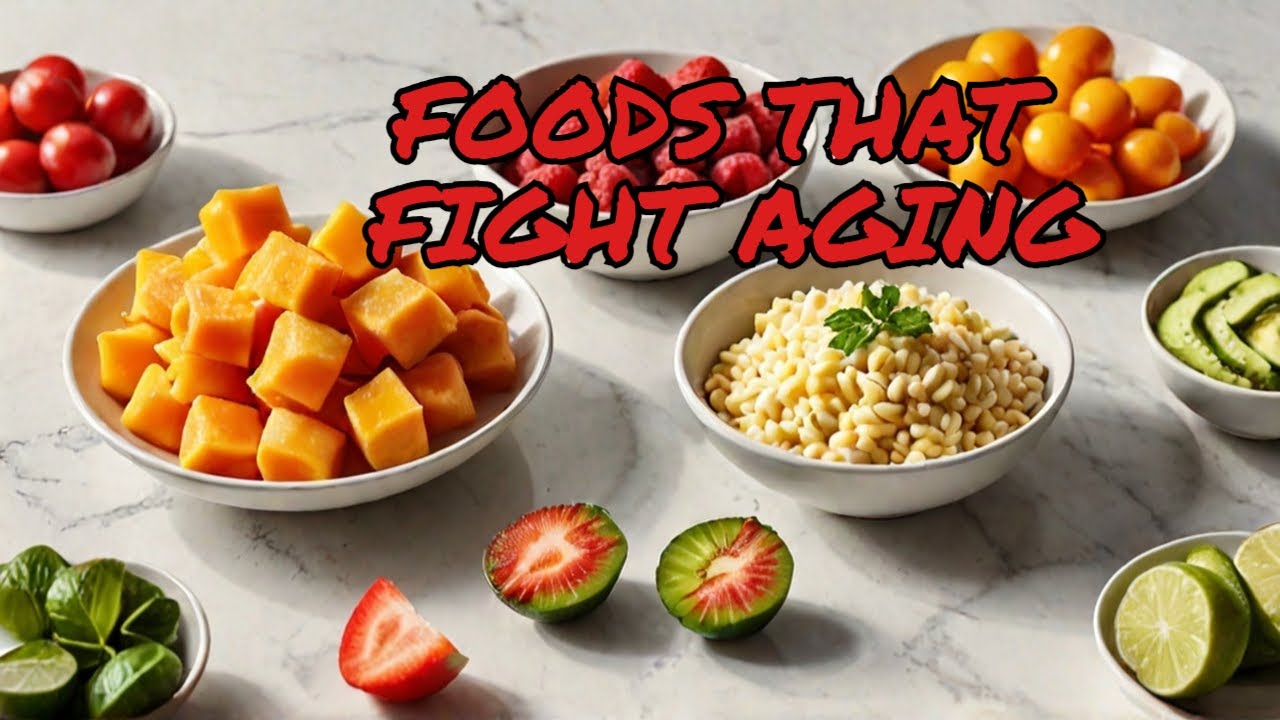
Discover the Secret to Fighting Aging with These Seven Powerful Foods
Join me as I challenge myself to eat these seven powerful foods for a week to see if they really can help me fight aging. When it comes to fighting aging, most of us think of expensive creams, surgeries, and fancy treatments. But what if I told you that the secret to a more youthful you lies in your kitchen? That’s right, the food we eat plays a crucial role in how we age. Today, I’m going to share with you the seven most powerful foods that can help you turn back the clock.
Rethinking the Aging Process
One of the biggest misconceptions about aging is that it’s inevitable, that it’s just a natural part of life. But what if I told you that our modern diet is accelerating the aging process? Think about it. Most of us eat a diet that’s high in processed foods, sugar, and unhealthy fats, and low in nutrients and fiber. This can lead to chronic inflammation, oxidative stress, and cellular damage, all of which can make us look and feel older than we are.
Another common myth is that aging is just about wrinkles and fine lines. But the truth is that aging affects every system in our body—from our energy levels to our cognitive function to our immune system. While wrinkles might be the most visible sign of aging, the real damage is happening on a cellular level. So if we want to fight aging, we need to focus on nourishing our bodies from the inside out.
The Solution: Nutrient-Rich Foods
So, what’s the solution? Well, it’s not just about cutting out unhealthy foods; it’s about adding in the right foods that can help to combat aging. Foods that are rich in antioxidants, Omega-3s, and other essential nutrients can help to reduce inflammation, improve cellular health, and support our overall well-being. Let’s dive into the seven powerful foods that can help you fight aging.
1. Leafy Greens
The first food on our list is leafy greens like spinach and kale. These superfoods are packed with antioxidants and Omega-3s that can help to reduce inflammation and oxidative stress. They’re also rich in vitamin K, which is essential for bone health and can help to reduce the signs of aging on our skin.
2. Berries
The second food on our list is berries. Berries are some of the highest antioxidant-rich foods on the planet. They are particularly rich in anthocyanins, which have been shown to have powerful anti-aging effects. Berries are also low in calories and high in fiber, making them a great addition to a healthy diet.
3. Fatty Fish
The third food on our list is fatty fish like salmon and sardines. These fish are rich in Omega-3s, which can help to reduce inflammation and support heart health. They are also a great source of protein, which is essential for maintaining muscle mass and supporting our overall health.
4. Sweet Potatoes
The fourth food on our list is sweet potatoes. Sweet potatoes are rich in vitamin A, which is essential for healthy skin and can help to reduce the signs of aging. They are also a great source of fiber, which can help to support healthy digestion and reduce inflammation.
5. Avocados
The fifth food on our list is avocados. Avocados are rich in healthy fats, fiber, and antioxidants, making them a powerful anti-aging food. They are also a great source of vitamin E, which can help to protect our skin from damage and support healthy skin cell growth.
6. Beets
The sixth food on our list is beets. Beets are rich in nitrates, which can help to improve blood flow and reduce inflammation. They are also a great source of antioxidants and fiber, making them a powerful addition to an anti-aging diet.
7. Turmeric
Finally, the seventh food on our list is turmeric. Turmeric contains a powerful compound called curcumin, which has been shown to have potent anti-inflammatory and antioxidant effects. It’s also a great anti-aging spice that can help to reduce oxidative stress and support healthy cellular function.
The Power of Leafy Greens
Now, let’s talk about the most impactful food on our list: leafy greens. There’s a reason why these greens are at the top of our list, and that’s because they’re packed with so many powerful antioxidants and omega-3s. One study found that eating just one serving of leafy greens per day can reduce the risk of age-related macular degeneration by up to 40%.
But that’s not all. Leafy greens have also been shown to have powerful anti-aging effects on our skin. One study found that women who ate a diet rich in leafy greens had fewer wrinkles and age spots than those who didn’t. Finally, leafy greens have been shown to have potent anti-inflammatory effects, which can help to reduce chronic inflammation and support healthy cellular function.
Conclusion: Fight Aging from the Inside Out
In summary, the seven powerful foods we’ve discussed today can help to combat aging by reducing inflammation, improving cellular health, and supporting our overall well-being. So make sure to add these foods to your diet and start fighting aging from the inside out.
What’s your favorite anti-aging food? Let me know in the comments below. If you want to learn more about how to fight aging naturally, be sure to check out my next video on the top supplements for anti-aging. Thanks for watching, and don’t forget to subscribe for more health and wellness videos.
Contains custom information set by the web developer via the _setCustomVar method in Google Analytics. This cookie is updated every time new data is sent to the Google Analytics server.
2 years after last activity
__utmx
Used to determine whether a user is included in an A / B or Multivariate test.
18 months
_ga
ID used to identify users
2 years
_gali
Used by Google Analytics to determine which links on a page are being clicked
30 seconds
_ga_
ID used to identify users
2 years
_gid
ID used to identify users for 24 hours after last activity
24 hours
_gat
Used to monitor number of Google Analytics server requests when using Google Tag Manager
1 minute
_gac_
Contains information related to marketing campaigns of the user. These are shared with Google AdWords / Google Ads when the Google Ads and Google Analytics accounts are linked together.
90 days
__utma
ID used to identify users and sessions
2 years after last activity
__utmt
Used to monitor number of Google Analytics server requests
10 minutes
__utmb
Used to distinguish new sessions and visits. This cookie is set when the GA.js javascript library is loaded and there is no existing __utmb cookie. The cookie is updated every time data is sent to the Google Analytics server.
30 minutes after last activity
__utmc
Used only with old Urchin versions of Google Analytics and not with GA.js. Was used to distinguish between new sessions and visits at the end of a session.
End of session (browser)
__utmz
Contains information about the traffic source or campaign that directed user to the website. The cookie is set when the GA.js javascript is loaded and updated when data is sent to the Google Anaytics server
6 months after last activity
Marketing cookies are used to follow visitors to websites. The intention is to show ads that are relevant and engaging to the individual user.
Facebook Pixel is a web analytics service that tracks and reports website traffic.