
Quick answer: Improving gut health naturally involves eating more fiber-rich and fermented foods, managing stress, staying hydrated, prioritizing sleep, and exercising regularly. Small, consistent lifestyle changes — rather than any single fix — are what truly support a balanced digestive system and long-term wellness.
Your gut does a lot more than just digest lunch. It houses trillions of microorganisms that influence your immune system, mood, energy levels, and even your risk for chronic disease. Yet most Americans give digestive wellness very little thought until something goes wrong — bloating, irregular digestion, or persistent fatigue. The good news? Building a healthier gut doesn’t require an overhaul of your entire life. This guide walks you through the most impactful, evidence-based steps you can take starting today, from the foods worth adding to your plate to the daily habits that quietly shape your microbiome over time.
Why Gut Health Matters More Than Most People Realize
The gut microbiome — the vast community of bacteria, fungi, and other microbes living in your digestive tract — plays a central role in nearly every aspect of your health. A well-balanced microbiome helps your body absorb nutrients efficiently, produce certain vitamins (like B12 and K2), regulate inflammation, and communicate with your brain through what researchers call the gut-brain axis.
When that balance is disrupted — a state called dysbiosis — the effects ripple outward. Studies link poor gut health to conditions including irritable bowel syndrome (IBS), type 2 diabetes, anxiety, and certain autoimmune disorders. Even skin conditions like eczema have been connected to microbiome imbalances.
The encouraging part: your gut microbiome is highly responsive to lifestyle changes. Unlike your genetics, it’s something you can meaningfully influence.
What Should You Eat for Better Digestive Wellness?
Food is the most powerful lever you have when it comes to gut health and digestive wellness. Here’s a breakdown of what to prioritize:
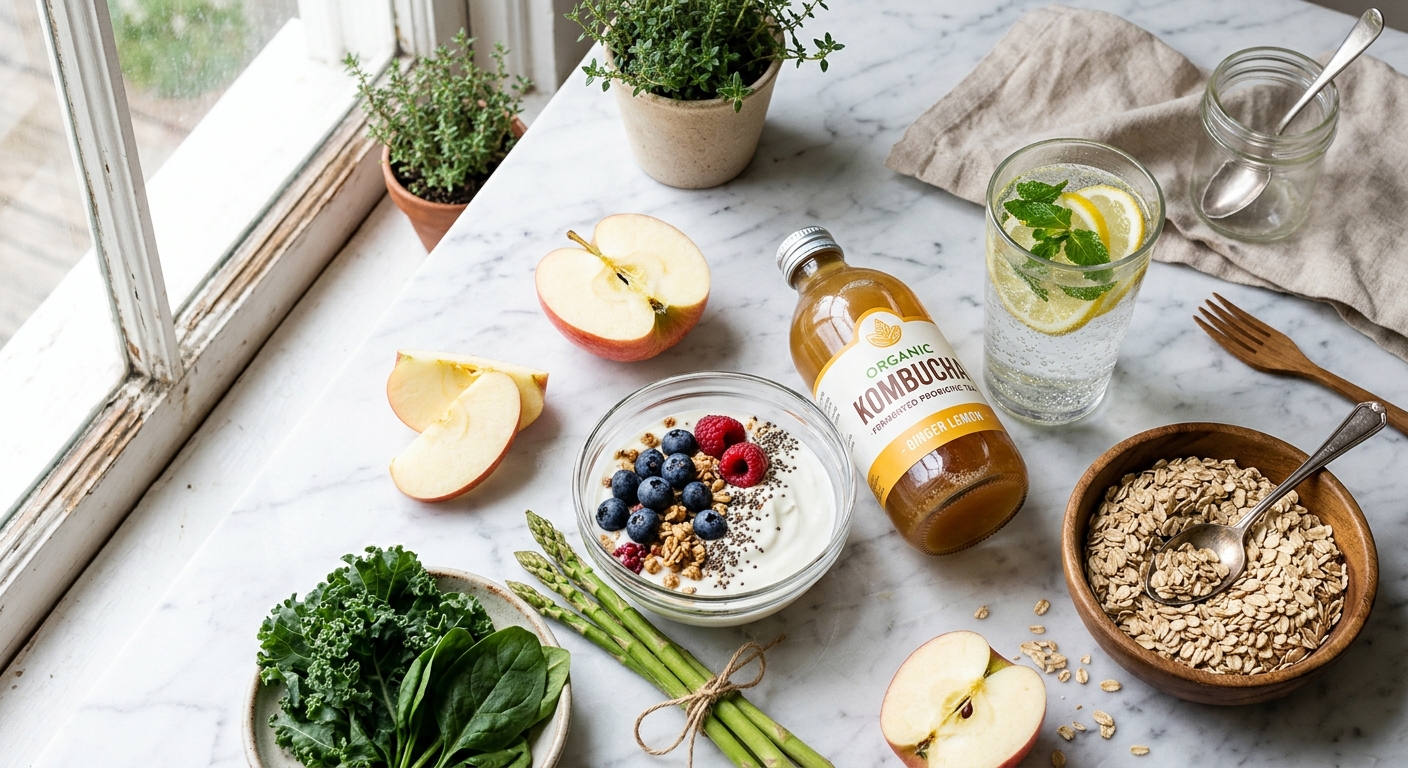
Fiber-rich foods feed the beneficial bacteria in your colon. Aim for a mix of soluble fiber (oats, apples, legumes) and insoluble fiber (whole grains, leafy greens, seeds). Most American adults consume well under the recommended 25–38 grams per day — gradually increasing your intake prevents the bloating that can come with a sudden jump.
Fermented foods introduce live beneficial bacteria directly into your digestive system. Options include:
- Plain yogurt with live active cultures
- Kefir
- Kimchi
- Sauerkraut
- Miso
- Kombucha (low-sugar varieties)
Prebiotic foods act as fuel for the good bacteria already living in your gut. Garlic, onions, leeks, asparagus, bananas, and Jerusalem artichokes are among the best sources.
Polyphenol-rich foods — found in berries, dark chocolate, green tea, and olive oil — have been shown to support microbial diversity, which is one of the strongest markers of a healthy gut.
On the flip side, ultra-processed foods, excessive alcohol, and diets heavy in refined sugar have been consistently linked to reduced microbial diversity and increased gut inflammation. That doesn’t mean you need a perfect diet — balance matters far more than elimination.
If you’re just getting started with building healthier eating habits, our 30-Day Nutrition Challenge for Beginners is a practical, low-pressure way to ease into more gut-friendly food choices.
Lifestyle Habits That Support Digestive Health Every Day
Diet is essential, but it’s only part of the picture. Several daily habits have a measurable impact on your gut microbiome and overall digestive function:
Stay hydrated. Water helps move food through your digestive tract and supports the mucosal lining of your intestines. Aim for about 8 cups (64 oz) of water daily, more if you’re active or in a warm climate.
Move your body. Physical activity increases the diversity of gut bacteria and helps reduce transit time — meaning food moves through your system more efficiently. Even a brisk 30-minute walk most days can make a meaningful difference.
Manage stress actively. Chronic stress directly disrupts the gut-brain axis, slowing digestion, increasing intestinal permeability, and altering the composition of your microbiome. Practices like deep breathing, meditation, or even a consistent wind-down routine before bed are not just good for your mental health — they’re good for your gut.
Prioritize sleep. Poor sleep is associated with reduced microbial diversity and increased markers of gut inflammation. Most adults need 7–9 hours per night for optimal digestive and overall health.
Limit unnecessary antibiotic use. Antibiotics can be life-saving, but they’re non-selective — they wipe out beneficial bacteria alongside harmful ones. Only use them when medically necessary, and talk to your doctor about probiotic support during and after a course.
How to Know If Your Gut Health Needs Attention
Not every digestive complaint signals a serious problem, but certain patterns are worth paying attention to:
- Persistent bloating or gas after most meals
- Frequent constipation or loose stools
- Unexplained fatigue or brain fog
- Food intolerances that seem to multiply over time
- Skin flare-ups without a clear external cause
- Frequent illness or slow recovery from colds
These signs can indicate that your microbiome or digestive function needs support. Starting with the dietary and lifestyle strategies outlined in this guide is a reasonable first step. However, if symptoms are severe, persistent, or worsening, it’s important to consult a healthcare professional — some conditions like celiac disease, IBD, or SIBO require medical diagnosis and treatment.
Frequently Asked Questions
How long does it take to improve gut health?
Most people start noticing improvements in digestive comfort within 2–4 weeks of consistent dietary and lifestyle changes. However, meaningful shifts in microbiome composition can take 2–3 months of sustained effort. Consistency over time matters more than short-term intensity.
Are probiotic supplements worth taking for digestive wellness?
Probiotic supplements can be helpful in specific situations — such as after antibiotics or for managing certain digestive conditions — but research is still evolving on which strains work best for general gut health. For most people, getting probiotics through fermented foods is a practical and well-supported starting point before investing in supplements.
Does drinking coffee affect gut health?
Moderate coffee consumption (about 1–3 cups per day) appears to have a prebiotic effect for some people and is associated with increased microbial diversity in certain studies. However, coffee can also stimulate gut motility and may worsen symptoms in people with IBS or acid reflux, so individual responses vary.
Can stress really cause digestive problems?
Yes — the gut and brain are in constant communication via the vagus nerve and various hormones. Stress triggers the release of cortisol and adrenaline, which can slow or disrupt normal digestive function, increase gut permeability, and alter the balance of microbes in your intestines. Managing stress is genuinely one of the most underrated tools for digestive wellness.
Is it safe to eat fermented foods every day?
For most healthy adults, yes — daily fermented food consumption is generally safe and beneficial. Start with small amounts if you’re new to them, as a sudden increase can temporarily cause gas or bloating while your gut adjusts. People with histamine sensitivity or certain immune conditions should check with a doctor first.
Start Small, Stay Consistent
Gut health and digestive wellness don’t improve overnight, and they don’t require a dramatic transformation. The most sustainable approach is to layer in small, consistent changes — adding a daily serving of fermented food, increasing your fiber intake gradually, making time to move your body, and protecting your sleep. Each of these steps reinforces the others, creating a compounding effect on your overall health.
At J and J Health, we believe that real, lasting wellness comes from practical education and steady progress — not quick fixes. Explore more guides, challenge-based health journeys, and in-depth resources on our site to keep building a lifestyle that supports your body from the inside out.
Share this content:
Discover more from J and J Health
Subscribe to get the latest posts sent to your email.


